What Is an MgO Underlayment Panel?
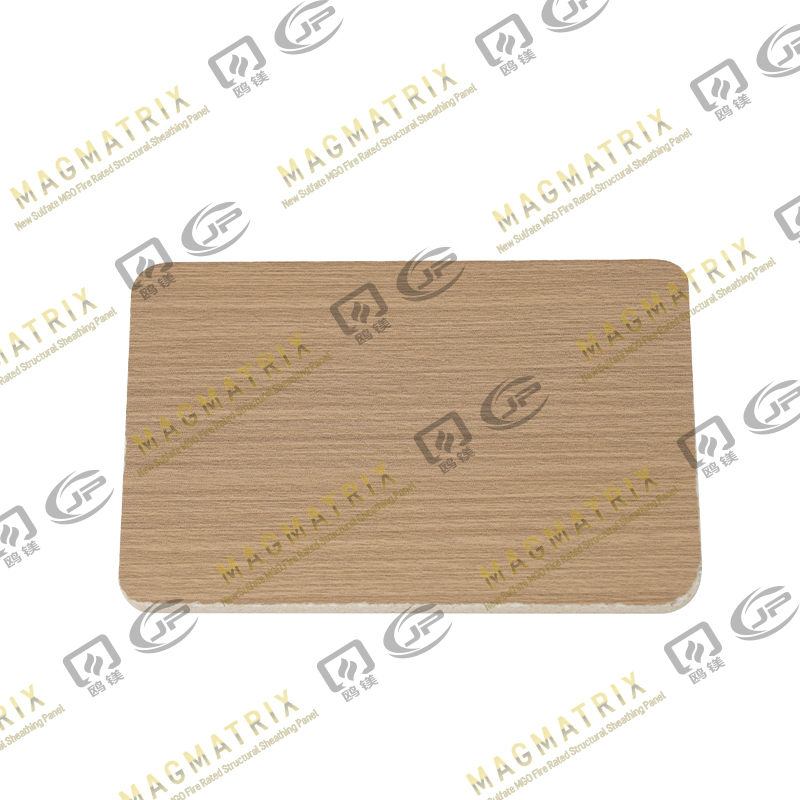
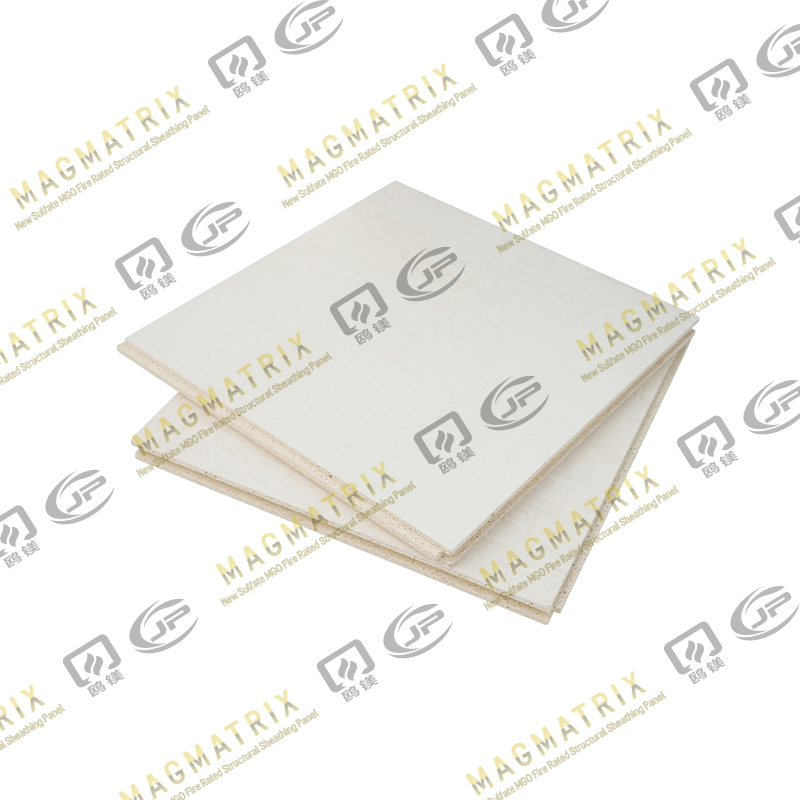
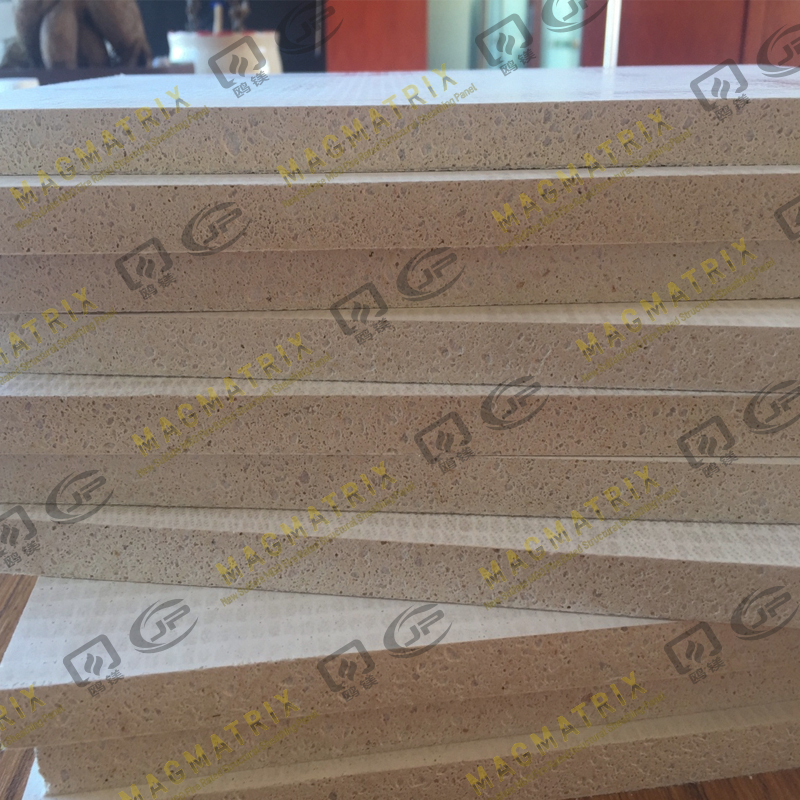
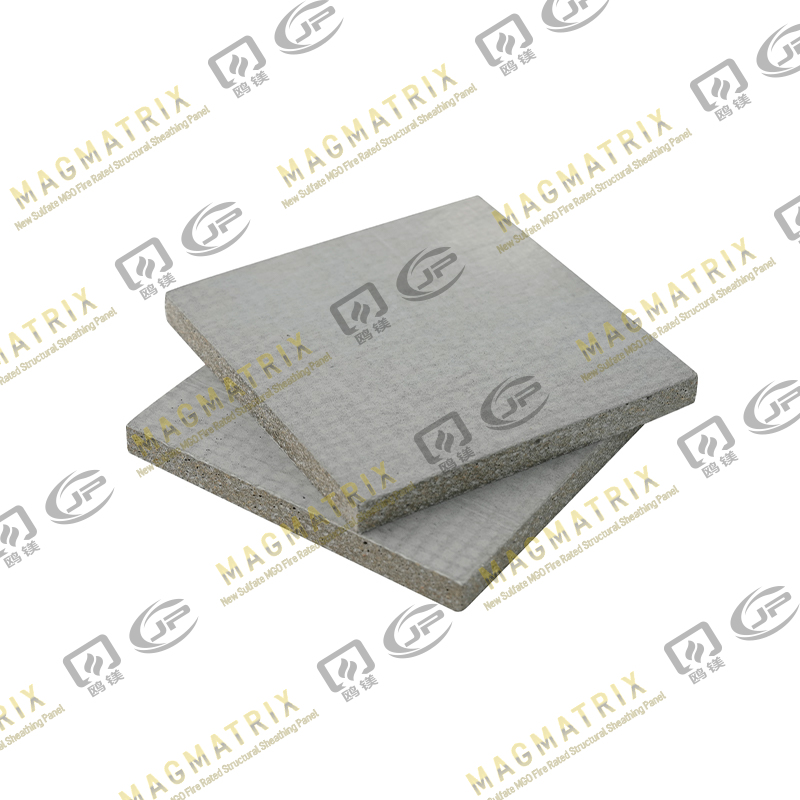
MgO underlayment panel, also known as magnesium oxide boards, are construction-grade panels primarily used as a subfloor or wall underlayment. Made from magnesium oxide, magnesium chloride, and other reinforcing materials, these panels are lightweight, fire-resistant, and highly moisture-resistant, making them an ideal choice for modern construction projects. Unlike traditional plywood or cement boards, MgO panels offer superior durability, eco-friendliness, and resistance to mold, termites, and rot.
Key Benefits of Using MgO Underlayment Panels
MgO underlayment panels provide a wide range of advantages that make them a popular choice for flooring and wall applications.
- Highly moisture-resistant, making them suitable for bathrooms, kitchens, and basements.
- Fire-resistant and non-combustible, enhancing building safety.
- Lightweight yet strong, reducing structural load and installation difficulty.
- Environmentally friendly, made from sustainable materials and free of harmful chemicals.
- Excellent dimensional stability, minimizing warping, swelling, or cracking.
- Easy to cut, drill, and install, compatible with tile, laminate, vinyl, or carpet flooring.
Installation Techniques for MgO Underlayment Panels
Proper installation of MgO underlayment panels ensures long-term performance and safety. Following manufacturer guidelines is crucial, but these general steps provide a practical overview for contractors and DIY enthusiasts.
Surface Preparation
Before installation, the subfloor must be clean, dry, and level. Remove any debris, nails, or protrusions that could affect panel placement. For uneven surfaces, consider applying a self-leveling compound to achieve a flat base.
Panel Layout and Cutting
Measure the area carefully and plan the panel layout to minimize seams. MgO boards can be cut with a circular saw equipped with a carbide-tipped blade. Always wear safety gear to prevent dust inhalation and skin irritation.
Fastening and Joint Treatment
Panels are typically fastened using corrosion-resistant screws or nails. Joints should be filled with a compatible MgO joint compound or mesh tape to ensure a smooth, continuous surface. Proper joint treatment enhances durability and prevents water penetration.
Common Applications of MgO Underlayment Panels
MgO underlayment panels are versatile and suitable for multiple construction scenarios:
- Tile flooring: Provides a stable and moisture-resistant base for ceramic, porcelain, or natural stone tiles.
- Laminate and vinyl flooring: Enhances soundproofing and prevents subfloor damage.
- Wall cladding: Offers fireproof and mold-resistant protection in bathrooms and kitchens.
- Roof decks and ceilings: Lightweight panels reduce load while improving fire safety.
Comparing MgO Panels to Traditional Subfloor Materials
When considering MgO underlayment panels, it’s helpful to compare them to common alternatives such as plywood, cement boards, and OSB.
| Material |
Moisture Resistance |
Fire Resistance |
Weight |
Cost |
| MgO Board |
High |
Excellent |
Lightweight |
Moderate |
| Plywood |
Low |
Low |
Moderate |
Low |
| Cement Board |
High |
Excellent |
Heavy |
Moderate |
Maintenance Tips for Longevity
Although MgO underlayment panels are highly durable, proper maintenance ensures long-lasting performance:
- Keep panels dry during storage and after installation to prevent efflorescence.
- Use recommended joint fillers and sealants to avoid water penetration.
- Inspect fasteners periodically and replace any corroded screws or nails.
- Clean with a damp cloth rather than harsh chemicals to preserve the panel surface.
Conclusion
MgO underlayment panels are a modern, practical solution for subflooring and wall applications where moisture resistance, fire safety, and durability are priorities. Their ease of installation, lightweight nature, and eco-friendly properties make them superior to many traditional options. By following proper installation techniques and maintenance practices, builders and homeowners can achieve reliable, long-lasting results with minimal effort.



 English
 русский
 Español
 BMSC 517 New Sulfate MgO Board
 Multi-Support MgO Wall Sheathing Board
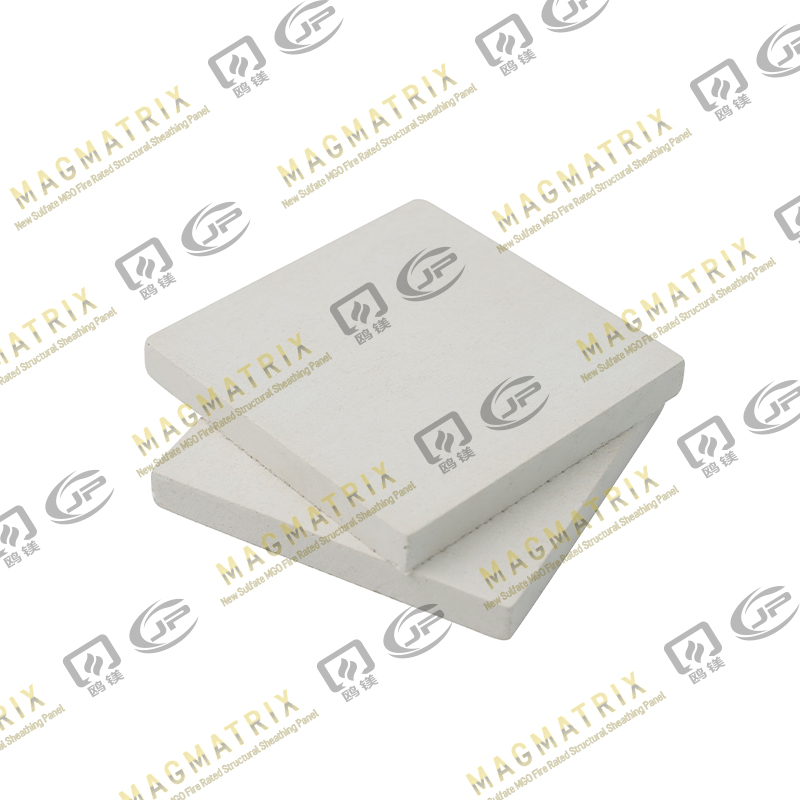 Perseverance MgO Wall Sheathing Board
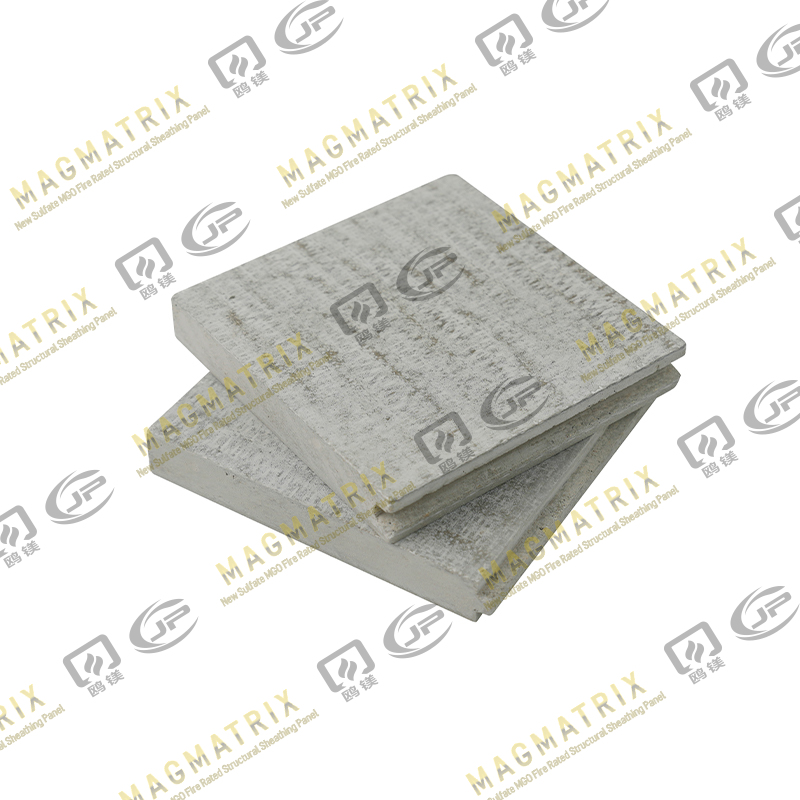 Multi-Support MgO Subfloor Sheathing Board
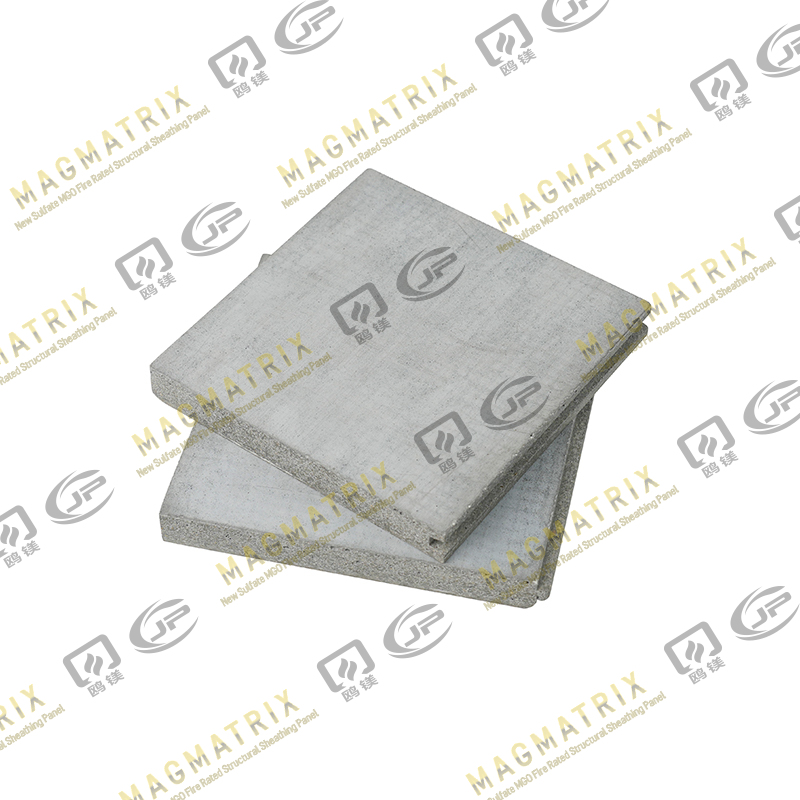 Perseverance MgO Subfloor Sheathing Board
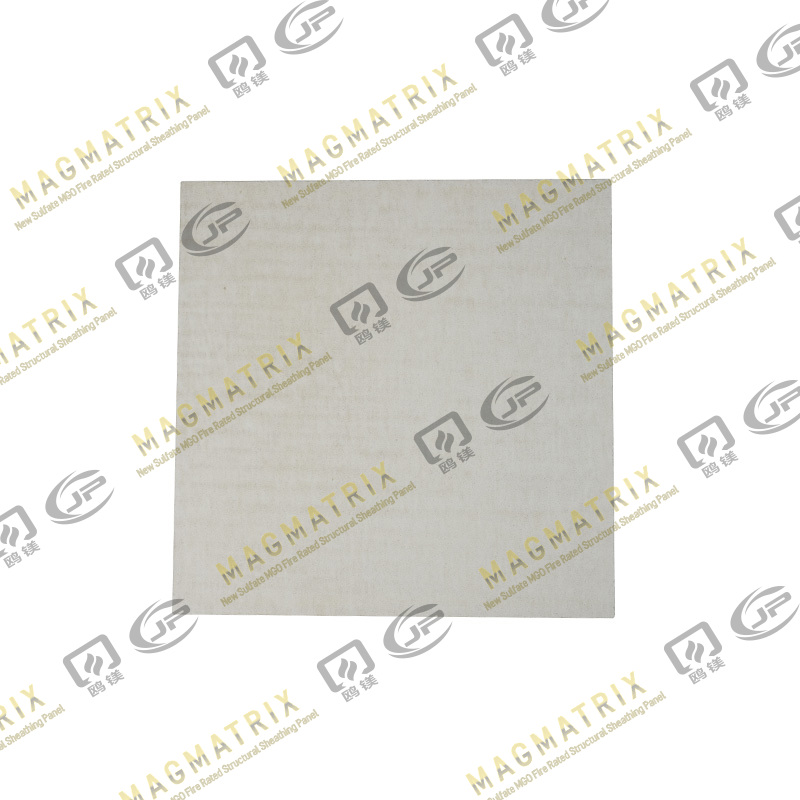 MagMatrix MgO Underlayment Panel/board