Ask a structural engineer to name a renewable material with genuine load-bearing ability, and bamboo often comes up. It has been used in construction across Asia, Africa, and Latin America for centuries, and its combination of fast growth, high tensile strength, and low weight is difficult to match. But bamboo is not one uniform material, and its performance depends heavily on species, age, moisture content, treatment, and the quality of the connections. That is why the real question is not simply whether bamboo can build, but where it makes sense and where it creates avoidable risk.
Why Bamboo Is Treated as a Serious Building Material
Bamboo’s reputation starts with growth speed. Some species can be harvested every three to five years, while the same time frame only produces small-diameter timber in most planted forests. Bamboo absorbs carbon during that growth, regenerates from the root system, and requires little fertilizer when managed well. For projects that want to lower embodied carbon, bamboo fits neatly into the sustainability practices that many building owners now request.
Mechanically, bamboo performs best in tension and bending. The natural fiber structure gives it a strength-to-weight ratio that is attractive for roofing and framing in earthquake zones, because the lighter structure reduces inertia loads. Laminated bamboo goes further: bamboo strips are pressed into beams and panels with more predictable properties than round culms. This engineered form is easier for builders and architects to specify, but it is still an organic material with organic limitations.
Where Bamboo Works Best
Bamboo is not equally useful in every part of a building. In its natural round-pole form, it is strongest along the grain and weak where holes or notches interrupt the fiber path. It performs best when the design respects those limits and uses bamboo for what it does naturally.
- Scaffolding and access structures, where load paths are simple and inspections are frequent.
- Single-storey housing and community buildings in regions with established bamboo-building traditions.
- Curved roofs, pavilions, and architectural structures where laminated bamboo can be prefabricated.
- Interior flooring, wall cladding, and furniture made from engineered bamboo products.
- Low-rise structures designed by engineers familiar with bamboo-specific standards such as ISO 22156.
Seismic performance is another reason bamboo draws attention. Its flexibility allows a structure to absorb movement better than many rigid masonry systems. But flexibility alone does not solve the larger issues of fire resistance, moisture durability, and long-term maintenance that owners and building officials require.
The Real Limits: Fire, Moisture, and Joints
For all its environmental appeal, bamboo has weaknesses that become critical in permanent buildings.
- Fire performance: Untreated bamboo ignites readily and can lose load-bearing capacity quickly. Some coatings improve surface behavior, but few bamboo systems carry the same fire ratings as non-combustible panels.
- Moisture and decay: Without treatment, bamboo is vulnerable to rot, fungi, and insects. Water trapped at the base of a wall or inside a connection is a common cause of premature failure.
- Dimensional movement: Round bamboo shrinks as it dries and swells in humid conditions. Joints loosen, and cladding can distort.
- Connection reliability: Bamboo structures fail more often at connections than in the culm itself. Bolted or nailed joints need careful detailing to avoid splitting.
- Code and sourcing: Bamboo lacks the standardized grading of engineered wood products. Builders must source certified material, control moisture, and rely on specialist engineering.
These limits do not make bamboo a poor material. They make it a material that should be selected for the right role rather than treated as a universal substitute for timber, gypsum, or cement-based panels.
Bamboo vs. Common Panel Materials: A Practical Comparison
When evaluating bamboo as a building material, a useful approach is to compare it with the panels that actually carry loads and provide fire resistance in modern buildings. The comparison below includes magnesium oxide (MGO) board as an example of a non-combustible engineered panel, because it is increasingly specified for sheathing, subflooring, and underlayment.
General performance comparison for light-frame construction and interior assemblies.
| Property |
Round bamboo |
Laminated bamboo |
Plywood |
MGO board |
| Fire performance |
Combustible unless treated |
Combustible; improved with fire-retardant resins |
Combustible |
Non-combustible per ASTM E136; 2-hour rated assemblies tested |
| Moisture resistance |
Requires treatment; risk of splitting and rot |
Better than culm but still organic |
Swelling and delamination in wet areas |
Wet-area and exterior sheathing applications documented |
| Consistency |
Varies by species, node, and age |
More uniform than natural culm |
Graded panels with known span data |
Manufactured board with consistent thickness and density |
| Design and installation |
Specialized joinery skills; few local codes |
Similar to timber but less familiar to crews |
Standard framing details |
Cut, drill, and fasten with standard tools |
| Maintenance |
High: re-oiling, damp checks, joint inspections |
Moderate |
Moderate |
Low in most interior and protected exterior installations |
None of this makes bamboo a bad choice. It makes bamboo a material that needs a clearly defined job. If a project requires a wall panel with documented MGO wall sheathing fire and structural performance, bamboo often cannot match it without heavy additional engineering.
When Bamboo Needs an Engineered Partner
The most practical use of bamboo in a modern building is often visual: cladding, ceilings, screens, and flooring. Behind those surfaces, the structure still needs panels that handle fire, moisture, and abuse consistently.
Fire-rated wall and exterior sheathing
When bamboo elements are used inside or outside a fire-rated enclosure, the sheathing layer has to be non-combustible and dimensionally stable. Magnesium oxide board provides that substrate and can be finished with plaster, tiles, or a ventilated rain-screen. Unlike organic panels, MGO board does not feed mold growth or ignite during a standard fire test.
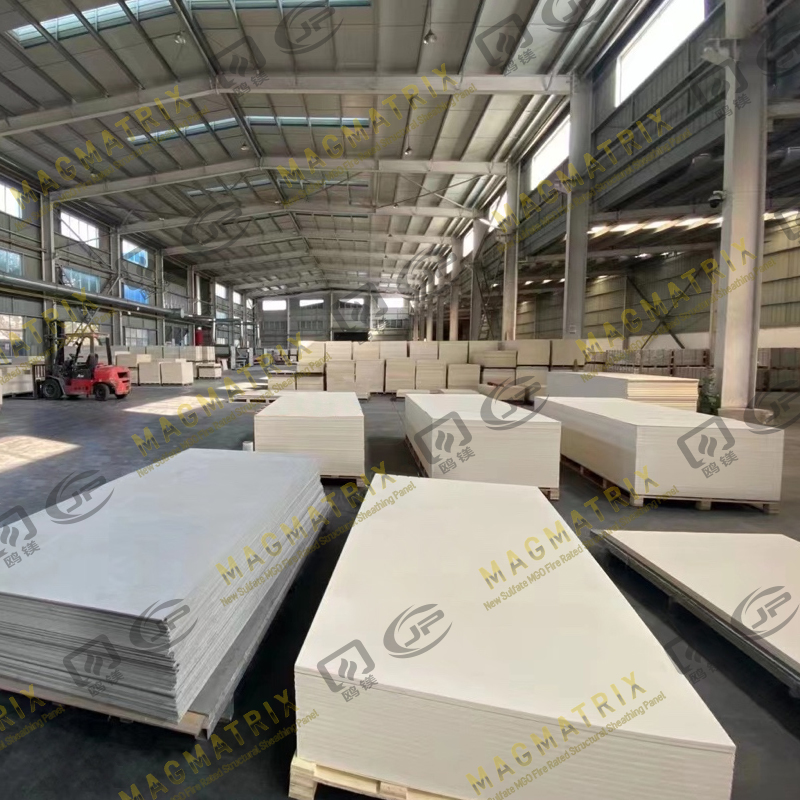 Magnesium Oxide Sheathing Board for Fire-Rated Bamboo EnclosuresThis non-combustible MGO board provides a dimensionally stable substrate for bamboo elements in fire-rated assemblies, resisting mold and supporting plaster, tile, or rain-screen finishes.View Product →
Subfloor and floor underlayment
Bamboo flooring is growing in popularity, but a bamboo floor is only as good as the subfloor underneath it. A moisture-resistant, high-density subfloor panel keeps the floor level and helps prevent the squeaks and soft spots that can appear in plywood after humidity cycles.
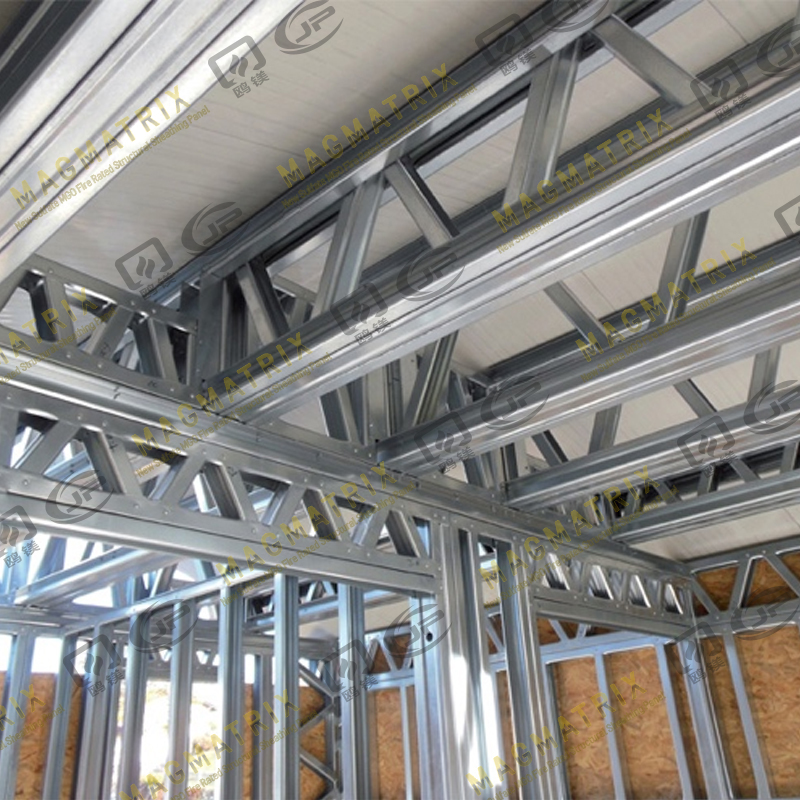 MGO Subfloor Panel for Moisture-Resistant Bamboo Flooring SupportA high-density magnesium oxide subfloor panel that keeps bamboo floors level and prevents squeaks or soft spots, offering moisture and mold resistance for humid climates.View Product →
For tile installations, the underlayment also needs dimensional stability so grout lines stay fixed and tiles do not crack. MGO underlayment panels are a practical choice in kitchens, bathrooms, and commercial spaces where bamboo is used only as a decorative accent.
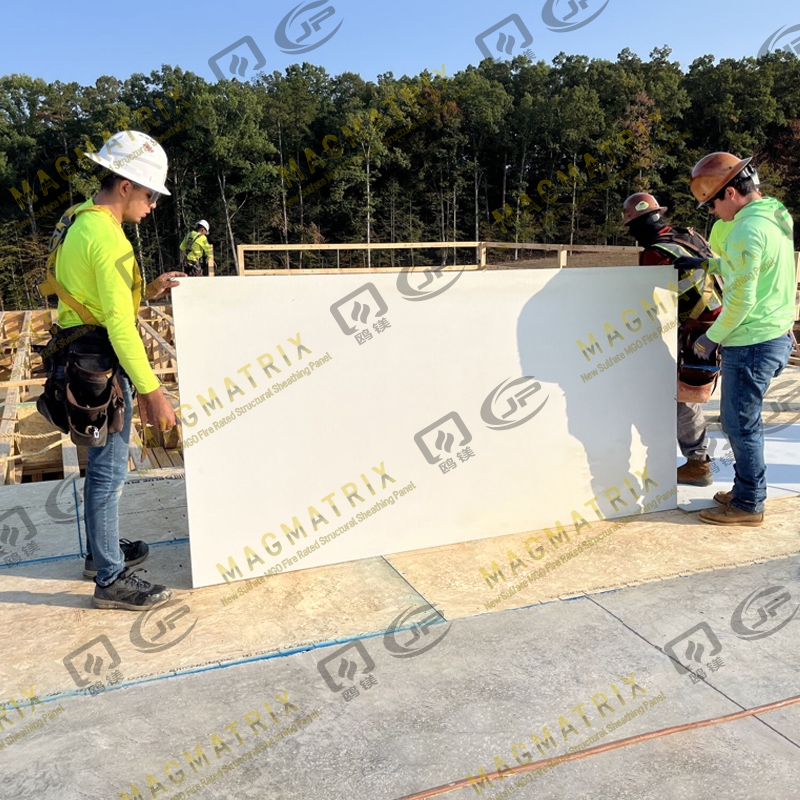 MagMatrix MgO Underlayment Panel for Tile and Bamboo AccentsEngineered for multifamily projects, this MgO underlayment provides fire resistance, sound insulation, and dimensional stability, making it a reliable base for tile installations and decorative bamboo.View Product →
Bottom Line
Bamboo deserves its place as a renewable, lightweight, and surprisingly strong building material. But it is also a material with clear boundaries. In fire-rated walls, wet floors, and high-moisture enclosures, bamboo needs the support of an engineered panel that has been tested for the specific risk. By evaluating bamboo side by side with panels such as MGO board, you can make a decision that is both environmentally thoughtful and structurally realistic.



 English
 русский
 Español
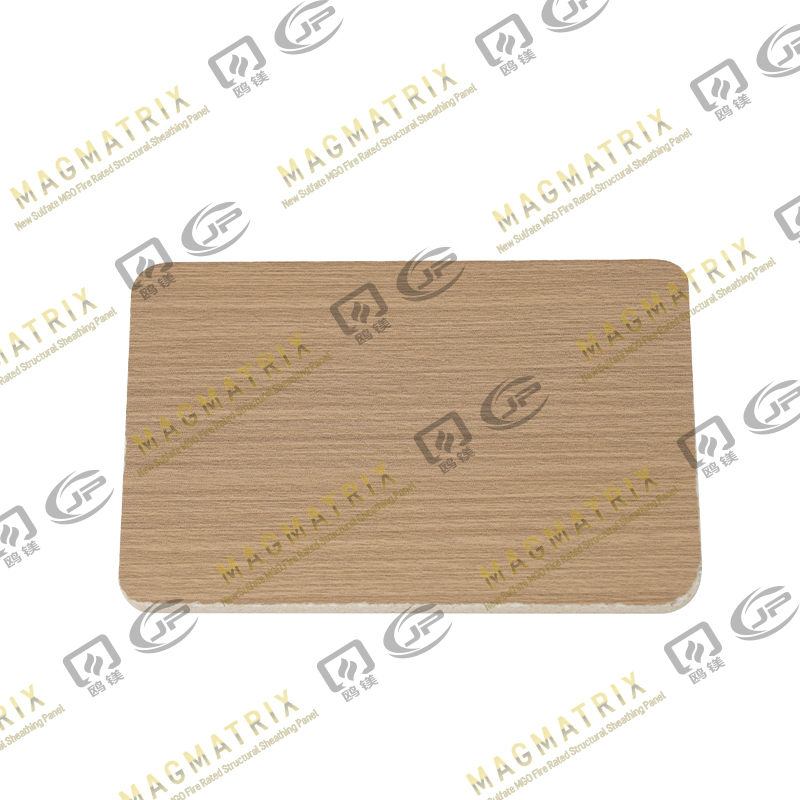
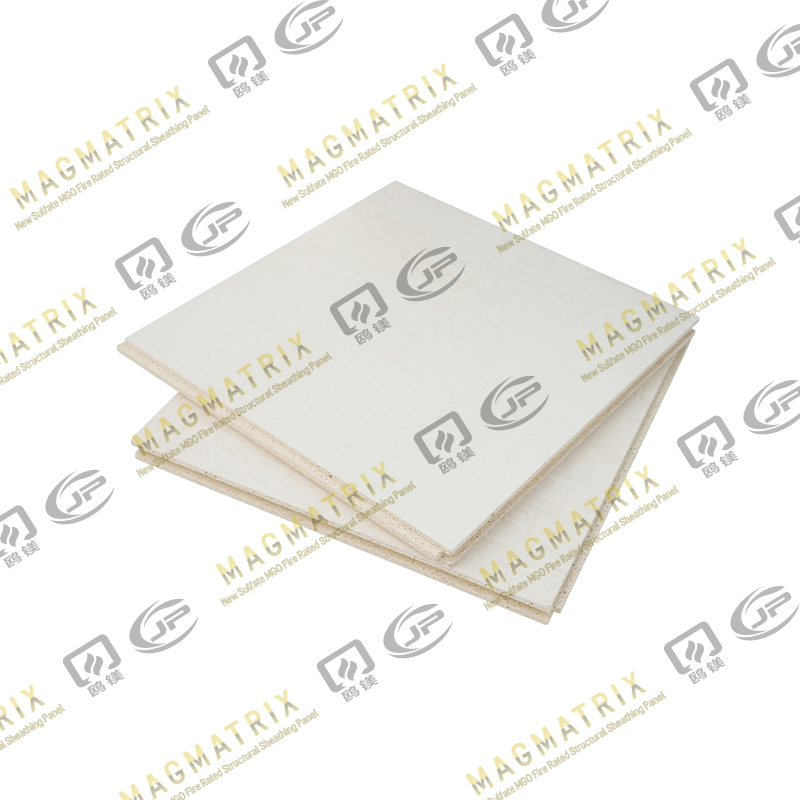
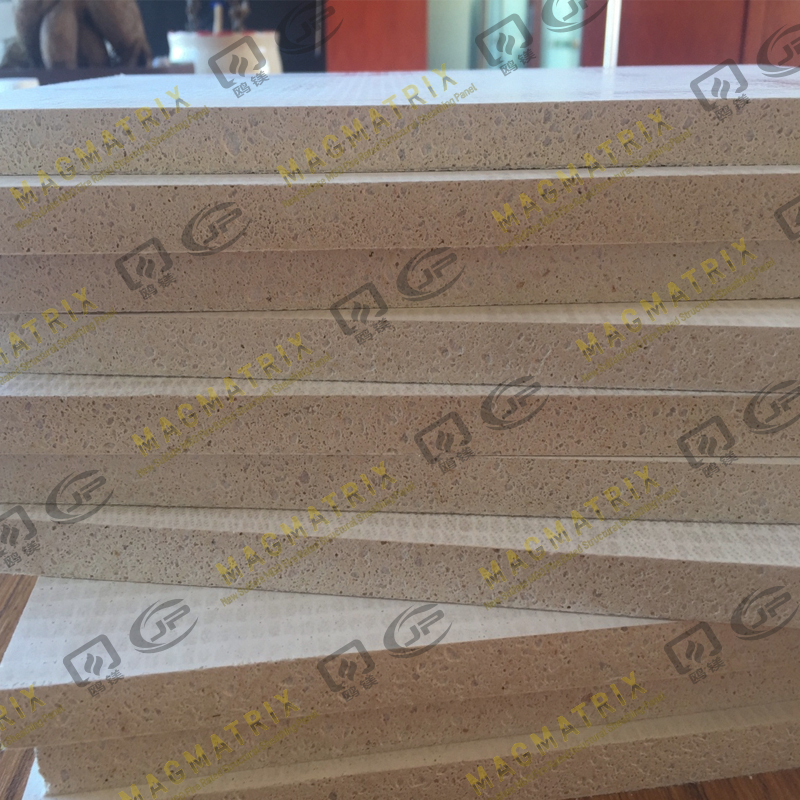 BMSC 517 New Sulfate MgO Board
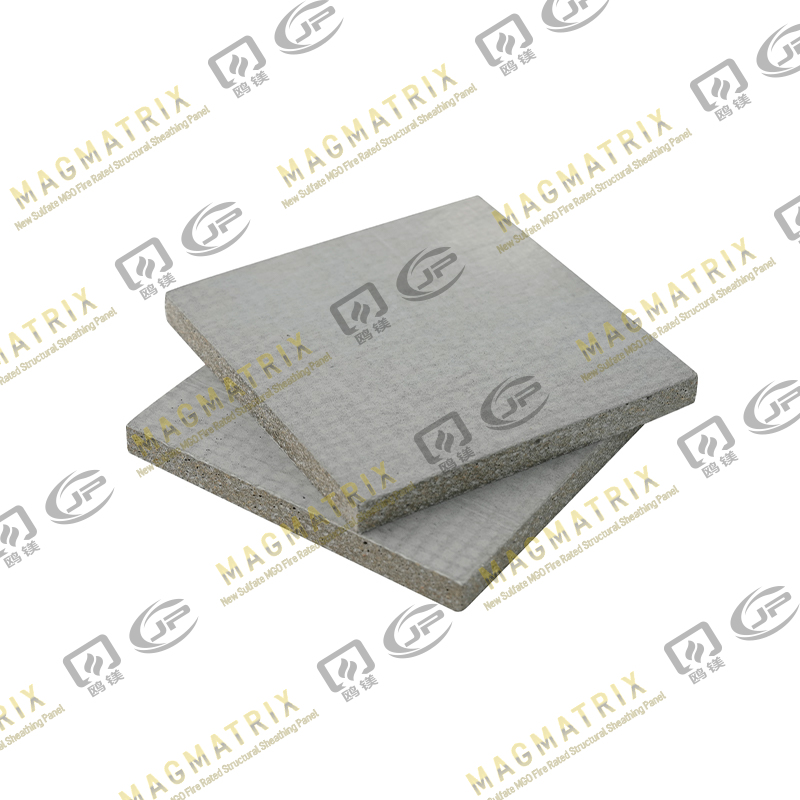 Multi-Support MgO Wall Sheathing Board
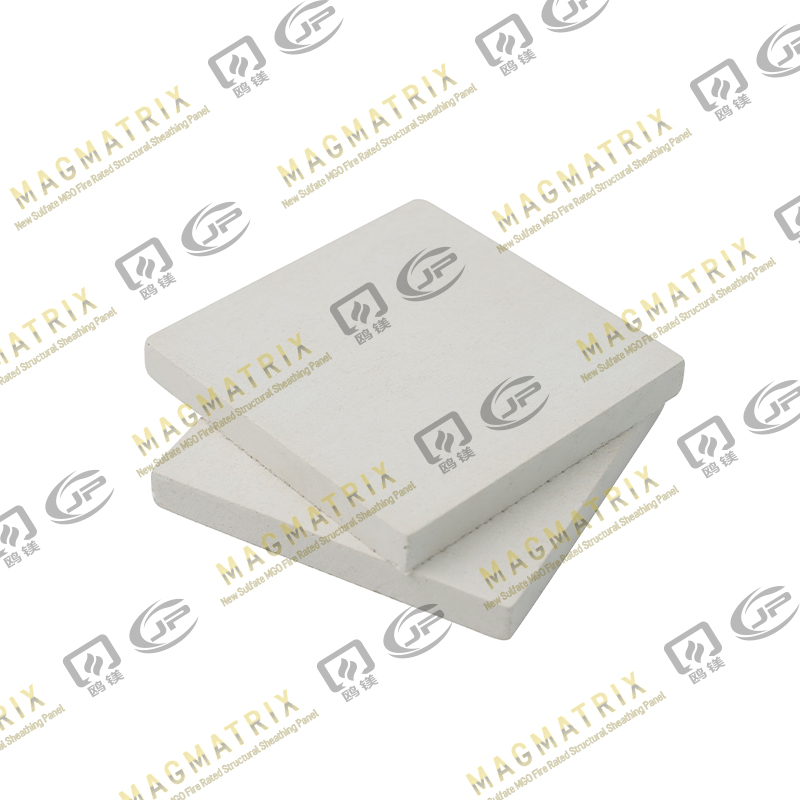 Perseverance MgO Wall Sheathing Board
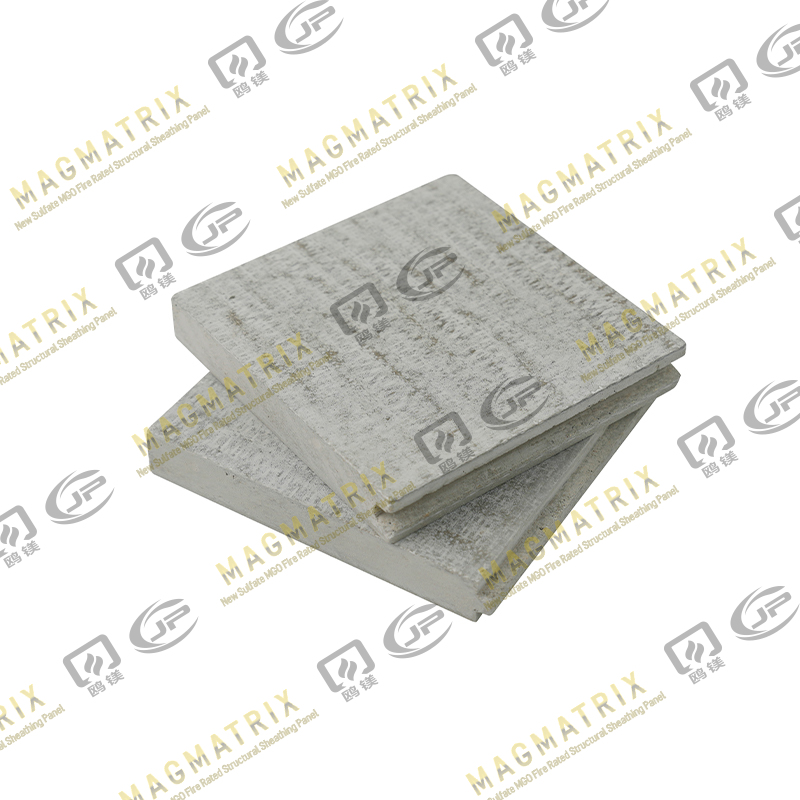 Multi-Support MgO Subfloor Sheathing Board
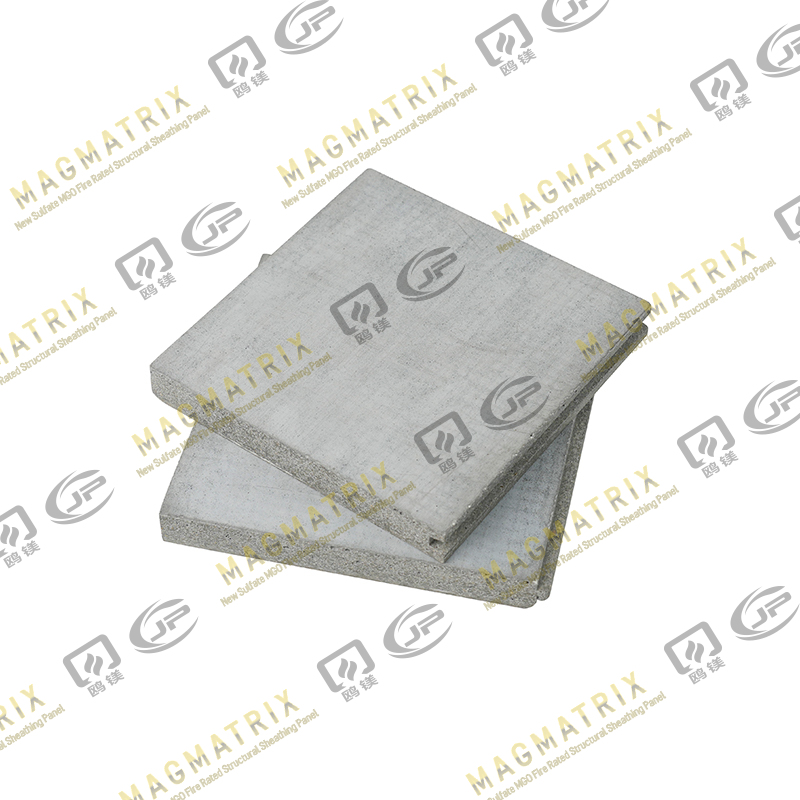 Perseverance MgO Subfloor Sheathing Board
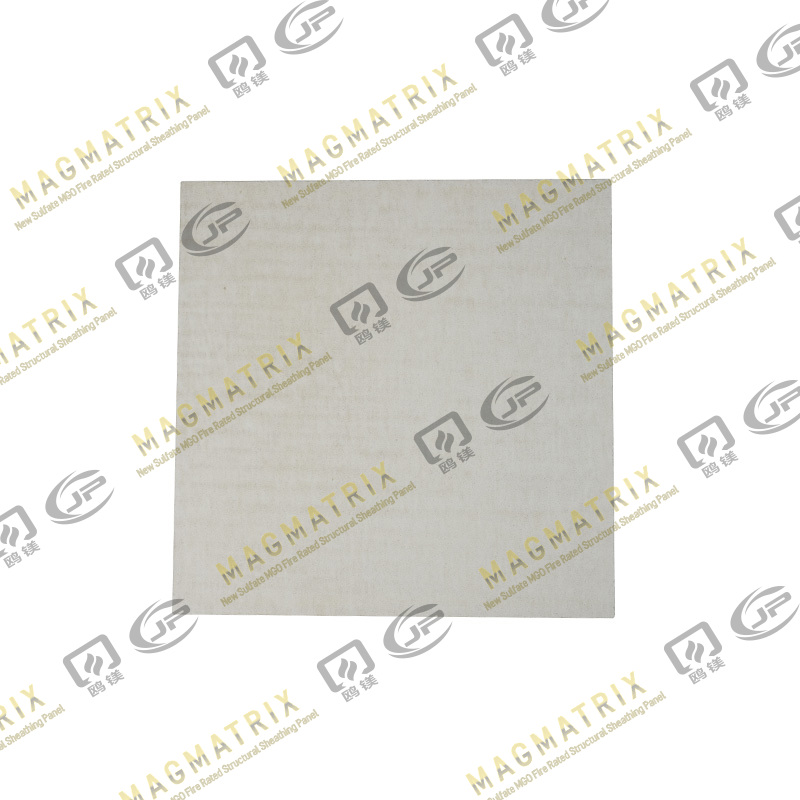 MagMatrix MgO Underlayment Panel/board