One Panel, Every Layer
Most building materials have one job. MgO panels have many. A single overview of MgO board features, benefits, and applications reveals a material that shows up everywhere in a modern build—under the floor, behind the cladding, between framing members, and on finished interior walls. That kind of range is rare, and it comes down to chemistry: magnesium oxide is inherently non-combustible, dimensionally stable, and moisture-resistant without any added treatment.
This article walks through exactly where MgO panels perform best and why, from the structural base layer up to the decorative surface finish.
Subfloor: Where Performance Starts
The subfloor is the first layer above the joists, and failures here—warping, mold, fire spread—propagate upward through every finish layer. Traditional plywood and OSB are combustible and degrade under sustained moisture exposure. MgO panels used as subfloor sheathing address both problems in one move.
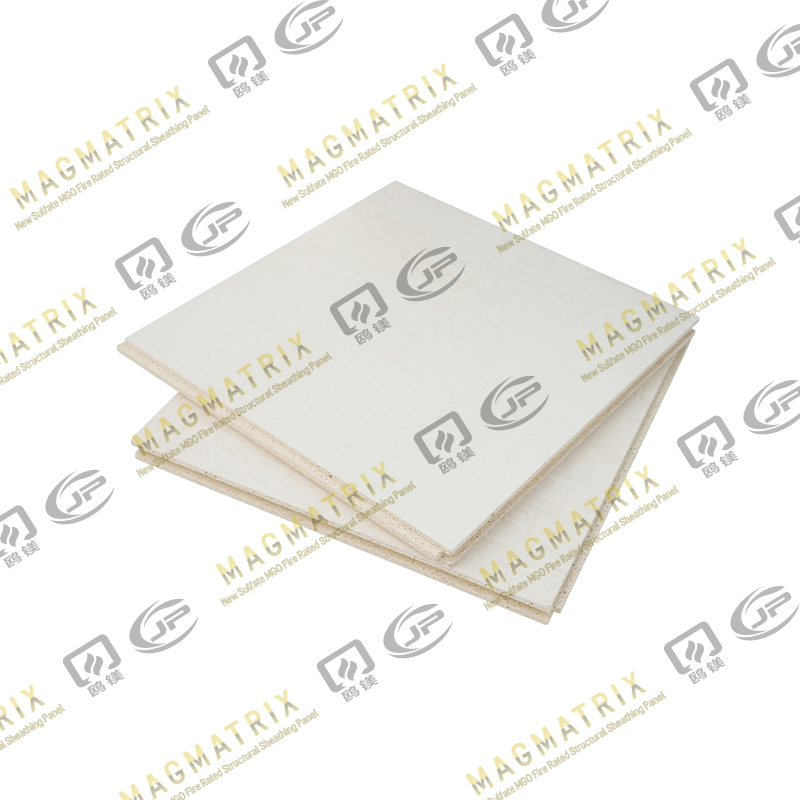
A standard 3/4" (19mm) MgO subfloor panel provides structural support comparable to plywood at standard 24-inch joist spacing, while also meeting ASTM E136 noncombustible requirements. Unlike fire-retardant-treated wood, MgO panels char rather than burn under direct flame exposure and hold their structural integrity throughout. They can also be installed before the roof or upper floor is complete—rain and weather during the construction sequence will not damage them, which saves schedule time on multifamily and commercial projects.
For projects requiring certified fire performance, the MgO subfloor sheathing board range includes options rated under EN 13501-1 Class A1 FL and ASTM E84, making code compliance straightforward across both North American and European markets.
Underlayment: The Transition Layer
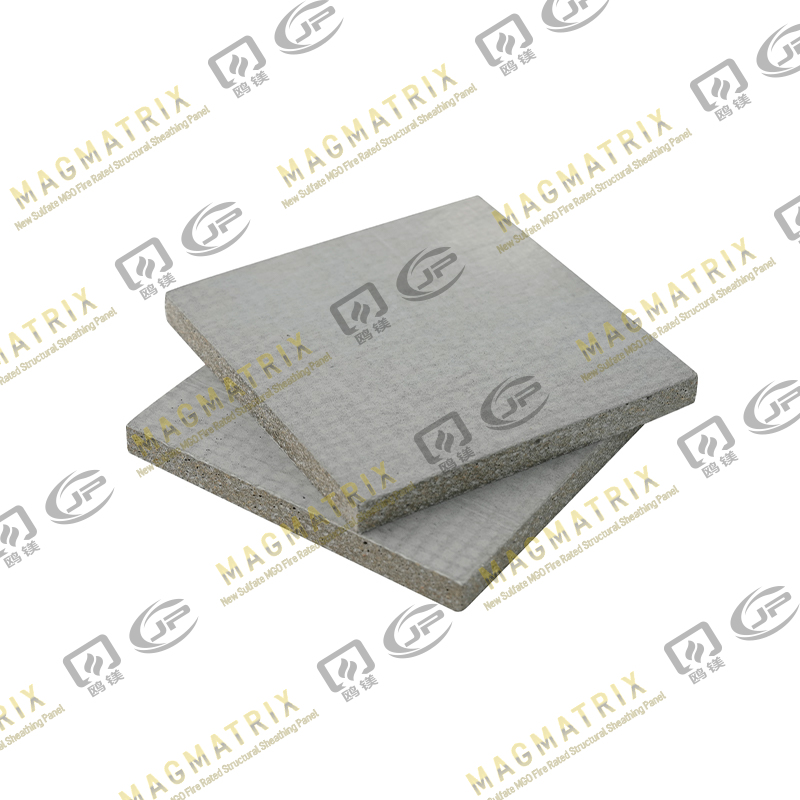
Between the structural subfloor and the final floor covering sits the underlayment—a layer whose job is flatness, sound reduction, and moisture isolation. MgO underlayment panels deliver a smooth, consistent surface that accepts tile, luxury vinyl plank, hardwood, and carpet without requiring additional leveling compounds.
Sound performance is worth calling out specifically. MgO's density contributes meaningfully to both STC (sound transmission class) and IIC (impact insulation class) ratings in floor-ceiling assemblies. For multistory residential and hospitality projects, that matters. The MgO underlayment panel also handles high-humidity zones—bathrooms, laundry rooms, kitchens—without the swelling or mold growth that plagues gypsum-based underlayment products.
Wall Sheathing: Structural and Fire-Rated in One Layer
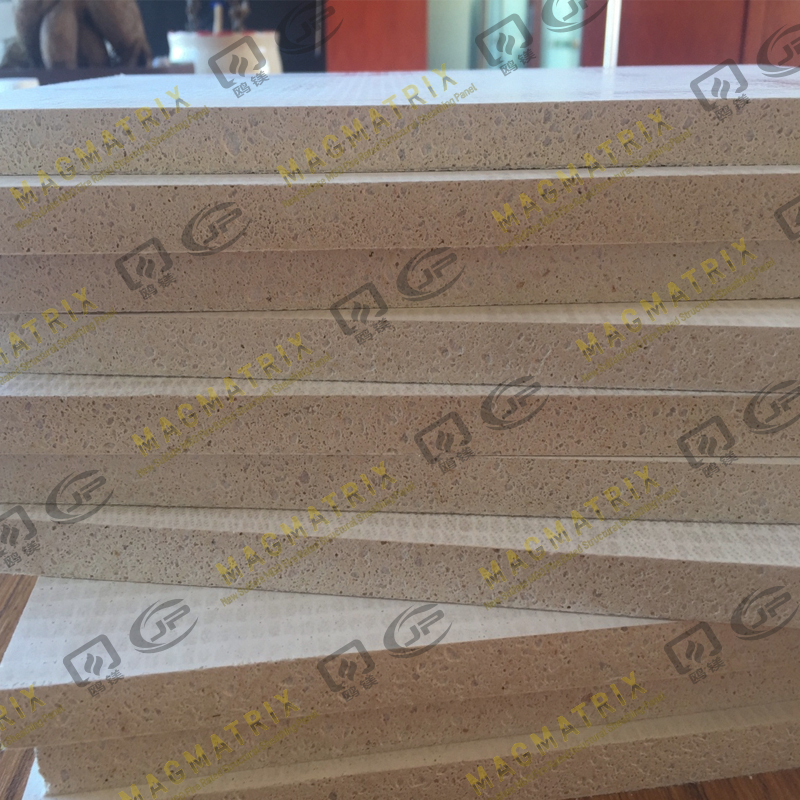
On the wall plane, MgO panels function as structural sheathing on both wood-frame and steel-frame assemblies. The key advantage over OSB or plywood sheathing is the fire rating: MgO wall sheathing panels achieve 1- and 2-hour fire-rated wall assemblies per ASTM E119, meeting ICC/IBC Type I and II noncombustible construction requirements without adding separate fire-resistant layers.
This matters in practice because it simplifies the wall assembly. One panel handles racking resistance, weather-resistive backing, and fire performance simultaneously—reducing material count, installation labor, and the coordination required between trades. The MgO wall sheathing board installs over wood or steel studs using standard fasteners and accepts most exterior cladding systems directly over the panel surface.
For exterior applications, MgO sheathing's resistance to moisture absorption is a structural advantage. Unlike OSB, it does not swell at panel edges when wet and maintains its screw-holding strength through repeated wet-dry cycles—critical for buildings in coastal or high-humidity climates.
Interior Design: Fire-Safe Aesthetics
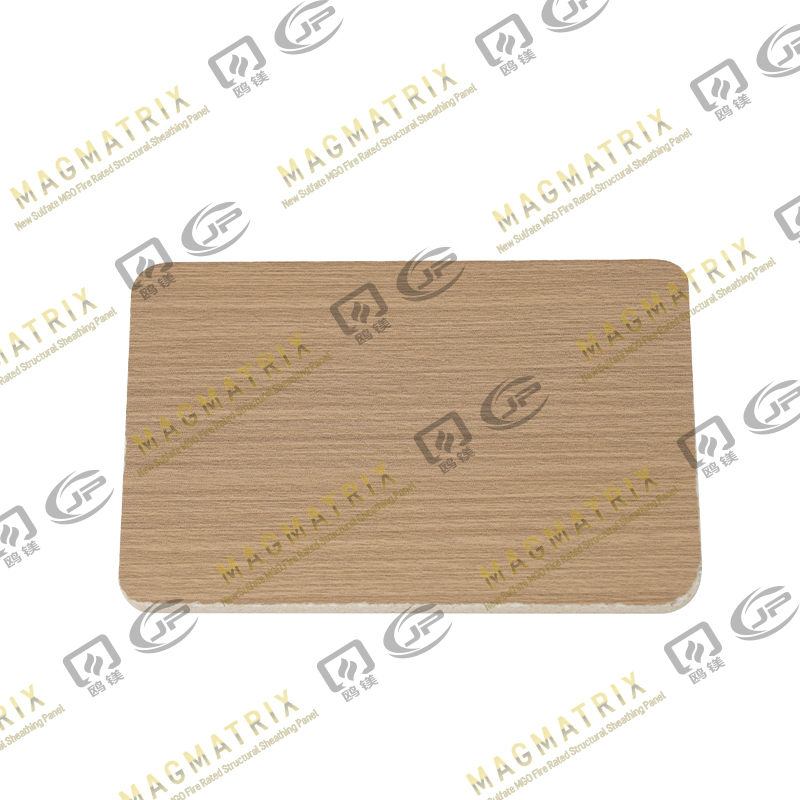
The same material performing structural duty in the floor and wall assemblies can also appear on finished interior surfaces. MgO backer boards accept direct lamination of decorative veneers, high-pressure laminates, and surface coatings, giving designers a fire-resistant substrate that does not sacrifice surface quality.
In spaces where codes require non-combustible finishes—corridors, stairwells, healthcare facilities, transit infrastructure—an MgO backer board for fire-retardant decorative lamination meets the fire performance requirement while supporting the visual intent of the design. The panels are formaldehyde-free and emit no VOCs, which matters in occupied buildings where indoor air quality is a project criterion.
MgO decorative panels are also fully paintable and can be scored and snapped to size on site without specialty tooling—making them practical to detail and finish.
The Common Thread: Why MgO Works Across All These Applications
What makes a single material category viable from subfloor to finished wall is a combination of properties that few traditional building materials share simultaneously: non-combustibility, moisture resistance, dimensional stability, and workability. MgO panels do not burn, do not warp when wet, do not grow mold, and can be cut with standard circular saws.
The environmental profile adds another dimension. MgO boards are manufactured at lower temperatures than Portland cement products, carrying a meaningfully smaller carbon footprint—relevant for projects targeting LEED, BREEAM, or other green building certifications.
For contractors, specifying a single panel system across multiple building layers simplifies procurement, reduces the number of product approvals required, and creates a consistent installation process across the site. For owners and occupants, the result is a building envelope that is safer, more durable, and lower maintenance over its service life.



 English
 русский
 Español
 BMSC 517 New Sulfate MgO Board
 Multi-Support MgO Wall Sheathing Board
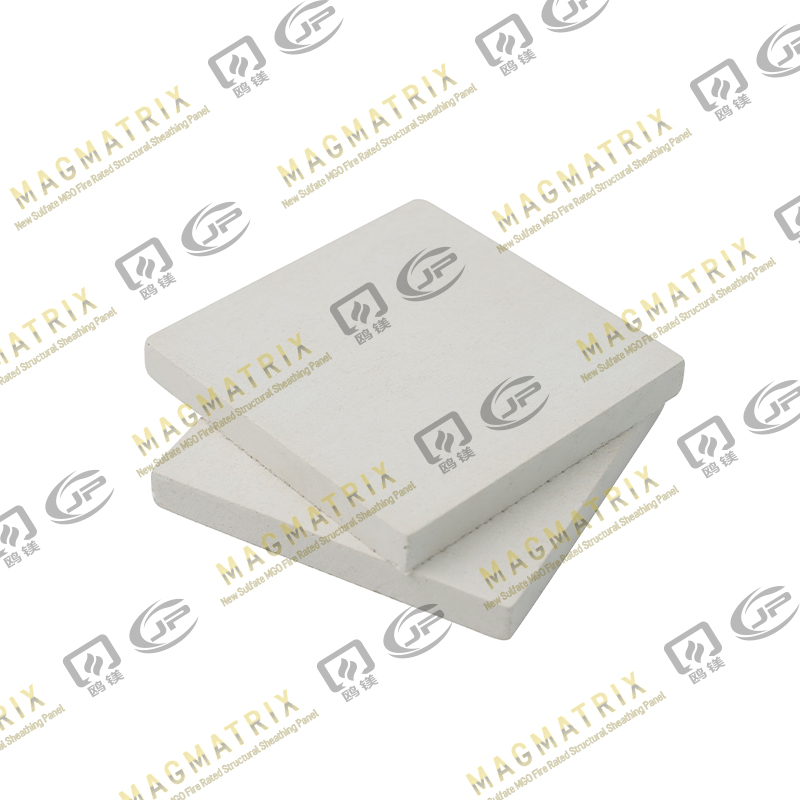 Perseverance MgO Wall Sheathing Board
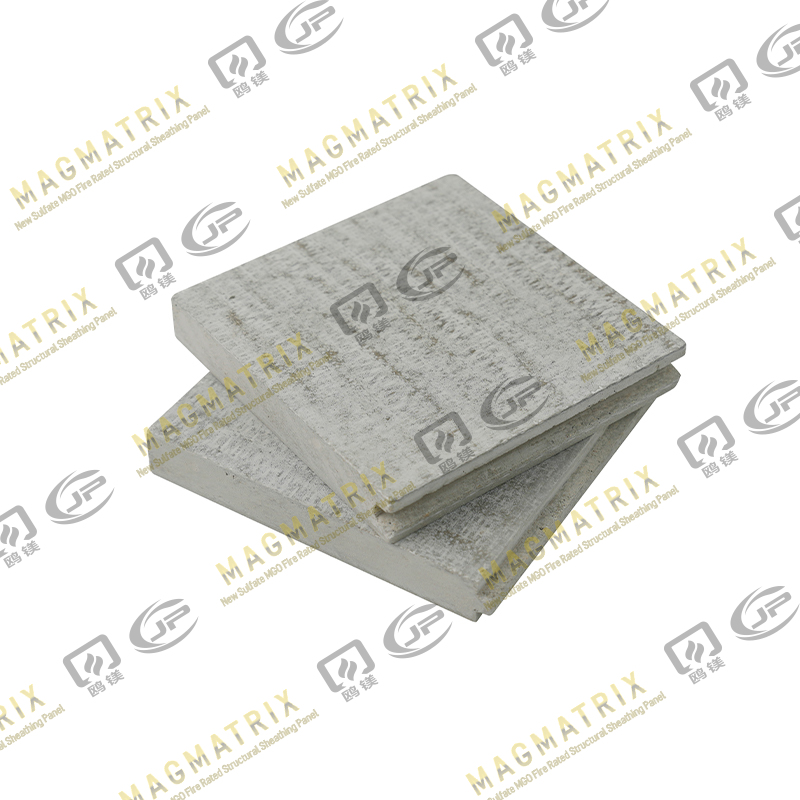 Multi-Support MgO Subfloor Sheathing Board
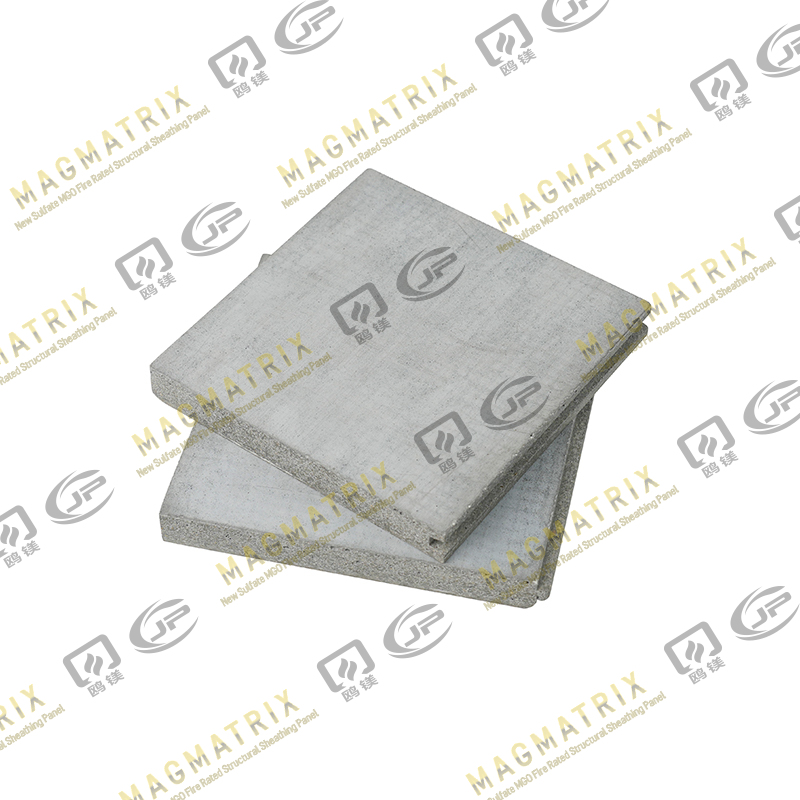 Perseverance MgO Subfloor Sheathing Board
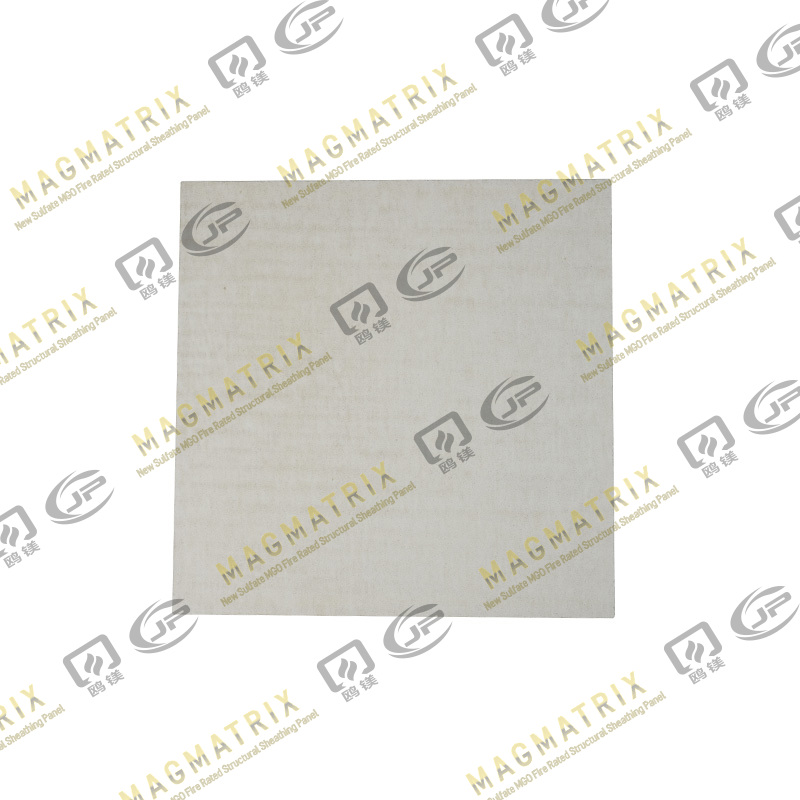 MagMatrix MgO Underlayment Panel/board