Drywall soaks up water. Plywood burns. Neither is non-combustible. Yet for decades, these two materials have dominated wall assemblies — largely by default. MgO (magnesium oxide) wall sheathing boards are changing that calculus, and contractors, architects, and code officials are taking notice.
What MgO Board Actually Is
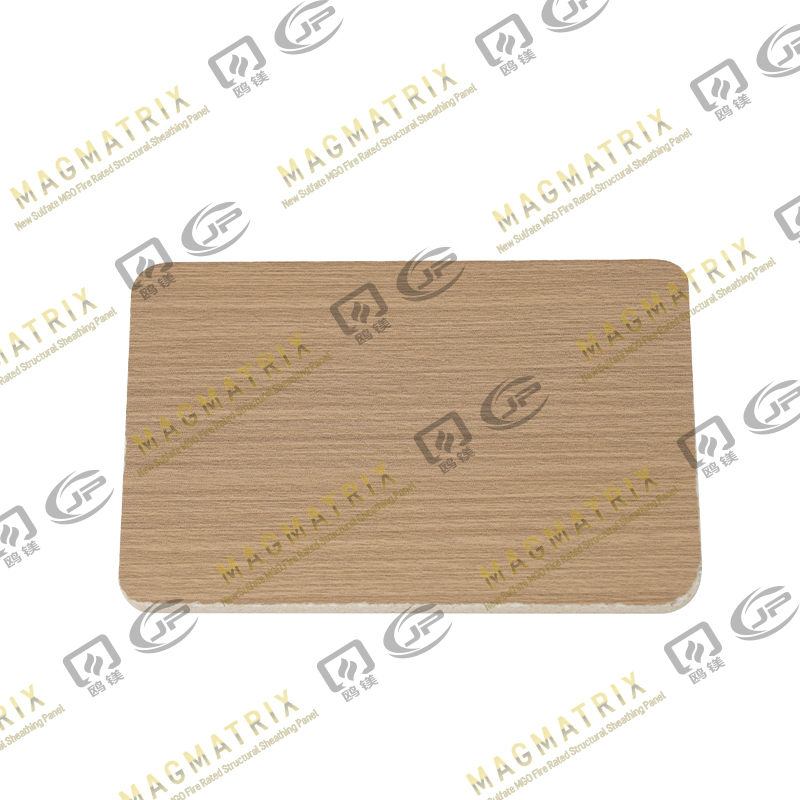
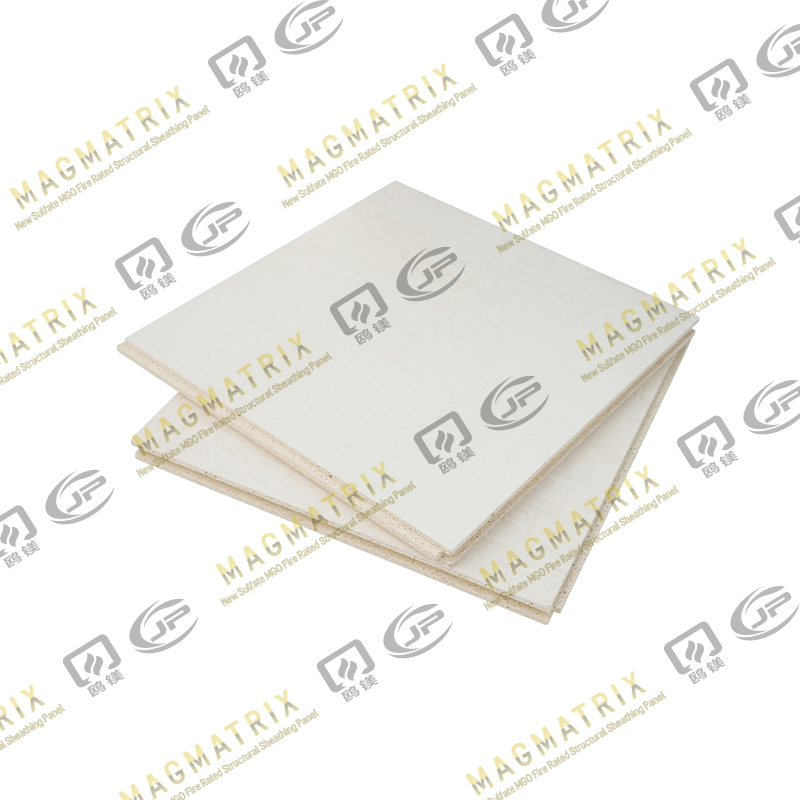
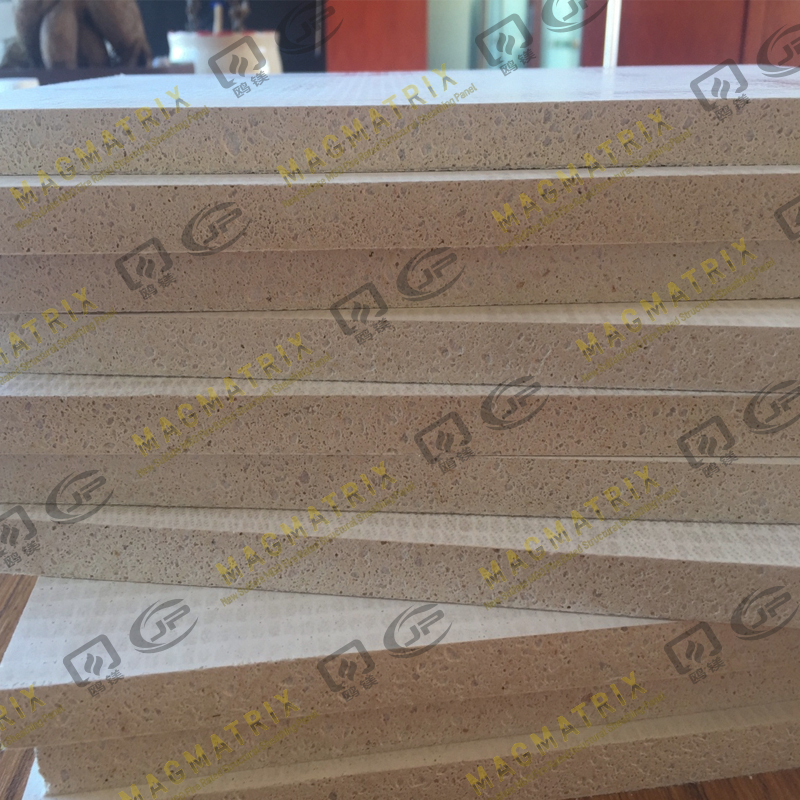
MgO board is a mineral-based panel made primarily from magnesium oxide, magnesium sulfate (or chloride), cellulose fibers, and perlite, reinforced with layers of high-tensile fiberglass mesh. The result is a dense, inert composite that shares none of the organic vulnerabilities of wood or gypsum. Its binder — magnesium oxide — is an abundant natural mineral requiring significantly less energy to process than Portland cement, which puts it ahead on sustainability metrics before construction even begins.
Modern sulfate-formula boards (such as the MagMatrix MgO wall sheathing board line) have largely resolved earlier issues with chloride-based formulations, including the moisture-seeping and corrosion concerns that gave some older MgO products a mixed reputation.
Fire Resistance: Where MgO Has No Peer
Gypsum drywall slows fire through a process called calcination — water locked in the core converts to steam, buying time. Once that water is spent, the panel crumbles. Plywood, unless fire-retardant treated, simply burns and contributes to fire load.
MgO board is a different category entirely. It is non-combustible per ASTM E136 and classified A1 under European standard EN 13501-1. In ASTM E84 testing, leading sulfate MgO panels record 0 flame spread and near-zero smoke development — even at temperatures up to 1,200°C. The Perseverance model from Jinpeng Group's MagMatrix brand has completed 2-hour load-bearing fire tests with steel stud walls at the Intertek San Antonio laboratory, qualifying for use in IBC Type I and II noncombustible construction.
For high-occupancy buildings — schools, hospitals, multi-family residential — this is not a marginal improvement. It is a structural category shift.
Moisture Resistance: The End of the Mold Problem
Standard drywall has a documented weakness that every contractor knows: get it wet and it fails. Gypsum absorbs water readily, loses structural integrity, and becomes an ideal substrate for mold growth. Even moisture-resistant "green board" is not waterproof.
Plywood performs better in dry conditions, but exterior grades still absorb water into wood fibers over time, leading to swelling, rot, and eventual delamination — particularly in humid or flood-prone climates.
MgO board's inorganic mineral composition gives it a water absorption rate of approximately 0.34% — essentially negligible. It does not swell, warp, or delaminate when wet. More importantly, its chemistry provides no organic substrate for mold or fungal growth, making it the material of choice for bathrooms, kitchens, basements, and any exterior-facing application. See how MgO sheathing compares in detail across moisture, fire, and durability categories.
Structural Performance: Matching Plywood, Beating Drywall
One concern contractors raise is whether MgO board can carry structural loads. The short answer: yes, for wall sheathing applications. Four-layer fiberglass-reinforced MgO panels achieve bending strength exceeding 22 MPa and impact strength above 38 MPa. The Multi-Support model meets racking shear requirements for Types III, IV, and V construction; the Perseverance model qualifies for Types I and II.
Standard drywall contributes essentially no shear strength to a frame — it is a finish surface, not a structural element. MgO sheathing replaces both the structural sheathing and the fire-rated layer, which is where significant labor and material savings emerge on commercial projects.
The dimensional stability is also noteworthy: MgO boards undergo 50 freeze-thaw cycles with less than 0.5% loss of mechanical strength, well within the 18% allowable threshold. That means the panel installed today performs essentially the same after decades of thermal cycling.
Cost: Higher Upfront, Lower Over Time
MgO board carries a higher per-sheet material cost than standard drywall and is broadly comparable to exterior-grade plywood, depending on specification. The honest comparison, however, has to be lifecycle-based.
Relative performance comparison across key categories
| Category |
MgO Wall Sheathing |
Drywall (Gypsum) |
Plywood |
| Fire Resistance |
Non-combustible (Class A1 / ASTM E136) |
Fire-slowing (calcination) |
Combustible (FRT treatment needed) |
| Moisture Resistance |
~0.34% absorption; mold-proof |
Poor; mold-prone when wet |
Moderate; varies by grade |
| Structural Shear |
Yes (code-rated assemblies) |
No |
Yes |
| Harmful Chemicals |
None (no formaldehyde, asbestos, VOCs) |
Low (some additives) |
Often contains formaldehyde adhesives |
| Maintenance |
Very low |
Moderate (repairs common) |
Moderate (requires sealing/treatment) |
| Upfront Cost |
Higher |
Lowest |
Moderate to High |
In moisture-prone or fire-critical applications, the elimination of mold remediation, mold-related demolition, and re-framing costs routinely offsets the premium on MgO board within a single incident. In multi-family residential, the ability to achieve fire-rated assemblies without multiple layers of specialty drywall simplifies the installation schedule substantially.
Installation: Familiar, With Minor Adjustments
MgO board installs much like drywall. Panels can be scored and snapped, though carbide-tipped blades are recommended for power cutting to preserve edge quality. Fastening follows standard screw spacing used for structural sheathing, with corrosion-resistant screws specified for wet or exterior applications. Joints are taped and finished with compatible joint compound in the same sequence as drywall.
The main practical difference is weight — MgO panels are denser than drywall of equivalent thickness, often requiring two installers for large sheets or ceiling work. Dust management is also recommended during cutting. For detailed installation guidance, see the step-by-step exterior wall installation guide for MgO panels.
Environmental Credentials
MgO board contains no formaldehyde, no asbestos, and no volatile organic compounds — shortcomings associated with many wood-based panel adhesives and some older drywall additives. Magnesium oxide is sourced from abundant natural mineral deposits, and the sulfate-based manufacturing process produces fewer CO₂ emissions than Portland cement production. The boards are also recyclable at end of life, unlike standard drywall, which represents a significant portion of construction landfill waste in most markets.
For projects pursuing green building certification or net-zero targets, why architects choose MgO boards for net-zero building projects is worth reviewing before specification.
Where MgO Makes the Most Sense
MgO wall sheathing is not always the right answer for every surface in every building. Standard drywall remains cost-competitive for low-risk interior partitions in dry environments. Plywood retains a role where panel flexibility and fastener compatibility matter for specific assemblies.
But for exterior wall sheathing, fire-rated assemblies, high-humidity zones, coastal climates, multi-family and commercial projects subject to IBC noncombustible construction requirements, and any application where long-term moisture exposure is plausible — MgO is increasingly difficult to argue against. The full range of MagMatrix MgO wall sheathing panels covers both structural and non-structural applications with certified fire ratings from 1 to 4 hours.
The shift away from drywall and plywood in these contexts is not a trend. It is a response to performance data that has been accumulating in test labs and real-world installations for more than a decade.



 English
 русский
 Español
 BMSC 517 New Sulfate MgO Board
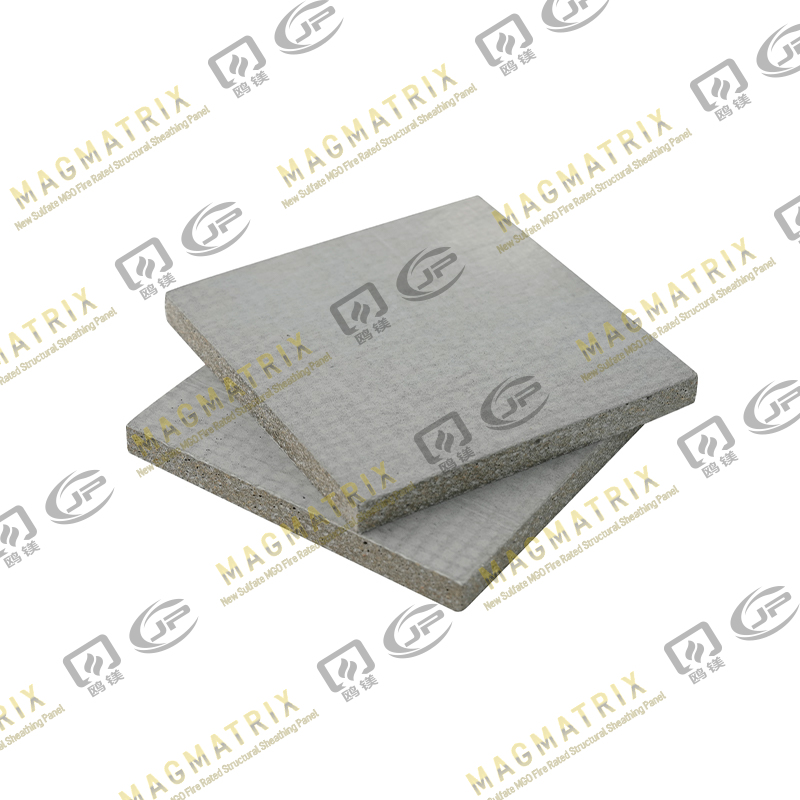 Multi-Support MgO Wall Sheathing Board
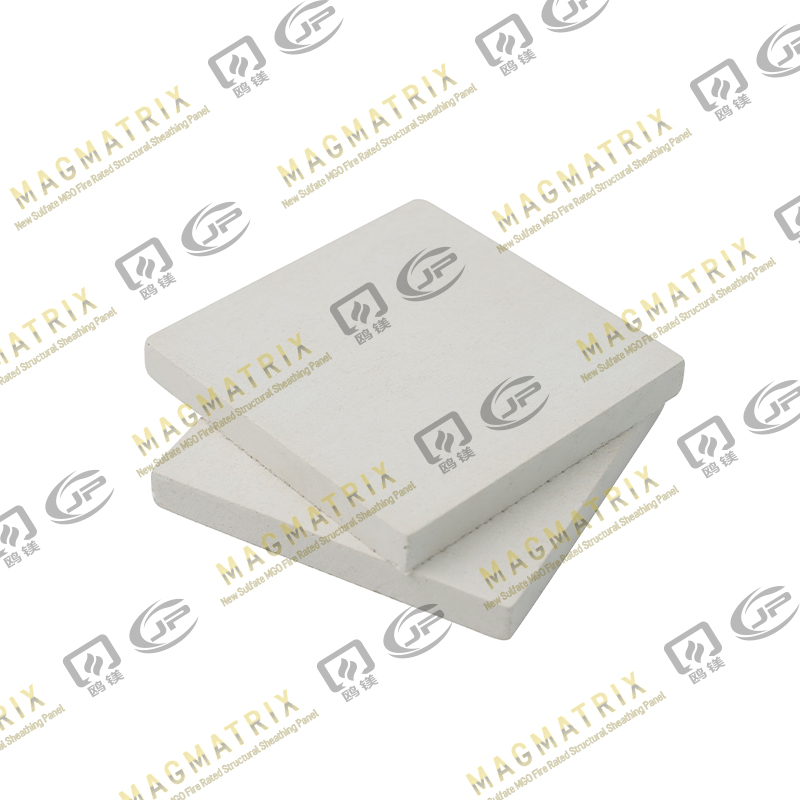 Perseverance MgO Wall Sheathing Board
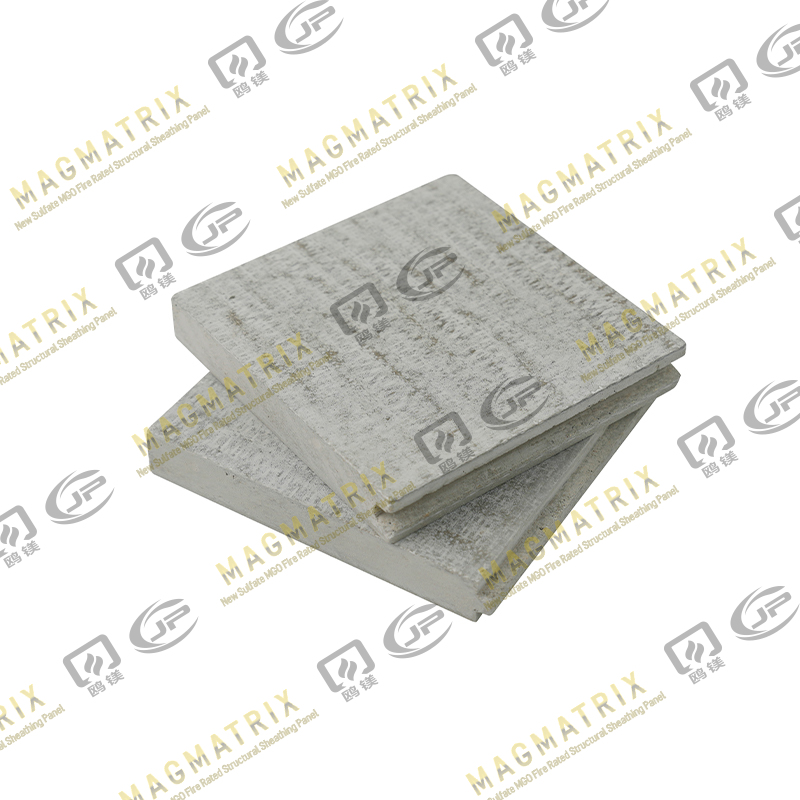 Multi-Support MgO Subfloor Sheathing Board
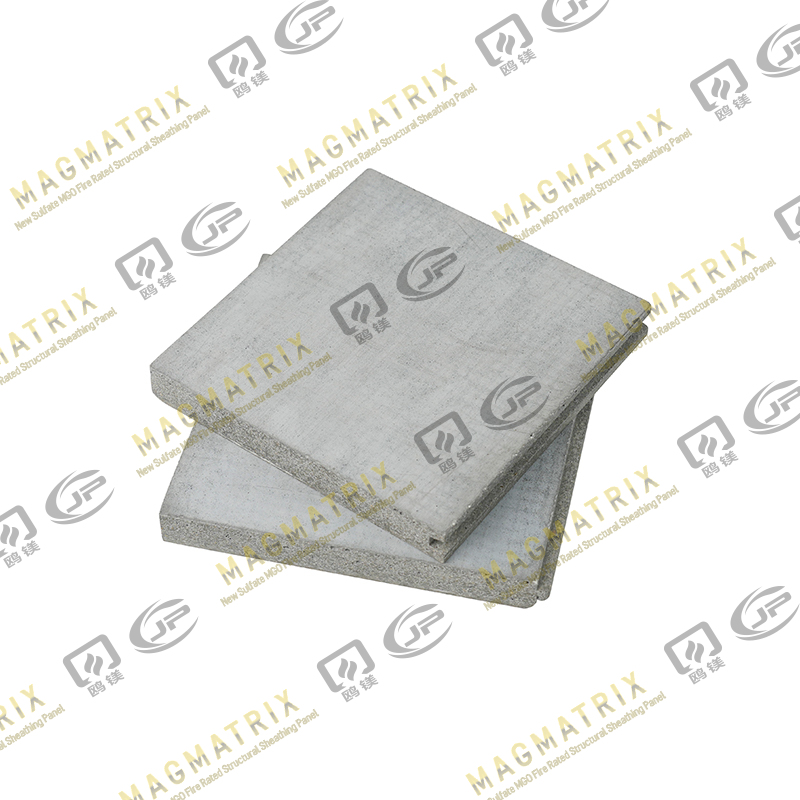 Perseverance MgO Subfloor Sheathing Board
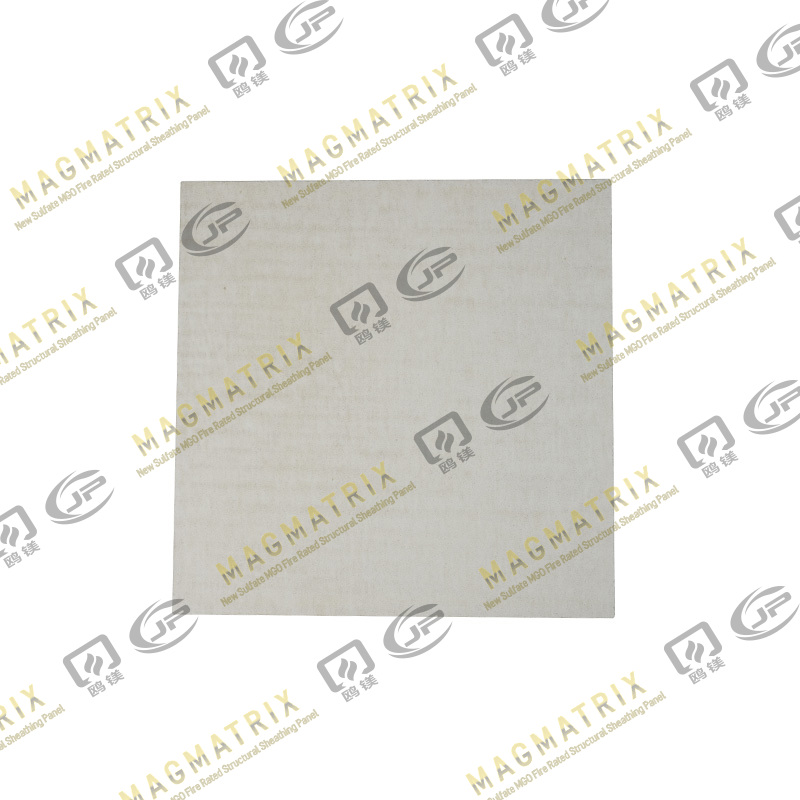 MagMatrix MgO Underlayment Panel/board