What Are MGO Boards and How Are They Made?
Magnesium oxide (MGO) boards are inorganic, mineral-based panels engineered from a carefully balanced combination of magnesium oxide, magnesium sulfate or magnesium chloride, and reinforced fiberglass mesh. The result is a dense, dimensionally stable panel that outperforms conventional building materials — including gypsum board, OSB, plywood, and fiber cement — across nearly every performance category that matters in modern construction.
Not all MGO boards are created equal, however. The earlier generation of boards used magnesium chloride as the binding agent, which carried the well-documented risk of chloride migration — causing corrosion in steel fasteners and moisture-related swelling under humid conditions. The industry has since evolved significantly. Advanced sulfate-based formulations, such as the BMSC 517 New Sulfate MgO Board developed by Jiangsu Jinpeng Fireproof Board Co., Ltd., eliminate chlorine entirely from the board's inner crystal structure. This breakthrough not only extends the service life of the panel but also makes it safer for use in all building types — including those requiring compliance with the strictest international building codes.
Jiangsu Jinpeng Fireproof Board Co., Ltd., headquartered in the High-Tech Industrial Park of Taixing, Jiangsu Province, was established in 2015 with a total investment of 200 million yuan and operates across a 100,000-square-meter manufacturing facility. Through its MagMatrix brand, the company collaborates with research teams from leading Chinese universities to continuously advance magnesium sulfate board technology — setting new benchmarks for performance, safety, and environmental responsibility.
Unmatched Fire Resistance: The Science Behind the Performance
The central reason MGO boards are reshaping fire-resistant construction is their extraordinary, chemically inherent non-combustibility. Unlike wood-based panels that ignite rapidly or gypsum boards that progressively lose structural integrity under heat, magnesium oxide remains thermally stable even at extreme temperatures. Independent fire tests confirm that MGO boards can withstand temperatures exceeding 1,200°C without structural failure, combustion, or flame propagation.
This performance is verified through the most rigorous international testing standards in the industry. MGO boards achieve a Flame Spread Index (FSI) of zero under ASTM E84/UL 723, meaning fire does not travel across the panel surface. They meet ASTM E136 noncombustible classification — the highest achievable rating under North American building codes — and are categorized as Class A1 under EN 13501-1, the European standard for reaction to fire. The MagMatrix MgO Wall Sheathing Board range, including the Perseverance Model, holds Intertek CCRR Certification confirming ASTM E136 compliance, making it directly applicable to ICC and IBC Type I through Type V construction classifications.
What makes the fire performance genuinely distinctive is the mechanism at work during a fire event. MGO boards release water vapor as they are exposed to heat — up to 30 lbs. of water vapor per panel — which actively cools the surrounding area and helps contain fire spread. This is a passive fire protection function built into the material itself, requiring no chemical treatment, coating, or maintenance. For multi-family residential buildings, hospitals, schools, and commercial towers, this means fire-rated wall assemblies of 1, 2, 3, or even 4 hours can be achieved with fewer layers of material, simplifying construction and reducing overall project cost.
Dubai, a market with some of the world's toughest post-2012 fire regulations, has seen MGO board imports rise sharply as building authorities tighten non-combustibility requirements for high-rise facades and interior assemblies. This adoption pattern reflects a broader global shift: as urban density increases, the demand for materials that are demonstrably non-combustible — not merely fire-retardant — has never been higher.
Beyond Fire: Moisture, Mold, and Structural Durability
Fire resistance alone does not explain the growing adoption of MGO boards. The material's complete resistance to moisture and biological degradation addresses one of the costliest and most persistent problems in building construction: the silent, long-term damage caused by water intrusion.
Traditional gypsum drywall acts like a sponge in humid environments. Once moisture penetrates the paper liner, mold colonies can establish within 24 to 48 hours, leading to respiratory hazards, structural weakening, and expensive remediation. OSB and plywood face similar vulnerabilities — prolonged exposure causes swelling, delamination, and loss of fastener holding strength. MGO boards, being fully inorganic, provide no food source for mold, mildew, or fungi, and will not swell, warp, or rot even after sustained water exposure.
This durability is especially critical in wet-area applications — bathroom surrounds, exterior sheathing, basement walls, and coastal or tropical climates where humidity levels remain consistently high. The boards maintain dimensional stability across freeze-thaw cycles and can be re-dried without warping, a property verified through 36-month freeze-thaw testing protocols. Bending strength for advanced sulfate MGO panels ranges between 18–21 MPa, with a density of 1,200–1,400 kg/m³, giving them structural rigidity that rivals fiber cement while remaining significantly lighter and easier to handle on-site.
Compared directly to gypsum board, MGO panels also offer meaningfully higher impact resistance and fastener withdrawal strength — both important for wall assemblies in high-traffic institutional environments, modular construction, and multi-story residential applications where long-term performance under load matters.
Sustainability and Green Building Credentials
The global construction industry accounts for approximately 38% of total energy-related carbon dioxide emissions. As green building codes tighten and developers seek LEED, BREEAM, and other sustainability certifications, the environmental profile of building materials has moved from a secondary consideration to a primary one.
MGO boards offer compelling environmental credentials on multiple fronts. The sulfate-based MagMatrix panels produced at Jinpeng's Taixing facility generate 60% fewer greenhouse gas emissions compared to conventional cement boards during manufacturing. The boards are composed entirely of natural mineral compounds, are free from formaldehyde, asbestos, silica dust, and volatile organic compounds (VOCs), and qualify as recyclable materials under green building standards — making them safe for landfill diversion and reuse programs.
Their VOC-free composition directly benefits indoor air quality, an increasingly important metric in building certification and occupant health standards. Unlike certain fiber cement alternatives that generate carcinogenic silica dust during cutting, MGO boards can be scored, snapped, and cut with standard construction tools without releasing hazardous airborne particles. This protects installers on the job site and eliminates the need for specialist respiratory equipment during handling.
For developers committed to sustainable construction, exploring Jinpeng's sustainability commitments provides a detailed view of how the company integrates environmental responsibility across its manufacturing and product development processes.
Where MGO Boards Are Being Used Today
The versatility of MGO boards has enabled their adoption across a remarkably wide range of building types and structural applications. In residential construction, they serve as exterior sheathing, interior wall panels, ceiling substrates, and flooring underlayment — replacing gypsum, OSB, plywood, and fiber cement in a single material. In commercial and institutional buildings, their fire ratings, hygienic properties, and durability make them the preferred choice for hospitals, schools, data centers, and high-rise office developments.
Modular and prefabricated construction has emerged as one of the fastest-growing application areas. MGO boards' combination of light weight and structural strength makes them highly suitable for factory-built wall cassettes and structural insulated panels (SIPs), where dimensional consistency and predictable fire performance are essential. The Perseverance MgO Subfloor Sheathing Board from MagMatrix, for example, is specifically engineered for fire-rated floor and ceiling assemblies in multi-level lightweight construction, delivering 1- to 4-hour fire ratings in configurations compliant with ASTM E119 tested assemblies.
Specific application contexts where MGO boards are replacing traditional materials include the following:
- Fire-rated wall and ceiling assemblies in Type I and Type II construction, where non-combustible materials are required by code throughout
- Exterior sheathing on wood-frame and steel-frame buildings, providing weather resistance without the risk of moisture-induced degradation
- Wet-area interior linings in bathrooms, commercial kitchens, and healthcare facilities
- Subfloor panels in multi-family residential and mixed-use developments requiring enhanced impact resistance and fire separation
- Sound-attenuating partitions in hotels, offices, and apartment buildings, where MGO's density contributes to measurable acoustic performance
How to Choose a Reliable MGO Board Manufacturer
The rapid growth in MGO board adoption has brought a wide range of products to market — and not all of them deliver consistent performance. Selecting a manufacturer with verifiable third-party certifications, advanced formulation technology, and demonstrated project experience is essential for specifiers and procurement teams.
The first factor to evaluate is board chemistry. Chloride-based MGO boards remain prevalent in lower-cost market segments, but their potential for moisture-related issues and metallic corrosion makes them unsuitable for many project types. Sulfate-based formulations — particularly those using the patented BMSC (Basic Magnesium Sulfate Cementitious) technology — eliminate chlorine from the product entirely, offering significantly better long-term performance in humid climates and in applications where steel framing or fasteners are involved.
The second consideration is third-party certification. Legitimate MGO board manufacturers should hold current, project-applicable certifications from recognized bodies, including Intertek, UL, ICC-ESR (for North American code compliance), BBA (for the UK market), and ETA (for European markets). These certifications confirm that the boards have been independently tested and verified to meet stated fire, structural, and environmental performance claims. MagMatrix panels, produced by Jiangsu Jinpeng Fireproof Board Co., Ltd., carry continuous certification from all of these organizations, with products exported to more than 20 countries globally.
Manufacturing scale and research capability also matter. A factory operating at 100,000 square meters with dedicated R&D investment and academic partnerships is better positioned to maintain consistent product quality and respond to evolving building code requirements than smaller-scale operations without formal quality management systems. For architects, developers, and contractors looking for a reliable supply chain partner in MGO board manufacturing, Jiangsu Jinpeng's combination of scale, innovation, and certification depth makes it a benchmark supplier in the global market.



 English
 русский
 Español
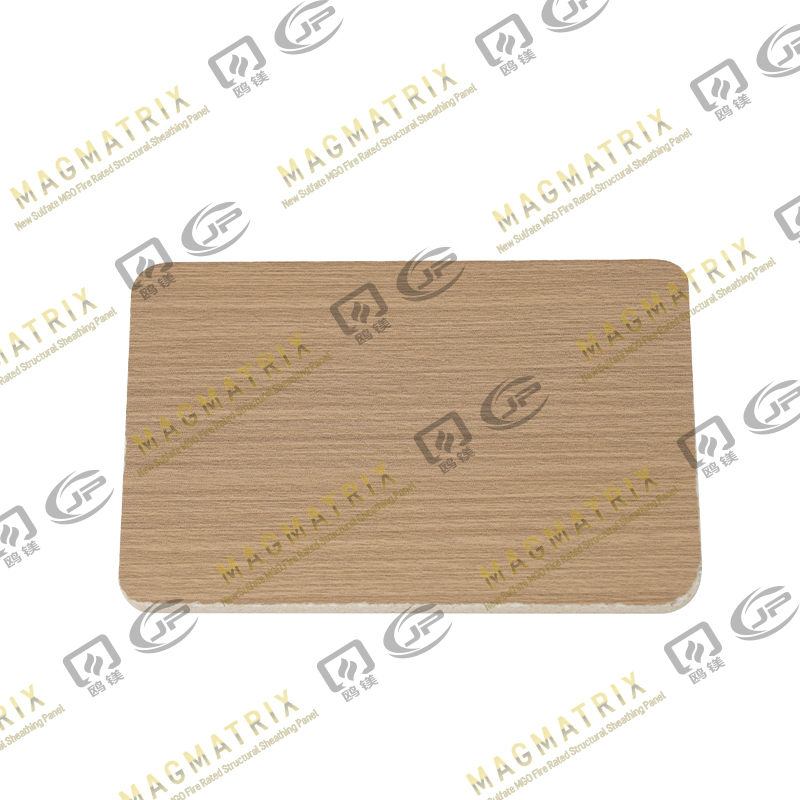
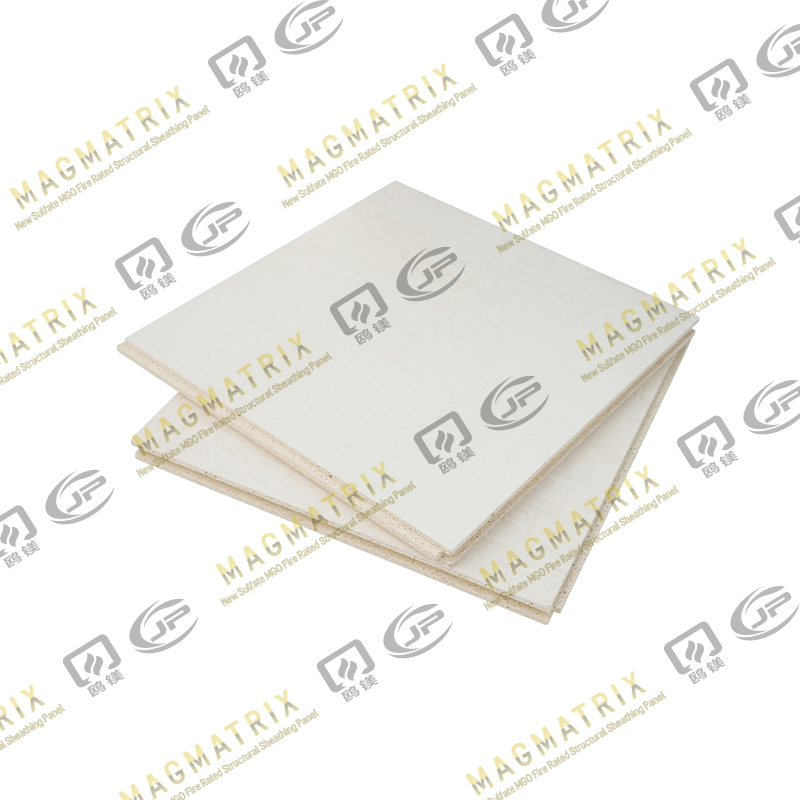
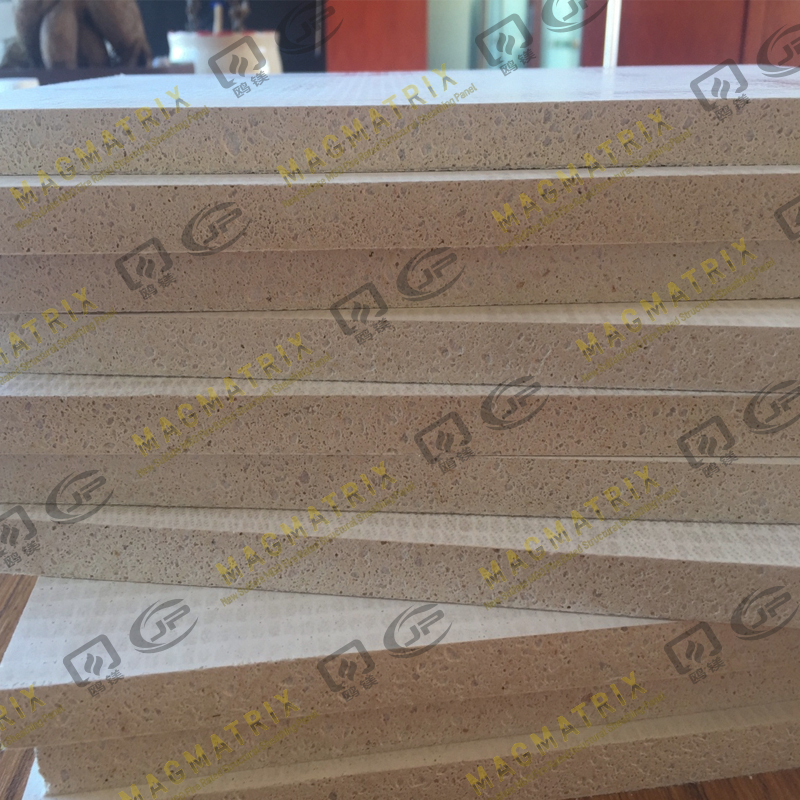 BMSC 517 New Sulfate MgO Board
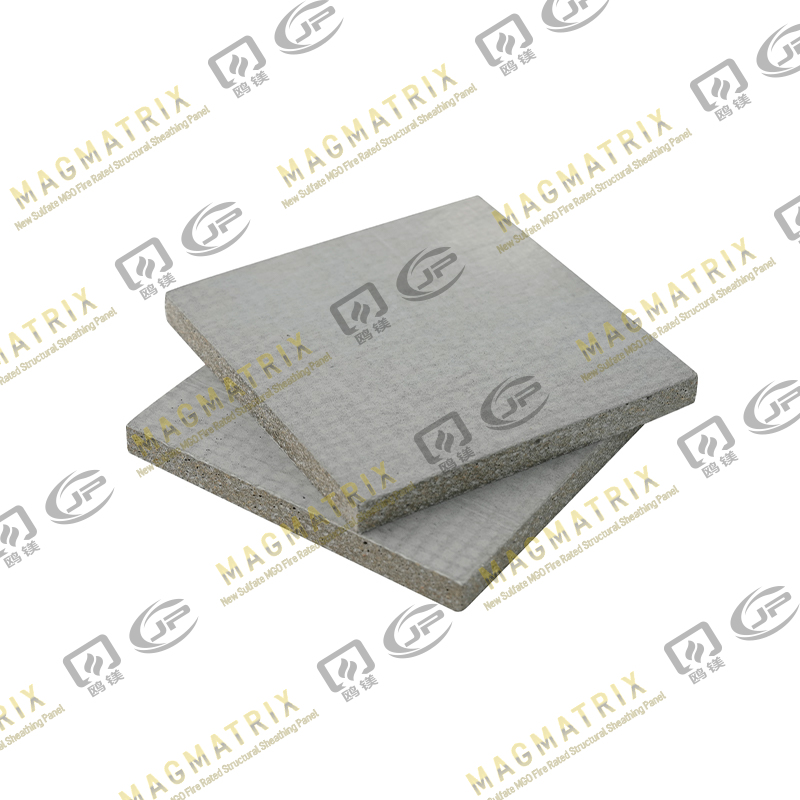 Multi-Support MgO Wall Sheathing Board
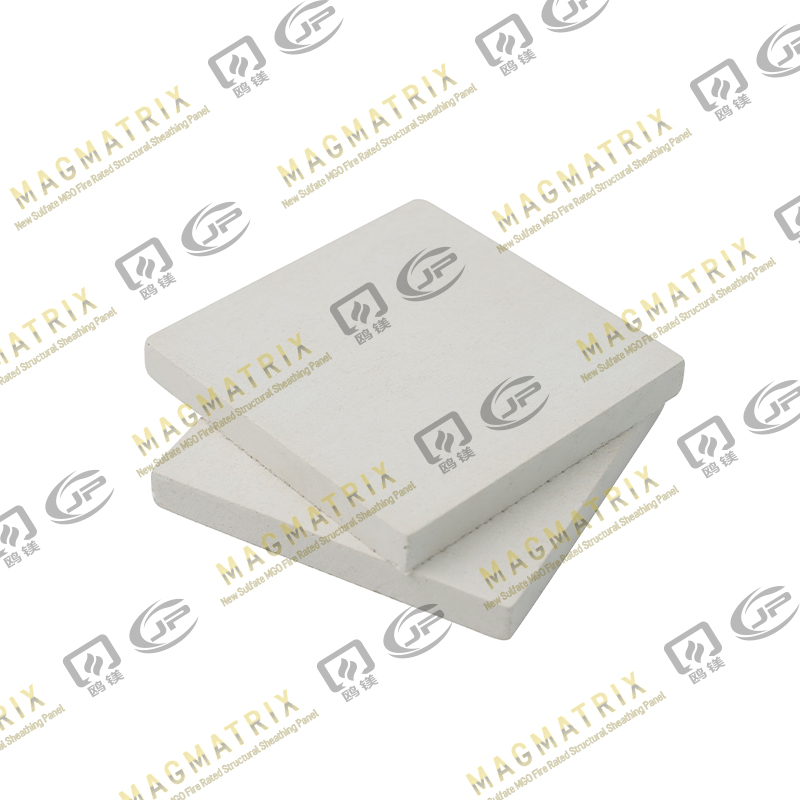 Perseverance MgO Wall Sheathing Board
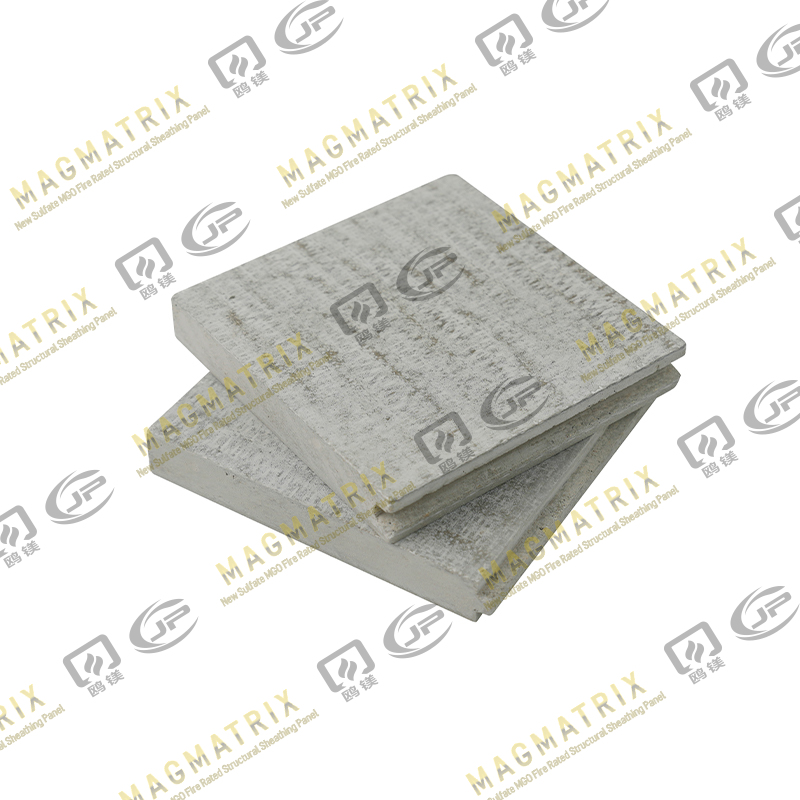 Multi-Support MgO Subfloor Sheathing Board
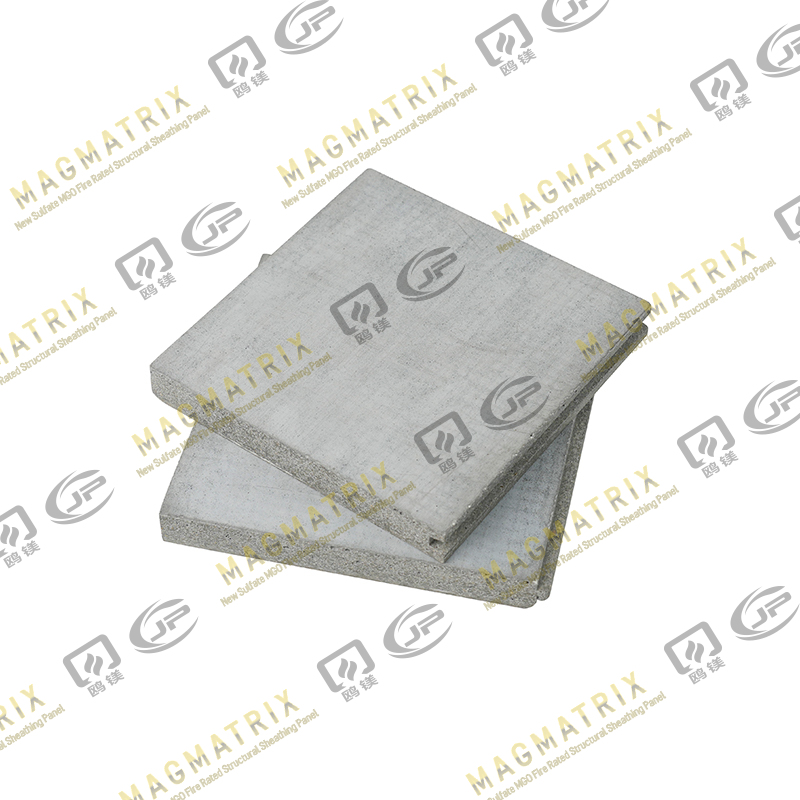 Perseverance MgO Subfloor Sheathing Board
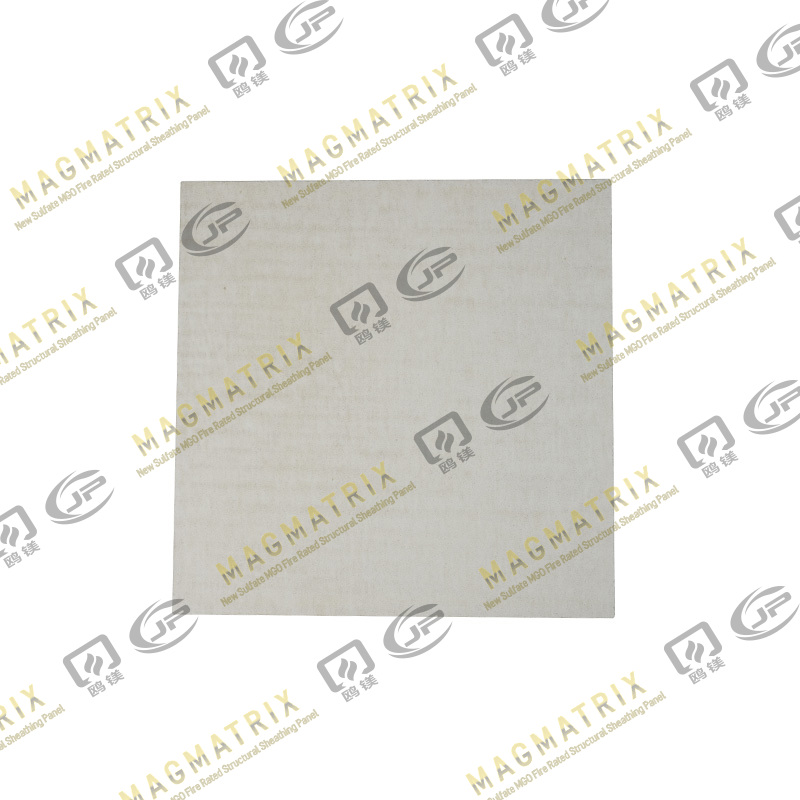 MagMatrix MgO Underlayment Panel/board