Moisture doesn't announce itself. It seeps silently through wall cavities, condenses behind tile, and builds up in subfloor layers—long before any visible damage appears. By the time mold shows up on the surface, the structural material behind it has often already begun to fail. For decades, builders accepted this reality as an unavoidable consequence of using conventional panels like standard drywall or OSB. MGO boards change that equation entirely.
Magnesium oxide (MGO) boards have been gaining ground in residential, commercial, and industrial construction precisely because they address the two most persistent hidden threats to building longevity: moisture infiltration and mold growth. This article breaks down the science, the test data, and the practical applications that make MGO boards a genuinely different class of building material.
Why Moisture Is the Silent Destroyer of Building Materials
In construction, the most damaging forces are often the ones you can't see. Moisture infiltration ranks among the leading causes of material degradation in modern buildings, affecting everything from structural integrity to indoor air quality. The problem is especially acute in coastal regions, humid climates, and any space where water is regularly present—kitchens, bathrooms, basements, and utility rooms.
Standard drywall is particularly vulnerable. Its gypsum core is surrounded by paper facing, and that paper acts like a sponge in humid conditions. Once the paper absorbs enough moisture, it softens, loses bonding strength, and creates the perfect environment for mold spores to germinate. OSB and plywood face a similar challenge: both contain organic binders and cellulose fibers that mold can actively feed on.
The result is a cycle of hidden decay. Moisture penetrates, organic materials absorb it, mold colonizes, and structural capacity quietly diminishes—all before a building owner notices any outward sign of a problem. Replacement becomes inevitable, and with it comes significant cost, disruption, and material waste. The core question for any builder or specifier is whether there is a panel material that interrupts this cycle at the source.
The Science Behind MGO Board's Moisture Resistance
MGO boards derive their moisture resistance not from a surface coating or additive, but from their fundamental chemical composition. The primary component—magnesium oxide—is an inorganic mineral compound formed by bonding magnesium and oxygen atoms under heat and pressure. This mineral matrix contains no cellulose, no paper facing, and no organic fillers. There is simply nothing in the material that absorbs water the way wood-based or gypsum-based panels do.
The numbers reflect this clearly. MGO board has a moisture absorption rate of approximately 0.34%, compared to gypsum board, which can absorb up to 3%—nearly nine times more. In practical terms, this means that even in persistently humid environments, an MGO panel retains its dimensional stability. It does not swell, warp, or delaminate in the way that conventional panels do when exposed to the same conditions.
Beyond low absorption, the high alkalinity of magnesium oxide itself acts as a natural deterrent to microbial activity. Fungi and bacteria that thrive in the slightly acidic, nutrient-rich environment of wet drywall find no hospitable foothold on an MGO surface. The chemistry works as a passive, permanent defense—not a treatment that wears off over time.
Zero Mold, Proven by Lab Testing
Performance claims in the building materials industry are common. What distinguishes MGO boards is that their mold resistance is verifiable through standardized independent testing. The benchmark most widely used is ASTM G21, the standard practice for determining the resistance of synthetic polymeric materials to fungi. In this test, panels are exposed to a defined mixture of mold species under controlled humidity and temperature conditions over an extended period.
MGO boards consistently achieve a perfect 0/0/0 rating on the ASTM G21 antifungal test—meaning zero fungal growth across all evaluated criteria, even after prolonged exposure. Over 1,000 samples have been tested under this protocol for periods exceeding two years, with the same result each time. By contrast, OSB and standard drywall, both of which contain organic materials, regularly support mold growth under equivalent test conditions.
This distinction is more than academic. In buildings where humidity levels fluctuate seasonally—or where a plumbing leak goes undetected for weeks—the difference between a panel that scores 0 and one that supports active mold colonies can mean the difference between a simple remediation and a full wall teardown.
Structural Strength That Holds Up in Wet Conditions
Moisture resistance alone would make MGO boards a strong candidate for wet-area applications. But the material's durability advantage extends further, into raw structural performance. MGO boards are reinforced with fiberglass mesh—typically making up around 4–6% of the total composition—which creates an internal lattice that dramatically increases tensile and impact strength.
The performance gap versus traditional drywall is substantial. MGO boards deliver a bending strength of 18–27 MPa, compared to standard drywall's 5.6 MPa. Impact resistance reaches 4.5 kilojoules, versus drywall's 1 kilojoule. Equally important, these structural properties do not degrade in humid conditions. Drywall that gets wet loses compressive strength rapidly as its gypsum core softens; MGO maintains its mechanical integrity even after repeated wetting and drying cycles.
This makes MGO particularly well-suited as an MGO underlayment panel in subfloor applications, where boards must bear live loads while managing moisture that rises from below. The combination of dimensional stability and high bending strength ensures the subfloor remains flat, gap-free, and structurally sound over the long term—without the risk of soft spots that can develop when organic panel materials absorb ground moisture.
Where MGO Boards Make the Biggest Difference
The advantages described above are not theoretical—they translate directly into superior real-world performance across a range of demanding applications. Understanding where MGO boards deliver the most value helps builders and architects specify the right material for the right context.
- Bathrooms and wet rooms: Tile backer boards in shower enclosures and around bathtubs are continuously exposed to steam and splash. MGO boards will not soften or delaminate behind tiles the way cement boards can crack or moisture-resistant drywall can fail.
- Basements and below-grade spaces: Ground moisture is a constant threat in below-grade construction. MGO boards used as interior wall panels or subfloor sheathing resist both hydrostatic moisture and the mold that typically follows.
- Exterior wall sheathing: In timber frame and steel frame construction, exterior sheathing panels are exposed to wind-driven rain and seasonal temperature swings. An MgO Wall Sheathing Board maintains its structural performance and dimensional stability across these cycles without absorbing moisture into the wall assembly.
- Subfloor systems: In multifamily and commercial construction, subfloor sheathing must manage both live load performance and moisture from below. MgO Subfloor Sheathing Boards are specifically engineered for these demands, combining fire-rated performance with the moisture stability that organic sheathing panels cannot guarantee.
- Healthcare and education facilities: Hospitals and schools benefit from MGO's perfect mold resistance rating and low VOC emissions. These environments have both high humidity exposure (from cleaning protocols and occupancy) and strict indoor air quality requirements—making inorganic MGO boards an appropriate specification choice.
Long-Term Value: Lower Maintenance, Less Waste
Building materials are rarely evaluated purely on purchase price, but in practice, the total cost of ownership matters more than the unit cost per sheet. This is where MGO boards present a compelling economic case alongside their technical advantages.
Because MGO boards resist mold, moisture damage, and structural degradation, they require significantly less maintenance over their service life. Standard drywall in high-humidity areas may need replacement within a few years; MGO panels in the same environment can outlast the surrounding structure. Fewer replacements mean less labor cost, less project disruption, and less construction waste entering landfill.
The environmental dimension is equally meaningful. MGO board production generates approximately 340 kg of CO₂ per ton, compared to roughly 740 kg per ton for conventional gypsum drywall—a reduction of more than 50%. The boards are fully recyclable, contain no formaldehyde or crystalline silica, and produce negligible VOC off-gassing. For projects pursuing green building certifications or sustainability benchmarks, this profile supports compliance without compromising on performance.
Taken together, the lower maintenance burden, extended service life, and reduced environmental footprint make MGO boards a financially and ethically sound choice for builders who think beyond the project handover date.
Conclusion
The durability advantages of MGO boards are not hidden because they are obscure—they are hidden because they operate at the material level, where most building inspections never reach. The inorganic mineral composition that prevents mold growth, the low moisture absorption rate that maintains dimensional stability, and the fiberglass-reinforced structure that resists impact and bending stress all work silently and continuously, without any maintenance input from the building owner.
For builders, architects, and developers who want to specify materials that genuinely perform across the full building lifecycle—not just on day one—MGO boards represent a clear step forward over conventional drywall, OSB, or standard cement board. To find the right product for your specific application, explore our full MGO board range and connect with our technical team for specification support.



 English
 русский
 Español
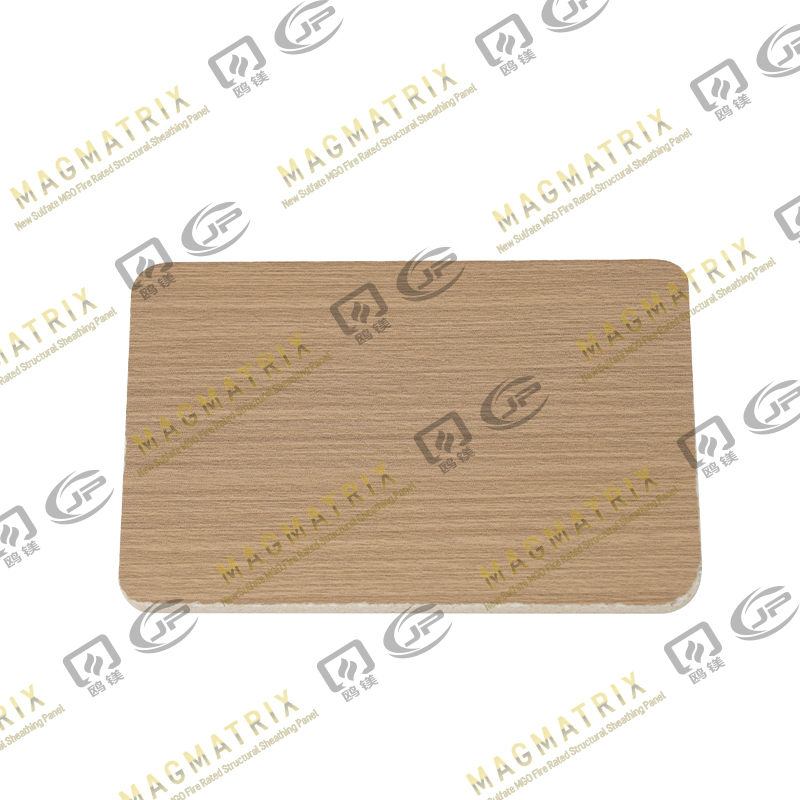
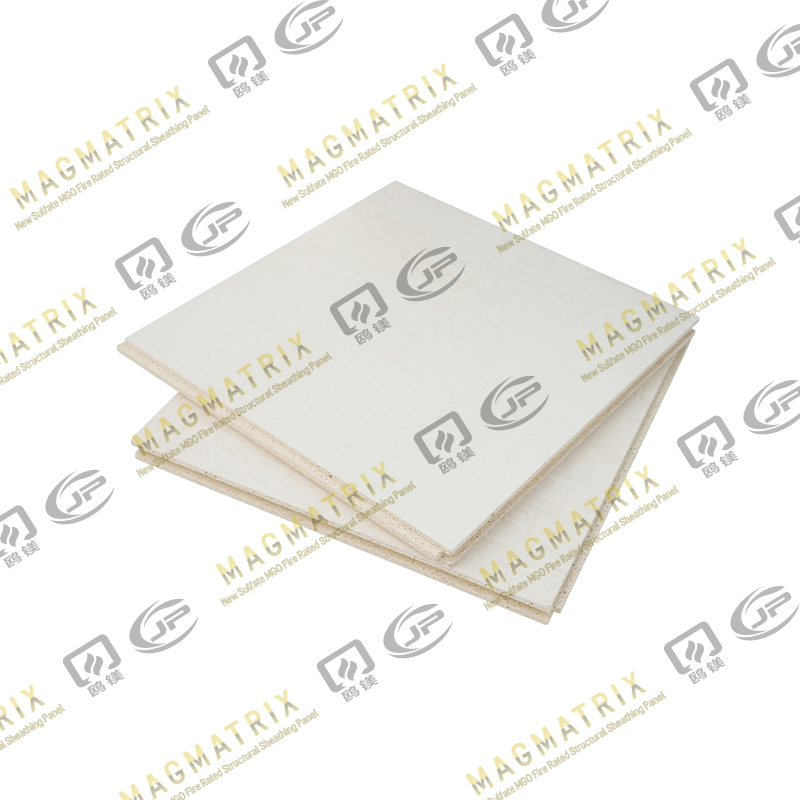
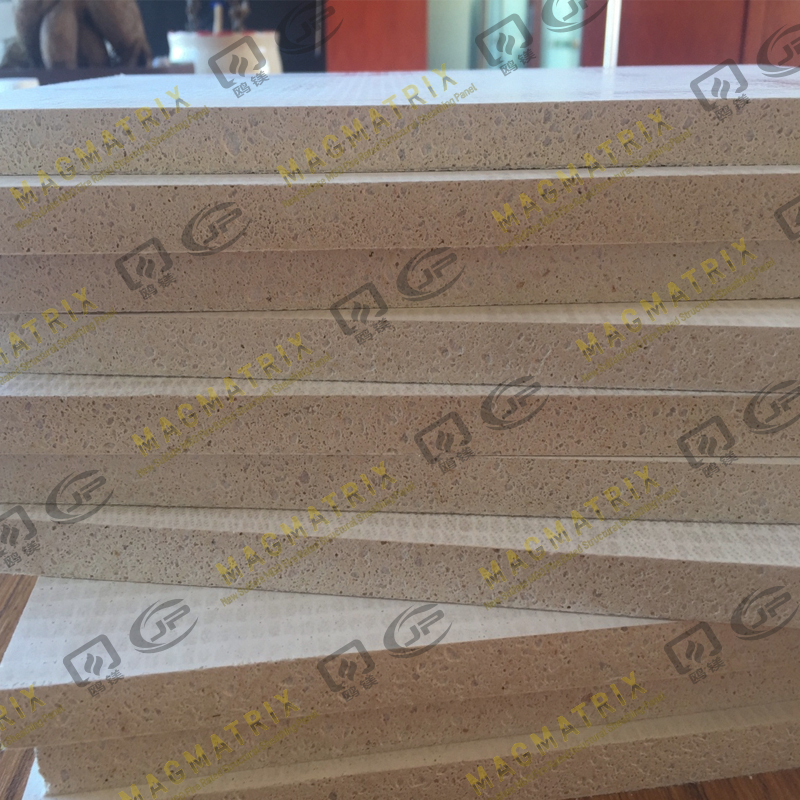 BMSC 517 New Sulfate MgO Board
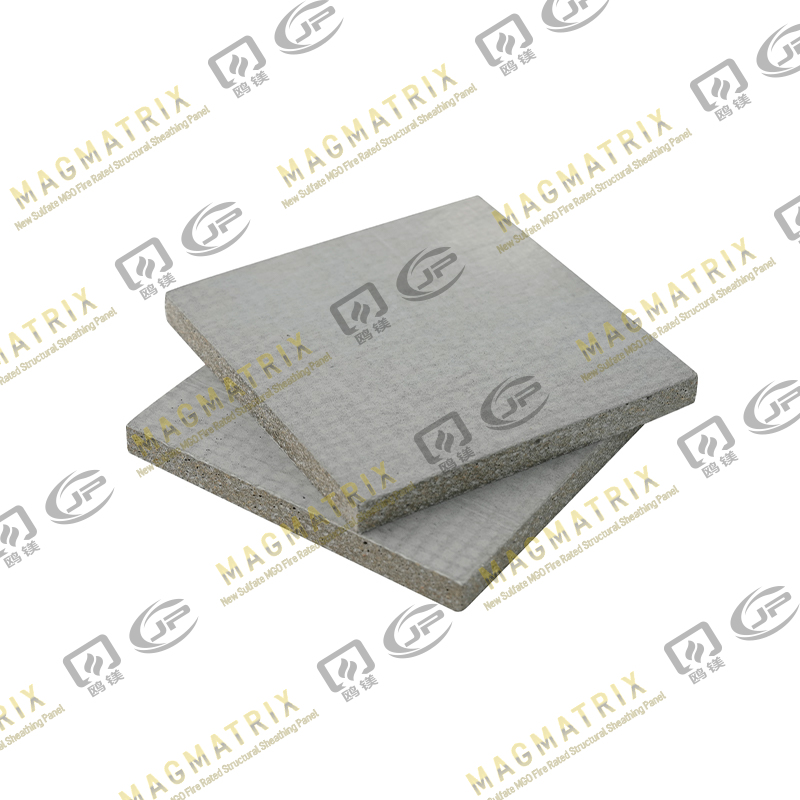 Multi-Support MgO Wall Sheathing Board
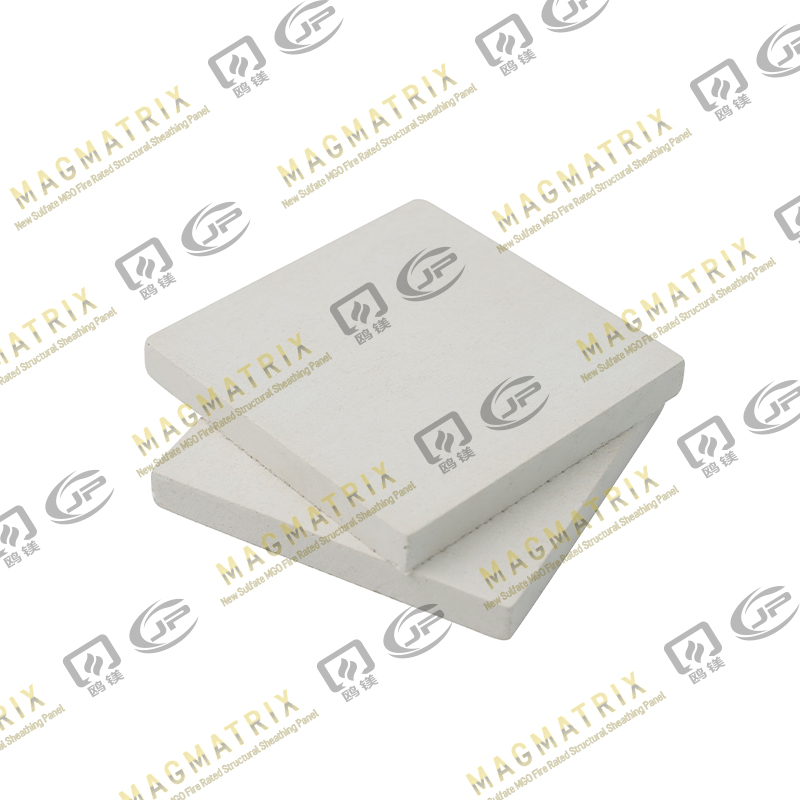 Perseverance MgO Wall Sheathing Board
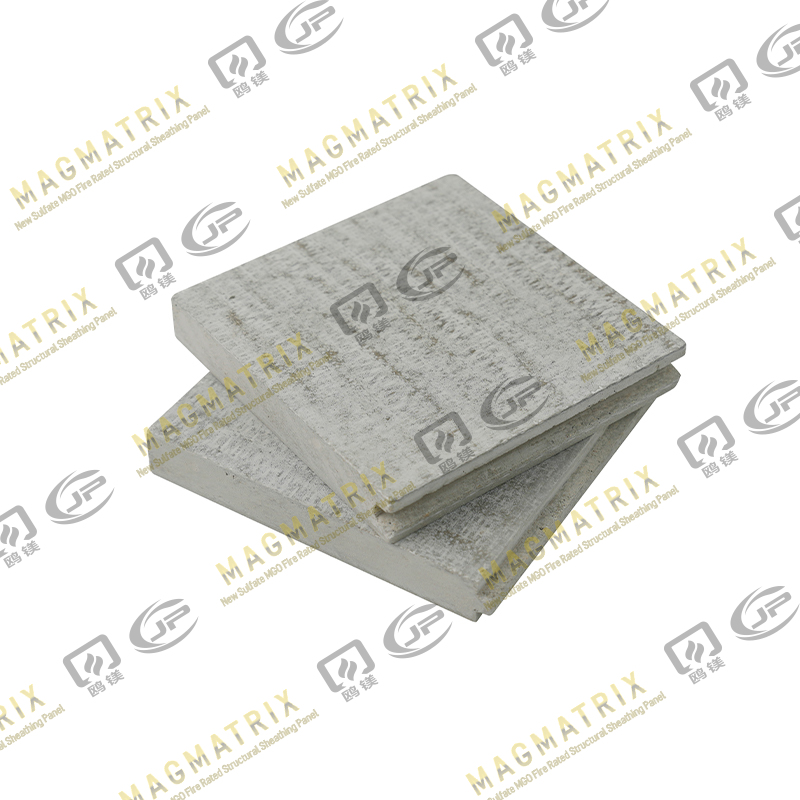 Multi-Support MgO Subfloor Sheathing Board
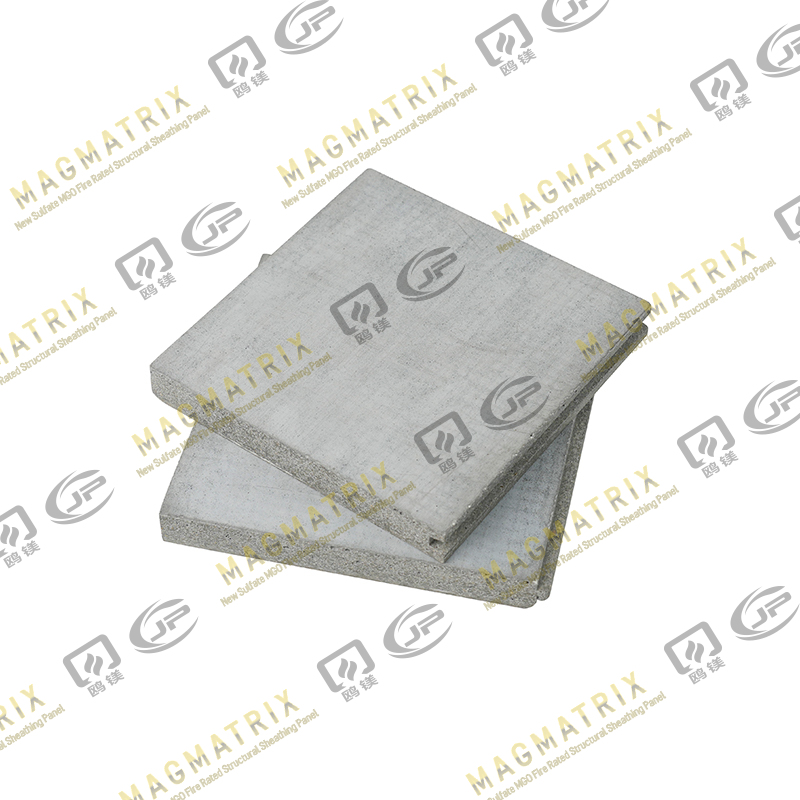 Perseverance MgO Subfloor Sheathing Board
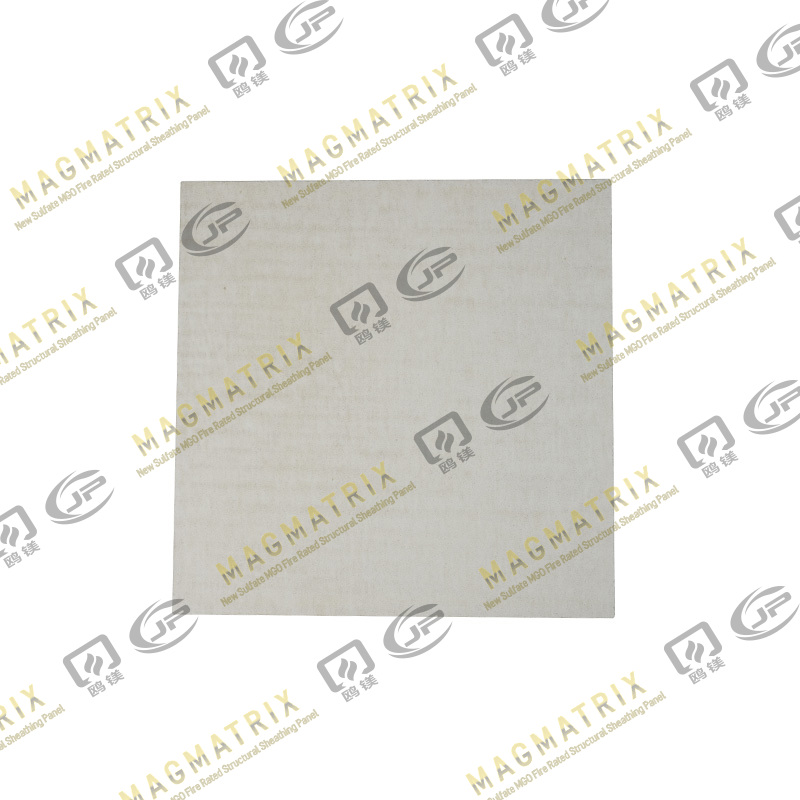 MagMatrix MgO Underlayment Panel/board