Magnesium Oxide (MgO) panels have emerged as a versatile and increasingly popular building material, known for their fire resistance, durability, and environmental profile. Used in applications ranging from sheathing and underlayment to interior wall systems and tile backing, they offer a compelling alternative to traditional gypsum, cement, and wood-based boards. However, not all MgO panels are created equal. The market contains a wide variance in quality, driven by differences in raw materials, manufacturing processes, and formulation standards. A low-quality panel can lead to catastrophic failures—including cracking, warping, moisture-related issues, and efflorescence—negating the very benefits you sought.
Choosing a high-quality MgO panel requires moving beyond price as the primary factor and becoming an informed evaluator. This guide will walk you through the key considerations, grounded in material science and industry best practices, to help you make a confident, durable selection.
1. Understand the Core: Raw Materials and Formulation
The quality of an MgO panel begins at the molecular level. The primary components are magnesium oxide (sourced from magnesite), magnesium chloride (from brine or seawater), and reinforcing materials like fiberglass mesh. The purity and ratio of these ingredients are critical.
- Magnesium Oxide (MgO) Reactivity: The MgO must be properly calcined (heated) to achieve the correct reactivity level. Over-burned MgO reacts too slowly, leading to weak panels, while under-burned MgO reacts too quickly and can cause excessive heat and stress during curing. High-quality manufacturers source consistently pure, properly calcined MgO.
- Magnesium Chloride (MgCl2) Purity: Impurities in the magnesium chloride, particularly potassium and sodium salts, are a leading cause of efflorescence—the white, powdery deposits that leach to the surface. This is not just cosmetic; it signals internal chemical imbalances that compromise long-term stability and adhesion. Insist on panels made with high-purity magnesium chloride.
- Fillers and Additives: Reputable manufacturers use carefully selected inorganic fillers (like perlite or silica) to enhance properties without compromising integrity. Be wary of panels that use excessive organic fillers (e.g., wood flour) as a cheap bulk agent, as they can reduce fire resistance and promote mold susceptibility.
Actionable Tip: Ask the manufacturer or supplier for a technical data sheet (TDS) and material safety data sheet (MSDS). These documents should list primary components. Inquire specifically about their measures to prevent efflorescence and ensure chloride stability.
2. Evaluate Manufacturing Process and Quality Control
A superior formulation is worthless without consistent, controlled manufacturing. The mixing, pressing, curing, and conditioning stages are paramount.
- Consistent Mixing and Homogeneity: The slurry must be uniformly mixed to ensure even strength and reaction throughout the panel.
- Controlled Pressing and Density: Panels should be pressed to a consistent and appropriate density (typically between 1.0 - 1.4 g/cm³). Higher density generally correlates with greater strength and durability but also increased weight. The press must apply even pressure.
- The Critical Curing Process: This is where the chemical reaction (forming magnesium oxychloride cement) solidifies the panel. Proper curing requires controlled time, temperature, and humidity. Rushed curing leads to “green” panels that are prone to warping and performance issues later.
- Conditioning: After curing, panels often need a conditioning period to reach equilibrium moisture content with the environment, reducing the risk of installation-related movement.
Actionable Tip: If possible, visit the manufacturer or request a virtual tour. Ask about their curing and conditioning protocols. A reputable company will be transparent about their process. Check for certifications like ISO 9001, which indicates a documented quality management system.
3. Scrutinize Physical and Performance Properties
Move beyond marketing claims and demand verifiable test data. Key properties to examine include:
- Dimensional Stability (Warping/Bowing): This is the most common complaint. A quality panel will have minimal expansion/contraction due to moisture and temperature changes. Look for water absorption and linear expansion test results. The panel should perform well in standardized tests like ASTM D1037 (cyclic humidity).
- Strength (Flexural and Impact): Check for flexural (modulus of rupture) and tensile strength values. These indicate how well the panel will handle loads and resist cracking during handling and in service.
- Fire Resistance: One of MgO’s standout features. Look for official fire ratings (e.g., ASTM E84 or EN 13501-1). High-quality panels often achieve Class A/Class 0 fire ratings, with some capable of serving as part of a fire-rated assembly.
- Moisture and Mold Resistance: MgO is inherently inorganic and mold-resistant. However, low-quality panels with organic additives can support mold. Verify ASTM D3273 mold resistance test results. For wet areas, ensure the panel is specifically rated for such use.
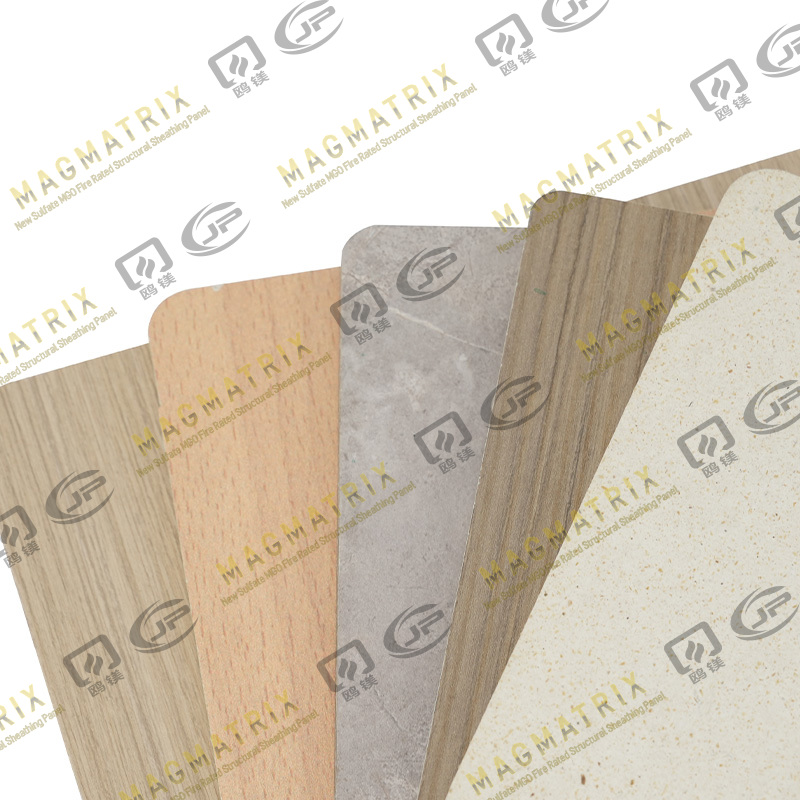
- Surface Quality: The surface should be uniform, smooth (for intended applications), and free from large voids, cracks, or discoloration.
Actionable Tip: Request independent third-party test reports from accredited laboratories (e.g., UL, Intertek, Eurofins). Compare the numbers between brands, not just the “pass/fail” claims.
4. Consider the Application and Correct Specification
“High-quality” is context-dependent. The best panel for an exterior soffit may differ from the best for a shower wall.
- Exterior vs. Interior: For exterior applications (sheathing, siding substrate), the panel must have exceptional dimensional stability, weather resistance, and often a treated core or coating. Not all MgO panels are suitable for direct exposure.
- High-Moisture Areas: For bathrooms, kitchens, or commercial wet areas, specify a panel designed for this purpose, with verified long-term water immersion stability.
- Structural vs. Non-Structural: Understand its role. Is it a tile backer, a wall lining, or a structural sheathing? Verify its suitability for the intended fastening and loading.
- Thickness and Size: Ensure the chosen thickness meets your load and span requirements. Standard sizes are 4’ x 8’ or 4’ x 10’, but larger formats are available.
Actionable Tip: Match the panel’s specific product line to your project’s needs. A good supplier will have different product grades (e.g., standard interior, premium moisture-resistant, exterior-grade).
5. Investigate the Supplier and Support
The company behind the panel is as important as the panel itself.
- Reputation and Longevity: How long have they been manufacturing? Can they provide a list of long-term, successful projects? Search for independent reviews or case studies.
- Technical Support: Do they offer accessible technical guidance? Will they help with detail drawings for transitions, corners, and penetrations?
- Warranty: A clear, substantive warranty is a sign of confidence. Read it carefully to understand what is covered (materials, labor) and for how long.
- Supply Chain Reliability: Ensure they can deliver consistently and on time.
Conclusion: A Checklist for Your Selection Process
Choosing a high-quality MgO panel is an exercise in due diligence. Avoid the temptation of the lowest bid and invest time in verification.
- Gather Documentation: Collect TDS, MSDS, and independent third-party test reports for key properties (stability, strength, fire, mold).
- Ask Probing Questions: Inquire about raw material purity, anti-efflorescence measures, curing time, and conditioning.
- Verify Suitability: Confirm the exact product is designed and tested for your specific application (exterior, wet area, etc.).
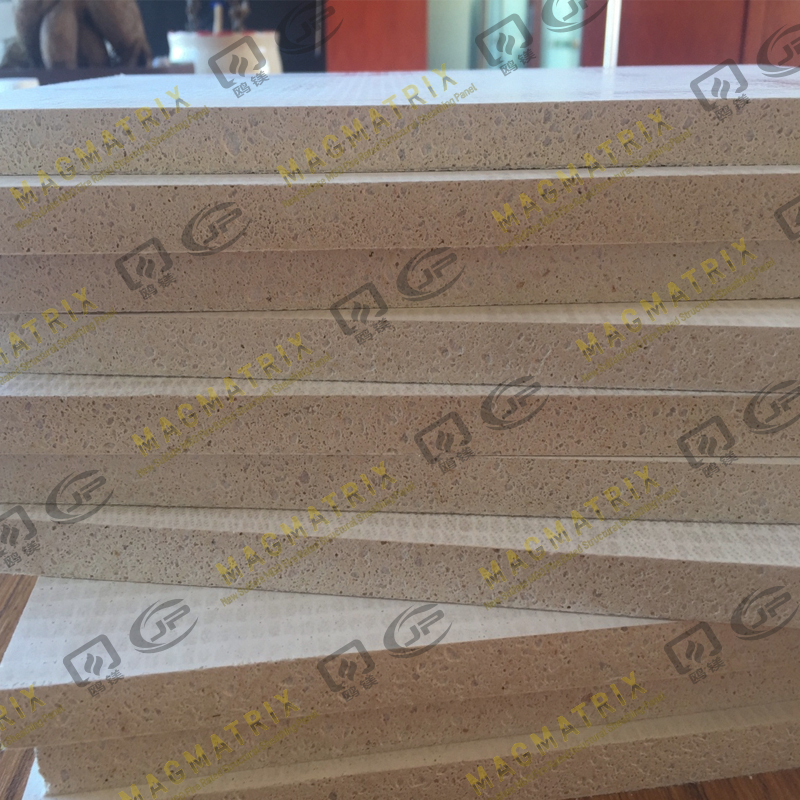
- Inspect Samples: Obtain a physical sample. Check for surface quality, consistency, and cut a piece to see the core. Soak a sample fragment in water for 48 hours and observe for excessive swelling or softening.
- Research the Source: Investigate the manufacturer’s reputation, quality certifications, and warranty.
- Consider Total Cost of Ownership: A slightly more expensive, high-quality panel that installs without issues and lasts for decades offers far better value than a cheap panel that fails and requires costly remediation.
By following this structured approach, you move from being a passive buyer to an informed specifier. You’ll be able to select an MgO panel that delivers on its promises of safety, durability, and performance, ensuring a successful build that stands the test of time. Remember, in building materials, true quality is not an expense—it’s an investment in peace of mind.



 English
 русский
 Español
 BMSC 517 New Sulfate MgO Board
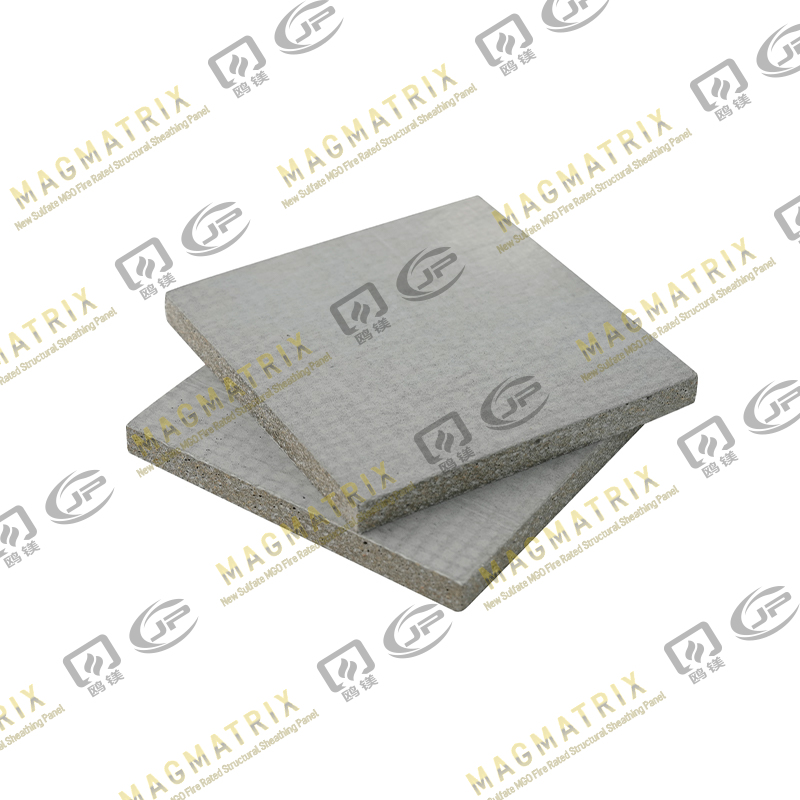 Multi-Support MgO Wall Sheathing Board
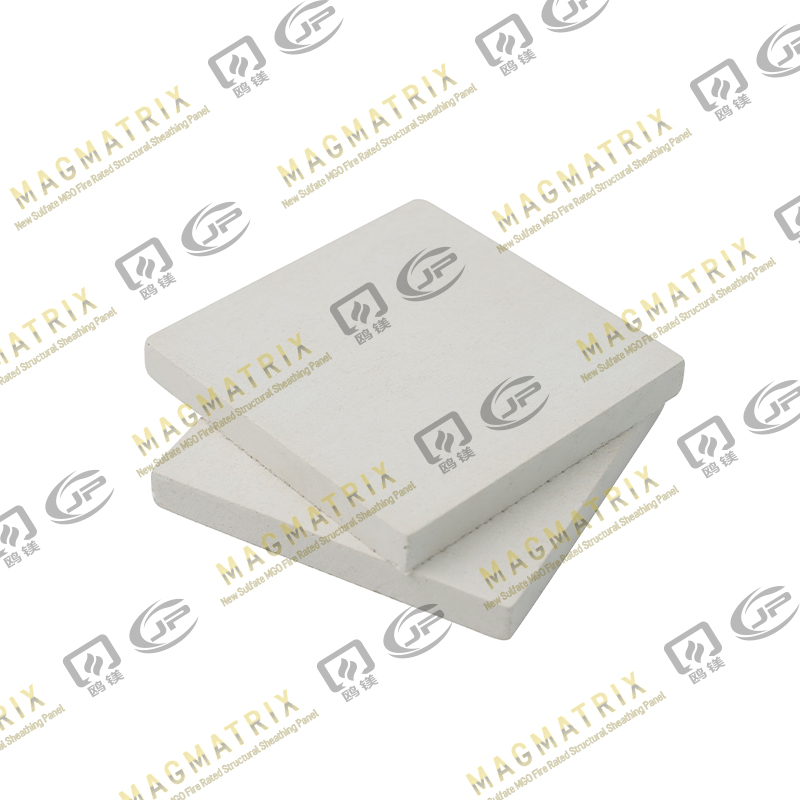 Perseverance MgO Wall Sheathing Board
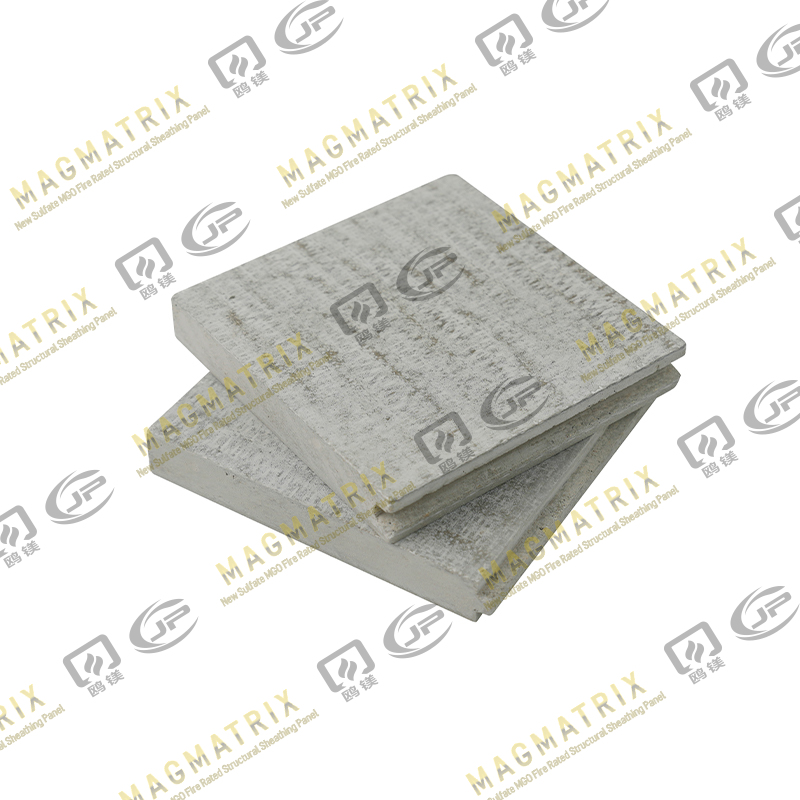 Multi-Support MgO Subfloor Sheathing Board
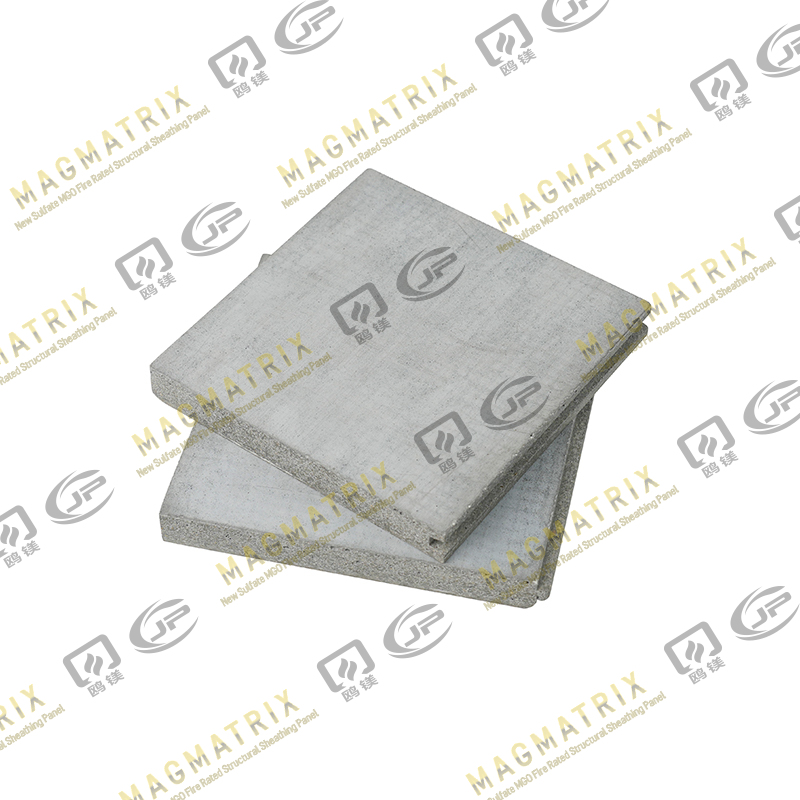 Perseverance MgO Subfloor Sheathing Board
 MagMatrix MgO Underlayment Panel/board