Magnesium Oxide (MgO) panels have become a popular building material due to their fire resistance, durability, and environmental benefits. However, like many cementitious products, they are susceptible to a phenomenon known as efflorescence—a white, powdery deposit that can appear on the surface.
Understanding Efflorescence on MgO Panels
What is Efflorescence?
Efflorescence is a crystalline deposit of water-soluble salts that migrate to the surface of porous building materials. When water within the panel or from an external source dissolves salts (often calcium, magnesium, or potassium salts), it carries them to the surface. As the water evaporates, the salts are left behind as a white, often fluffy or crusty residue.
Why Does it Happen with MgO Panels?
MgO panels are composed primarily of magnesium oxide, often derived from magnesium chloride-rich brine. If not properly formulated and cured during manufacturing, residual soluble salts can remain within the panel matrix. Efflorescence requires three elements:
- Soluble Salts: Present within the material or in adjacent substrates (mortar, grout, soil).
- Moisture: To dissolve and transport the salts.
- Pathway: Porosity that allows the salt-laden water to travel to the surface.
MgO panels can exhibit efflorescence if they are exposed to excessive moisture during storage, installation, or in service, activating this process.
Proactive Prevention: The First and Best Line of Defense
Preventing efflorescence is significantly easier than removing it. A multi-faceted approach focusing on material selection, handling, and installation details is crucial.
1. Source Quality Panels
Not all MgO panels are created equal. Manufacturing processes have evolved to mitigate efflorescence.
- Choose “Efflorescence-Resistant” or “Second-Generation” Formulations: Reputable manufacturers now produce panels with modified chemistry that minimizes residual soluble salts. Inquire about the panel’s formulation and testing data.
- Request Test Data or Case Studies: Ask suppliers for evidence of long-term performance in conditions similar to your project.
- Verify Certifications: Look for panels with relevant industry certifications that include durability assessments.
2. Proper Storage and Handling
Improper storage is a leading cause of pre-installation moisture exposure.
- Keep Panels Dry: Store panels indoors, on a flat, dry surface, and off the ground on pallets. If outdoor storage is unavoidable, use a waterproof, well-ventilated cover that extends to the ground (like a tent) to prevent condensation and direct rain, but allows airflow. Never use plastic sheeting directly on the panels, as it traps condensation.
- Protect Edges: Damaged edges increase water ingress. Handle panels carefully to avoid chipping.
- Acclimatize Panels: Before installation, allow panels to acclimatize to the interior conditions of the building for 48-72 hours, especially if there is a temperature or humidity differential.
3. Meticulous Installation Practices
Installation is where theoretical prevention meets practical reality.
- Manage Moisture on Site: Ensure the building is “dried-in” (roof, windows, doors sealed) before installing interior MgO panels. Substrates (studs, sheathing) must be dry.
- Use Appropriate Fasteners and Adhesives: Follow manufacturer recommendations. Some adhesives and tapes can act as vapor barriers or moisture traps if used incorrectly.
- Detail for Drainage and Ventilation: This is critical for exterior or wet-area applications.
- Behind Panels: Incorporate a drainage plane (e.g., building wrap) and ensure cavity ventilation where required by design.
- At Joints: Use recommended sealants that are compatible and allow for minimal moisture penetration. Design joint details that shed water away from the panel edges.
- At Terminations: Use proper flashing, drip edges, and sealants to direct water away from the panel system.
4. Apply Protective Barriers
For applications with high moisture exposure, a physical barrier can be highly effective.
- Primers and Sealers: Apply a high-quality, breathable penetrating sealer or a film-forming primer specifically recommended for MgO panels. Breathability is key—the product must allow water vapor from inside the wall to escape while blocking liquid water from entering. Test the sealer on a sample piece first.
- Proper Paint Systems: Use a breathable, alkali-resistant paint system designed for masonry or cementitious substrates. A good primer-topcoat combination acts as a durable shield.

Addressing Existing Efflorescence
If efflorescence has already appeared, a systematic approach is needed to remove it and prevent recurrence.
Step 1: Investigation and Moisture Source Elimination
Removing the salt deposit without finding and stopping the water source is a temporary fix.
- Identify the Moisture Source: Common culprits include condensation, plumbing leaks, roof leaks, rising damp, or residual construction moisture. Use a moisture meter on the panel and surrounding structure.
- Stop the Water Intrusion: Repair all leaks, improve ventilation, install vapor barriers where deficient, and ensure exterior drainage is correct. The panel and wall assembly must be allowed to dry completely before proceeding. This may take weeks, depending on climate and severity.
Step 2: Dry Brushing (Initial Removal)
For light, powdery efflorescence:
- Allow the surface to dry completely.
- Use a stiff, non-metallic brush (nylon or fiber) to brush the deposits away.
- Do not use water at this stage, as it will dissolve the salts and drive them back into the pores.
Step 3: Wet Cleaning (For Persistent Deposits)
If dry brushing is insufficient:
- Prepare a Mild Acid Solution: A 5% solution of white vinegar (acetic acid) in warm water is often effective and less hazardous than stronger acids. For heavier deposits, a proprietary efflorescence remover (typically a diluted phosphoric or muriatic acid solution) may be needed. Always follow the product’s safety instructions.
- Test in an Inconspicuous Area: Always check for surface discoloration or etching.
- Procedure: Dampen the surface with clean water first to limit acid penetration. Apply the solution with a brush, agitate gently, and allow it to react for 5-10 minutes. Scrub with a stiff brush.
- Thorough Rinsing: This is critical. Rinse the area extensively with clean water to neutralize the acid and wash away all dissolved salts. Failure to rinse properly can worsen the problem.
- Safety: Wear goggles, gloves, and skin protection. Ensure adequate ventilation.
Step 4: Final Sealing and Prevention
After the surface is clean, dry, and the moisture source is definitively eliminated:
- Allow the panel to reach a consistent, low moisture content.
- Apply a breathable, penetrating sealer as described in the prevention section to help ward off future occurrences.
When Efflorescence is a Symptom of a Larger Problem
Persistent or severe efflorescence, especially if it reappears quickly after cleaning, can indicate a fundamental issue:
- Chronic Moisture Intrusion: A building envelope failure that requires professional assessment.
- Substandard Panels: Panels with chronically high soluble salt content may be fundamentally unfit for their application. Consultation with a materials engineer or the panel manufacturer may be necessary.
- Incompatible Materials: The interaction with adjacent mortars, stuccos, or backer boards can be the salt source.
Conclusion
Efflorescence on MgO panels is a manageable issue, not an inherent flaw. The key is a paradigm shift from reaction to prevention. By sourcing quality panels, enforcing strict dry-handling protocols, and executing meticulous, moisture-aware installation detailing, the vast majority of efflorescence cases can be avoided.
When it does appear, treat it as a valuable warning sign of excess moisture. A successful remedy always starts with identifying and eliminating the water source, followed by careful cleaning and the application of appropriate protective barriers. Through informed selection, careful practice, and addressing root causes rather than just symptoms, builders and homeowners can confidently utilize the excellent properties of MgO panels while maintaining a flawless, durable finish.



 English
 русский
 Español
 BMSC 517 New Sulfate MgO Board
 Multi-Support MgO Wall Sheathing Board
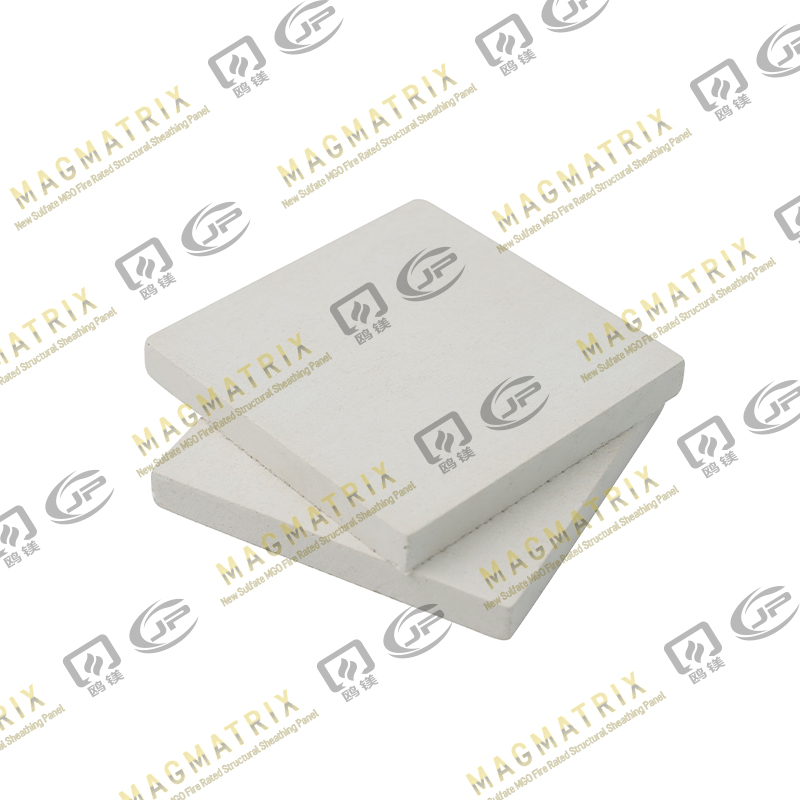 Perseverance MgO Wall Sheathing Board
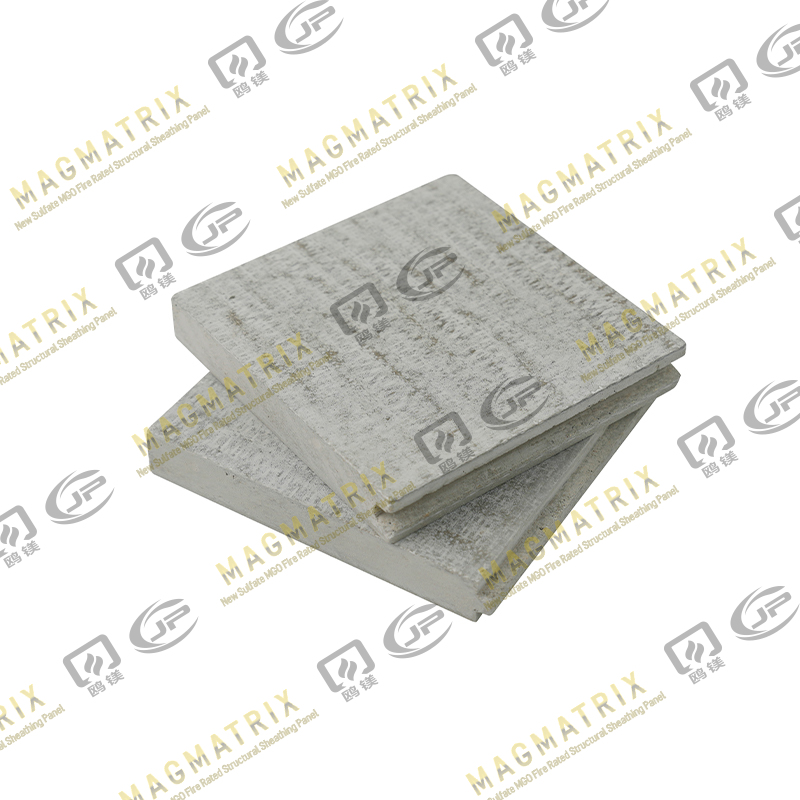 Multi-Support MgO Subfloor Sheathing Board
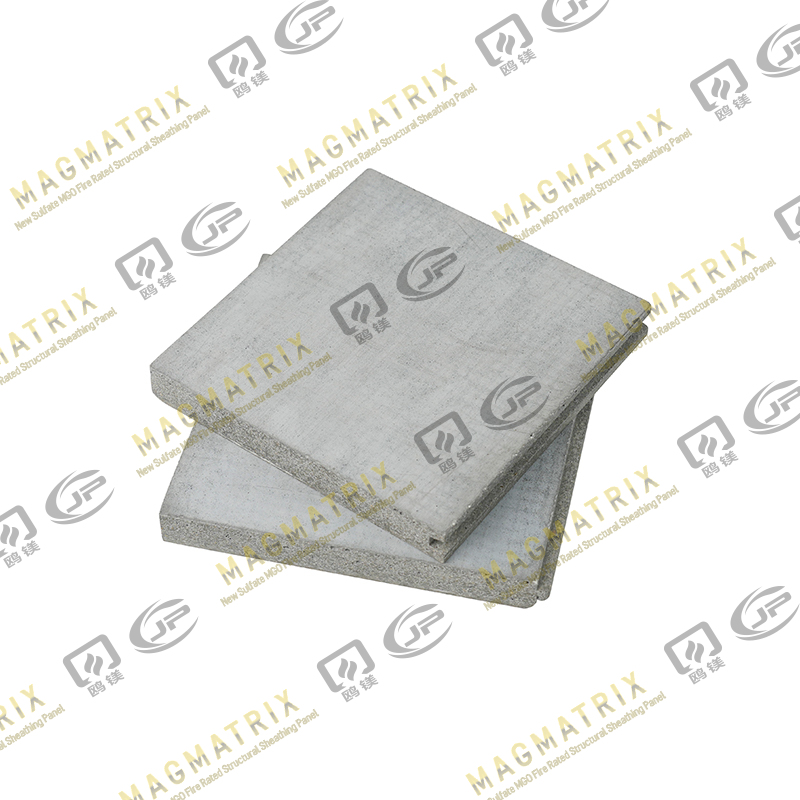 Perseverance MgO Subfloor Sheathing Board
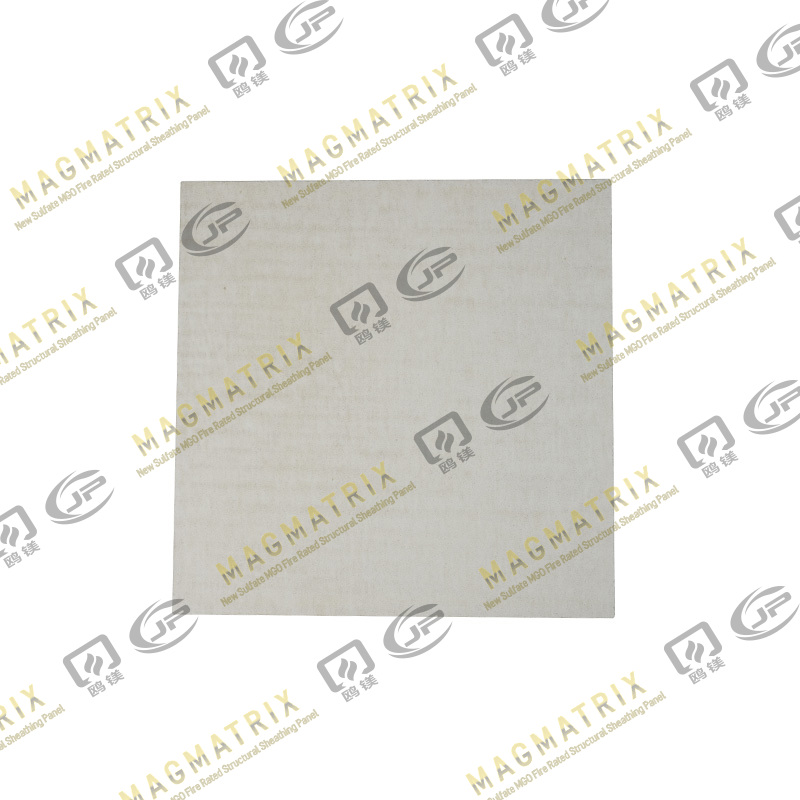 MagMatrix MgO Underlayment Panel/board