Indoor air quality (IAQ) has become an essential consideration for homeowners, builders, and facility managers alike. Poor IAQ can lead to respiratory issues, allergies, and other long-term health concerns, which makes selecting building materials critical. One material increasingly used in construction is Sulfate MgO Board, a magnesium oxide-based panel often marketed as an alternative to traditional gypsum or cement boards.
Understanding Sulfate MgO Board
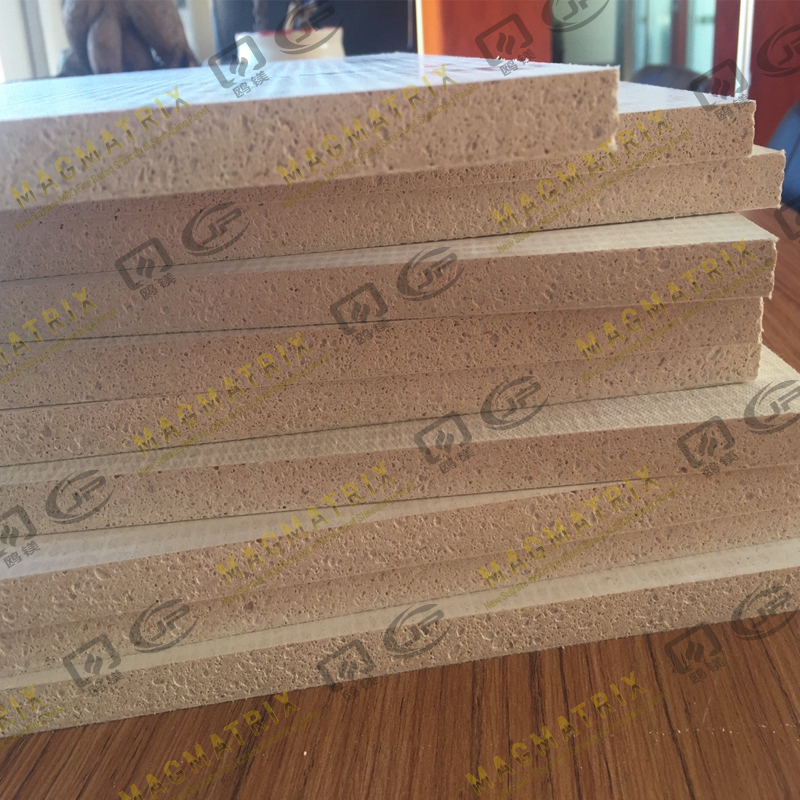
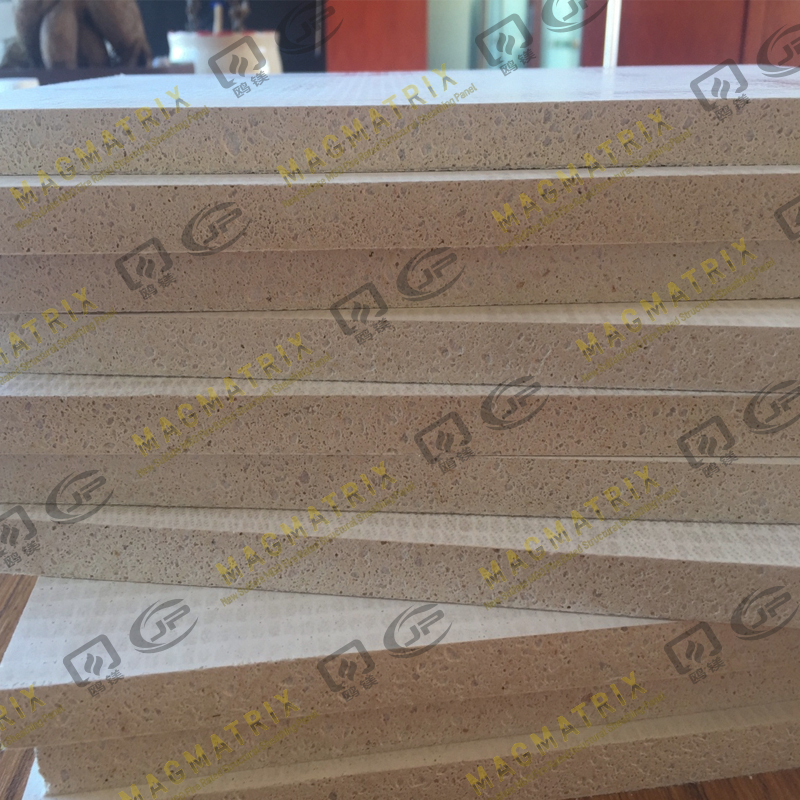
Sulfate MgO Board is made primarily from magnesium oxide (MgO) combined with sulfates, fillers, and reinforcing fibers. The resulting panels are known for their rigidity, fire resistance, and resistance to mold and moisture. Unlike traditional gypsum boards, Sulfate MgO Board does not rely heavily on calcium sulfate alone, which can make it more durable in certain conditions. However, its suitability for indoor environments depends largely on its chemical stability and potential for emitting volatile compounds.
Indoor Air Quality and Construction Materials
Indoor air quality is influenced by a variety of factors, including:
- Volatile Organic Compounds (VOCs): VOCs are emitted by paints, adhesives, and some building materials. Long-term exposure can irritate the eyes, nose, and throat, and may have more serious health effects.
- Particulate Matter: Dust or microscopic particles released during cutting or installation of boards can affect respiratory health.
- Mold and Fungal Growth: Materials that absorb moisture can harbor mold, negatively impacting IAQ.
Given these factors, understanding whether Sulfate MgO Board emits harmful substances or contributes to poor air quality is critical.
Chemical Safety of Sulfate MgO Board
One of the main concerns when evaluating Sulfate MgO Board is whether it emits VOCs or other harmful chemicals. Research and industry tests suggest the following:
- Low VOC Emissions: High-quality Sulfate MgO Boards are generally manufactured without added formaldehyde or synthetic resins, which are common sources of VOCs.
- Alkalinity and Dust: Magnesium oxide itself is mildly alkaline. While this can make the board more resistant to mold, dust generated during cutting or sanding can cause temporary respiratory irritation if inhaled. Proper personal protective equipment (PPE) such as masks and goggles is recommended.
- Absence of Heavy Metals: Reputable manufacturers typically ensure that Sulfate MgO Boards do not contain lead, mercury, or other heavy metals that could off-gas into indoor air.
Overall, when sourced from reliable suppliers, Sulfate MgO Board presents minimal chemical risk to indoor air quality.
Moisture Resistance and Mold Prevention
Mold growth is a common cause of indoor air quality issues. Materials that retain moisture can foster microbial growth, releasing spores and allergens into the air. Sulfate MgO Board has several characteristics that reduce these risks:
- Low Water Absorption: Sulfate MgO Board absorbs significantly less water than gypsum, reducing the likelihood of mold proliferation.
- Mold Resistance: The chemical composition of magnesium oxide and sulfates inhibits fungal growth, providing a healthier environment.
By resisting moisture-related deterioration, Sulfate MgO Board indirectly contributes to improved indoor air quality compared to some traditional wallboards.
Installation Practices and IAQ Considerations
Even low-emission materials can negatively affect indoor air quality if not handled properly during installation. Key considerations include:
- Cutting and Dust Control: Cutting Sulfate MgO Board releases fine dust particles. Using dust extraction systems or vacuum attachments and wearing masks reduces the risk of respiratory irritation.
- Ventilation During Construction: Keeping areas ventilated during installation ensures any minor emissions or dust are dispersed, protecting workers and future occupants.
- Finishing Products: Paints, adhesives, or sealants applied to Sulfate MgO Board can influence IAQ. Using low-VOC or zero-VOC finishing products is recommended to maintain air quality.
Comparisons with Other Wallboard Materials
To evaluate the safety of Sulfate MgO Board for indoor air, it is useful to compare it with other common wallboard materials:
- Gypsum Board: Gypsum board is widely used and generally safe, but some variants may contain added formaldehyde in adhesives or coatings. It is also less moisture resistant, which can lead to mold in humid environments.
- Cement Board: Cement boards are very durable and inert, but their heavy weight and dust during cutting can make installation more challenging.
- Chloride MgO Board: Some MgO boards use magnesium chloride, which can corrode metal fasteners and may react in high humidity. Sulfate MgO Board avoids these issues, making it a more stable choice indoors.
In terms of chemical stability and mold resistance, Sulfate MgO Board provides a balanced option for maintaining healthy indoor air quality.
Environmental and Long-Term Safety
Sulfate MgO Board is considered environmentally friendly because:
- It is largely mineral-based and recyclable.
- It does not emit significant harmful gases under normal conditions.
- It has a long service life, reducing the frequency of replacements and associated environmental impact.
Long-term exposure to Sulfate MgO Board in indoor spaces has not been associated with adverse health effects, provided installation and finishing guidelines are followed.
Practical Tips for Safe Use
To maximize indoor air quality when using Sulfate MgO Board:
- Select Certified Products: Look for boards that meet international indoor air quality standards (e.g., low VOC certifications).
- Handle with Care: Use appropriate PPE and dust control methods during cutting.
- Maintain Dry Conditions: Although resistant to moisture, avoiding prolonged water exposure ensures optimal performance.
- Choose Safe Finishing Products: Apply paints, primers, and adhesives that are low-VOC to minimize emissions.
- Proper Ventilation: Ensure adequate ventilation during and after installation to disperse dust or minor emissions.
Conclusion
Sulfate MgO Board can be considered safe for indoor air quality when sourced from reputable manufacturers and installed properly. Its low VOC emissions, moisture resistance, and mold-inhibiting properties make it a suitable option for modern construction, particularly in areas where indoor air health is a priority. While dust control and careful handling are necessary during installation, the overall impact of Sulfate MgO Board on indoor air is minimal compared to many alternative materials. For homeowners, builders, and facility managers, selecting high-quality Sulfate MgO Board and following recommended installation practices contributes to a healthier and more comfortable indoor environment.



 English
 русский
 Español
 BMSC 517 New Sulfate MgO Board
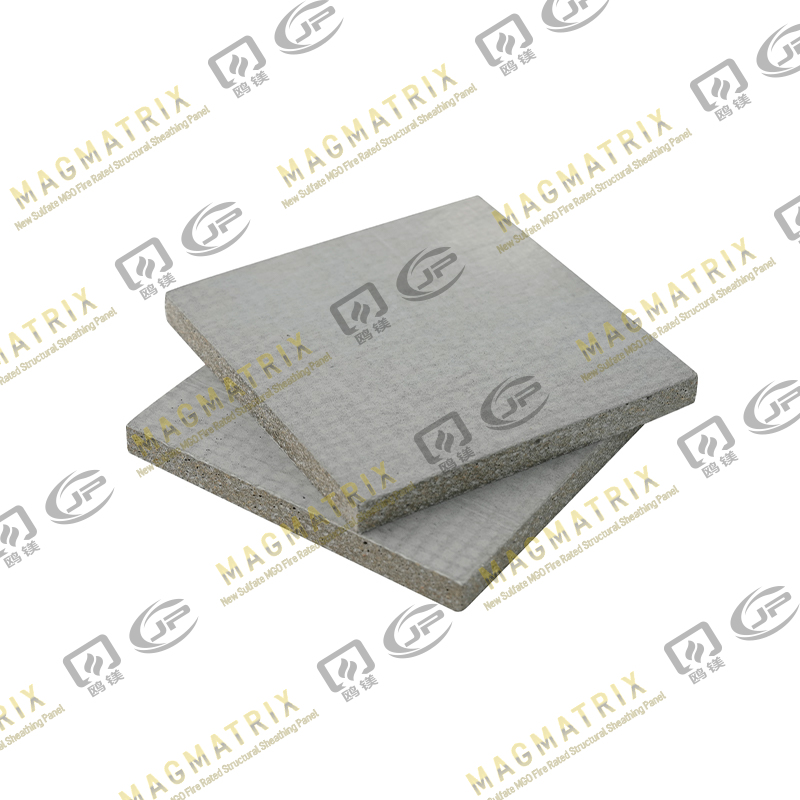 Multi-Support MgO Wall Sheathing Board
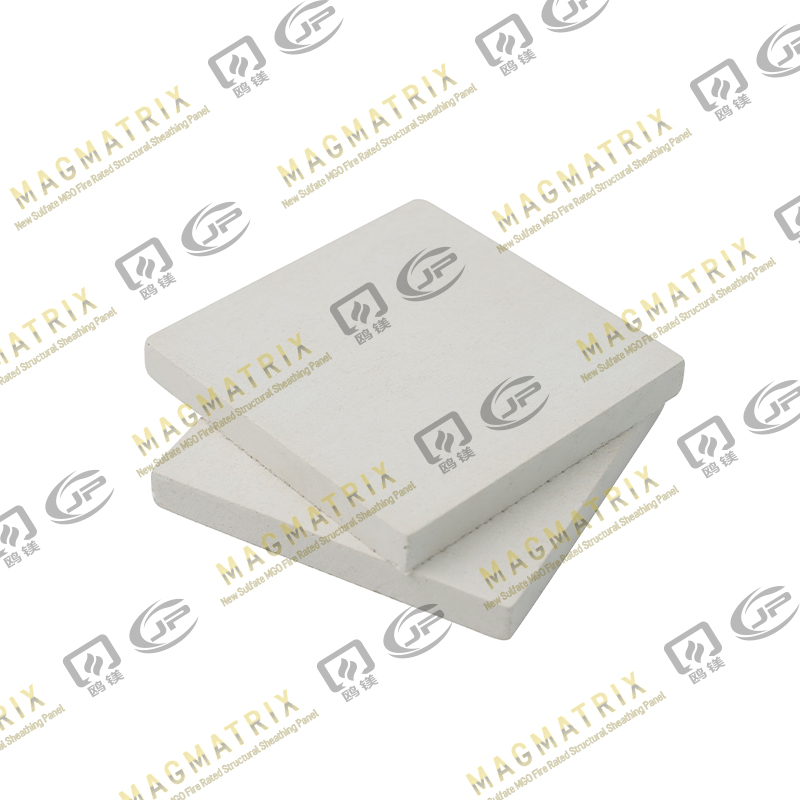 Perseverance MgO Wall Sheathing Board
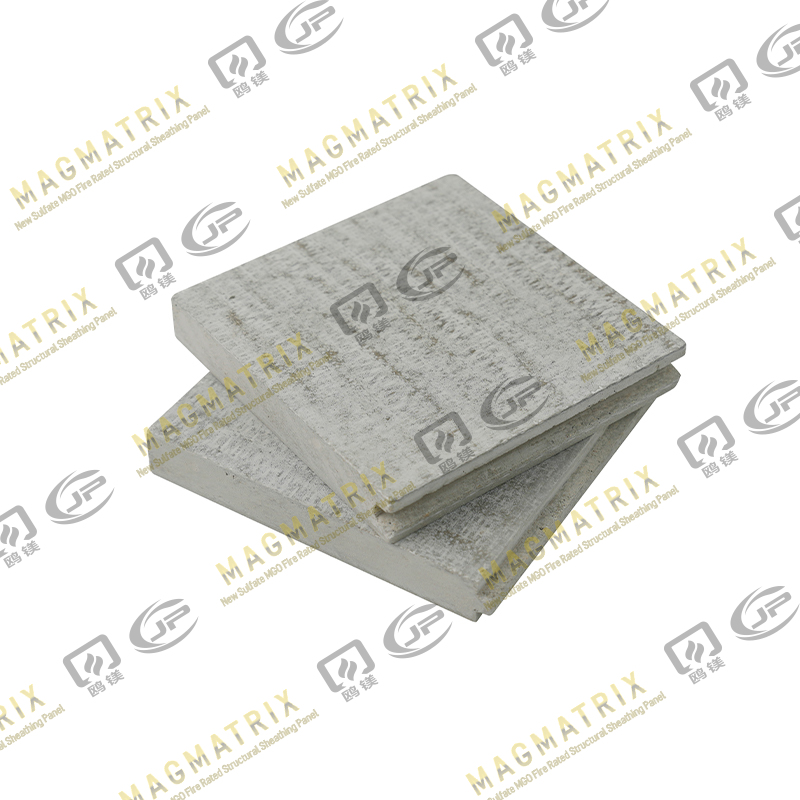 Multi-Support MgO Subfloor Sheathing Board
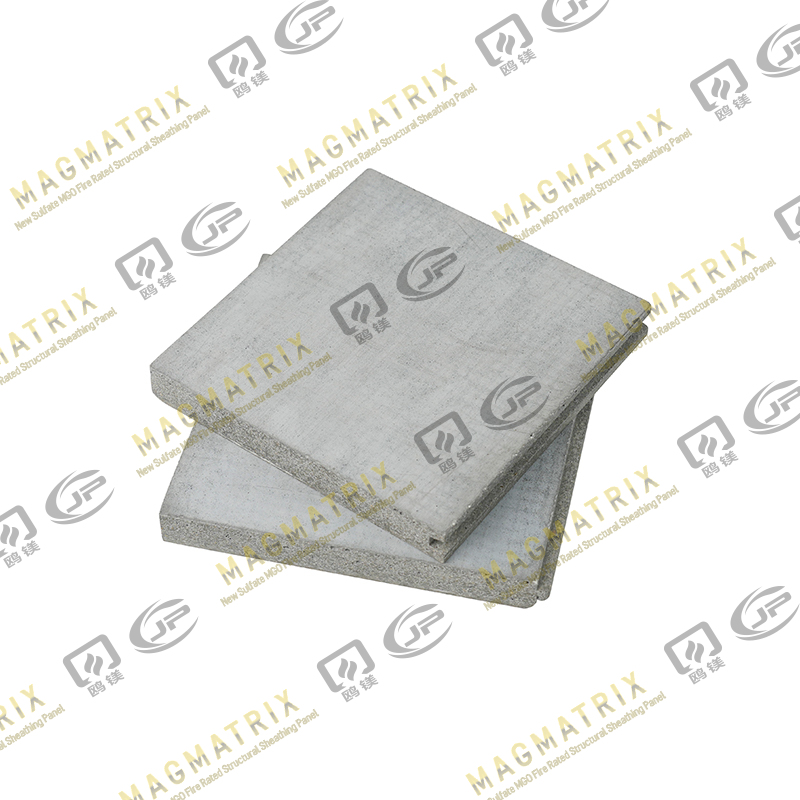 Perseverance MgO Subfloor Sheathing Board
 MagMatrix MgO Underlayment Panel/board