Introduction to Magnesium Oxide Sulfate Board
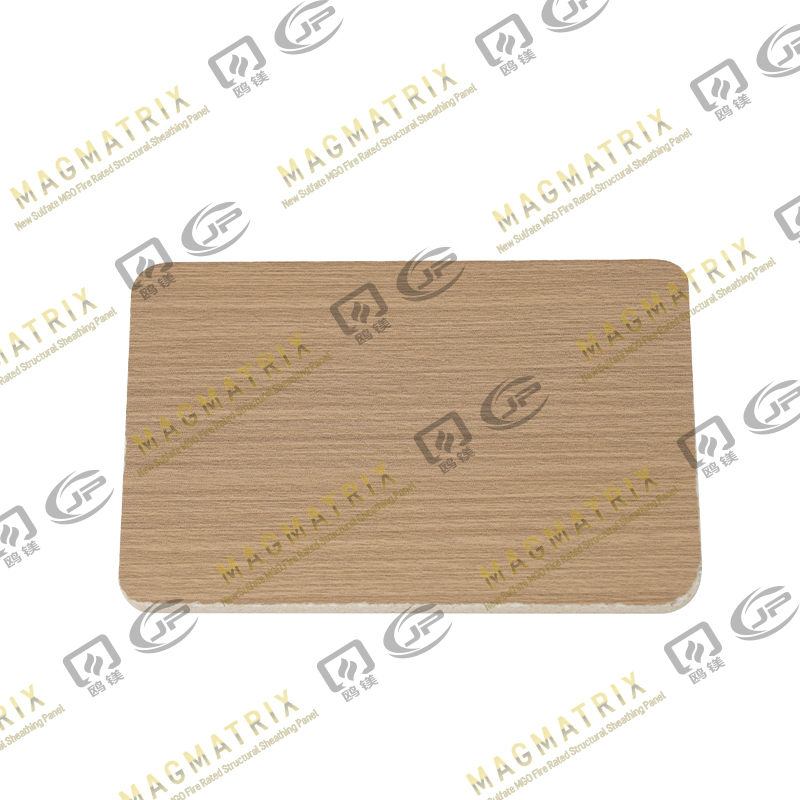
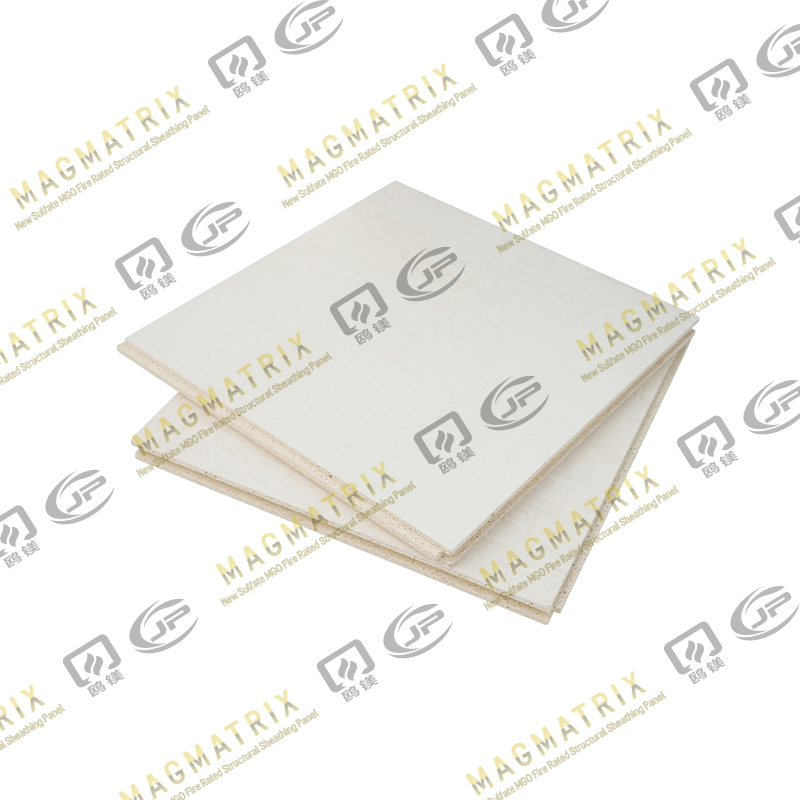
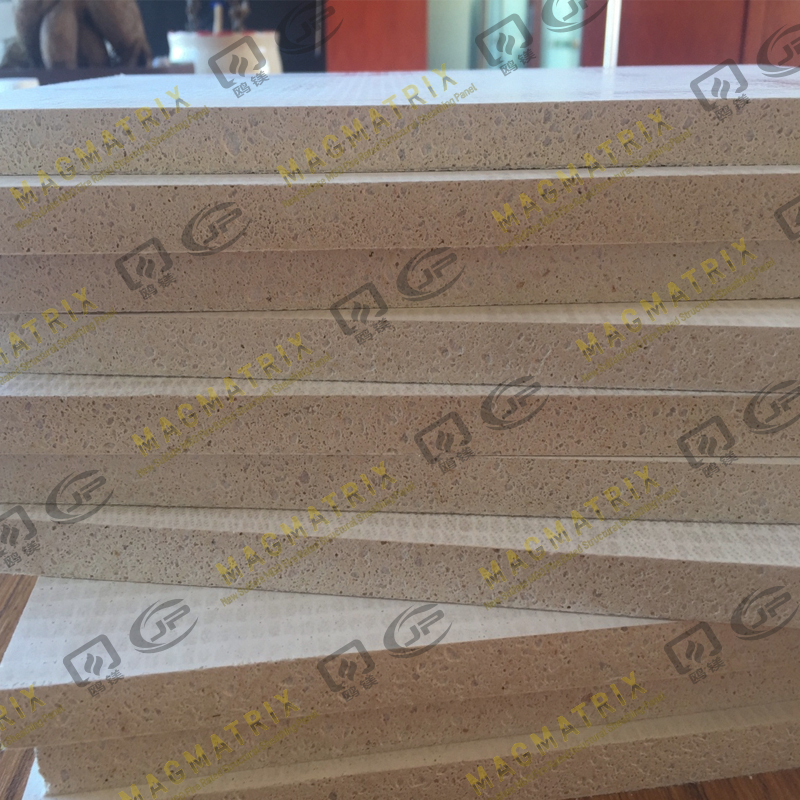
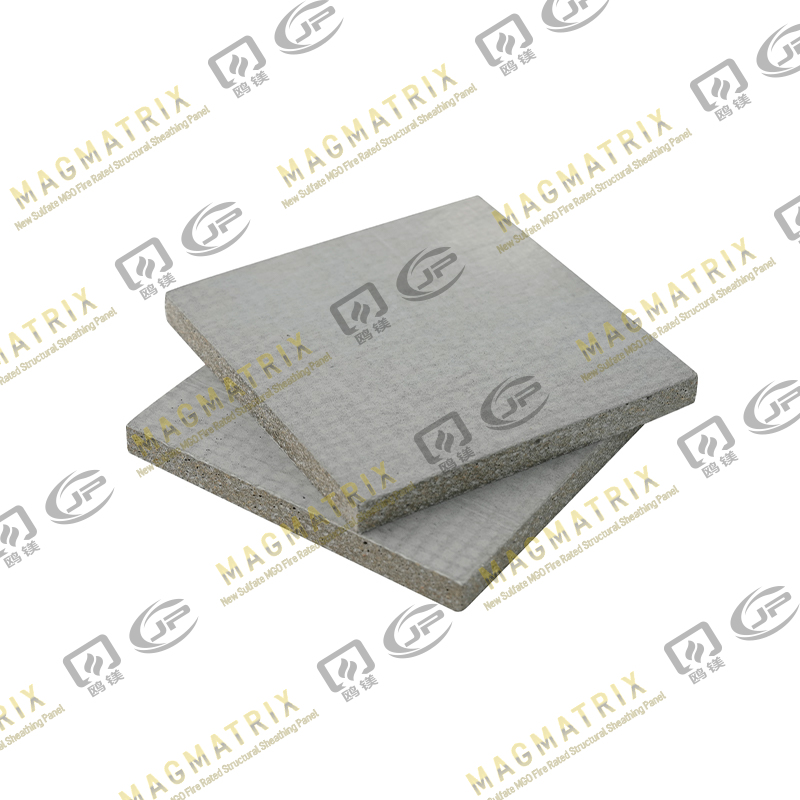
Magnesium oxide sulfate board (MOSS board) is a high-performance building material widely used in modern construction. Composed primarily of magnesium oxide, magnesium sulfate, and reinforcing fibers, this board combines lightweight strength with fire resistance, moisture resistance, and environmental safety. As construction demands shift toward sustainable and durable materials, MOSS board has emerged as a preferred solution for walls, ceilings, and partition systems in both residential and commercial projects.
Key Properties and Advantages
The unique chemical composition of magnesium oxide sulfate board gives it several advantages over traditional materials like gypsum or cement boards. These properties are critical for architects, builders, and interior designers aiming for long-lasting, safe, and efficient construction solutions.
Fire Resistance
One of the most significant benefits of MOSS board is its excellent fire resistance. The board can withstand high temperatures without releasing toxic fumes or deforming, making it suitable for fire-rated walls and ceilings in residential buildings, hospitals, schools, and commercial spaces.
Moisture and Mold Resistance
Magnesium oxide sulfate board is inherently resistant to moisture absorption. Unlike gypsum board, which may swell or deteriorate in humid environments, MOSS board maintains structural integrity, reducing the risk of mold growth and increasing indoor air quality.
Eco-Friendly and Non-Toxic
Made from naturally occurring minerals, MOSS board is free from formaldehyde and harmful chemicals. It can be recycled or safely disposed of, aligning with sustainable construction practices and green building certifications such as LEED.
Durability and Structural Stability
The inclusion of reinforcing fibers provides additional strength and impact resistance. MOSS boards are less prone to cracking and deformation, making them suitable for high-traffic areas, long-span partitions, and ceilings.
Applications in Construction
Magnesium oxide sulfate board can be used in a variety of construction scenarios where durability, safety, and performance are required. Its versatility makes it an ideal alternative to gypsum, cement, and plywood boards.
Interior Walls and Ceilings
MOSS board is commonly used for interior partition walls and ceiling panels. Its fire and moisture resistance make it suitable for kitchens, bathrooms, and commercial facilities where humidity and heat are concerns.
Exterior Applications
With proper finishing and coatings, magnesium oxide sulfate board can be used in exterior cladding or façade systems. It resists weathering, UV exposure, and minor impacts, extending the lifespan of exterior structures.
Specialty Projects
Architects often use MOSS board in high-end or specialty projects such as soundproof studios, fire-rated corridors, and hospitals. Its non-combustible and non-toxic nature ensures safety and compliance with stringent building codes.
Installation and Handling Guidelines
Correct installation is critical to maximizing the performance of magnesium oxide sulfate boards. Following standard practices ensures structural integrity, fire resistance, and moisture protection.
Surface Preparation
Before installation, surfaces should be clean, dry, and free from dust or grease. Metal or wooden frameworks must be properly aligned to support the boards and prevent deformation.
Cutting and Fixing
MOSS boards can be cut with a utility knife or circular saw. Fasteners such as screws or nails should be corrosion-resistant. Boards must be secured along all edges and joints to maintain stability and fire resistance.
Joint Treatment and Finishing
All joints should be treated with compatible tape and filler compounds. Sanding, priming, and painting must be performed with moisture-resistant coatings for optimal durability and appearance.
Comparison with Traditional Boards
Magnesium oxide sulfate board offers several advantages over gypsum, cement, and plywood boards. Understanding these differences can guide material selection for specific projects.
| Feature |
MOSS Board |
Gypsum Board |
Cement Board |
| Fire Resistance |
High |
Moderate |
High |
| Moisture Resistance |
High |
Low |
High |
| Eco-Friendliness |
High |
Moderate |
Low |
| Durability |
High |
Moderate |
High |
Maintenance and Longevity
MOSS boards require minimal maintenance compared to traditional wall systems. Regular cleaning with mild detergents is sufficient. Properly installed and finished boards can last for decades without structural degradation, making them a cost-effective long-term solution for both commercial and residential buildings.
Conclusion
Magnesium oxide sulfate board is a versatile, durable, and environmentally friendly alternative to conventional construction boards. Its fire resistance, moisture resistance, and structural stability make it ideal for modern construction demands. By choosing MOSS board, builders and designers can ensure safer, longer-lasting, and sustainable structures while meeting strict building codes and environmental standards.



 English
 русский
 Español
 BMSC 517 New Sulfate MgO Board
 Multi-Support MgO Wall Sheathing Board
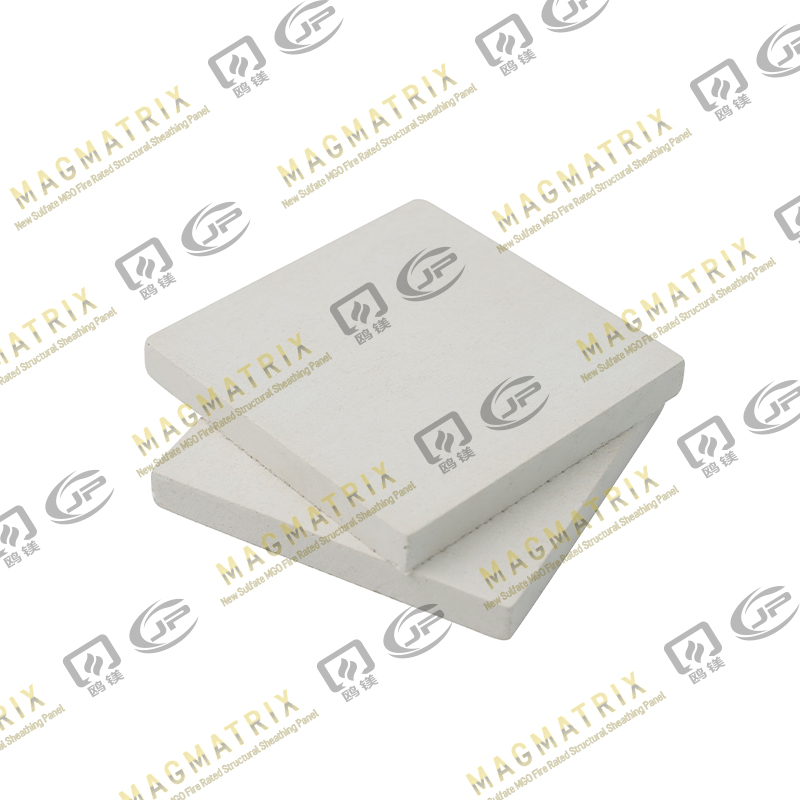 Perseverance MgO Wall Sheathing Board
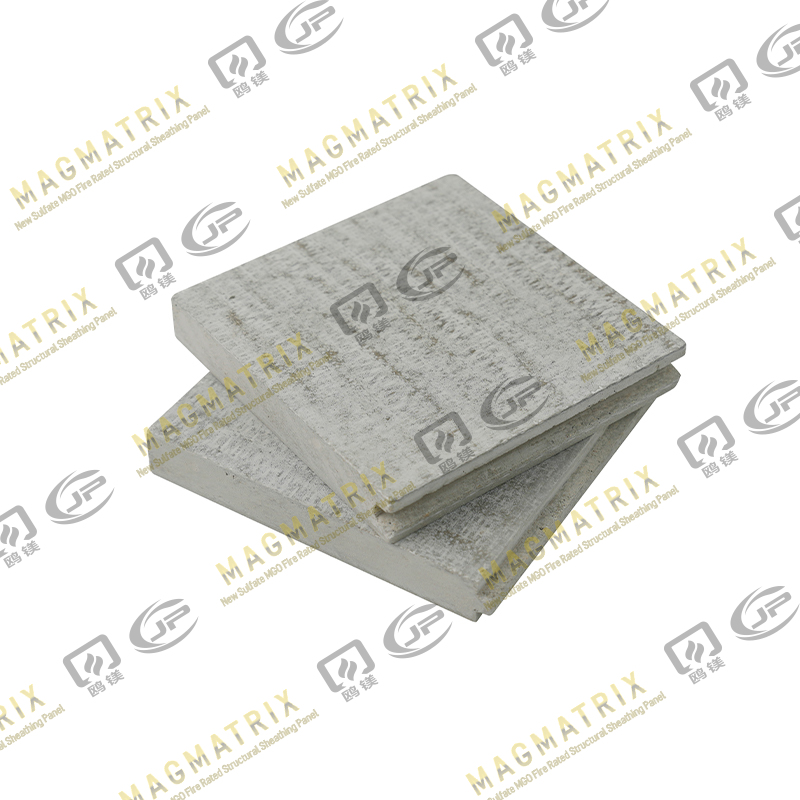 Multi-Support MgO Subfloor Sheathing Board
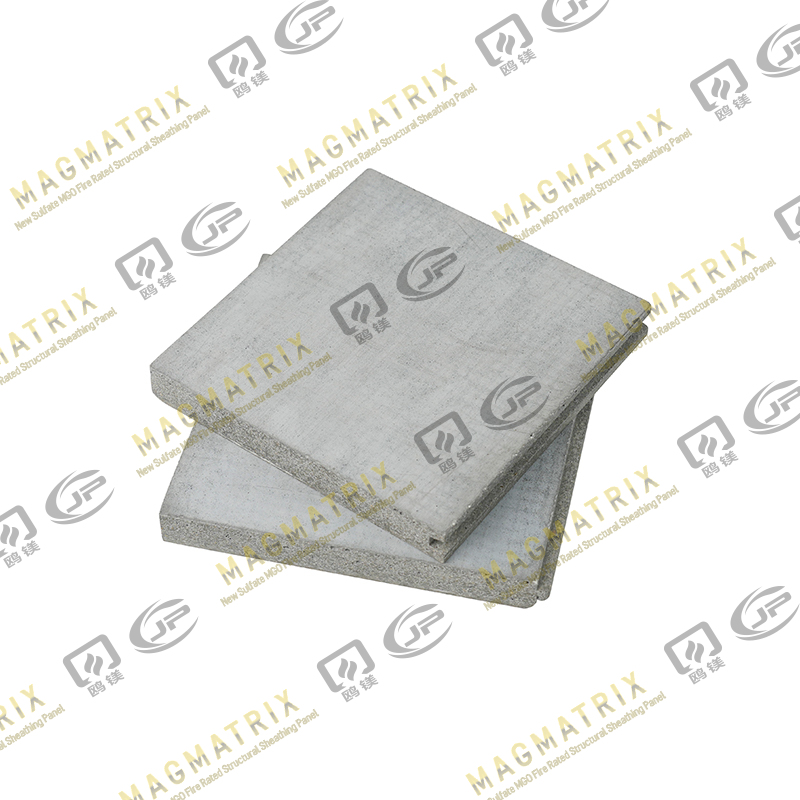 Perseverance MgO Subfloor Sheathing Board
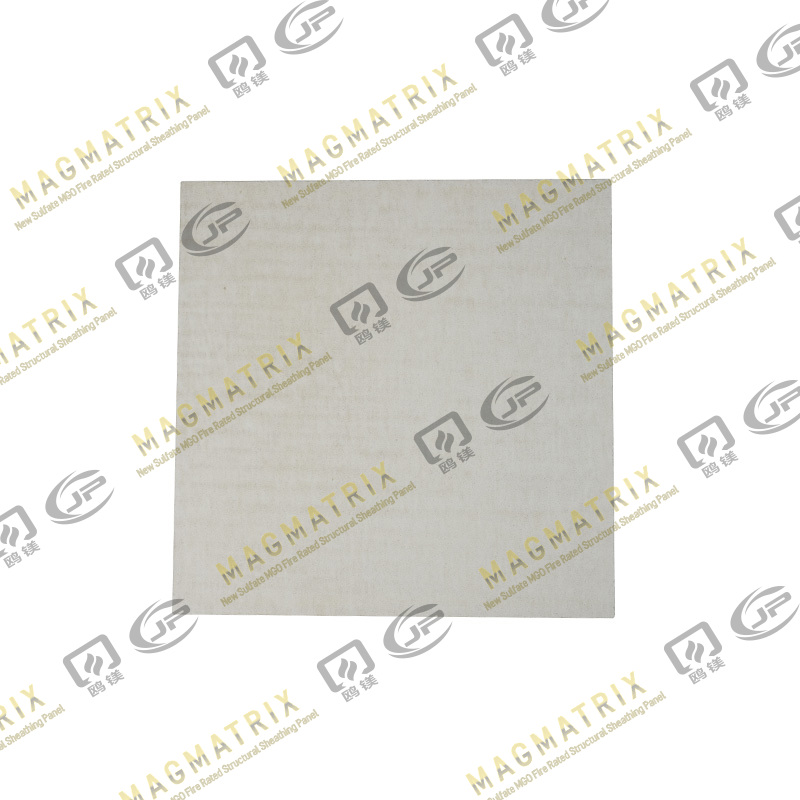 MagMatrix MgO Underlayment Panel/board