What is MGO Wall Board?
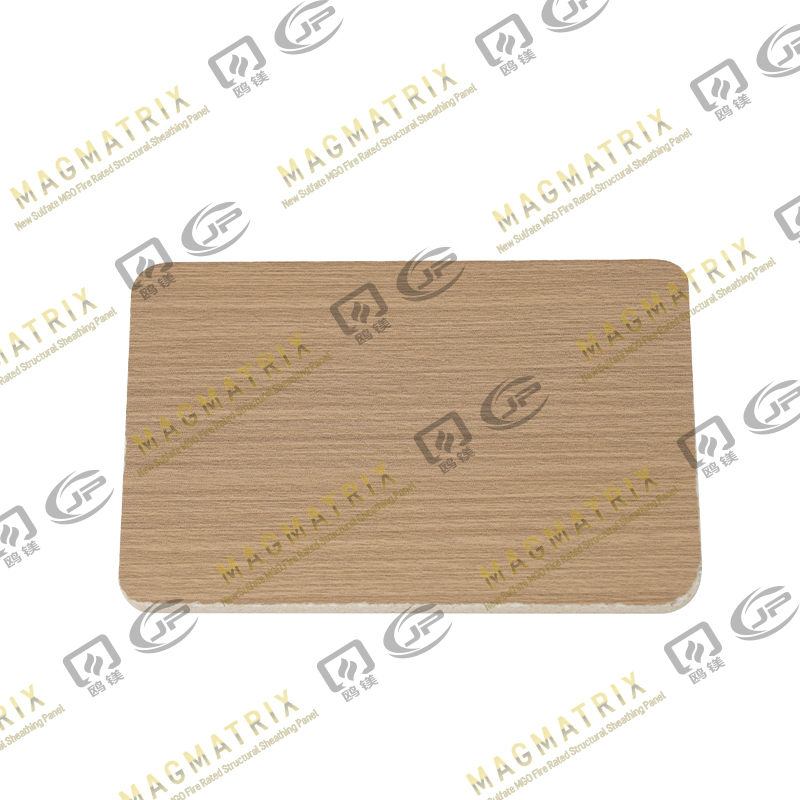
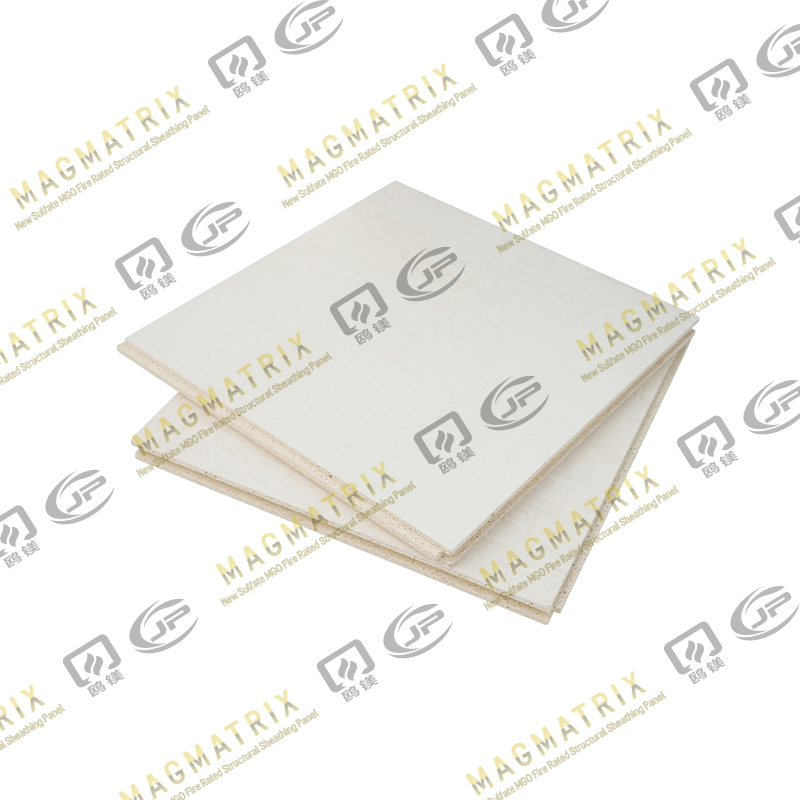
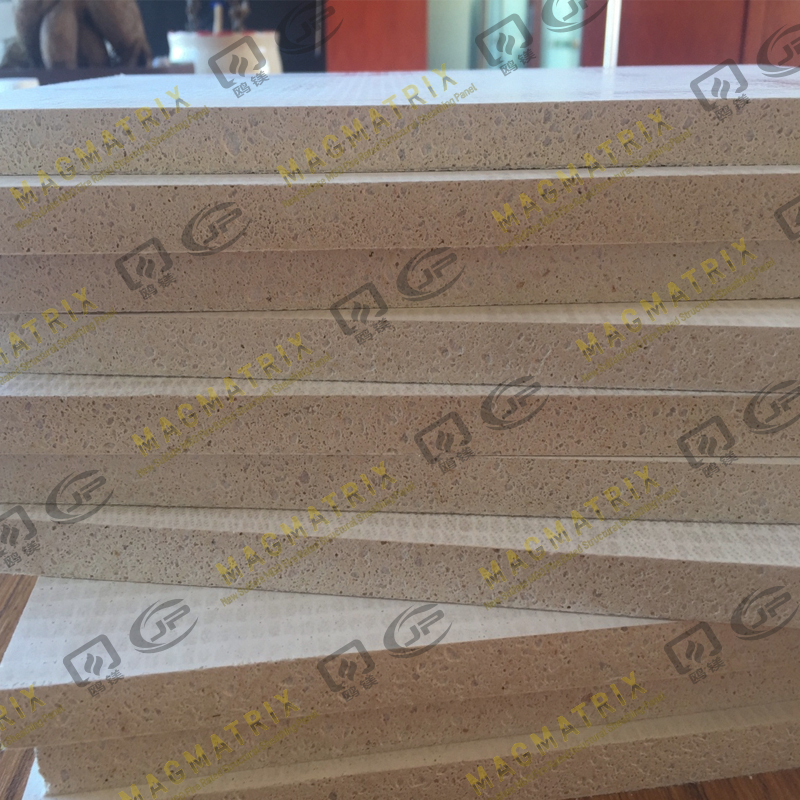
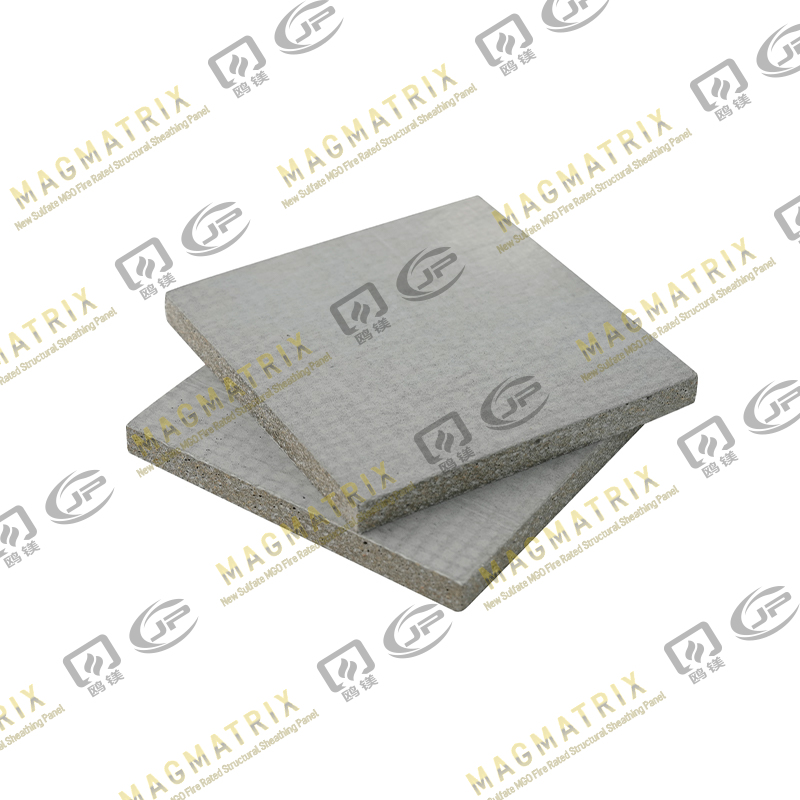
MGO wall board, also known as magnesium oxide board, is an advanced building material made from magnesium oxide, magnesium chloride, and various reinforcing agents. Unlike traditional gypsum boards, MGO wall boards are highly durable, fire-resistant, and moisture-proof, making them ideal for both residential and commercial projects. They are widely used in interior wall cladding, ceiling panels, and partition walls.
Key Properties of MGO Wall Boards
MGO wall boards are prized for their unique combination of physical and chemical properties that make them a superior alternative to conventional wall panels. The key features include:
- Fire resistance: MGO boards are non-combustible and can withstand high temperatures without deformation, making them suitable for fire-rated constructions.
- Moisture resistance: Unlike gypsum boards, MGO boards do not warp or swell in humid environments, allowing their use in bathrooms, kitchens, and exterior walls.
- Mold and pest resistance: The inorganic composition prevents mold growth and termite infestation, ensuring long-term durability.
- Eco-friendly: MGO boards are made from natural minerals and have low VOC emissions, promoting healthier indoor air quality.
- High mechanical strength: They are impact-resistant and can support heavy fixtures without cracking or sagging.
Applications of MGO Wall Boards
MGO wall boards are versatile and widely applied in various construction scenarios due to their robustness and resistance features:
Residential Buildings
In homes, MGO boards are commonly used for internal walls, ceilings, and partitions. Their fireproof and moisture-resistant properties make them ideal for kitchens, bathrooms, and utility rooms. Additionally, they provide a smooth surface for painting or wallpapering.
Commercial Spaces
In offices, hotels, and shopping complexes, MGO wall boards are used for partitions, wall cladding, and false ceilings. Their fire resistance ensures compliance with safety regulations, while their acoustic insulation properties improve indoor comfort.
Industrial Applications
MGO boards are also utilized in industrial settings where walls are exposed to high humidity, chemicals, or heat. Their durability reduces maintenance costs and extends the lifespan of the structures.
Comparison with Other Wall Materials
To understand why MGO wall boards are gaining popularity, it is useful to compare them with traditional wall materials such as gypsum boards, plywood, and cement boards:
| Property |
MGO Wall Board |
Gypsum Board |
Cement Board |
| Fire Resistance |
Excellent |
Moderate |
Good |
| Moisture Resistance |
High |
Low |
High |
| Durability |
High |
Moderate |
High |
| Eco-Friendliness |
High |
Moderate |
Low |
Installation Tips for MGO Wall Boards
Proper installation of MGO wall boards ensures maximum performance and durability. Here are key installation practices:
- Ensure the frame or substructure is level and sturdy before attaching MGO boards.
- Use corrosion-resistant screws to prevent rusting over time.
- Apply joint tape and MGO-compatible joint compound to seal gaps and create a smooth finish.
- Protect boards from prolonged exposure to water during installation to maintain structural integrity.
- Sand and finish surfaces carefully for optimal paint adhesion and aesthetic appeal.
Maintenance and Longevity
MGO wall boards are low-maintenance materials. Regular dusting and cleaning with a damp cloth are sufficient. Avoid harsh chemicals or abrasive cleaning tools that can damage the surface. With proper installation and minimal maintenance, MGO boards can last for decades without losing strength, moisture resistance, or fireproof performance.
Conclusion
MGO wall boards are an advanced solution for modern construction, offering fireproofing, moisture resistance, and long-lasting durability. Their eco-friendly composition and versatile applications make them suitable for residential, commercial, and industrial projects. By choosing MGO wall boards, builders and designers can ensure safer, healthier, and more durable interiors while meeting the increasing demand for sustainable building materials.



 English
 русский
 Español
 BMSC 517 New Sulfate MgO Board
 Multi-Support MgO Wall Sheathing Board
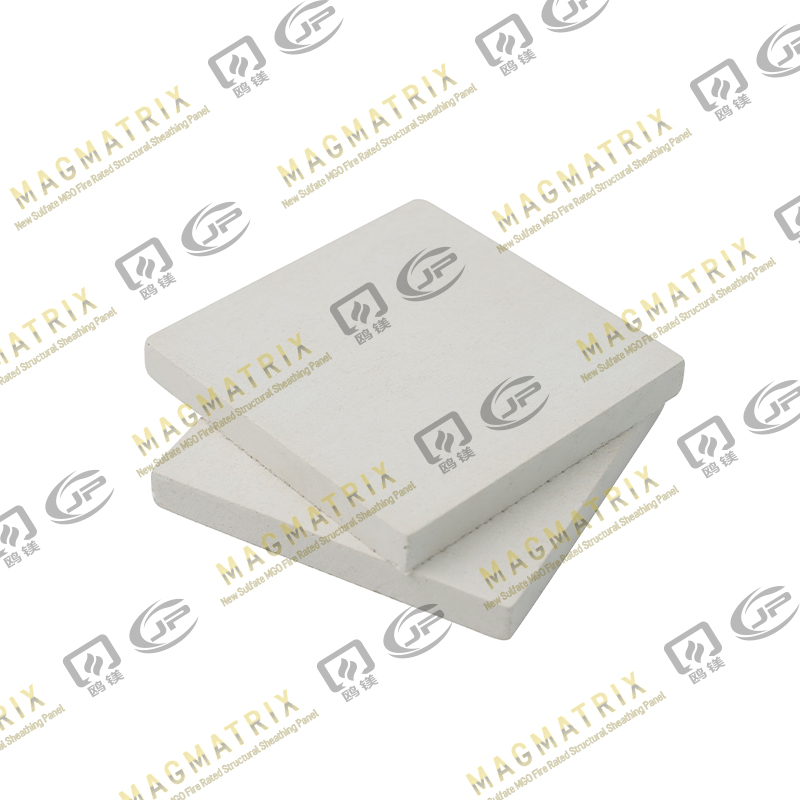 Perseverance MgO Wall Sheathing Board
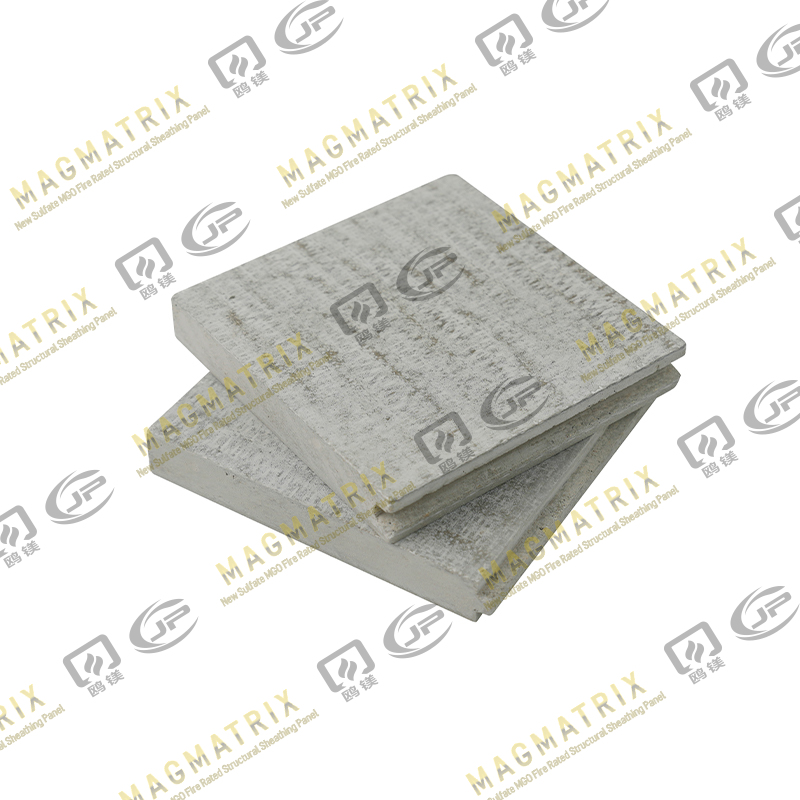 Multi-Support MgO Subfloor Sheathing Board
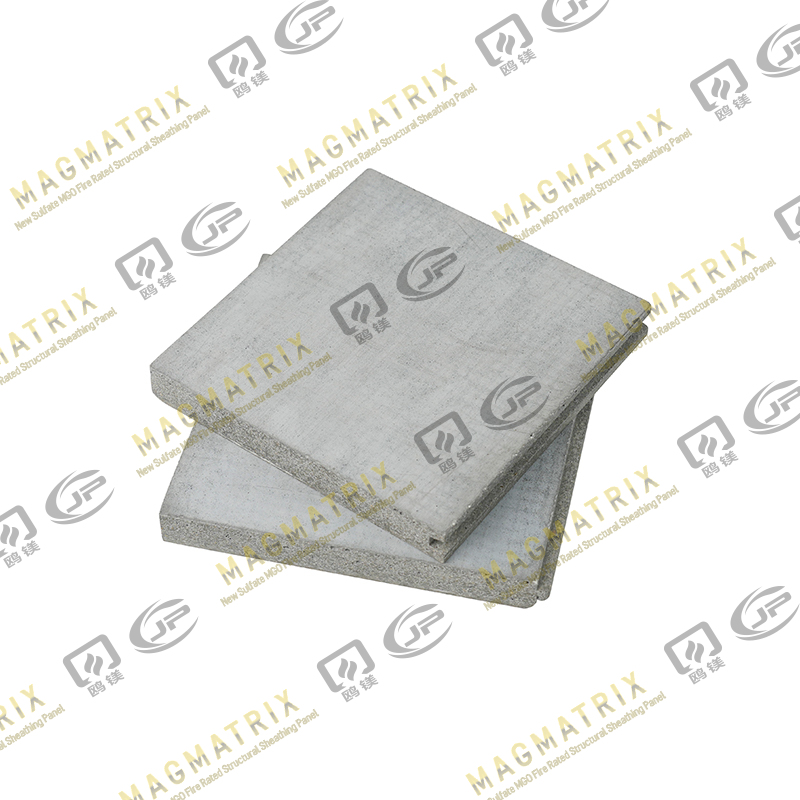 Perseverance MgO Subfloor Sheathing Board
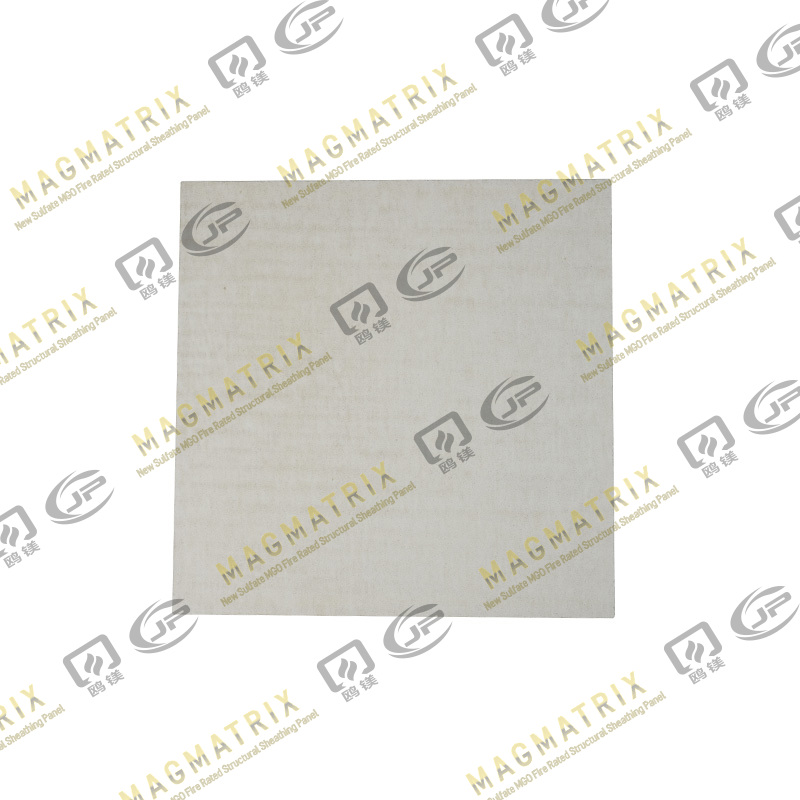 MagMatrix MgO Underlayment Panel/board