Introduction to MgO Panels
Magnesium Oxide (MgO) panels are gaining popularity in construction due to their durability, fire resistance, and versatility. These panels are made from magnesium oxide, a natural mineral that is combined with other materials such as fiber and magnesium chloride to create a strong, lightweight panel. MgO panels are used in a wide range of applications, from wall cladding to flooring and ceiling tiles.
In this article, we will explore how combining MgO panels can optimize construction projects, improve energy efficiency, and provide long-term benefits in both residential and commercial buildings.
Benefits of Combining MgO Panels
Combining MgO panels in construction projects can bring multiple benefits, both in terms of performance and sustainability. Here are some of the key advantages:
- Improved Fire Resistance: MgO panels are non-combustible and offer superior fire resistance compared to traditional materials like gypsum boards or plywood.
- Enhanced Durability: MgO panels are highly resistant to moisture, mold, and pests, making them ideal for environments with high humidity or prone to water damage.
- Energy Efficiency: Combining MgO panels can help achieve better insulation and thermal resistance, leading to improved energy efficiency in buildings.
- Environmentally Friendly: MgO panels are made from natural, sustainable materials and are recyclable, reducing the environmental impact of construction.
Applications of MgO Panels in Construction
The versatility of MgO panels makes them suitable for a wide variety of applications in construction. Below are some common uses:
Wall Cladding and Facades
MgO panels are often used for exterior cladding due to their excellent weather resistance and ability to withstand extreme temperatures. These panels provide a protective layer that enhances the aesthetic appeal of a building while offering durability and safety.
Fireproofing and Insulation
MgO panels are widely used for fireproofing and as an insulating material in both residential and commercial buildings. Their ability to resist heat makes them ideal for use in fire-resistant walls, ceilings, and floors. When combined with other insulation materials, MgO panels can significantly improve a building’s thermal performance.
Flooring and Ceiling Tiles
Magnesium oxide panels are also used in flooring and ceiling applications. The panels are lightweight yet strong, making them an excellent choice for installations that require both durability and ease of handling. In addition, their resistance to moisture and mold makes them ideal for spaces like kitchens, bathrooms, and basements.
How to Combine MgO Panels Effectively
Combining MgO panels effectively requires attention to detail in the planning and installation phases. Below are some key considerations for achieving the best results:
Choosing the Right Panel Thickness
The thickness of the MgO panels should be selected based on the specific requirements of the project. For example, exterior walls may require thicker panels to offer better insulation and weather resistance, while interior applications may benefit from thinner panels to reduce weight and cost.
Proper Installation and Sealing
Proper installation is crucial for maximizing the benefits of MgO panels. It is important to follow the manufacturer’s guidelines for sealing the joints and edges to prevent moisture infiltration and ensure the longevity of the panels.
Ensuring Structural Integrity
When combining multiple panels, it is essential to ensure that the structure remains stable. Reinforcements such as steel or aluminum framing may be required for larger or load-bearing installations.
Considerations for Cost and Sustainability
While MgO panels offer numerous benefits, it is important to consider the cost-effectiveness and environmental impact of using them in construction projects. Below are some factors to keep in mind:
Cost-Effectiveness
While MgO panels may have a higher upfront cost compared to traditional materials like drywall, they offer long-term savings due to their durability and low maintenance requirements. Additionally, their energy-efficient properties can help reduce heating and cooling costs over time.
Sustainability and Environmental Impact
MgO panels are made from natural, non-toxic materials, making them an environmentally friendly option for construction. Additionally, their ability to resist mold and pests reduces the need for harmful chemicals and treatments, contributing to healthier indoor air quality.
Conclusion
Combining MgO panels in construction can offer numerous benefits, from enhanced fire resistance and durability to improved energy efficiency and sustainability. By carefully considering the panel thickness, installation methods, and cost implications, builders can make the most of these versatile materials to create safer, more energy-efficient buildings. As demand for environmentally conscious construction materials grows, MgO panels are likely to play a larger role in shaping the future of construction.



 English
 русский
 Español
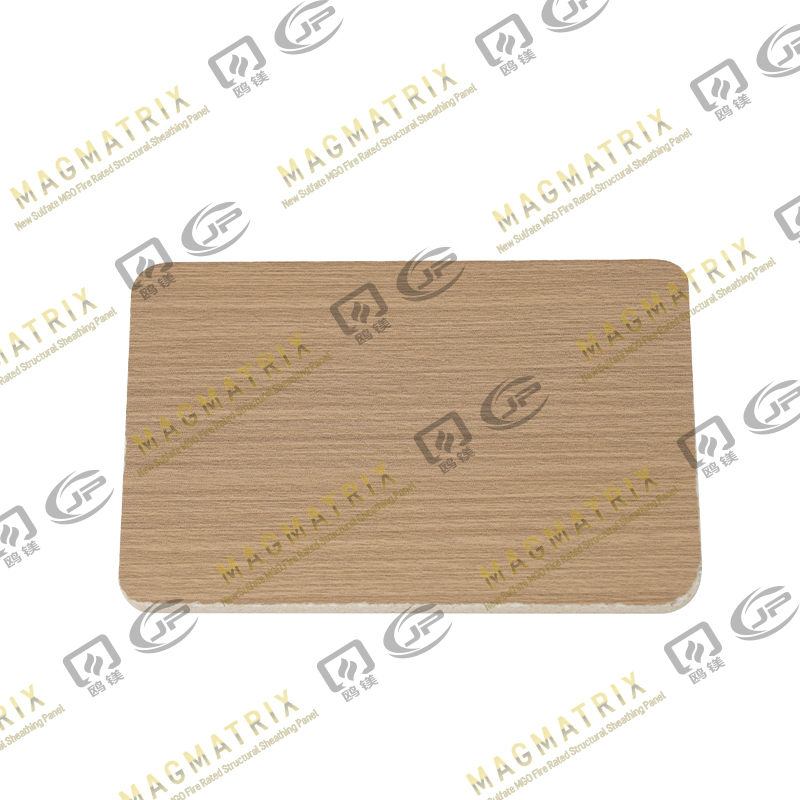
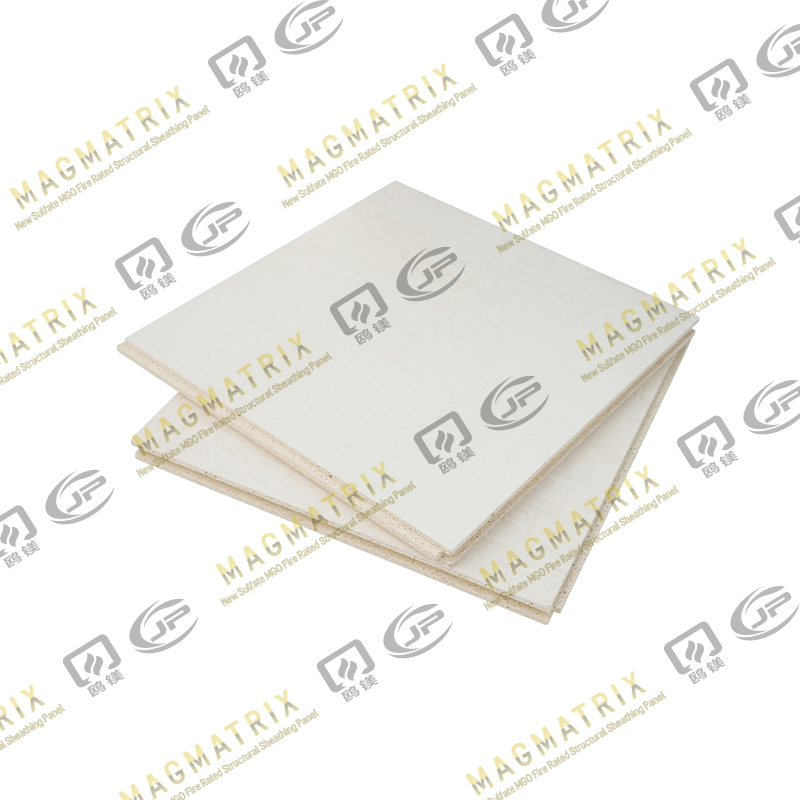
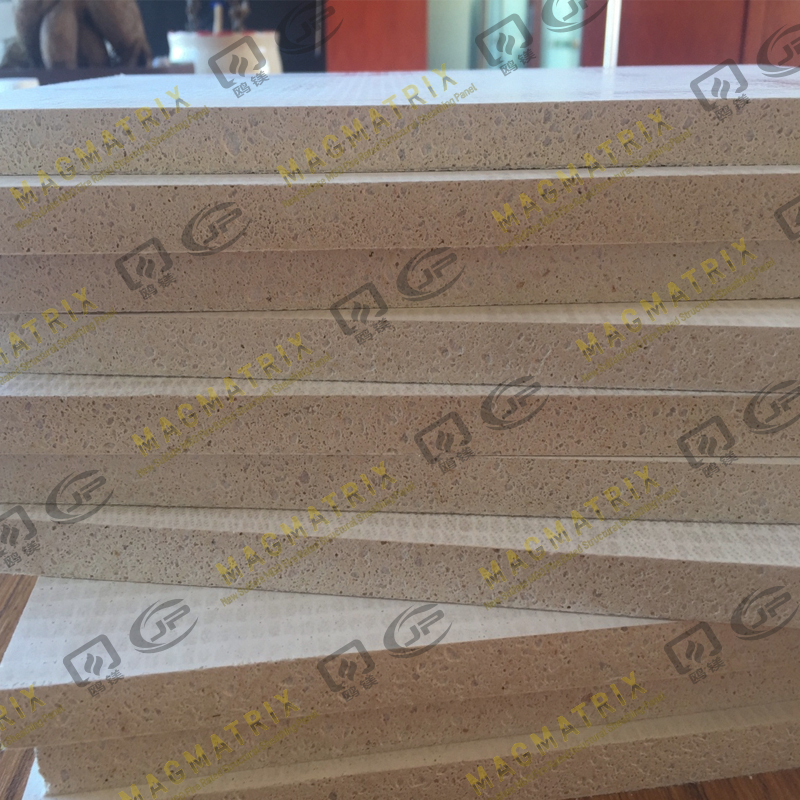 BMSC 517 New Sulfate MgO Board
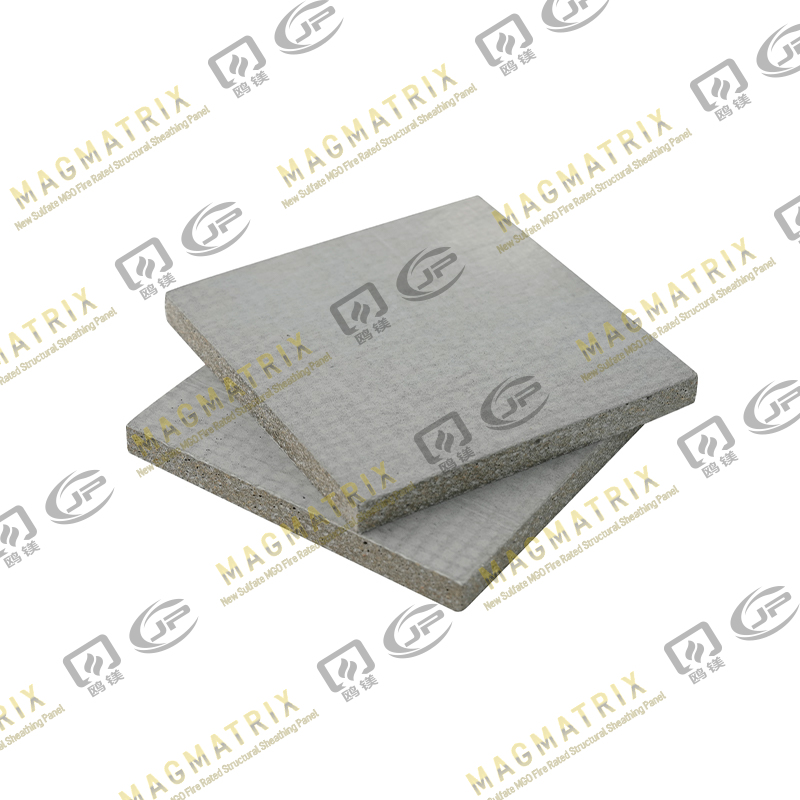 Multi-Support MgO Wall Sheathing Board
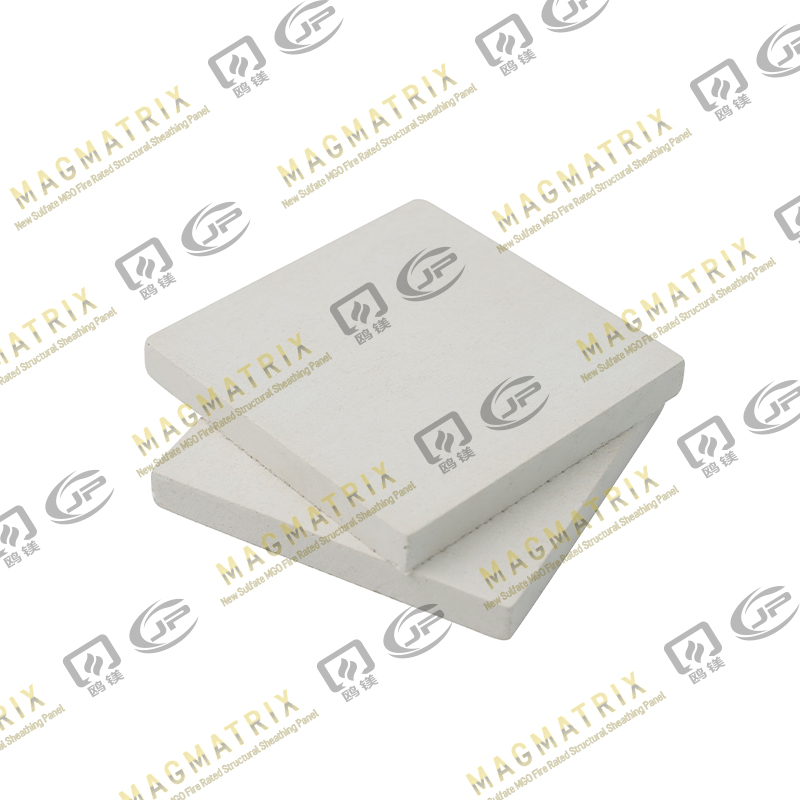 Perseverance MgO Wall Sheathing Board
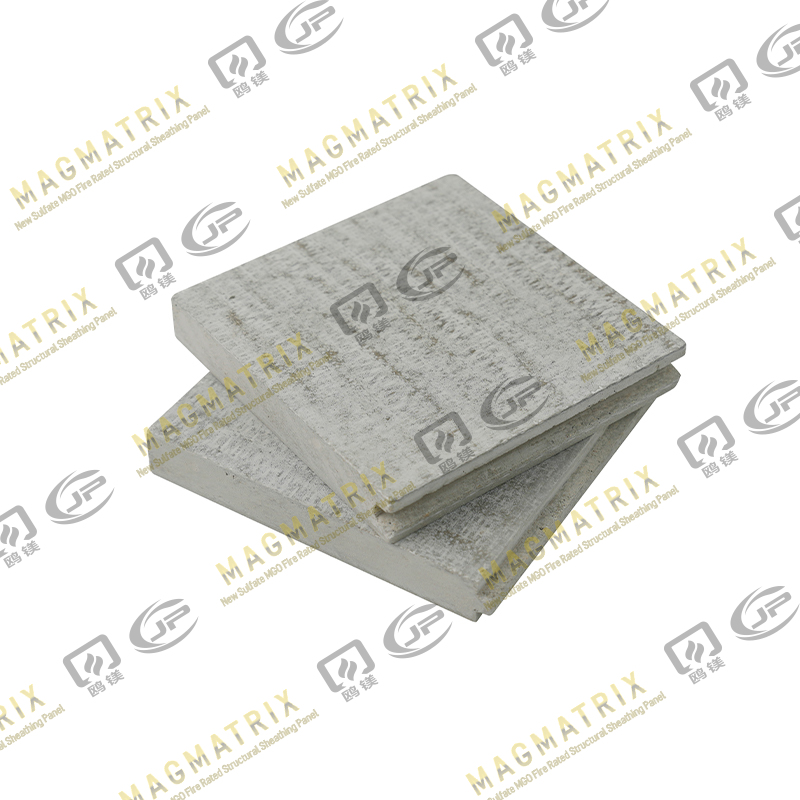 Multi-Support MgO Subfloor Sheathing Board
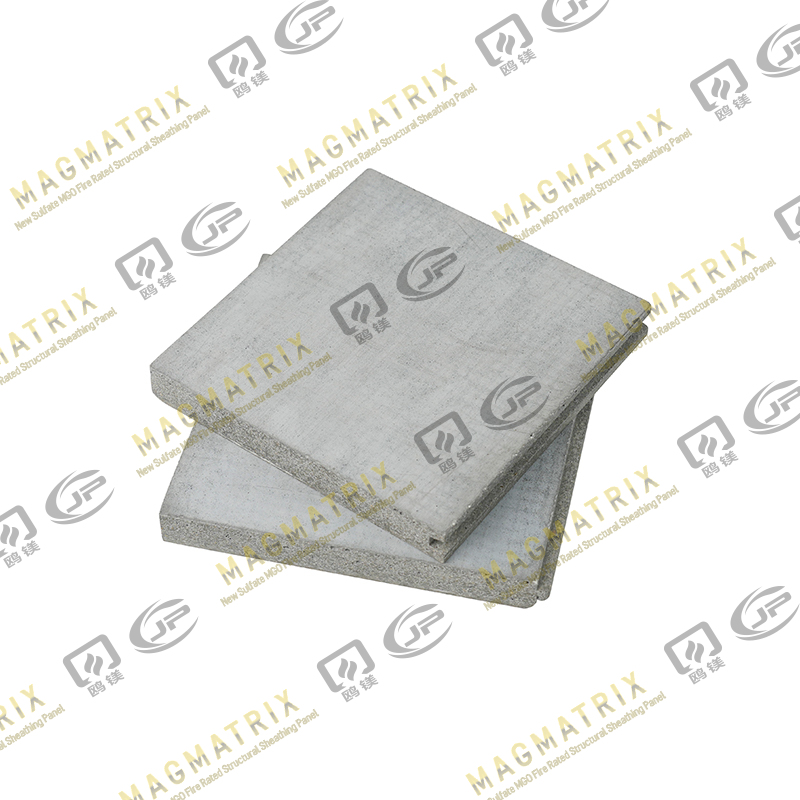 Perseverance MgO Subfloor Sheathing Board
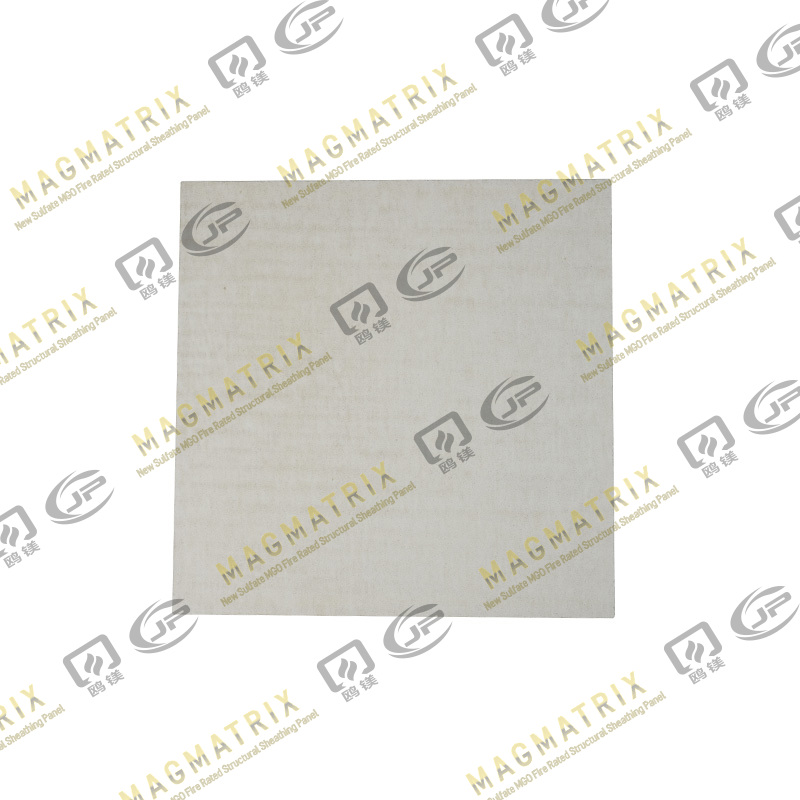 MagMatrix MgO Underlayment Panel/board