What is Mgo Board?
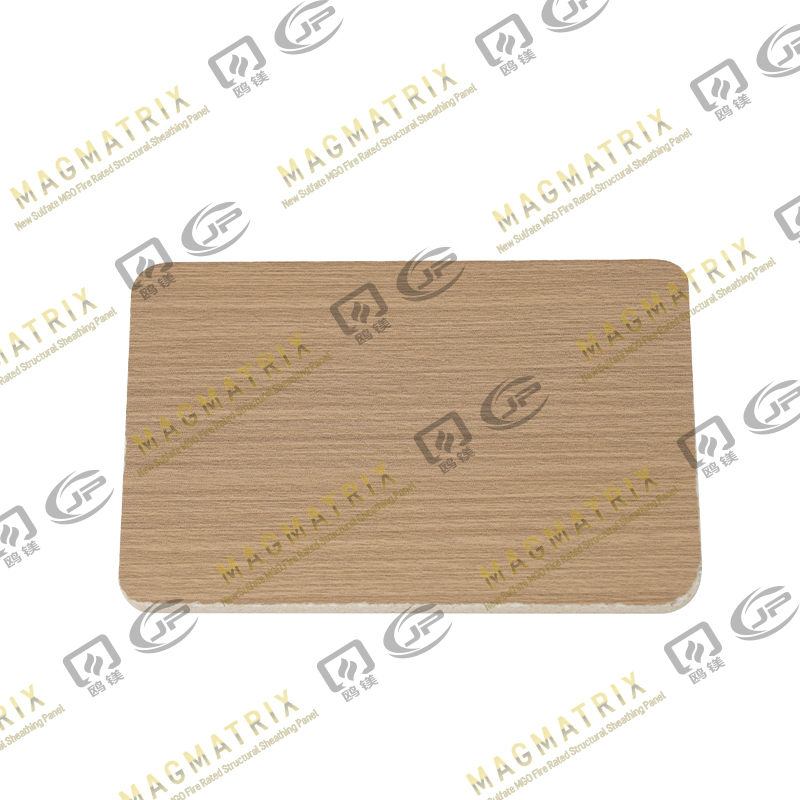
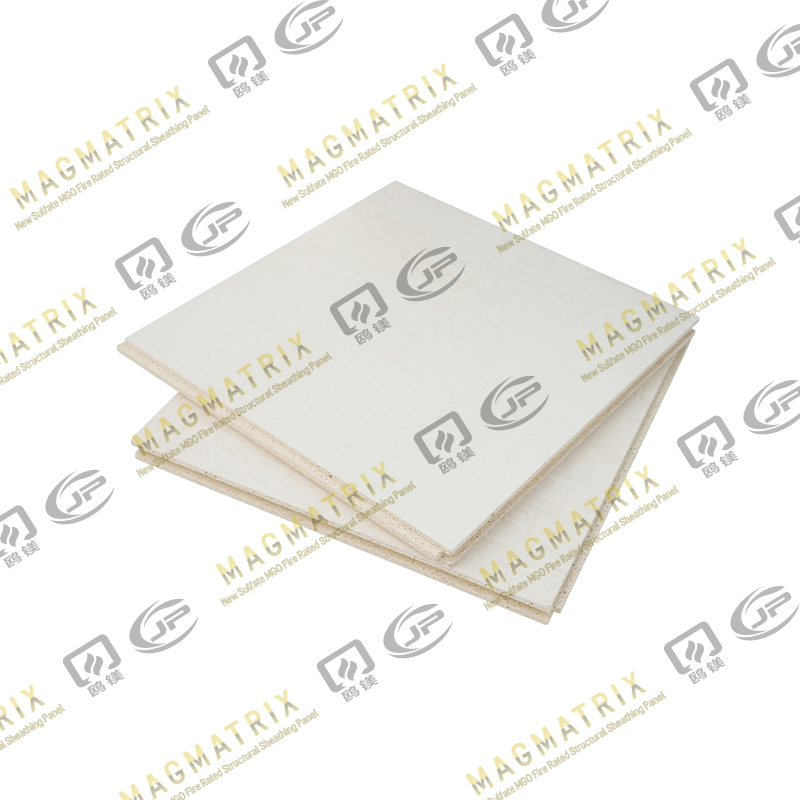
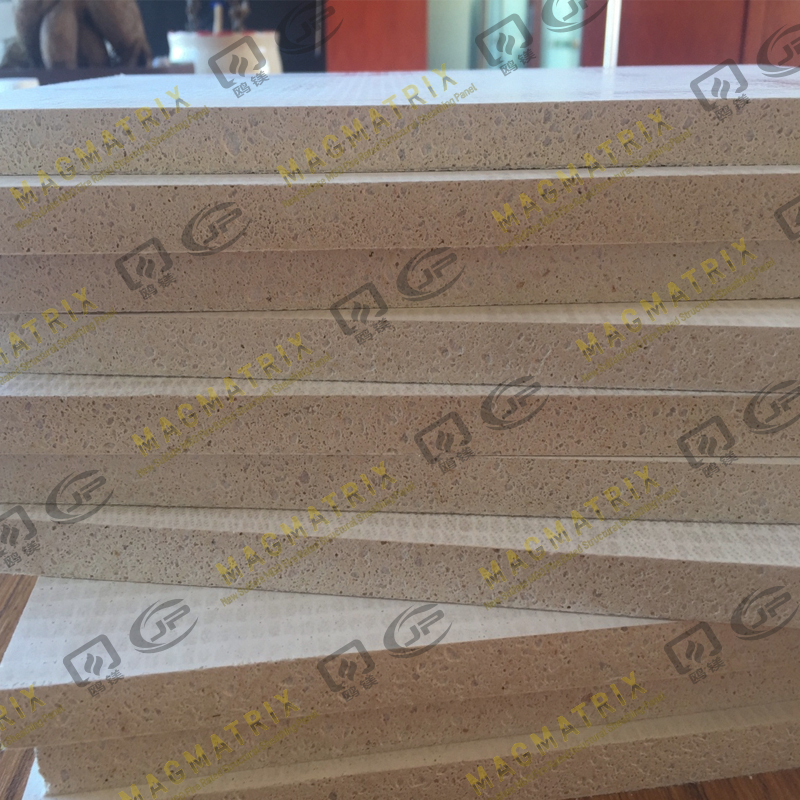
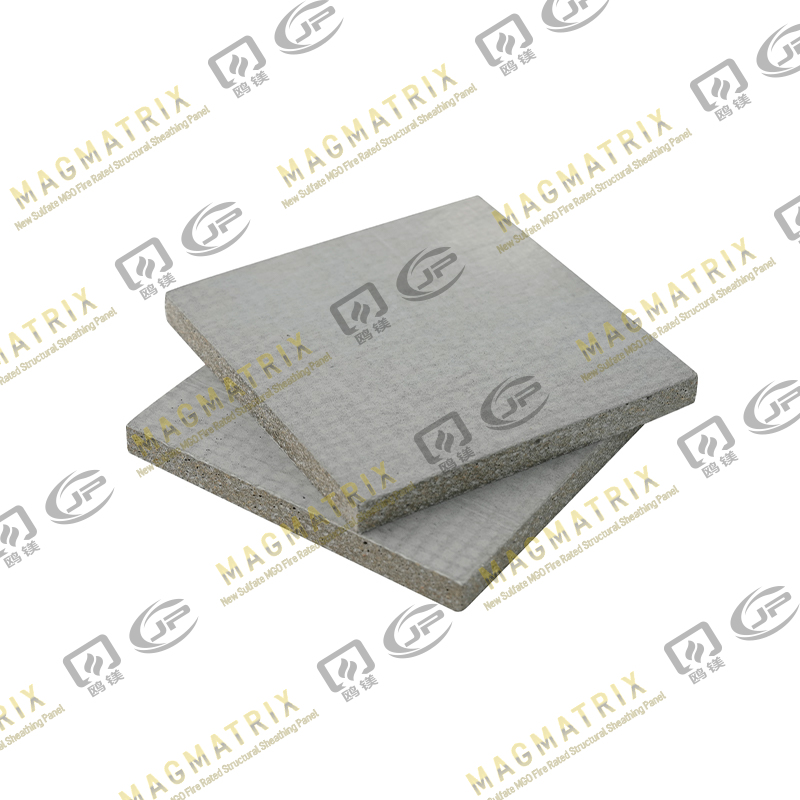
Magnesium Oxide (Mgo) board, often known as MgO board, is an advanced construction material primarily used in place of traditional materials like gypsum or cement boards. It is made by combining magnesium oxide, magnesium chloride, and reinforcing fibers, offering a unique blend of strength and durability. As a fire-resistant and eco-friendly material, Mgo board has become increasingly popular in the construction and building industry for its performance and versatility.
Key Features of Mgo Board
Mgo boards stand out due to their exceptional features, which make them an ideal choice for both residential and commercial construction projects. Below are the key characteristics of Mgo board:
- Fire Resistance: Mgo board can withstand extremely high temperatures without releasing toxic gases, making it an excellent material for fireproofing.
- Water Resistance: The material is highly resistant to moisture, preventing mold growth and ensuring long-term durability.
- Lightweight: Despite its strength, Mgo board is lightweight, making it easy to handle and install.
- Eco-Friendly: Mgo boards are made from natural materials and are recyclable, reducing their environmental impact.
- Strength and Durability: Magnesium oxide boards are highly durable, providing solid structural support and resisting impacts and wear over time.
- Non-Toxic: Unlike some other building materials, Mgo boards do not emit harmful chemicals, which makes them safer for use in interior spaces.
Benefits of Using Mgo Board in Construction
The use of Mgo board in construction brings several advantages, particularly for eco-conscious builders and homeowners looking for high-performance materials. The following are the top benefits of incorporating Mgo board into your building project:
Enhanced Fire Protection
Fire safety is a top priority in modern construction, and Mgo board excels in this regard. Magnesium oxide is a naturally fire-resistant material, making Mgo board an excellent option for fireproofing walls, ceilings, and floors. In fact, Mgo boards can withstand direct flames for hours, providing critical time for evacuation in case of fire.
Moisture and Mold Resistance
Mgo board’s resistance to water and moisture is another significant benefit. Unlike gypsum boards that can absorb water, Mgo boards remain unaffected by dampness. This feature makes them highly suitable for use in areas prone to humidity, such as bathrooms, kitchens, and basements. Mgo board's resistance to moisture also prevents the growth of mold, which can cause severe health problems.
Durability and Longevity
Mgo boards are durable and can withstand harsh conditions better than traditional boards. Their resistance to impact, wear, and tear ensures that the structures remain intact for years. Whether it's residential homes or high-traffic commercial spaces, Mgo boards are designed to last.
Eco-Friendly and Sustainable
Sustainability is a growing concern in construction, and Mgo boards align perfectly with this trend. They are made from natural, non-toxic materials, and their production process is energy-efficient. Additionally, Mgo boards are recyclable, reducing waste and making them an environmentally responsible choice.
Common Applications of Mgo Board
Mgo boards have a wide range of applications due to their versatility and durability. Below are some of the most common ways in which Mgo boards are used in construction:
- Interior Walls and Ceilings: Mgo boards are frequently used in place of drywall for creating fire-resistant and moisture-resistant interior surfaces.
- Fire-Rated Panels: Due to their fire-resistant properties, Mgo boards are commonly used as fire-rated panels in both residential and commercial buildings.
- Flooring Underlayment: Mgo boards provide a solid and durable foundation for various flooring materials, offering additional strength and moisture resistance.
- Exterior Cladding: Mgo boards are also used in exterior cladding systems, offering protection against weather elements while maintaining aesthetic appeal.
- Backer Board for Tile: Mgo boards are an excellent alternative to cement boards for use as a backer for tiles in wet environments.
How to Install Mgo Board
Installing Mgo boards is a relatively simple process that requires basic tools and materials. Below is a step-by-step guide for installing Mgo boards:
- Prepare the surface: Ensure that the surface where the Mgo board will be installed is clean, dry, and free of any debris or moisture.
- Cut the Mgo board: Use a circular saw or handsaw to cut the board to the required size. Ensure that the edges are smooth for a tight fit.
- Attach the board: Fasten the Mgo board to the studs or framing using screws or nails. Make sure the fasteners are placed at appropriate intervals to secure the board firmly.
- Seal the joints: Use joint compound or Mgo board adhesive to seal the edges and seams between the boards, ensuring that the installation is airtight and water-resistant.
- Finish the surface: After installation, you can finish the surface with paint, tile, or other materials to enhance its appearance.
Conclusion
Mgo board offers numerous advantages, including fire resistance, moisture protection, durability, and sustainability, making it an excellent choice for modern construction projects. Its applications range from interior wall panels to exterior cladding, making it a versatile material for builders and homeowners alike. Whether you are looking to enhance fire safety, reduce environmental impact, or improve the longevity of your construction, Mgo boards are a smart and reliable option. As the demand for eco-friendly and high-performance materials continues to grow, Mgo board is poised to become a staple in the construction industry.



 English
 русский
 Español
 BMSC 517 New Sulfate MgO Board
 Multi-Support MgO Wall Sheathing Board
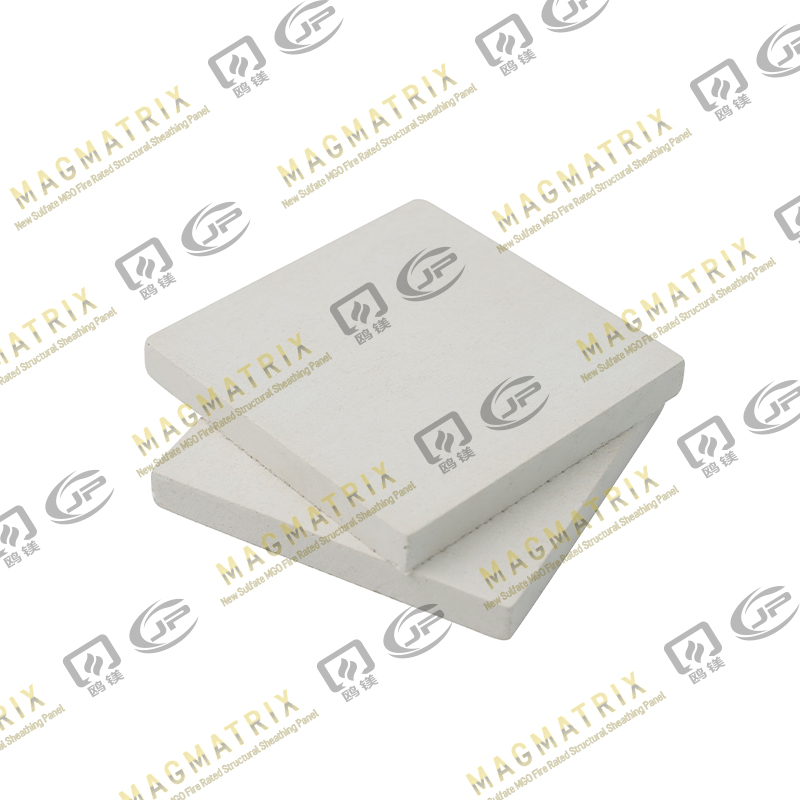 Perseverance MgO Wall Sheathing Board
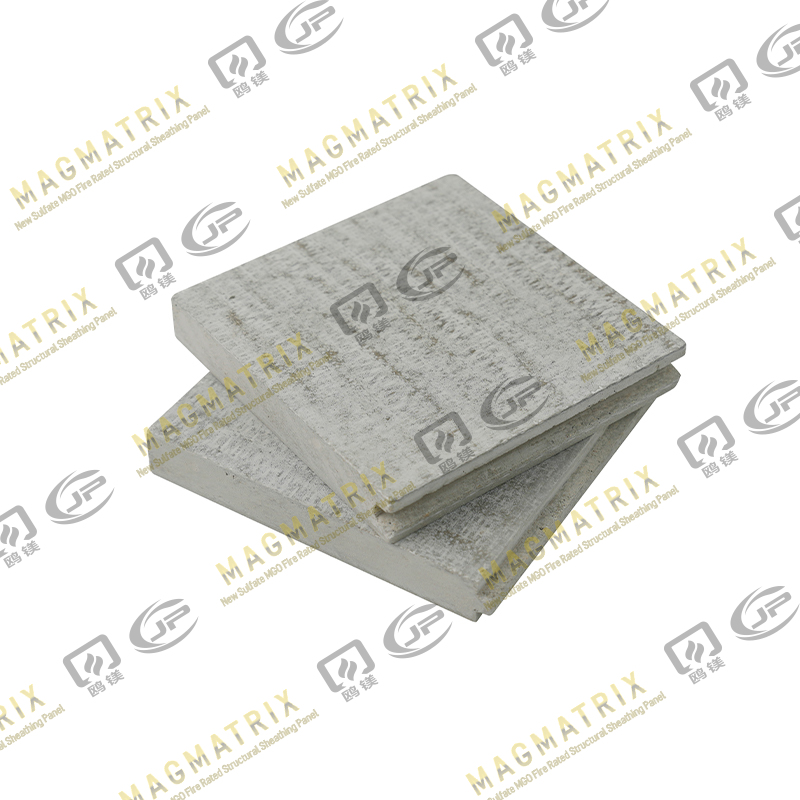 Multi-Support MgO Subfloor Sheathing Board
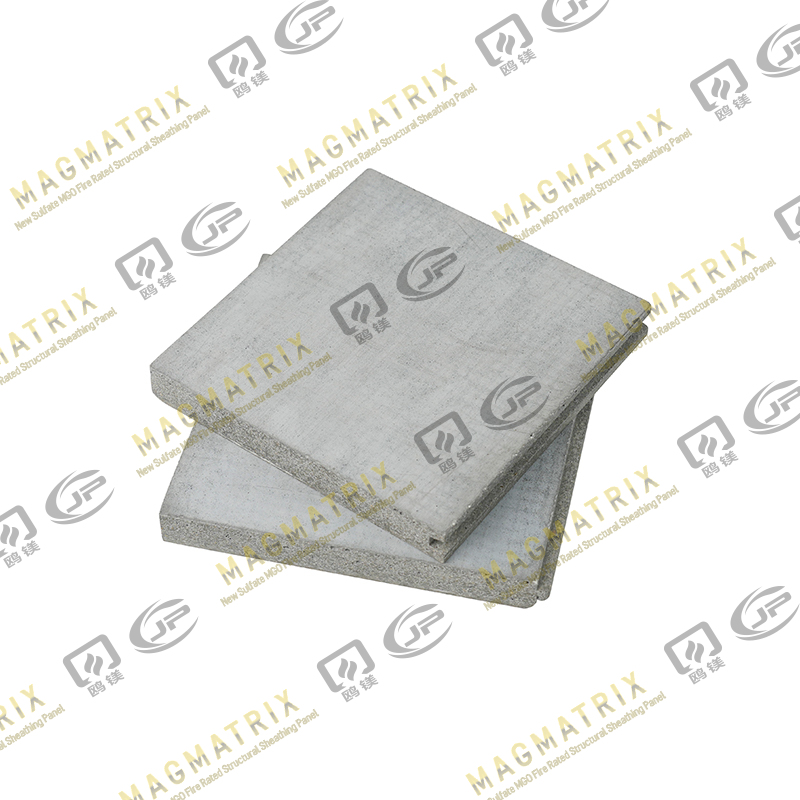 Perseverance MgO Subfloor Sheathing Board
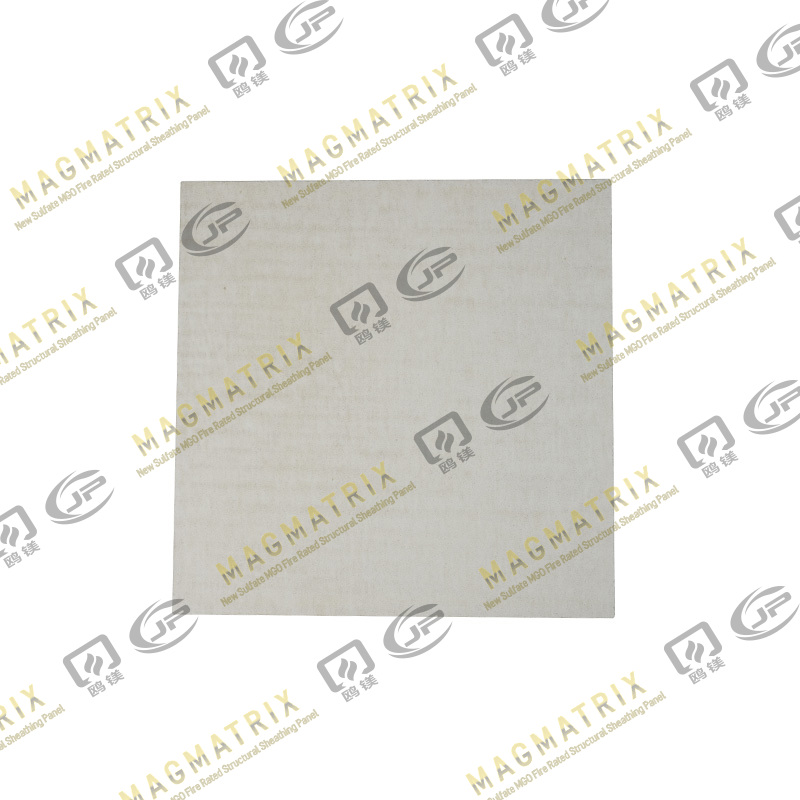 MagMatrix MgO Underlayment Panel/board