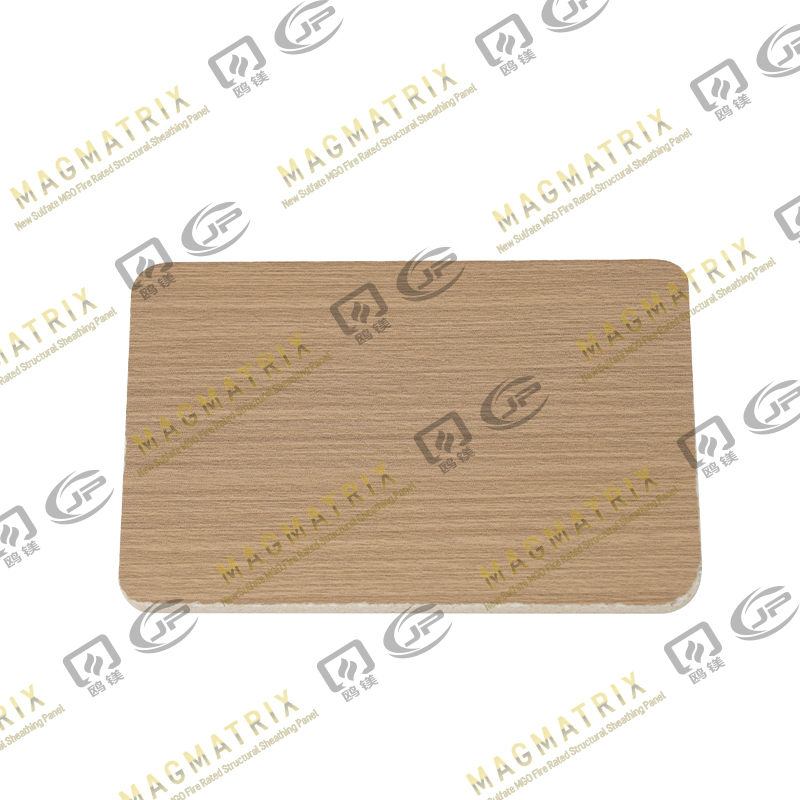
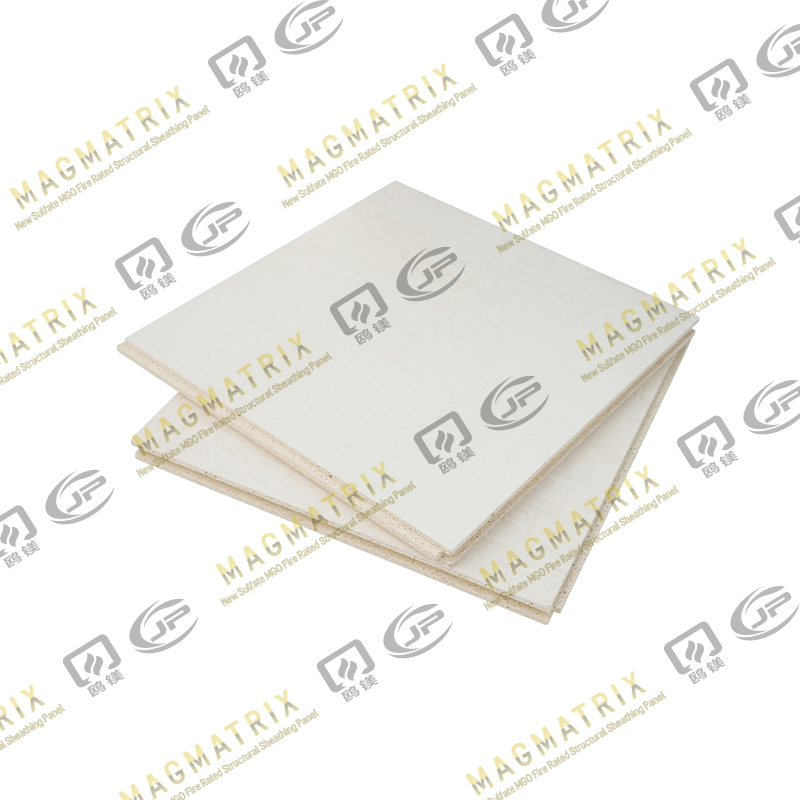
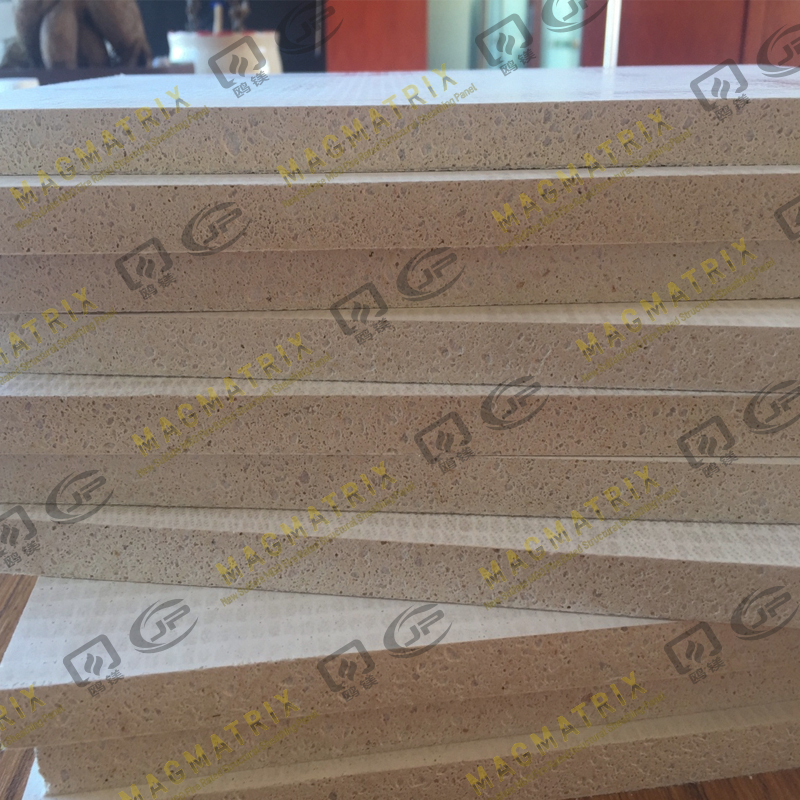
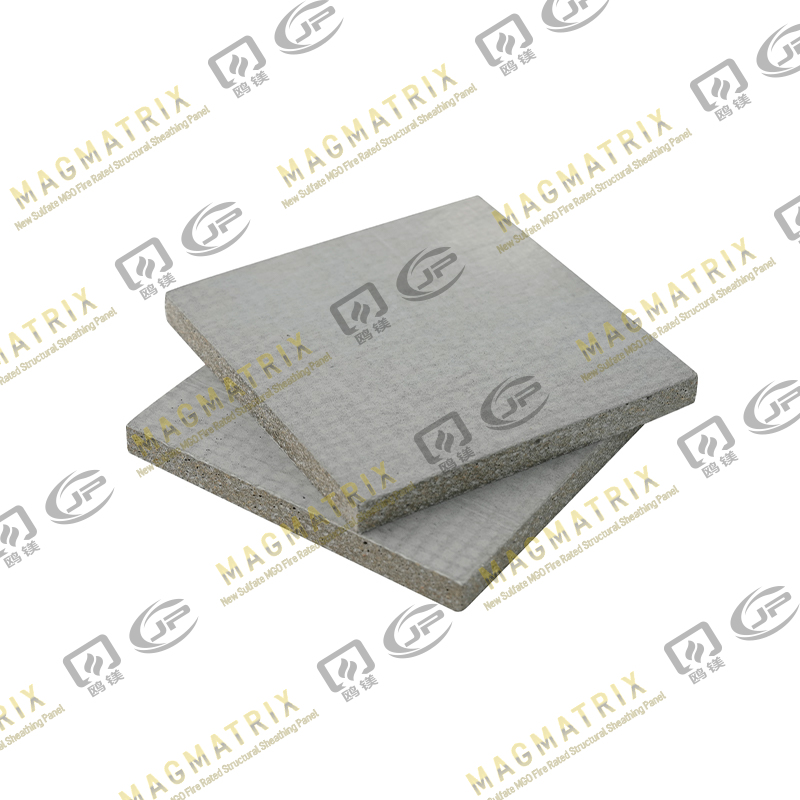
MGO material, short for magnesium oxide board, is a revolutionary building material composed primarily of magnesium oxide (MgO), magnesium chloride (MgCl2), and reinforcing mesh. This versatile construction product combines exceptional fire resistance, moisture tolerance, and environmental friendliness, making it an increasingly popular alternative to traditional drywall, cement board, and plywood in residential and commercial construction projects.
Unlike conventional building materials, MGO boards offer a unique combination of properties that address multiple construction challenges simultaneously. The material achieves Class A fire rating with zero flame spread, resists mold growth even in humid environments, and maintains structural integrity in conditions where traditional materials would fail.
Chemical Composition and Manufacturing Process
The manufacturing of MGO boards involves a precise chemical reaction between magnesium oxide and magnesium chloride solution, creating a Sorel cement matrix. This process, known as the magnesium oxychloride cement system, produces 5-phase and 3-phase crystalline structures that give the board its characteristic strength and durability.
Core Components
- Magnesium Oxide (MgO): 40-50% by weight, derived from seawater or magnesite ore
- Magnesium Chloride (MgCl2): 15-25%, acts as the binding agent
- Perlite or Wood Fiber: 10-20%, provides lightweight properties and insulation
- Fiberglass Mesh: Embedded on both faces for tensile strength
- Non-woven Fabric Backing: Prevents water absorption from the rear surface
| Component |
Percentage Range |
Primary Function |
| Magnesium Oxide |
40-50% |
Main binding material |
| Magnesium Chloride |
15-25% |
Activating agent |
| Perlite/Wood Fiber |
10-20% |
Weight reduction, insulation |
| Fiberglass Mesh |
5-10% |
Structural reinforcement |
Typical composition breakdown of standard MGO boards
Performance Characteristics and Technical Specifications
MGO boards demonstrate superior performance across multiple metrics that matter in modern construction. Independent testing by laboratories such as Intertek and SGS has validated the material's exceptional properties in real-world applications.
Fire Resistance
MGO material achieves Class A fire rating (ASTM E84) with a flame spread index of 0 and smoke development index of 0. The board can withstand temperatures up to 1,200°C (2,192°F) without combusting or releasing toxic fumes. In standard fire tests, 12mm MGO board provides 2-hour fire resistance rating, significantly outperforming standard gypsum board which typically offers 1-hour protection.
Moisture and Mold Resistance
With a water absorption rate of less than 25% after 24-hour immersion, MGO boards maintain dimensional stability in high-humidity environments. The material scores 10 on the ASTM mold resistance scale, meaning zero mold growth even under sustained moisture exposure. This makes it ideal for bathrooms, kitchens, and coastal construction where traditional drywall would deteriorate.
Structural Strength
- Flexural Strength: 16-20 MPa (2,320-2,900 psi)
- Compressive Strength: 30-45 MPa (4,350-6,525 psi)
- Impact Resistance: Superior to standard drywall by 300%
- Density: 950-1,050 kg/m³ for standard boards
Common Applications in Construction
MGO boards have found widespread adoption across diverse construction sectors due to their versatility and performance advantages. The material's adaptability allows it to replace multiple traditional products in a single project.
Interior Applications
- Wall and Ceiling Systems: Direct replacement for drywall in residential and commercial spaces, offering enhanced durability and moisture resistance
- Tile Backer Boards: Waterproof substrate for tile installation in wet areas, eliminating the need for additional waterproofing membranes
- Fire-Rated Partitions: Used in hotels, hospitals, and multi-family housing where fire codes require non-combustible materials
- Acoustic Panels: When combined with insulation, provides sound transmission class (STC) ratings of 45-55
Exterior Applications
- Façade Cladding: Weather-resistant substrate for various finishing systems including stucco, stone veneer, and fiber cement siding
- Soffits and Eaves: Resists moisture damage from rain and condensation where wood products would rot
- Exterior Sheathing: Provides structural bracing and moisture barrier in wood-frame construction
- Balcony and Deck Underlayment: Waterproof base for tiled outdoor living spaces
Specialty Uses
In industrial settings, MGO boards serve as chemical-resistant panels in laboratories and manufacturing facilities. The agricultural sector uses them for barn walls and livestock housing due to their resistance to ammonia and moisture. Educational institutions install MGO in gymnasiums and cafeterias where impact resistance is critical.
Advantages Over Traditional Building Materials
Comparative analysis reveals significant performance and cost benefits when MGO boards replace conventional materials in construction projects.
| Property |
MGO Board |
Gypsum Drywall |
Cement Board |
| Fire Rating |
Class A (0 spread) |
Class A (15-25 spread) |
Class A (0 spread) |
| Moisture Resistance |
Excellent (ASTM 10) |
Poor (degrades) |
Good |
| Weight (12mm) |
11-13 kg/m² |
9-10 kg/m² |
16-18 kg/m² |
| Impact Resistance |
High |
Low |
Medium-High |
| Installation Ease |
Easy (standard tools) |
Easy |
Difficult (heavy) |
| Cost per m² (USD) |
$8-12 |
$4-6 |
$10-15 |
Performance comparison of common building board materials
Environmental Benefits
MGO production generates 40% less CO2 emissions compared to Portland cement manufacturing. The material contains no asbestos, formaldehyde, or volatile organic compounds (VOCs), contributing to LEED certification points in green building projects. At end-of-life, MGO boards are fully recyclable and can be ground into aggregate for landscaping or road base applications.
Installation Guidelines and Best Practices
Proper installation techniques ensure MGO boards deliver their full performance potential. The material can be cut with standard woodworking tools and fastened using screws or adhesives designed for cementitious products.
Cutting and Fastening
- Score the board face with a utility knife along a straightedge, making 3-4 passes
- Snap the board backward over a supporting edge
- Use carbide-tipped saw blades for power cutting to minimize dust and extend blade life
- Space screws 200mm (8 inches) apart on walls and 150mm (6 inches) on ceilings
- Set screws 12mm (½ inch) from board edges to prevent cracking
Joint Treatment
Unlike drywall, MGO boards require alkaline-resistant joint tape and specialized jointing compounds. Standard paper tape will degrade due to the board's high pH (approximately 9-10). Use fiberglass mesh tape embedded in polymer-modified thin-set mortar or alkaline-resistant joint compound. Apply three coats with drying time of 24 hours between applications for smooth, professional results.
Finishing Options
- Paint: Apply primer designed for alkaline surfaces before latex or acrylic paint
- Tile: Adhere ceramic, porcelain, or stone tile directly with thin-set mortar
- Plaster or Stucco: Apply traditional or synthetic finishes without additional preparation
- Wallpaper: Use heavy-duty adhesive suitable for non-porous surfaces
Quality Considerations and Product Variations
The MGO board market includes products with varying quality levels, making informed selection critical for project success. Early-generation MGO boards suffered from issues like warping, efflorescence, and strength degradation, but modern formulations have addressed these problems.
Quality Indicators
- MgO/MgCl2 Ratio: Premium boards maintain a 7:1 to 9:1 ratio for optimal strength and stability
- Chloride Content: Should not exceed 0.15% to prevent moisture attraction and corrosion of fasteners
- Mesh Quality: Alkali-resistant fiberglass mesh with minimum 160g/m² density
- Certification: Look for ASTM C1185, ISO 9001, and ICC-ES evaluation reports
Standard Sizes and Thicknesses
MGO boards are typically available in 1220mm × 2440mm (4' × 8') and 1220mm × 3050mm (4' × 10') sheets. Common thicknesses range from 6mm to 20mm, with 8mm, 10mm, and 12mm being most popular for general construction. Specialty applications may require custom sizes or thicknesses up to 30mm.
Limitations and Problem Areas to Avoid
While MGO boards offer numerous advantages, understanding their limitations prevents costly mistakes and ensures appropriate material selection for each application.
Incompatible Applications
- Direct Ground Contact: Prolonged contact with soil causes moisture wicking and eventual deterioration
- Permanent Water Immersion: Not suitable for pool linings or below-grade waterproofing despite moisture resistance
- High-Salt Environments: Coastal installations within 100 meters of ocean require protective coatings to prevent chloride interaction
- Structural Load-Bearing: MGO boards provide bracing but should not replace engineered structural elements
Storage and Handling Precautions
Store MGO boards flat on level surfaces, elevated at least 100mm off the ground. Cover with waterproof tarps if stored outdoors, ensuring ventilation to prevent condensation. Acclimate boards to installation environment for 48 hours before installation to minimize expansion or contraction. Avoid prolonged exposure to direct sunlight during storage, which can cause surface chalking.
Cost Analysis and Return on Investment
Initial material costs for MGO boards run 30-50% higher than standard drywall but 15-25% lower than premium cement boards. However, lifecycle cost analysis reveals significant savings through reduced maintenance, longer service life, and elimination of moisture-related repairs.
Project Cost Comparison Example
For a 200m² bathroom renovation project:
- Moisture-resistant drywall: $1,200 materials + $800 labor + $600 waterproofing = $2,600 total
- Cement backer board: $2,000 materials + $1,200 labor (heavier) = $3,200 total
- MGO board: $1,800 materials + $800 labor + $0 waterproofing = $2,600 total
Over a 20-year period, MGO's resistance to mold and moisture damage eliminates an estimated $3,000-5,000 in replacement and remediation costs compared to conventional materials, making it the most economical choice for wet area applications.



 English
 русский
 Español
 BMSC 517 New Sulfate MgO Board
 Multi-Support MgO Wall Sheathing Board
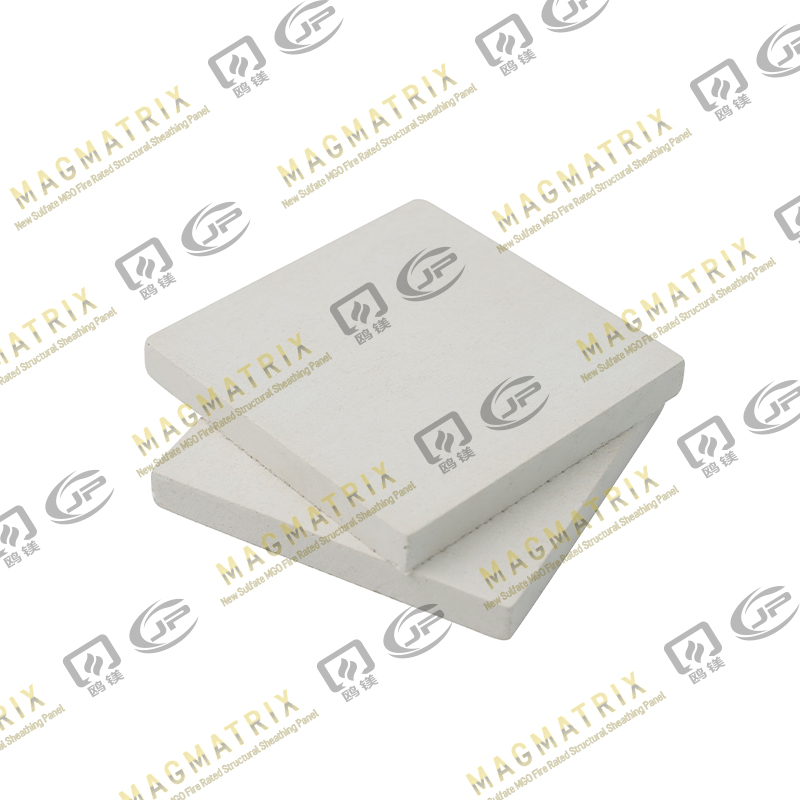 Perseverance MgO Wall Sheathing Board
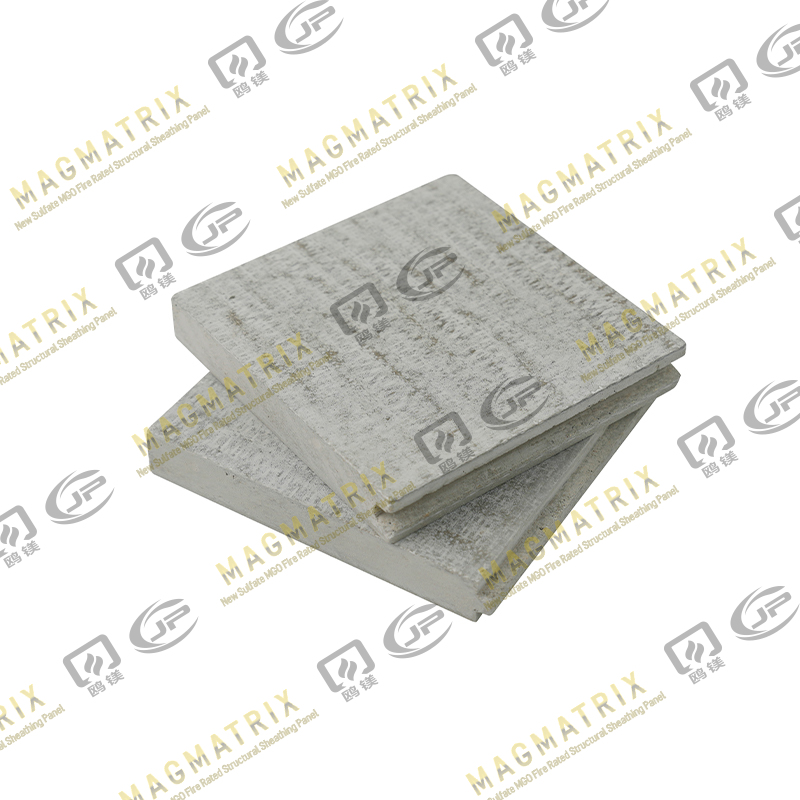 Multi-Support MgO Subfloor Sheathing Board
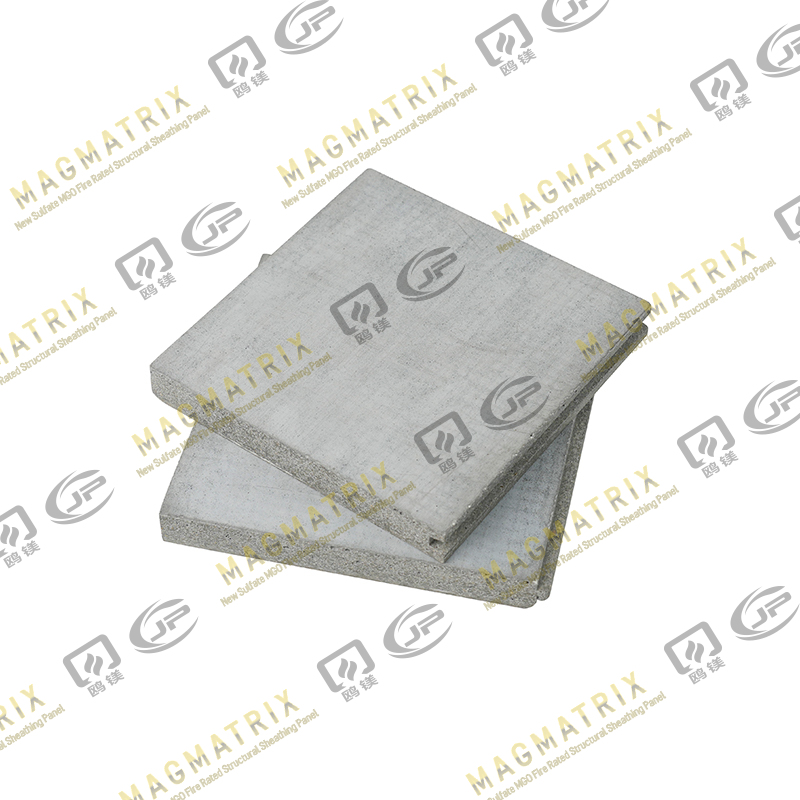 Perseverance MgO Subfloor Sheathing Board
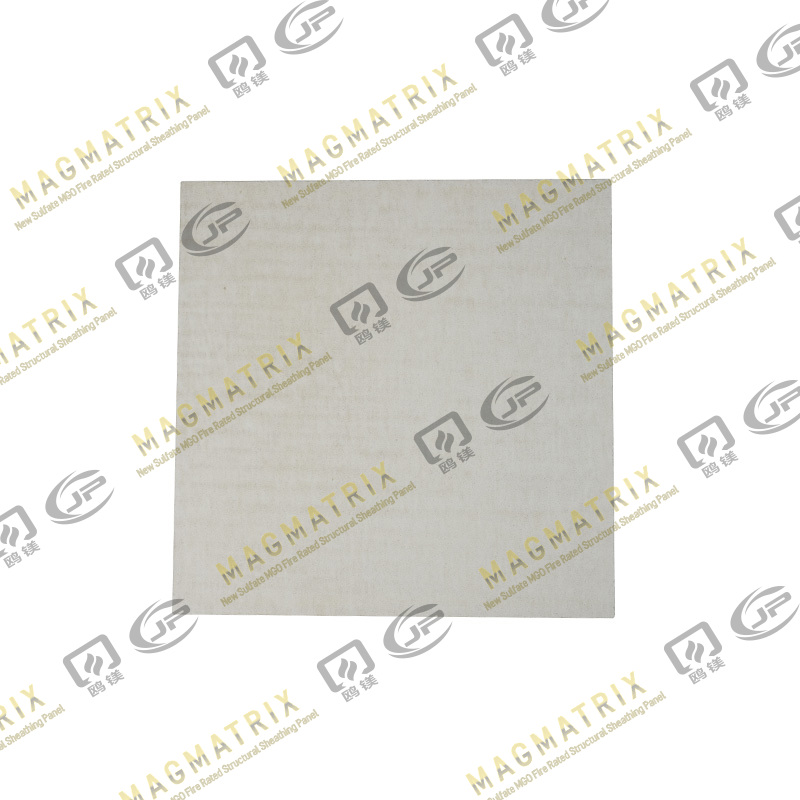 MagMatrix MgO Underlayment Panel/board