MgO Boards vs Traditional Drywall: What the Numbers Actually Show
MgO (magnesium oxide) boards outperform traditional gypsum drywall across nearly every critical performance category — fire resistance, moisture tolerance, structural strength, and environmental impact. While gypsum drywall has dominated interior construction for decades, the shift toward high-performance building materials has positioned MgO boards as a superior alternative, particularly in demanding climates and commercial applications.
Standard gypsum drywall typically achieves a fire resistance rating of 30–60 minutes under ASTM E119 testing conditions. MgO boards, by contrast, can sustain fire exposure for up to 2–4 hours without structural failure, making them a preferred choice for fire-rated assemblies in commercial and multi-family construction.
| Performance Category |
MgO Board |
Traditional Drywall (Gypsum) |
| Fire Resistance |
Up to 4 hours |
30–60 minutes |
| Moisture Resistance |
Excellent — no mold growth |
Poor — prone to water damage |
| Tensile Strength |
High — impact resistant |
Moderate — easily dented |
| CO₂ Emissions (production) |
~50% lower |
Baseline |
| Recyclability |
Fully recyclable |
Limited |
Table 1: Side-by-side comparison of MgO boards and traditional gypsum drywall across key performance metrics.
Superior Moisture and Mold Resistance
One of the most significant practical advantages of MgO boards is their inherent resistance to moisture. Traditional gypsum drywall absorbs water readily — exposure to humidity, flooding, or condensation leads to swelling, structural weakening, and rapid mold colonization. In humid climates or moisture-prone areas such as bathrooms, basements, and coastal regions, this is a critical failure point.
MgO boards are naturally hydrophobic at the material level. The crystalline structure of magnesium oxide does not provide a hospitable environment for mold or mildew, even under prolonged exposure to moisture. Independent testing has shown that MgO boards retain over 90% of their structural integrity after extended humidity cycling — a benchmark gypsum panels consistently fail to meet.
This makes MgO boards particularly valuable in:
- Wet rooms, shower surrounds, and kitchen backsplash substrates
- Below-grade and basement wall systems
- Exterior sheathing and rainscreen assemblies
- Tropical and high-humidity building environments
Greater Structural Strength and Impact Resistance
Gypsum drywall is a relatively brittle material. A direct impact — from furniture, foot traffic, or mechanical equipment — often results in dents, punctures, or cracking that requires patching and repainting. In high-traffic commercial environments such as schools, hospitals, and warehouses, this leads to continuous maintenance cycles and elevated long-term costs.
MgO boards are reinforced with glass fiber mesh embedded within the panel, giving them significantly higher tensile and flexural strength than standard gypsum products. Their density and composite structure allow them to absorb impact without fracturing, which translates directly into reduced maintenance frequency and extended service life over the building envelope.
Beyond impact resistance, MgO boards also perform well under mechanical fastening — they hold screws and nails with greater consistency and less edge crumbling than gypsum panels, which is an important factor during installation in framing-intensive builds.
Environmental and Sustainability Advantages
The production of traditional gypsum drywall is energy-intensive and relies on either mined natural gypsum or synthetic gypsum derived from industrial flue-gas desulfurization processes. Both pathways generate substantial CO₂ emissions and resource extraction pressure.
MgO boards are manufactured from magnesium oxide — a mineral compound derived from magnesite or seawater — combined with magnesium chloride and glass fiber reinforcement. The calcination process used to produce MgO operates at lower temperatures than gypsum calcination, resulting in meaningfully reduced carbon output per unit of board produced. Some lifecycle analyses estimate the embodied carbon of MgO boards to be approximately 40–50% lower than comparable gypsum panels.
Additionally, MgO boards are:
- Free of asbestos, formaldehyde, and volatile organic compounds (VOCs), contributing to healthier indoor air quality
- Fully recyclable at end of service life, supporting circular economy construction practices
- Compatible with LEED and BREEAM credit pathways, supporting green building certification goals
Where MgO Boards Offer the Most Value
MgO boards are not universally cheaper than gypsum drywall on a per-sheet basis. Their cost premium — typically 15–30% higher upfront depending on thickness, supplier, and market — is recovered over the building lifecycle through reduced replacement frequency, lower mold remediation costs, and avoided fire damage claims.
The strongest case for MgO boards applies in the following scenarios:
- Fire-rated wall and ceiling assemblies in commercial, industrial, or multi-unit residential projects
- Exterior cladding substrates where weather exposure and thermal cycling are ongoing stresses
- Tile backer applications in wet areas that demand long-term dimensional stability
- Green-certified building projects targeting low-VOC, low-embodied-carbon material specifications
- Renovation projects in existing structures with documented moisture or mold history
For straightforward interior partition walls in dry, climate-controlled environments, gypsum drywall remains a cost-competitive choice. But wherever performance specifications exceed the baseline — fire safety, humidity exposure, structural durability, or sustainability targets — MgO boards consistently deliver measurable advantages that justify the investment.



 English
 русский
 Español
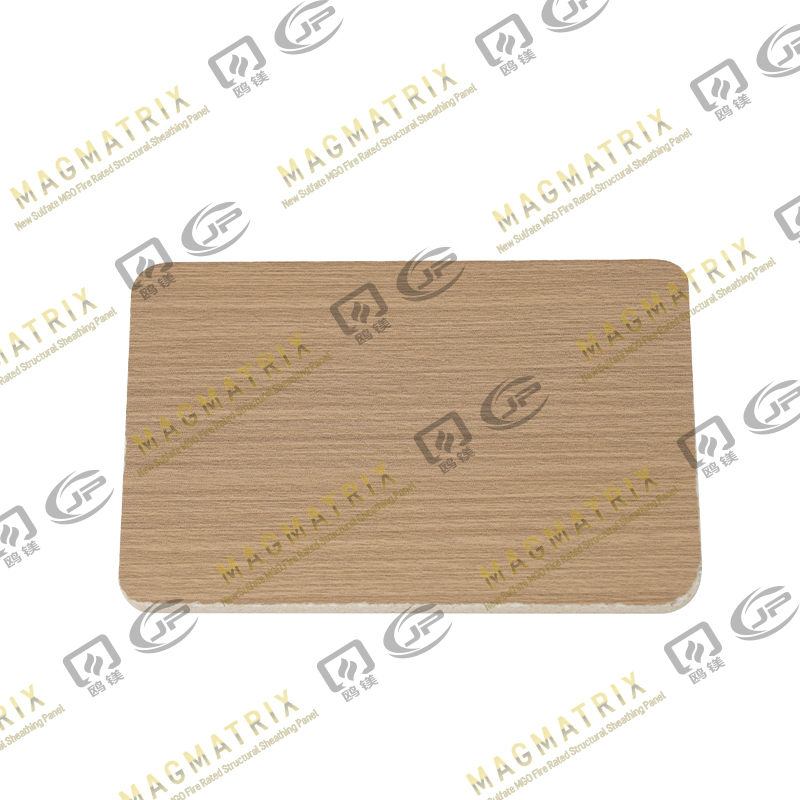
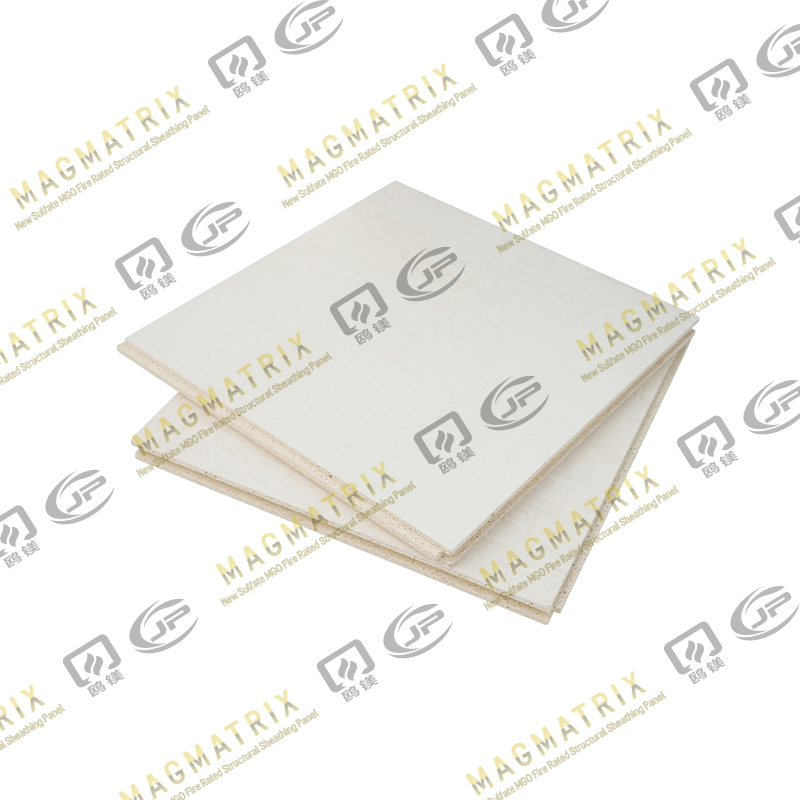
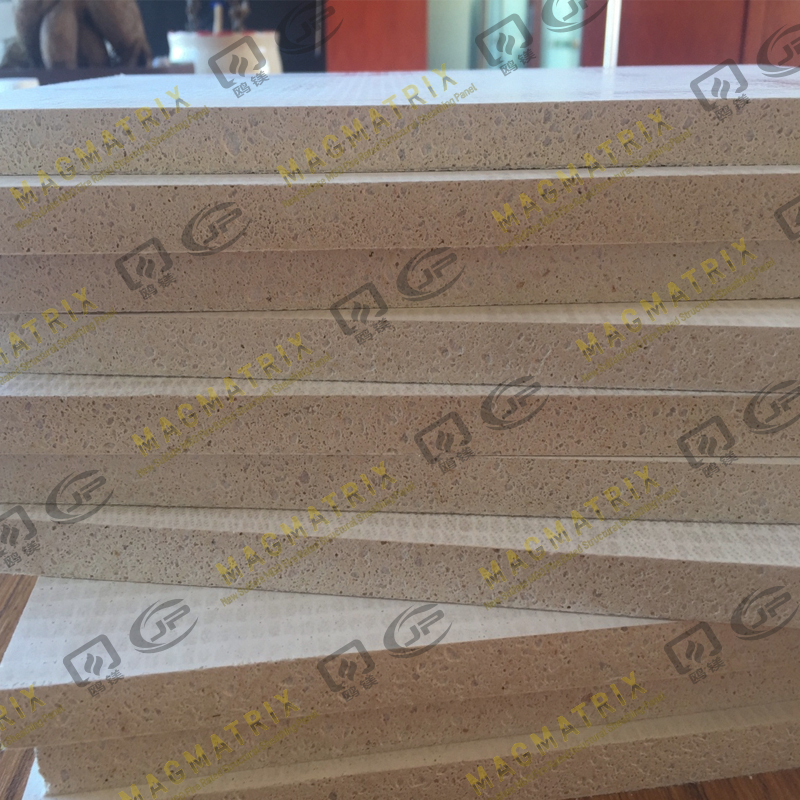 BMSC 517 New Sulfate MgO Board
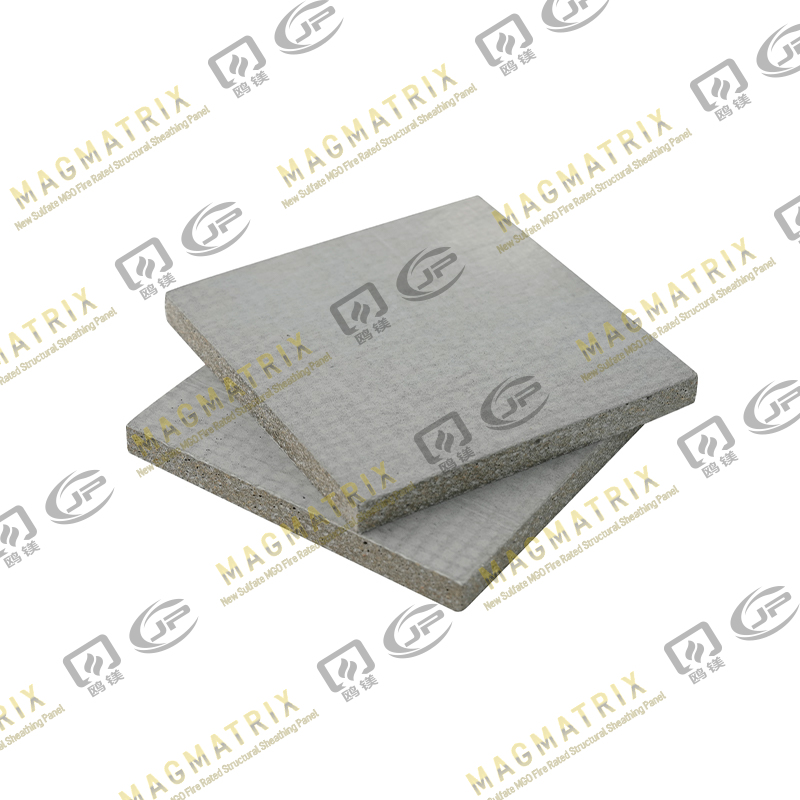 Multi-Support MgO Wall Sheathing Board
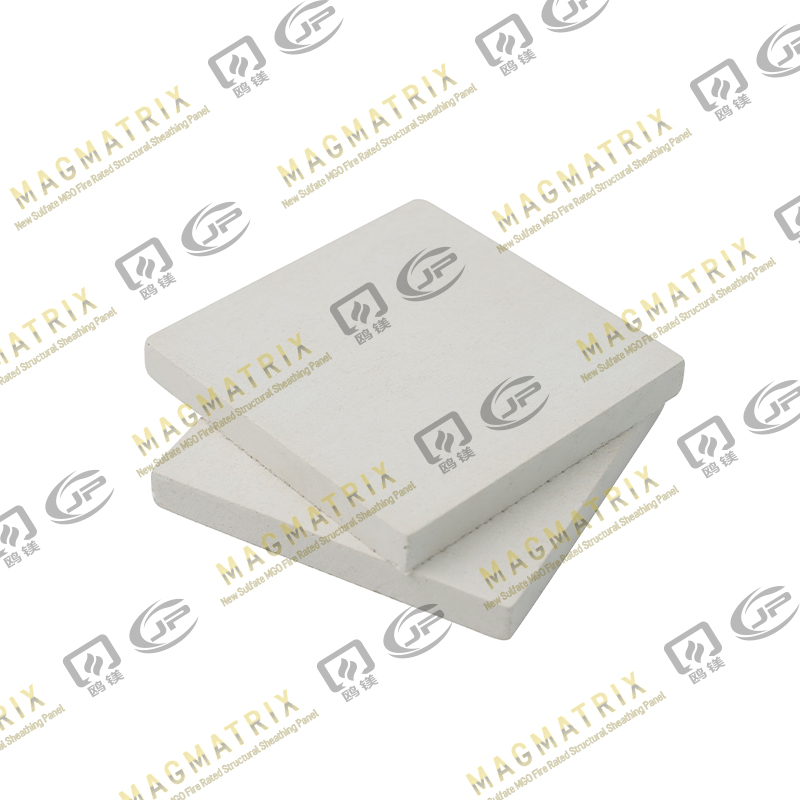 Perseverance MgO Wall Sheathing Board
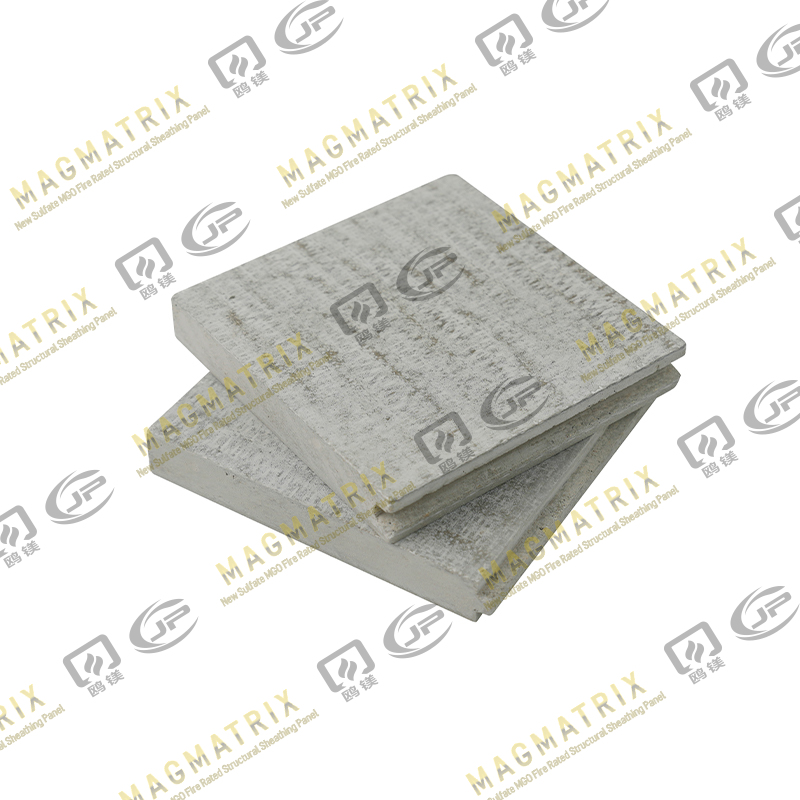 Multi-Support MgO Subfloor Sheathing Board
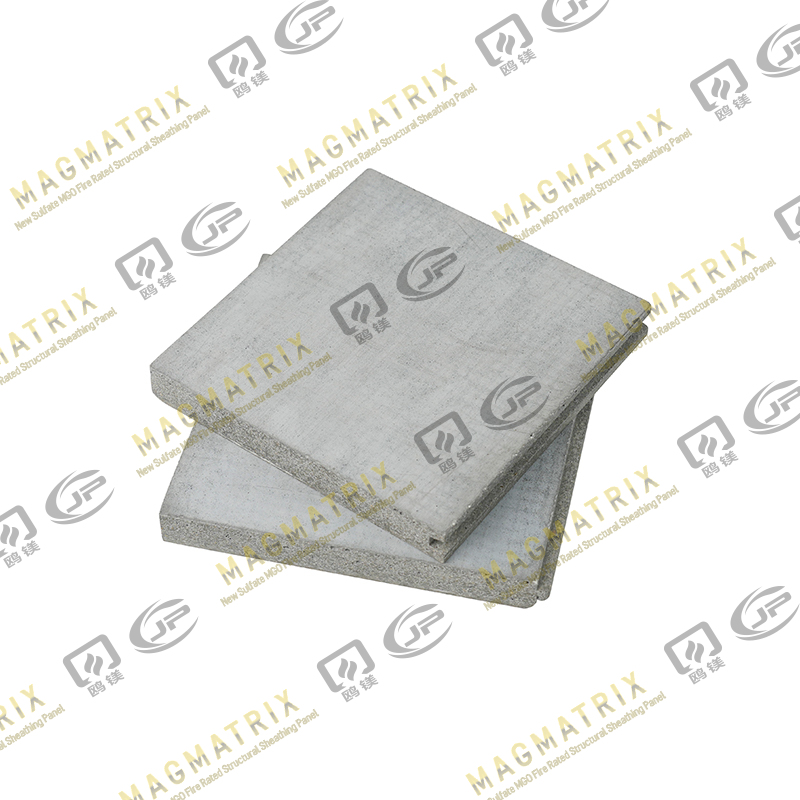 Perseverance MgO Subfloor Sheathing Board
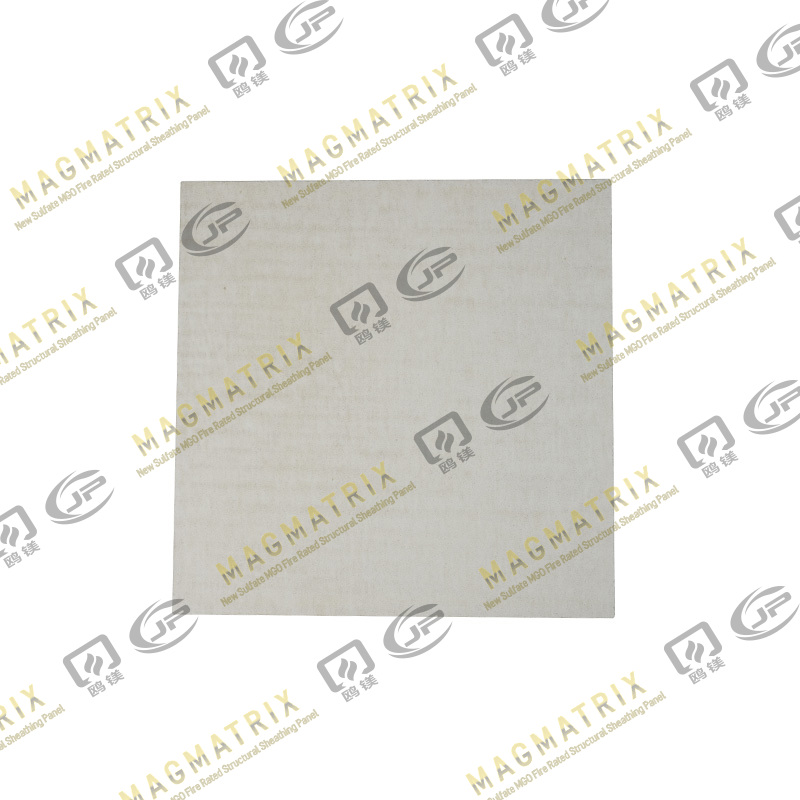 MagMatrix MgO Underlayment Panel/board