Why Job Sites Are Rethinking Sheathing Materials
A subfloor that warps after one wet framing season. Drywall that needs a full cure cycle before work can continue above it. These are the quiet costs builders absorb every day with OSB, plywood and gypsum — costs that rarely show up until a callback lands on the schedule.
MgO panels were developed to remove that risk. Made from magnesium oxide cement rather than wood fiber or gypsum, they resist moisture, fire and pests without the curing delays that slow conventional systems down.
What Actually Makes MgO Panels Different
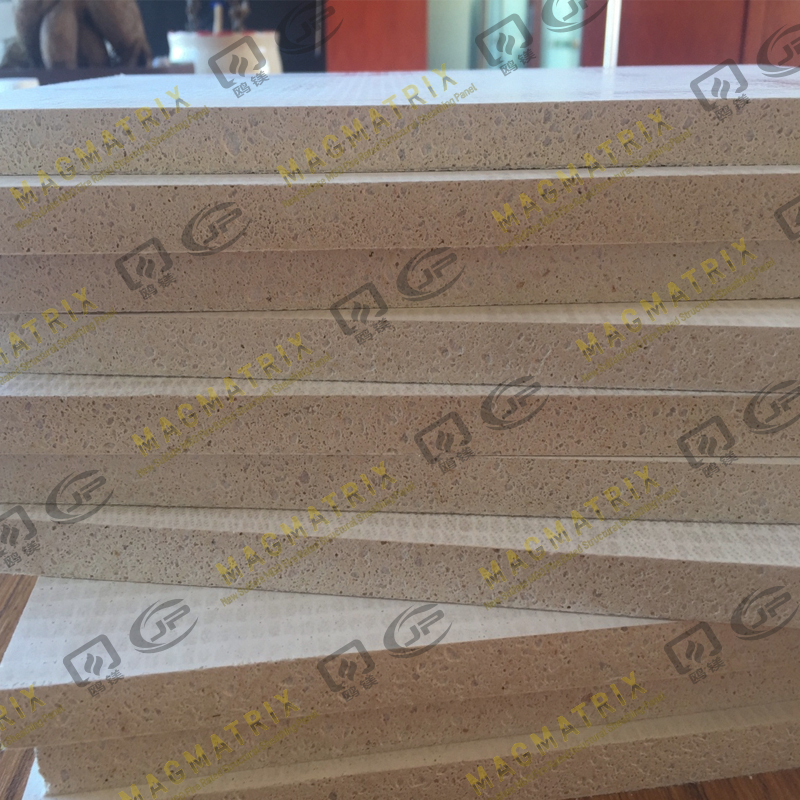
Not all magnesium oxide boards perform the same. Older chloride-based MgO products earned a bad reputation for surface efflorescence and steel corrosion. The newer generation — sulfate-based MgO board built on the 5·1·7 crystal phase — was engineered specifically to solve that.
The difference is measurable. This 5·1·7 phase carries a water solubility of just 0.034g per 100g, putting it in the same range as Portland cement and far ahead of older 3·1·8 and chloride 5·1·8 formulations. In practice, that means panels that hold their shape and strength through repeated wetting and drying cycles instead of blistering or leaching salts at the surface.
Fire Performance, Backed by Test Data
Fire resistance is usually the first reason builders look at MgO in the first place, and it's where the material earns its reputation. Independent testing on sulfate MgO assemblies has achieved a 2-hour rating under ASTM E119 on both steel and wood stud walls, along with EN13501-1 A1 FL classification for subfloor panels — the top non-combustibility tier under that standard.
Those results aren't marketing claims; they sit behind formal code compliance documentation, including CCRR-0457 certification, which gives specifiers a paper trail they can hand directly to an inspector or AHJ.
Matching the Panel to the Application
"MgO panel" isn't one product — it's a category, and picking the wrong variant for the job is the most common installation mistake.
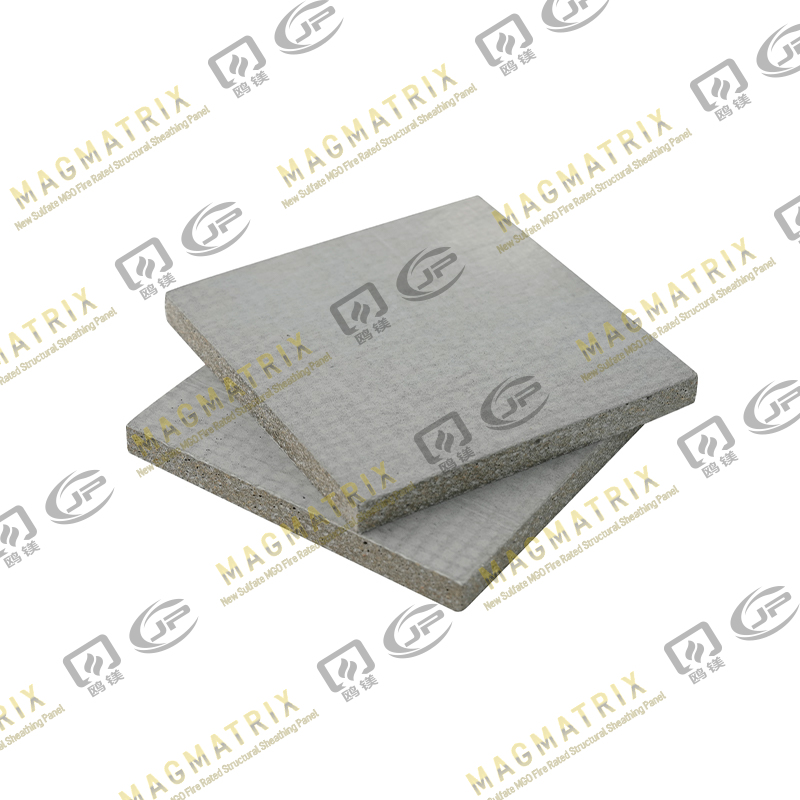
- Exterior wall sheathing: structural MgO wall sheathing boards replace OSB and plywood behind cladding, holding up through extended weather exposure during framing.
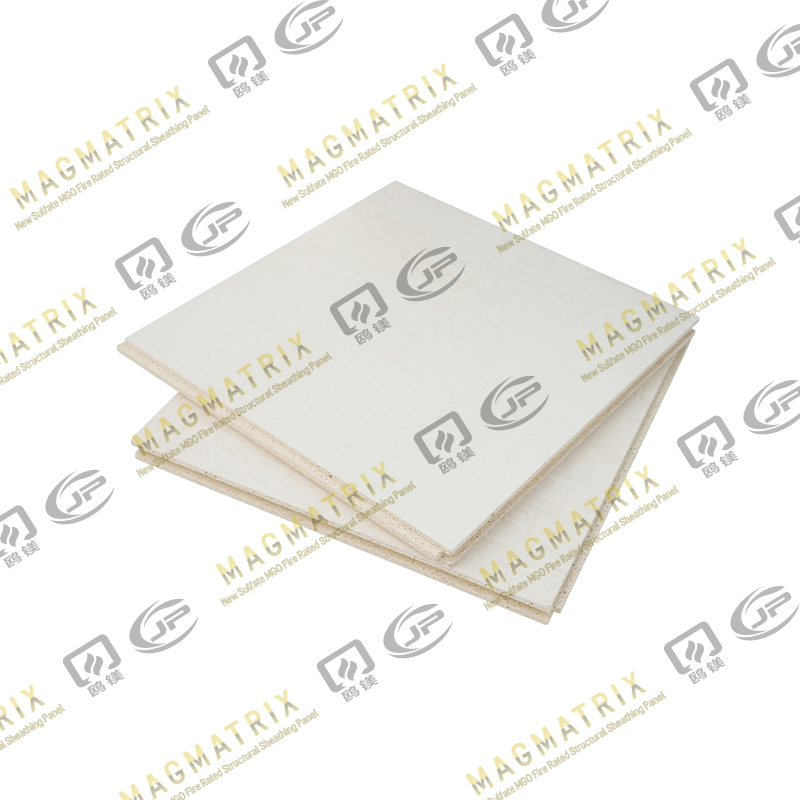
- Subflooring: structural MgO subfloor sheathing panels go down dry, with no drying time before flooring work continues above.
- Underlayment: MgO underlayment panels install roughly 30% faster than gypsum-based systems and improve STC/IIC sound ratings between multifamily units.
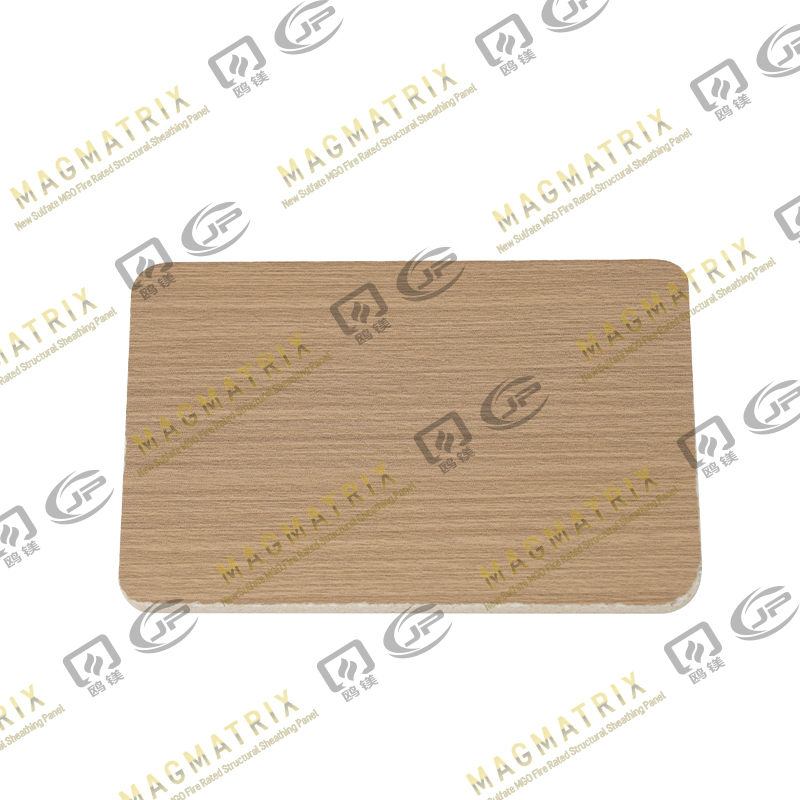
- Interior finishes: fire-resistant decorative MgO board takes laminate and coatings directly, without the substrate swelling that ruins gypsum-backed finishes.
Choosing a Panel That Won't Fail Later
Not every board sold as "MgO" meets the same standard, and the gap between a well-formulated sulfate panel and a cheap chloride import only shows up after a few seasons of weather exposure. Before specifying, check three things: the phase composition (5·1·7 sulfate, not chloride), third-party fire test reports rather than datasheet claims, and moisture performance data specific to the panel — not the generic "MgO" category.
Independent industry research has reached the same conclusion from the materials-science side: sulfate-based magnesium oxide panels deliver higher flexural strength and fastener withdrawal resistance than Portland cement, with fire resistance rivaling gypsum panels while offering significantly greater impact and water resistance.
For a deeper walkthrough of selection criteria, this practical guide to choosing a high-quality MgO panel breaks down what to ask a supplier before ordering.
The Bottom Line
MgO panels solve a specific problem: materials that fail quietly under moisture and fire exposure, then cost far more to fix than they would have cost to spec correctly. A sulfate-based board with documented 5·1·7 phase composition and third-party fire certification gives builders a sheathing, subfloor or underlayment system that performs the same on day 1,000 as it did on day one.



 English
 русский
 Español
 BMSC 517 New Sulfate MgO Board
 Multi-Support MgO Wall Sheathing Board
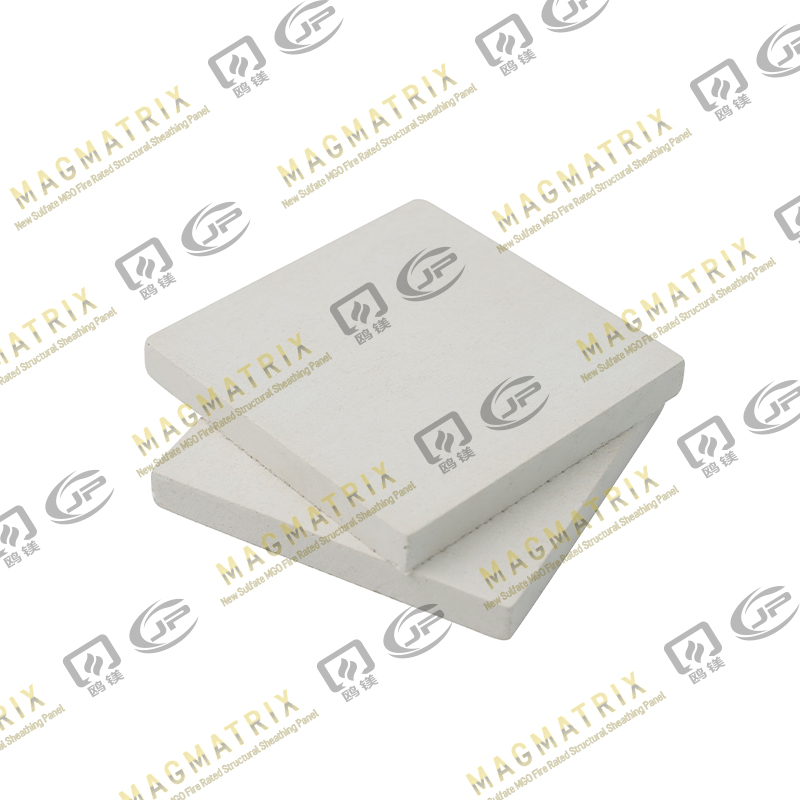 Perseverance MgO Wall Sheathing Board
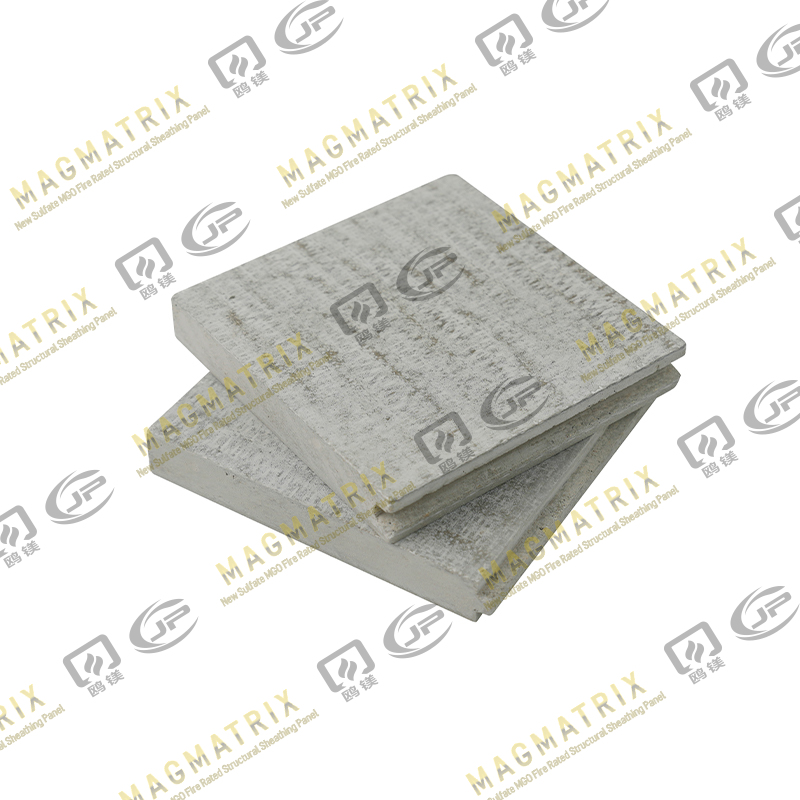 Multi-Support MgO Subfloor Sheathing Board
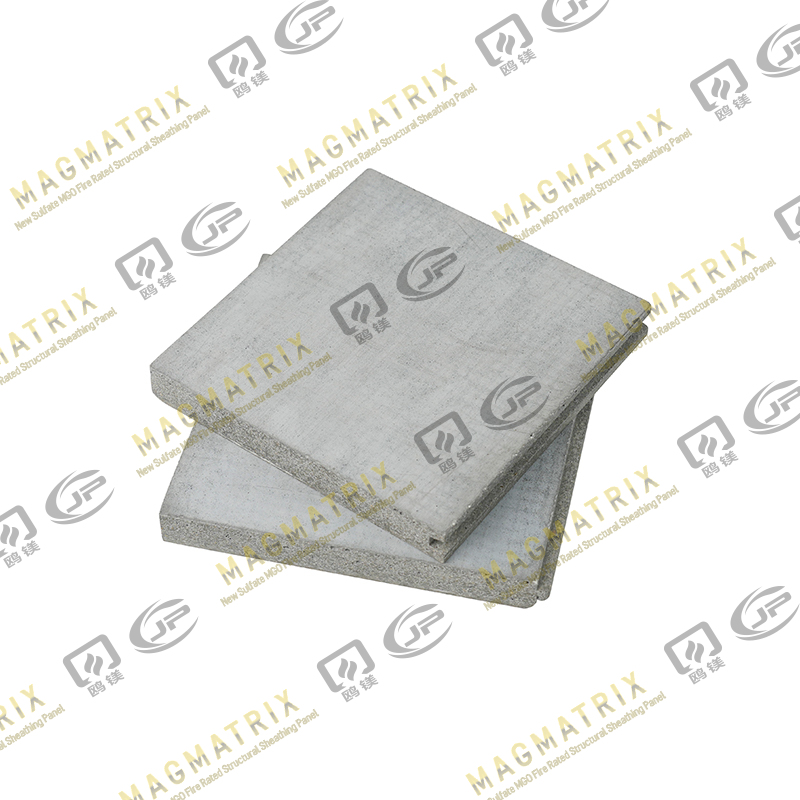 Perseverance MgO Subfloor Sheathing Board
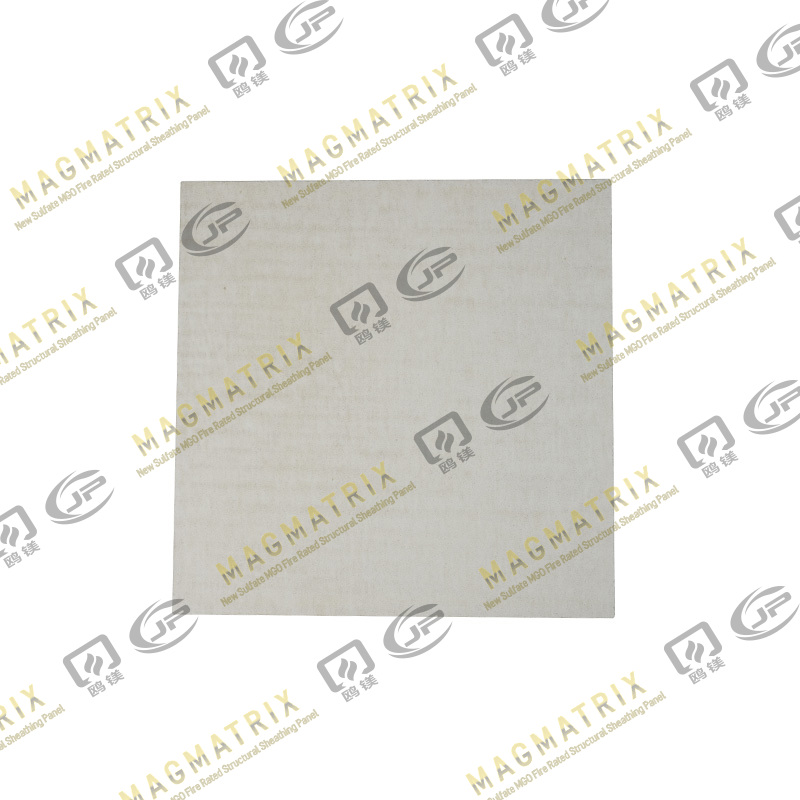 MagMatrix MgO Underlayment Panel/board