Subfloor failure rarely announces itself. Moisture seeps through, mold establishes itself between layers, and by the time the flooring buckles, the structural damage is already costly. Traditional plywood and OSB subflooring are still widely used — but they were never designed for fire resistance, moisture tolerance, or the acoustic demands of modern multi-story construction. The Multi-Support MgO Structural Subfloor Panel was.
What Makes a Structural Subfloor Panel "Structural"?
Not every subfloor product qualifies as structural. A true structural subfloor panel must carry load — both live load (occupants, furniture) and dead load (building materials above) — without deflection, warping, or failure over time. It must also integrate into fire-rated floor/ceiling assemblies accepted by building codes.
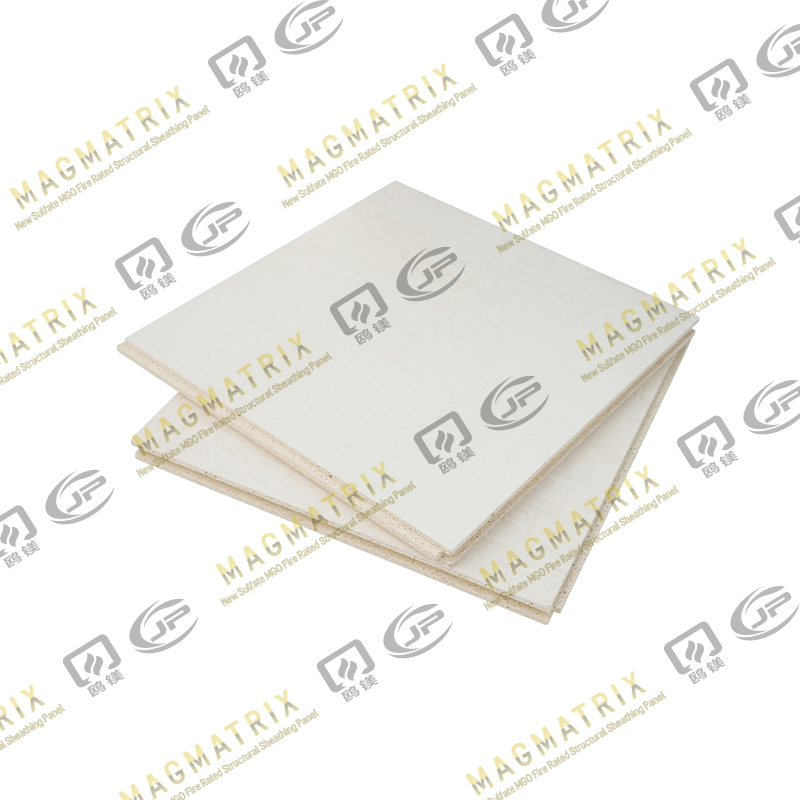
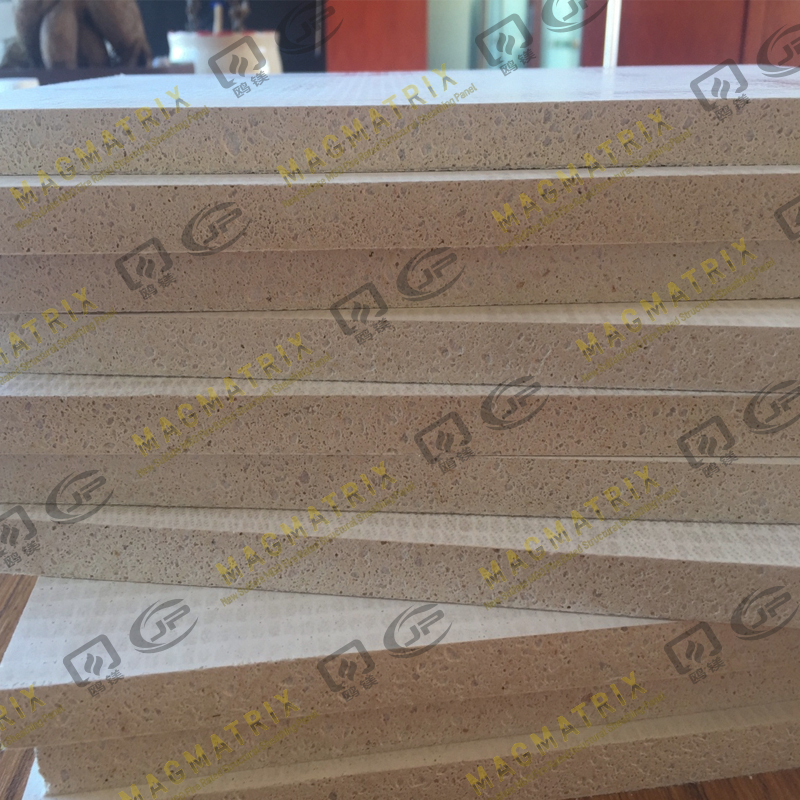
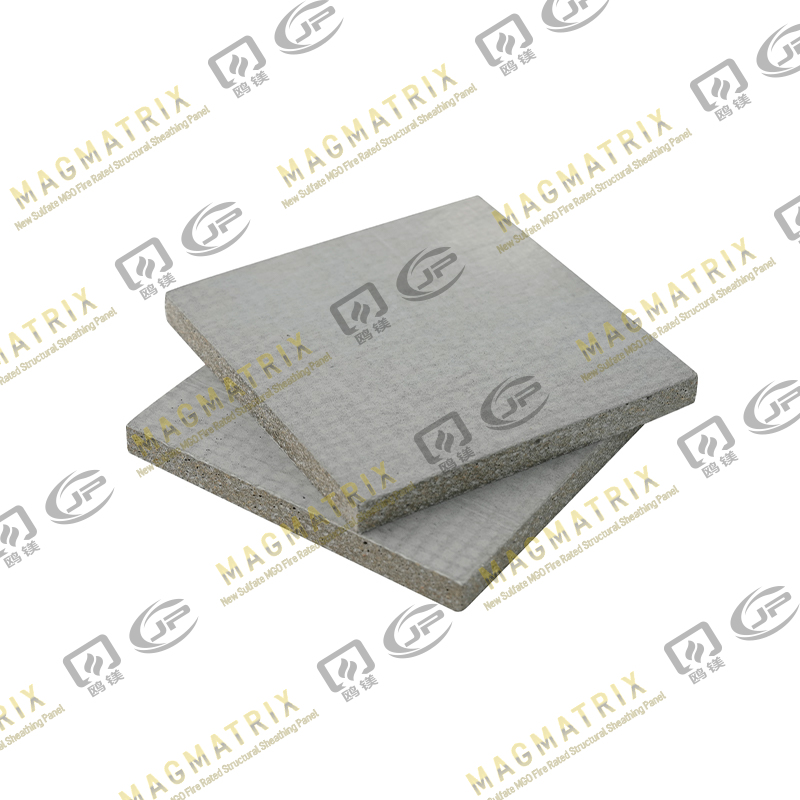
The Multi-Support MgO Subfloor Sheathing Board checks both boxes. At 19mm thickness, it carries a total load (live + dead) of 320 psf (15.3 kPa) when timber framing is spaced at 24" (610mm) O.C. — a load rating that rivals poured concrete systems at a fraction of the weight.
Core Performance Data You Should Know
Before specifying any subfloor material, the numbers matter. Here's how the Multi-Support panel performs:
Multi-Support MgO Subfloor Panel — Key Specifications
| Property |
Value |
| Thickness Options |
16mm / 18mm / 19mm |
| Panel Size |
600mm or 1220mm × 2440 / 2740 / 3048mm |
| Bending Strength |
18–21 MPa |
| Density |
1200–1400 kg/m³ |
| Fire Resistance Level (FRL) |
60–120 minutes (downward direction) |
| Surface Burning |
Meets ASTM E84 |
| Edge Profile |
Tongue & Groove (T&G) |
| Combustibility |
Non-combustible (ASTM E136 compliant) |
The bending strength of 18–21 MPa significantly outperforms standard fiber cement boards and is comparable to concrete — while remaining light enough to install with standard carpentry tools.
Fire Ratings and Building Code Compliance
Fire compliance is where MgO subfloor panels separate from the competition most clearly. The Multi-Support model is manufactured using BMSC 517 — a chloride-free magnesium sulfate cementitious formulation that produces zero flame spread and zero smoke development index under ASTM E84 testing.
For Type III construction (non-combustible exterior walls, combustible interior framing) exceeding 40 feet in height, the panel is compliant with NFPA 285 requirements when installed per the published guidelines. The system can deliver Fire Resistance Levels of 60 to 120 minutes in the downward direction, making it suitable for multi-story lightweight timber frame buildings where fire safety in MgO-based assemblies is a code-driven priority.
One important caveat: the Multi-Support model is designed for Type III buildings. For Type I or II (fully non-combustible construction), the Perseverance MgO Subfloor model — which carries ASTM E136 noncombustible certification — is the appropriate specification. Selecting the wrong panel for the building type is a compliance risk; selecting the right one is straightforward once you know which classification applies.
Why It Replaces Plywood and OSB on Multi-Story Projects
Plywood and OSB remain the default in residential construction largely because of familiarity and upfront cost. But both materials ignite, both absorb moisture, and neither offers acoustic performance without additional layers. On a multi-story project, every added layer means more labor, more weight, and more potential failure points.
The Multi-Support MgO panel consolidates functions. It is simultaneously:
- Structural — carries design loads without additional underlayment in many assemblies
- Fire-rated — contributes directly to 1- and 2-hour floor/ceiling assemblies
- Moisture and mold resistant — inorganic mineral composition provides built-in protection
- Termite resistant — no organic binders for pests to consume
- Acoustically effective — dense panel mass reduces impact and airborne sound transmission
The Tongue & Groove edge profile along each long side ensures flush, tight panel-to-panel connection — eliminating the step joints that create squeaking and differential movement in conventional subfloor assemblies.
Installation: No Special Tools Required
One concern contractors have with mineral-based panels is installation complexity. The Multi-Support panel addresses this directly: it cuts with a standard circular saw, and fastens with screws or nails — no pre-drilling required. It installs on timber frame exactly like wood sheathing.
The panel also holds fasteners effectively. Its density gives it nail and screw withdrawal resistance comparable to plywood, which matters for securing flooring finishes and ensuring long-term structural connection to the joist below. For best practices on MgO subfloor fastening and expansion management, following the published installation guidelines prevents cracking at joints over time.
Compatible Finish Surfaces
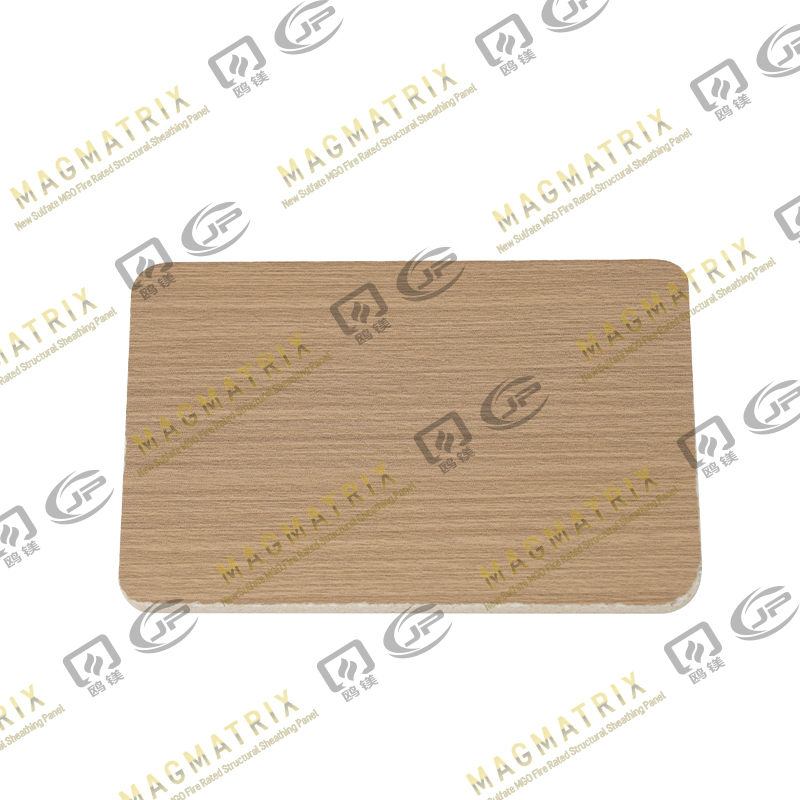
The panel is designed as a substrate — but it can also function as a finished surface where appropriate. Compatible finishes include tile, vinyl plank, carpet, and engineered timber. For wet areas such as bathrooms and external decks, the non-absorbent surface provides a stable, waterproof base that does not require waterproofing membrane in many configurations.
This versatility makes the Multi-Support panel useful across office builds, residential apartments, kit homes, transportable units, and renovation additions — anywhere a fast, reliable, fire-compliant floor substrate is needed. For a broader look at the full MgO subfloor sheathing board product range, including the Perseverance model for noncombustible Type I/II construction, the differences in fire ratings and building code scope are worth reviewing before specification.
The Practical Bottom Line
A structural subfloor panel that is lighter than concrete, installs like wood, resists fire for up to 2 hours, and eliminates the need for gypsum underlayment in many assemblies is not a marginal upgrade — it's a different category of product. For project teams working on multi-story timber frame construction where fire performance, acoustic comfort, and moisture durability are non-negotiable, the Multi-Support MgO Subfloor Sheathing Board merits serious specification consideration over conventional wood-based alternatives.



 English
 русский
 Español
 BMSC 517 New Sulfate MgO Board
 Multi-Support MgO Wall Sheathing Board
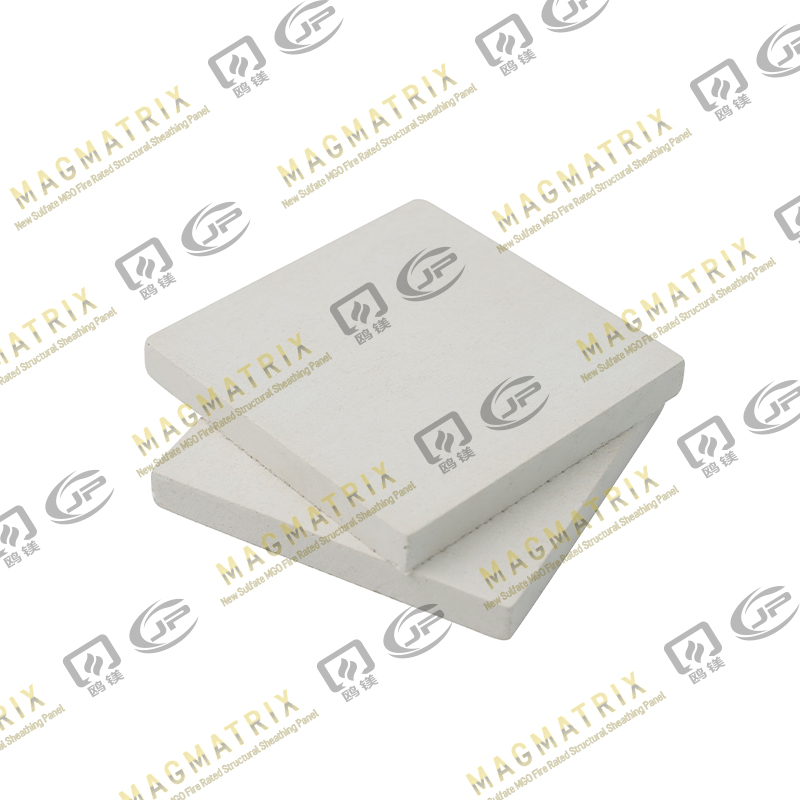 Perseverance MgO Wall Sheathing Board
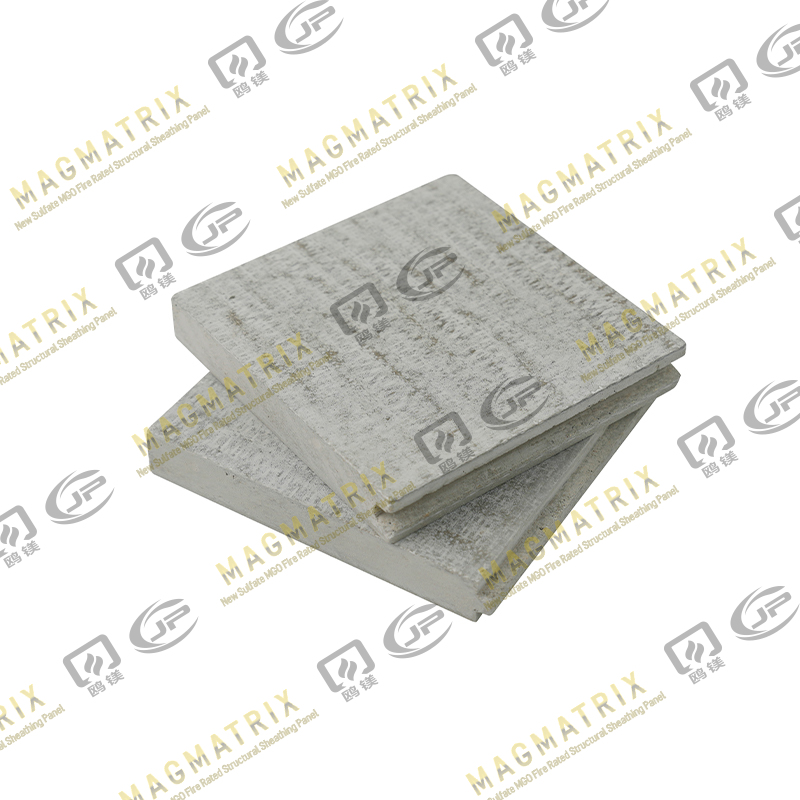 Multi-Support MgO Subfloor Sheathing Board
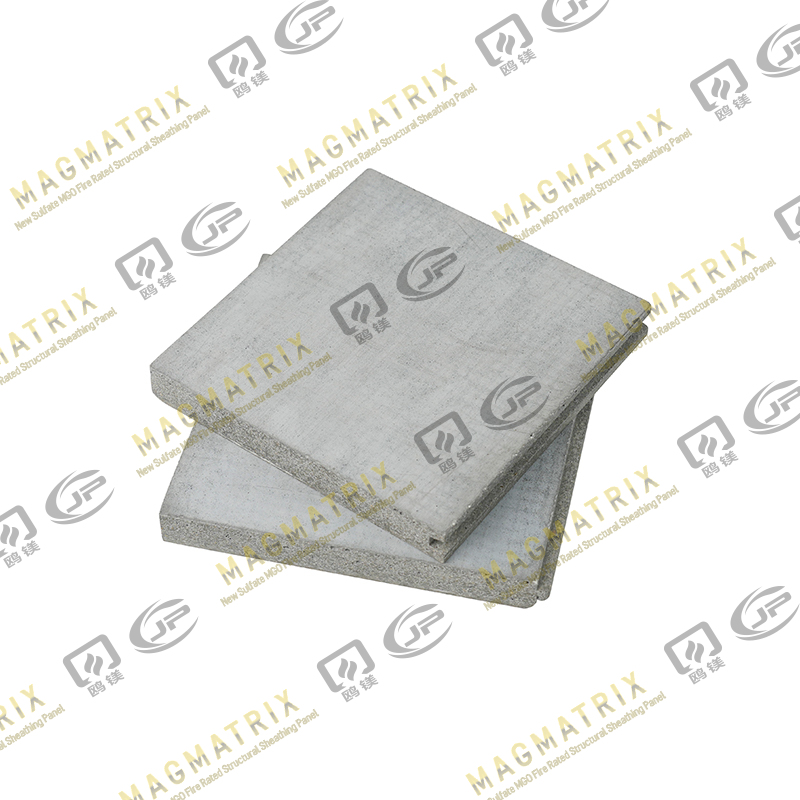 Perseverance MgO Subfloor Sheathing Board
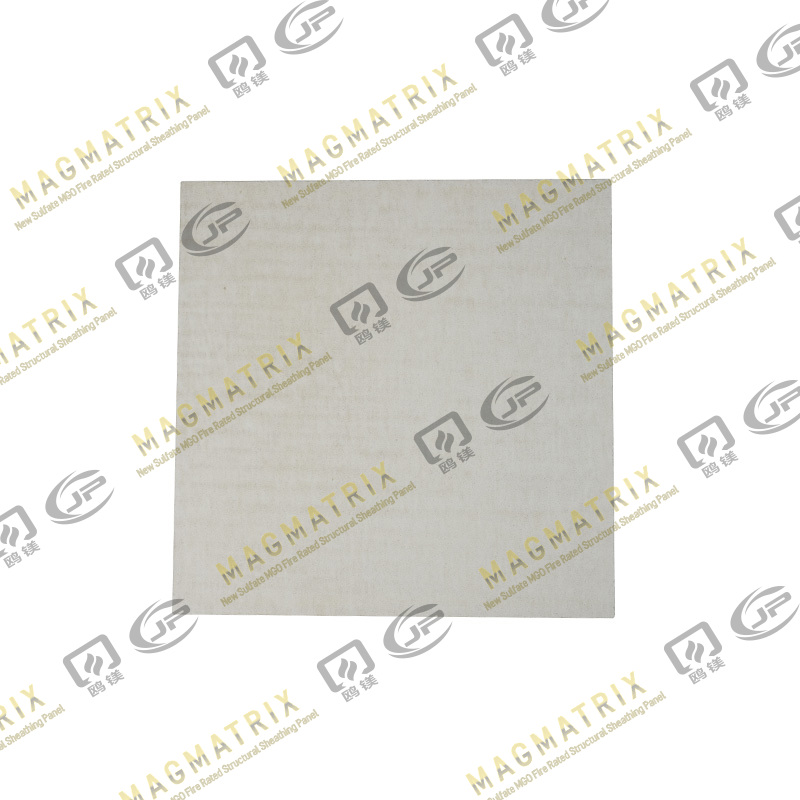 MagMatrix MgO Underlayment Panel/board