In the ninth century the Tang poet Bai Juyi set out why bamboo deserved to be called a gentleman: deep roots that suggest resolve, a straight stem that suggests honour, a hollow centre that suggests modesty, and a plain exterior that suggests integrity. His four lines are still the shortest accurate answer to what bamboo symbolizes across East Asia.
Bamboo is an unusual symbol because the meaning is read straight off the plant rather than borrowed from a story. Watch the culm bend in wind and come back upright, and you have resilience. Look at the empty space between the nodes, and you have humility. Note that it holds its colour through a hard winter, and you have friendship that survives bad weather.
Bamboo is read as a person, not as a plant. What the stem does is what a good character is supposed to do.
This guide covers the virtue symbolism in Chinese culture, the meaning attached to each part of the plant, the stalk counts used with lucky bamboo, the readings found in Japan, India and Vietnam, and the point where symbolism turns into a specification for an interior wall.
Bamboo as the Gentleman Plant in Chinese Culture
In Chinese culture bamboo symbolizes the junzi, the morally complete person: someone who keeps to principle, stays humble, and endures difficulty without becoming brittle.
Two groupings carry most of that weight. The Four Gentlemen pair plum blossom, orchid, bamboo and chrysanthemum as the four plants a scholar should emulate, one for each season. The Three Friends of Winter pair pine, bamboo and plum because all three hold their colour after everything else has dropped its leaves. Bamboo sits in both sets, which is why it appears in painting, seal carving, garden design and poetry more often than either companion.
Definition: Bamboo symbolism is the set of meanings attached to the plant's physical traits, such as segmented stems, hollow internodes, evergreen leaves and flexible culms, which are read as moral, spiritual or material qualities rather than as botanical facts.
4plants in the Four Gentlemen set, one per season
3plants in the Three Friends of Winter
60-80years between flowering cycles for many species
The practical side matters too. Bamboo served for food, clothing, shelter and transport in ancient China: the first Chinese books were written on bamboo slips laced together with string, and most instruments in the classical orchestra were made from bamboo. A material that could be a floor, a flute and a scroll became a way of talking about usefulness and cultivation at the same time.
What Each Part of the Bamboo Plant Means
The meaning changes with the part you look at, which is why a single bamboo motif can carry several messages at once.
Symbolic readings of bamboo plant parts in Chinese and wider East Asian tradition.
| Plant part |
Symbolic reading |
Where it appears |
| Roots |
Resolve, hidden support, family foundation |
Bai Juyi's list; household and wedding imagery |
| Stem |
Uprightness, honour, steady ambition |
Scholar painting, gifts to officials |
| Hollow internode |
Humility, openness, the value of empty space |
Confucian and Daoist writing |
| Node |
Integrity and restraint; steady promotion |
Gifts for students and new employees |
| Leaves |
Friendship that survives winter, chastity |
The Three Friends of Winter |
| Mottled culm |
Grief and fidelity |
Poetry and memorial art |
| Flowering |
Rarity, sacrifice, the end of a long cycle |
Folklore about endings and renewal |
The node deserves its own note. The Chinese word jie means both the joint of a stem and the idea of restraint or moral integrity, so the idiom jie jie gao sheng, rising joint by joint, is used to wish someone steady promotion rather than sudden success.
The mottled bamboo in Chinese painting is not a decorative choice. Legend holds that the wives of Emperor Shun, Ehuang and Nuying, wept so long by the Xiang River that their tears stained the bamboo, which is why spotted culms are read as grief and fidelity rather than as a pattern.
Read together, the parts form a checklist rather than a single meaning: rooted, straight, hollow, jointed, evergreen. Most bamboo imagery in East Asian art is simply one of those traits pushed forward.
Lucky Bamboo Stalk Counts and Feng Shui Numbers
In feng shui practice, lucky bamboo carries its message through the number of stalks in the container: the count is treated as a wish, and odd numbers are favoured over even ones.
One correction before the numbers. Lucky bamboo is Dracaena sanderiana, a tropical understory plant, not a true bamboo. Its symbolism comes entirely from how it is sold, shaped and counted, which is why the same three stems can mean different things to two different buyers.
Commonly cited lucky bamboo stalk counts and the wishes attached to them in feng shui practice.
| Stalks |
Usual reading |
| 2 |
Love and partnership, often given to couples |
| 3 |
Happiness, long life and wealth, the three blessings |
| 5 |
Balance across the five elements |
| 7 |
Health, vitality and steady growth |
| 8 |
Wealth and commercial success |
| 9 |
Completeness and lasting luck, the most common gift count |
| 21 |
Everything at once, used for a new home or business |
9
Nine stalks are the most widely given arrangement, because nine is read as completeness: one gift covers health, wealth and relationships at the same time.
Treat the table as convention rather than doctrine. Schools differ, sellers differ, and a gift given with a clear intention matters more than a precise count.
Bamboo in Japanese, Indian and Vietnamese Traditions
Outside China, bamboo keeps the resilience reading and picks up local meanings: protection in Japan, friendship in India, and solidarity in Vietnam.
Japan
Bamboo, or take, signals purity and protection. Groves surround shrines, and worshippers tie paper wishes to bamboo branches at Tanabata. Fast shoot growth is read as prosperity and vitality.
India
Bamboo stands for friendship and hospitality in several regional traditions, and it serves as a ritual material in parts of the east and northeast. The bamboo flute, the bansuri, links the plant to music and devotion.
Vietnam
Bamboo, or tre, works as a national image of resilience and unity: it bends in storms, holds the village together, and appears in proverbs about endurance and shared labour.
The common thread is not magic and not decoration. In each of these traditions, bamboo is a metaphor for how a person or a community should behave under pressure.
From Symbol to Specification: Bamboo as a Building Material
Bamboo symbolism carries into construction because the traits that make it a virtue symbol also make it a useful material: fast growth, light weight, and a strength-to-weight ratio that is often compared with mild steel.
What bamboo does not do well is fire. Untreated bamboo is combustible, and it chars and loses section when exposed to flame. In a rated wall or a corridor ceiling that matters more than any cultural association, because the assembly has to satisfy a test standard rather than a mood.
Evidence to ask for on a fire-rated interior panel: ASTM E136 for non-combustibility, ASTM E84 for surface burning characteristics, and ASTM E119 for the complete wall or floor assembly. A supplier that cannot name the test, the assembly and the report date has not verified anything.
The usual compromise is to keep the look and move the risk. A fire-rated magnesium oxide board takes the face or substrate position, while a printed bamboo film, veneer or laminate supplies the visual reference. Jinpeng publishes its own certificate and test report library for these boards, including non-combustibility and assembly fire tests.
For a finished face in a rated corridor or lift lobby, a fire resistance interior decorative board does the job in one layer and skips the extra laminating step.
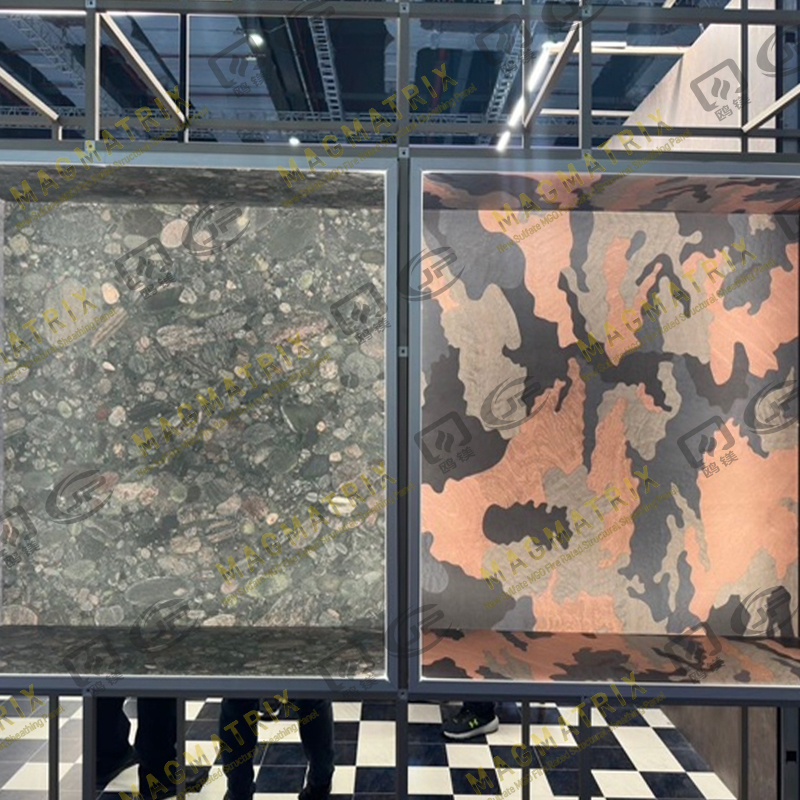 OuMei MgO Fire-Resistance Interior Decorative BoardFor rated corridor or lift-lobby walls, this noncombustible MgO decorative panel provides a finished face in one layer without extra lamination.View Product →
Where a local fabricator applies the finish, or where joinery and furniture panels are being built, a board for interior decorative lamination is the more practical starting point.
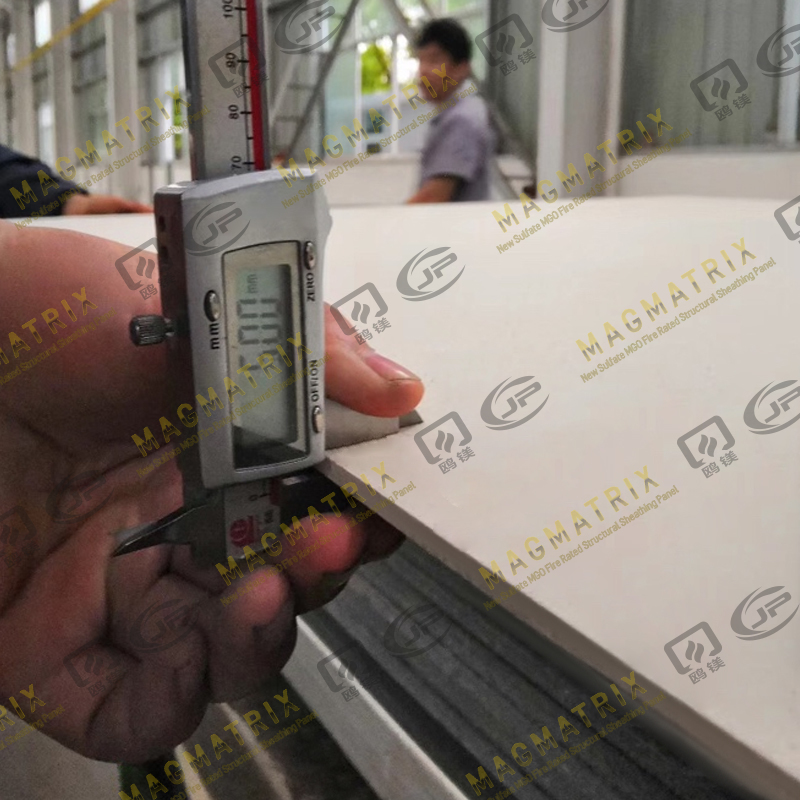 OuMei MgO Backer Board for Decorative LaminationA sanded magnesium oxide substrate for HPL, veneer, vinyl, or films, suited to wall panels, ceilings, partitions, and cabinetry where decoration and fire safety meet.View Product →
How to Use Bamboo Symbolism in an Interior Without Getting It Wrong
Choose the trait first and the object second. Most weak bamboo interiors fail because the design started with a pattern instead of a message.
Name one trait
Resilience, humility, growth or endurance. One per room. A lobby that signals all four signals nothing.
Pick the carrier
A living plant, a motif in joinery, a printed film on a panel, or the material itself. A lucky bamboo on a reception desk carries a different weight from a bamboo-grain wall in a stairwell.
Check the assembly
Fire rating, moisture exposure, substrate and fixing method. Symbolism does not survive a failed inspection, and a rated wall needs documented evidence rather than good intentions.
For a closer look at how far the material side can go, this site keeps a set of worked examples on interior design applications of magnesium oxide panels that pair a natural look with documented fire performance.
Rule of thumb: if the bamboo element is decorative, keep the meaning and drop the combustible material. If it is structural, specify it as an engineering material and leave the symbolism to the finishes.
Frequently Asked Questions
Does bamboo symbolize good luck?
Yes, especially in feng shui and in New Year customs, where bamboo stands for steady progress and protection. The lucky bamboo sold in shops reinforces that reading through stalk counts rather than through the plant itself.
Why is bamboo a symbol of resilience?
Because a culm bends under wind or snow load and returns upright, while a rigid trunk of similar size snaps. The plant also regrows quickly after cutting, which supports the same reading in Chinese, Japanese and Vietnamese traditions.
What does a bamboo gift mean in Chinese culture?
It usually wishes steady progress and integrity on the receiver, built on the double sense of jie as both node and moral restraint. Students, new employees and people starting a business are the most common recipients.
Is lucky bamboo real bamboo?
No. Lucky bamboo is Dracaena sanderiana, a separate genus grown in water or soil. Its meaning comes from how it is arranged and counted, not from bamboo botany.
Bamboo has carried the same core message for more than a thousand years: stay rooted, stay straight, stay hollow enough to keep learning, and bend instead of breaking. Every other reading, from stalk counts to wall panels, hangs off those four ideas.



 English
 русский
 Español

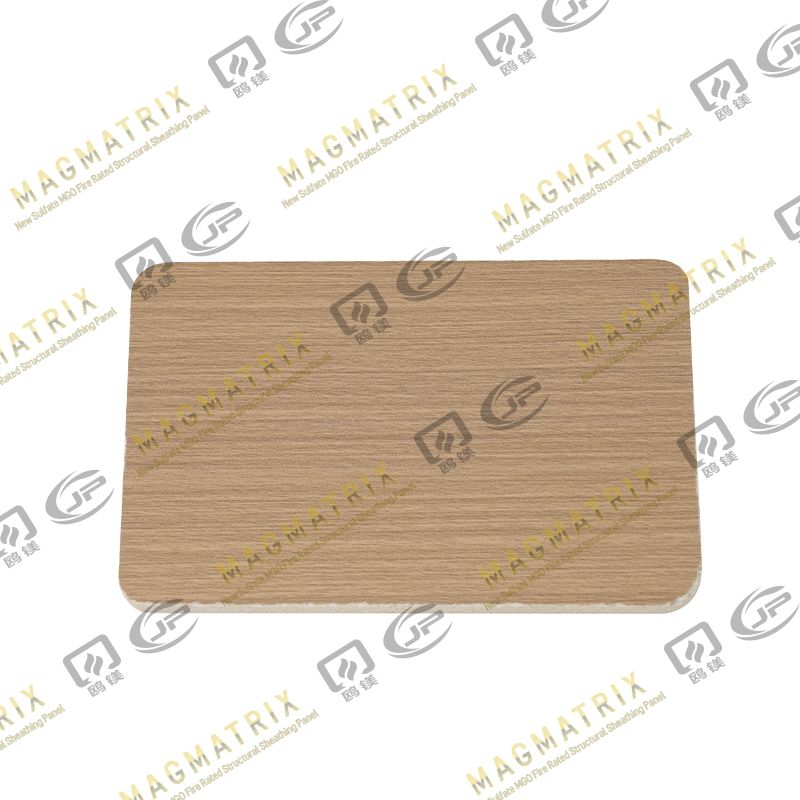
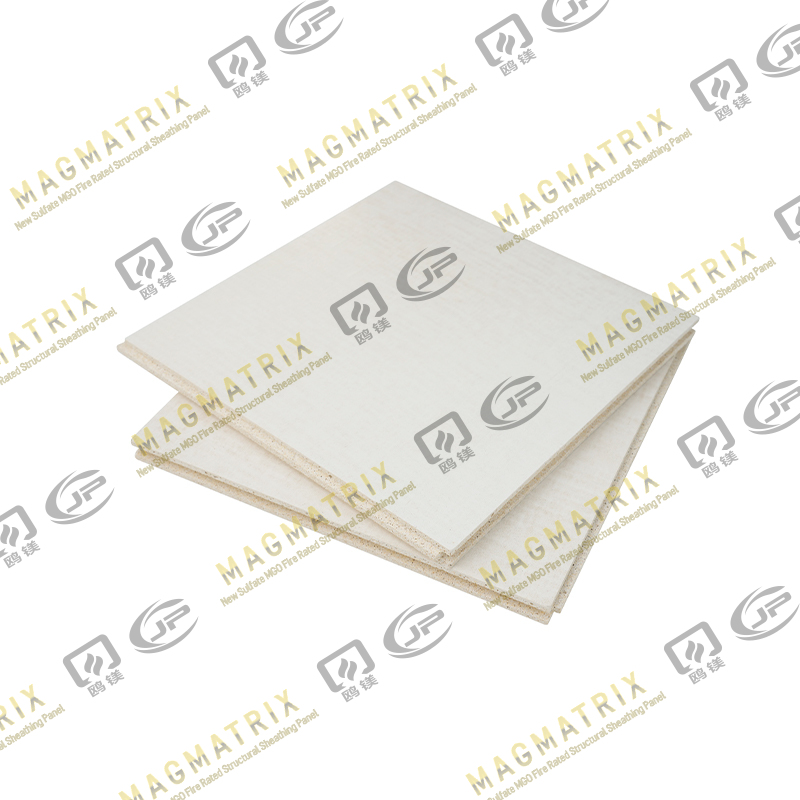
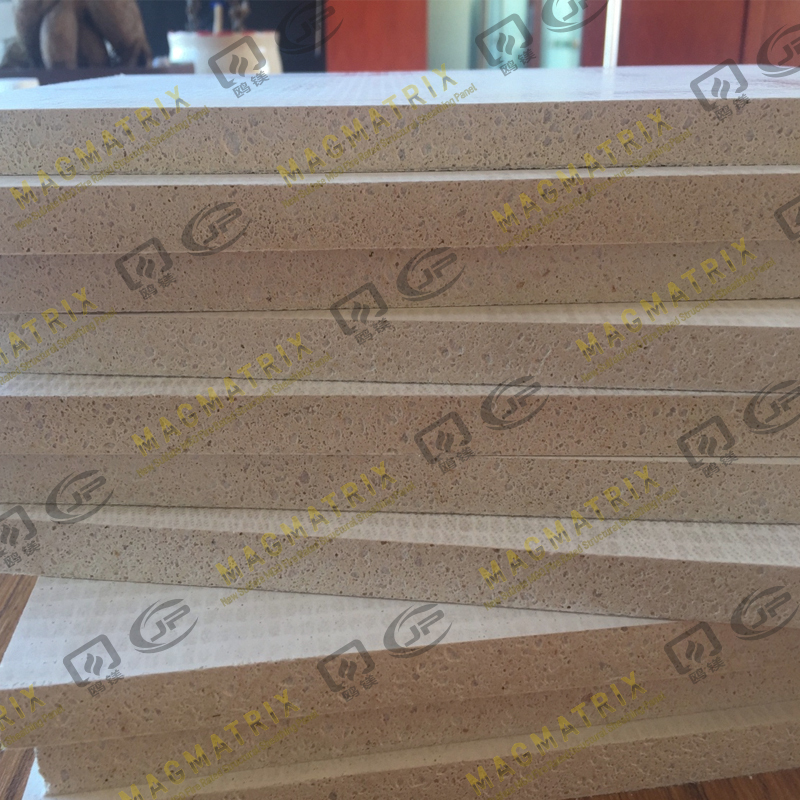 BMSC 517 New Sulfate MgO Board
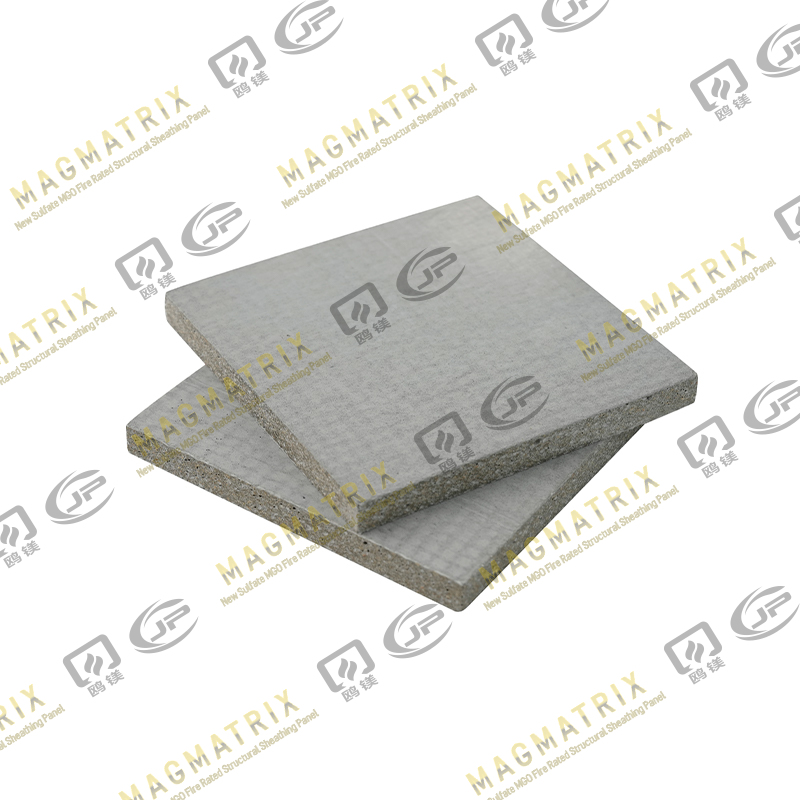 Multi-Support MgO Wall Sheathing Board
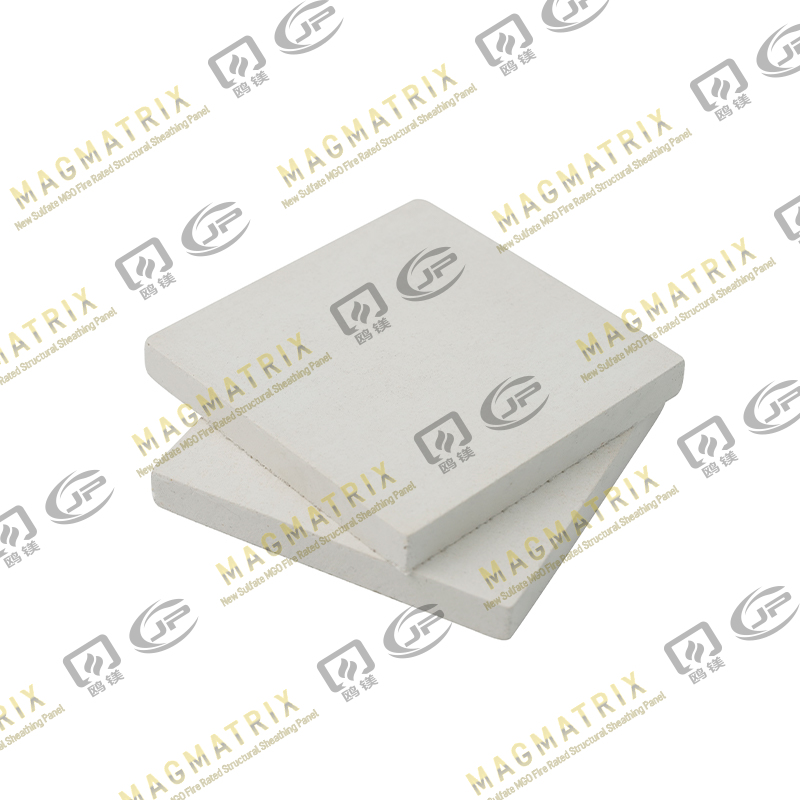 Perseverance MgO Wall Sheathing Board
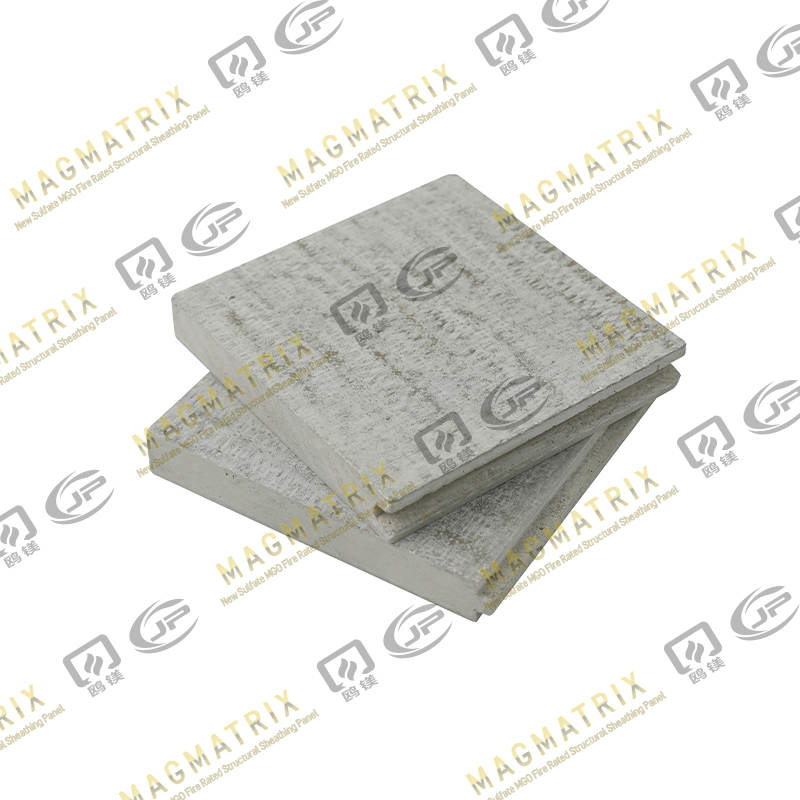 Multi-Support MgO Subfloor Sheathing Board
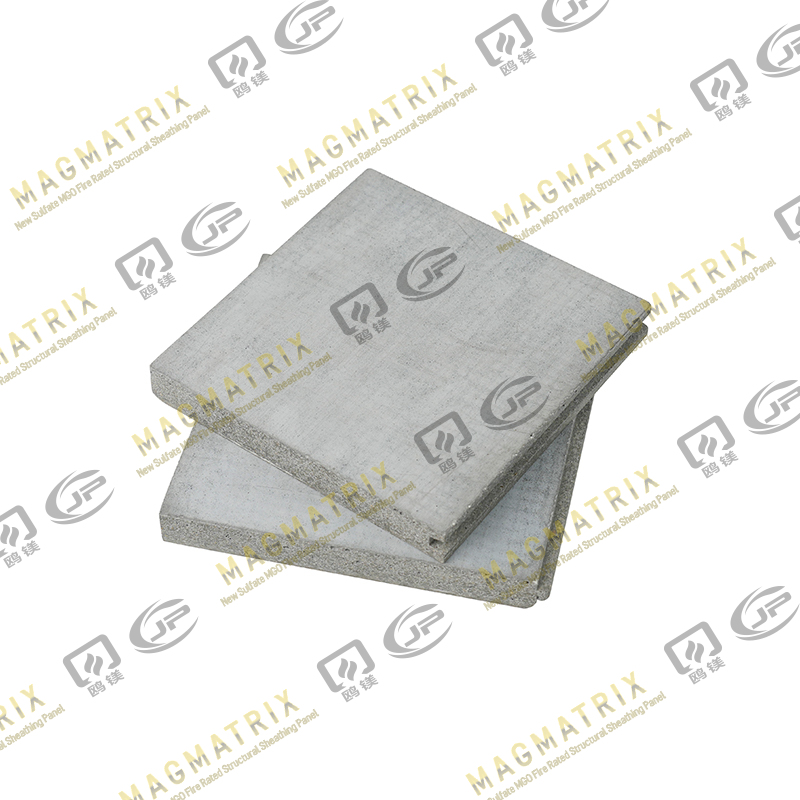 Perseverance MgO Subfloor Sheathing Board
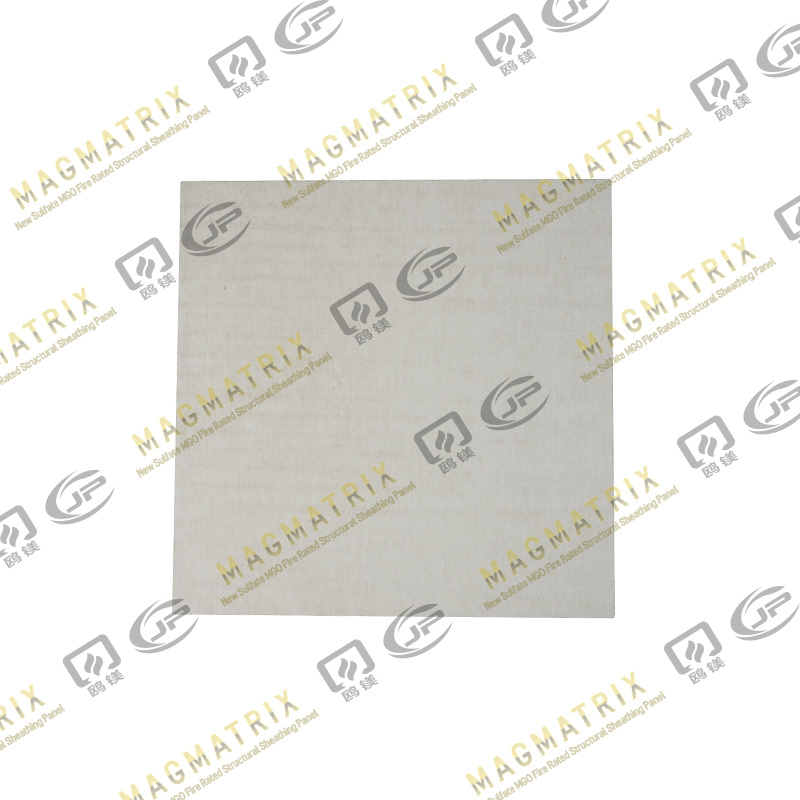 MagMatrix MgO Underlayment Panel/board