Why Builders Are Ditching Plywood for MgO Subfloor Panels
Plywood subflooring has dominated residential construction for decades—until moisture warps it, mold colonizes it, and fire accelerates through it. A single bathroom leak or flood event can destroy a plywood subfloor in days. That's why more builders and developers are switching to a fire-resistant, moisture-proof structural subfloor panel made from magnesium oxide (MgO). The performance gap isn't marginal—it's significant.
This guide breaks down what MgO subfloor panels actually deliver, where they outperform traditional materials, and what to look for when specifying them for your next project.
What Makes MgO Different From Wood-Based Subflooring
Magnesium oxide is an inorganic mineral compound. Unlike plywood or OSB, it contains no cellulose—meaning it has nothing for moisture to rot, mold to digest, or termites to consume. The chemistry is simple but the construction implications are profound.
A standard MgO subfloor panel achieves bending strength in the range of 18–21 MPa, with density typically between 1,200 and 1,400 kg/m³. That puts it in a different category from wood panels when it comes to dimensional stability. It won't buckle in humid climates, won't swell after a pipe leak, and won't shrink in dry winters—problems that cause costly floor finish failures down the line.
The material also carries a Class A1 fire rating under European standards and can achieve 1- to 3-hour fire-resistance levels in floor-ceiling assemblies tested to ASTM E119, the U.S. standard for measuring how long assemblies maintain structural integrity under fire exposure. For multi-family, modular, and commercial construction, those ratings aren't optional—they're code-required.
The Multi-Support Advantage: Designed for Real-World Framing
Not all MgO subfloor boards are equal. Generic panels may perform well in lab conditions but fail to account for the variety of framing systems used on real job sites—timber joists, cold-formed steel framing, or modular unit decks. That's the problem the Multi-Support MgO Subfloor Sheathing Board is designed to solve.
This panel is engineered to carry a total live and dead load of 320 psf (15.3 kPa) when framing members are spaced at 24" (610 mm) O.C.—whether those members are wood or steel. That load rating covers virtually all residential and light commercial applications, including high-traffic corridors and stacked multi-family units.
The tongue-and-groove edges along each long side ensure a tight, flush fit between panels. This eliminates the step joints and squeaks that plague standard butt-edge installations, and it distributes point loads more evenly across the deck. The result is a subfloor that installs like wood sheathing but behaves like a rigid mineral composite.
Fire and Moisture: The Two Tests That Matter Most
Building professionals often evaluate subfloor materials on cost and speed alone. Two factors that rarely get enough attention—fire performance and long-term moisture behavior—are precisely where MgO separates itself.
On fire: MgO is noncombustible. It doesn't add fuel to a fire, doesn't produce toxic smoke, and doesn't structurally fail in the early stages of a fire event the way wood does. This is why it enables 1-, 2-, and even 3-hour rated floor-ceiling assemblies without requiring additional intumescent layers or thick concrete toppings.
On moisture: high-quality sulfate-based MgO panels (BMSC formulation) are chloride-free, which eliminates the corrosion risk to embedded steel fasteners and framing that plagued first-generation oxychloride MgO boards. The "Soak-Dry" cycle test is the industry benchmark here—panels that achieve a 50-cycle rating demonstrate genuine long-term moisture resistance, not just short-term lab performance.
Installation: What's Different From Plywood
The good news is that MgO subfloor panels install with familiar tools. A carbide-tipped circular saw handles cuts cleanly. Fastening follows a standard screw pattern—typically 20–30 cm spacing along edges and field—using corrosion-resistant screws suited to the framing material.
A few differences worth noting:
- Always leave a 3 mm expansion gap at perimeter walls and between panel ends to allow for minor thermal movement.
- Panels must be installed with the long dimension perpendicular to the framing members, just like structural plywood.
- A finished floor covering—tile, vinyl, wood, or carpet—is required over the subfloor. The exception is residential carpet with pad, which can go directly over the panel surface.
- Avoid prolonged exposure to standing water during construction. While MgO is moisture-resistant, protecting the installation until it's enclosed is always good practice.
Most crews familiar with cement board adapt to MgO panels quickly. The lighter weight relative to standard cement board also reduces installer fatigue on large-floor applications.
Where MgO Subfloor Panels Deliver the Most Value
MgO structural subfloor panels are particularly well-suited to four application types:
- Modular and panelized construction — where speed, dimensional precision, and fire ratings must all coexist in factory-built floor modules.
- Multi-family residential — where 1- to 2-hour rated floor-ceiling assemblies are code-required and acoustic performance between units matters.
- Coastal and high-humidity climates — where moisture cycling destroys wood-based panels over time and mold resistance has health implications.
- Renovation and remodeling — where an existing damaged subfloor needs a durable, stable replacement that won't repeat the same failure.
Explore the full range of MgO construction panels to find the right product for your specific framing system and performance requirements.
The Bottom Line on Subfloor Material Selection
If your project requires fire-rated assemblies, operates in a humid or coastal environment, or simply needs a subfloor that won't fail under moisture stress, MgO is the practical choice—not a premium indulgence. The installed cost difference over plywood narrows considerably once you factor in the elimination of moisture remediation callbacks, the absence of mold remediation risk, and the compliance value of certified fire ratings built into the system from day one.
The question isn't whether MgO subfloor panels perform better than plywood. They do. The question is which project types justify the switch—and for most builders working in fire-regulated or moisture-exposed applications, the answer is straightforward.



 English
 русский
 Español
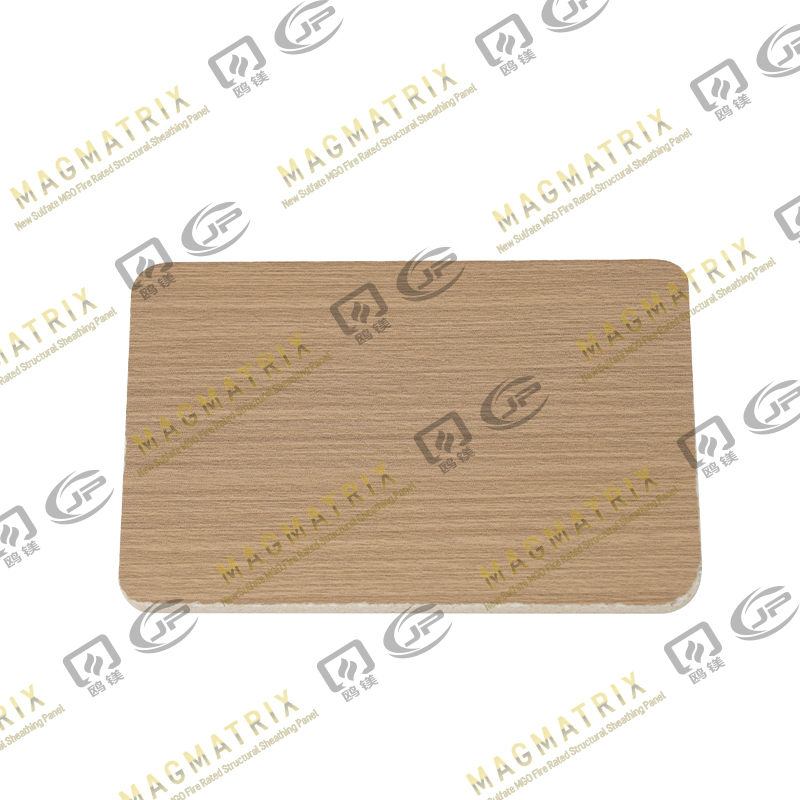
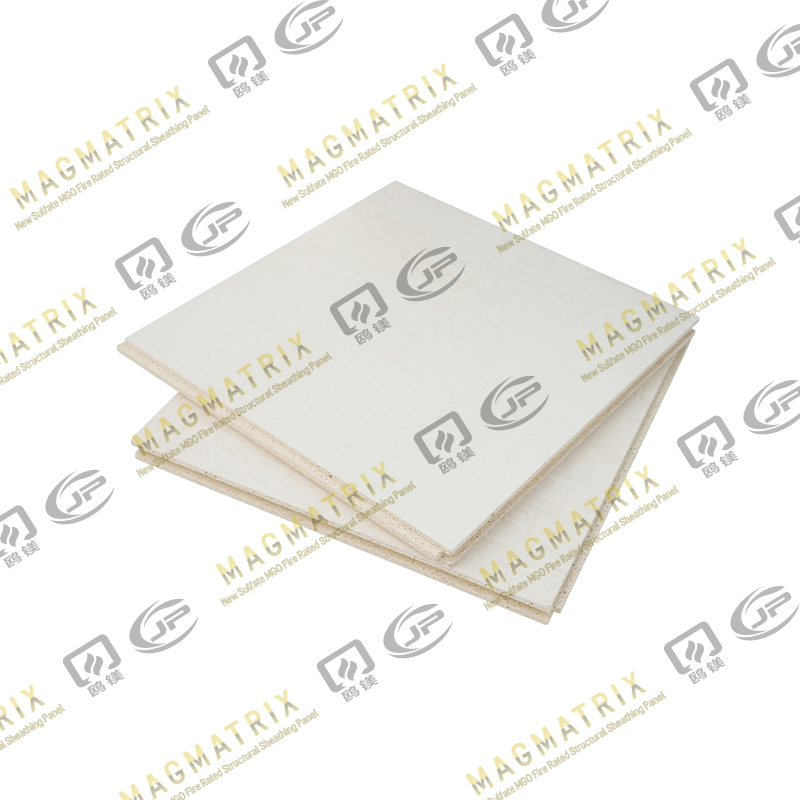
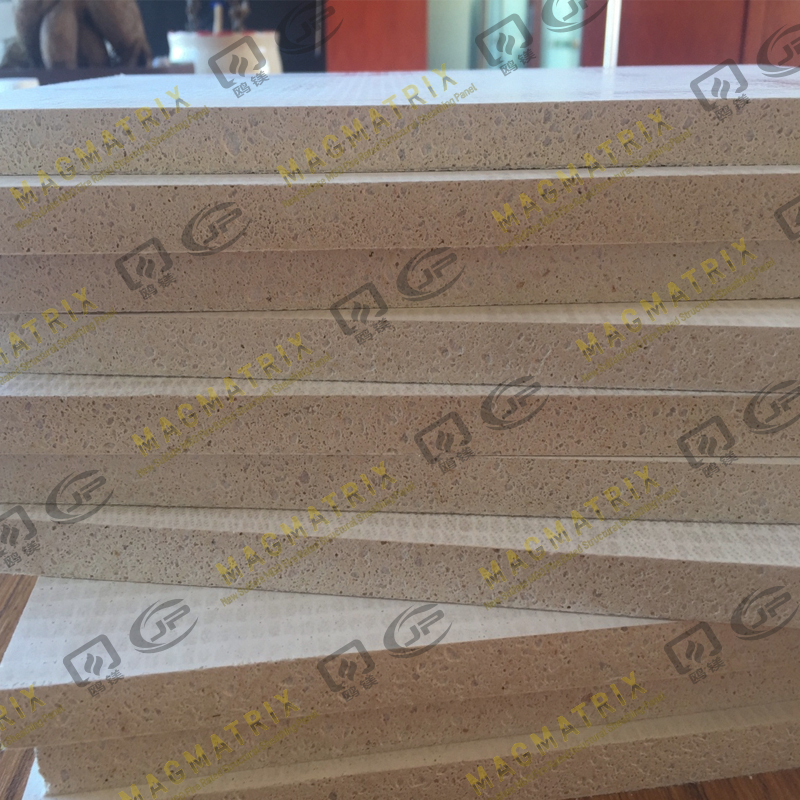 BMSC 517 New Sulfate MgO Board
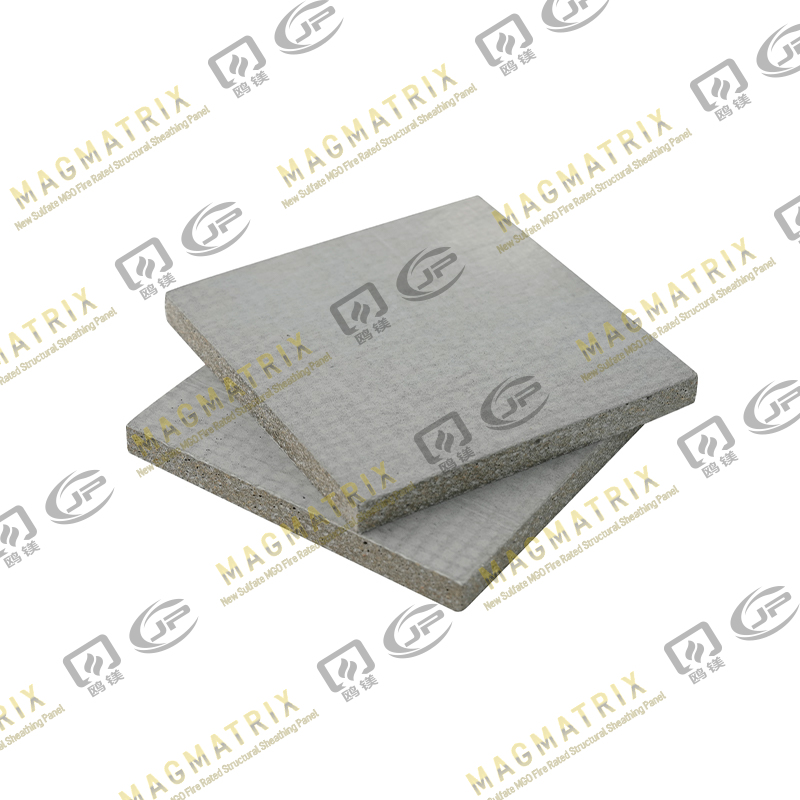 Multi-Support MgO Wall Sheathing Board
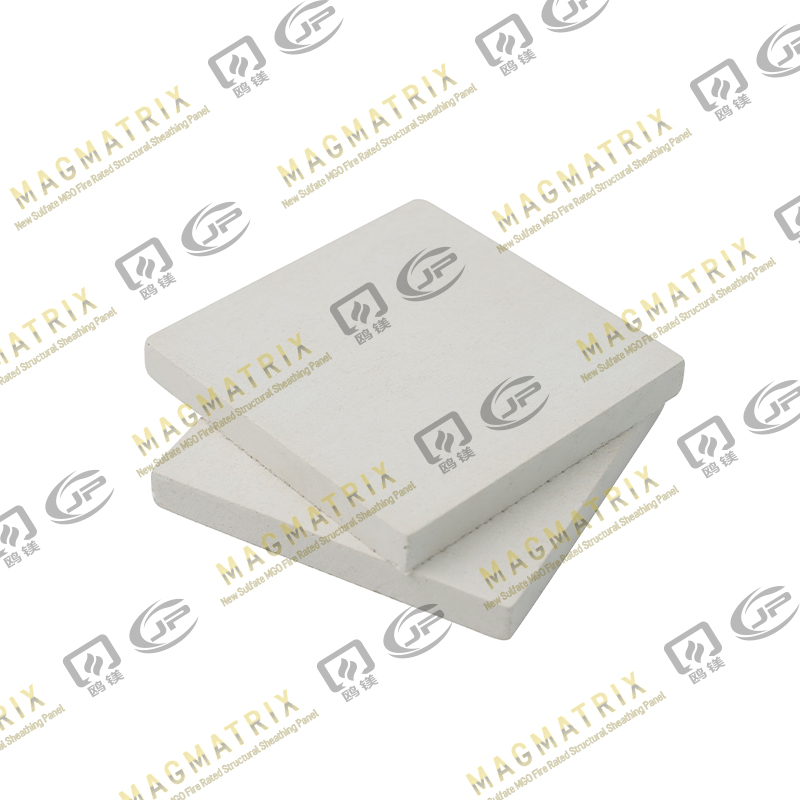 Perseverance MgO Wall Sheathing Board
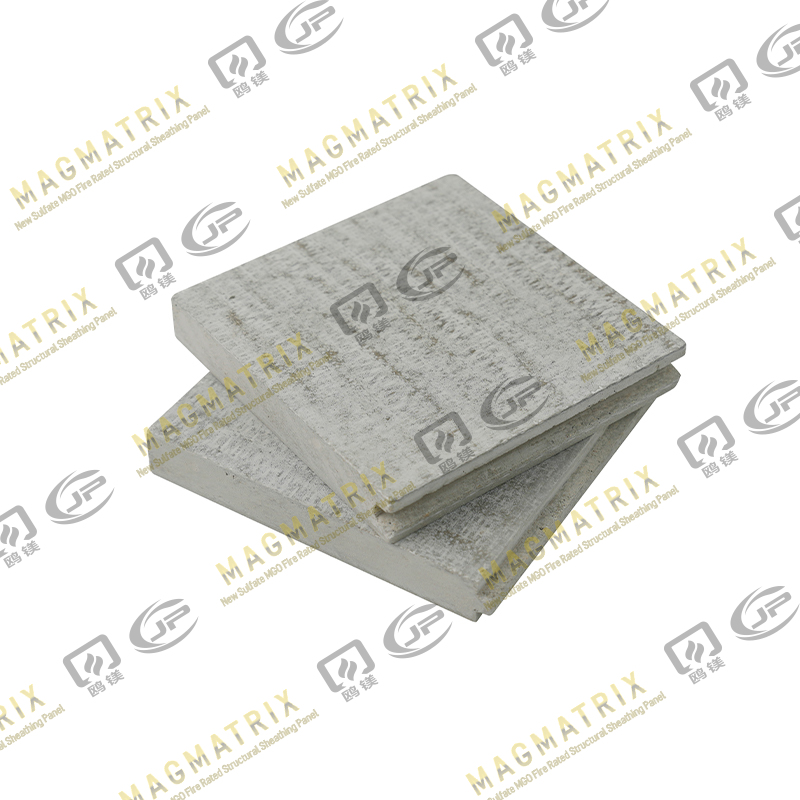 Multi-Support MgO Subfloor Sheathing Board
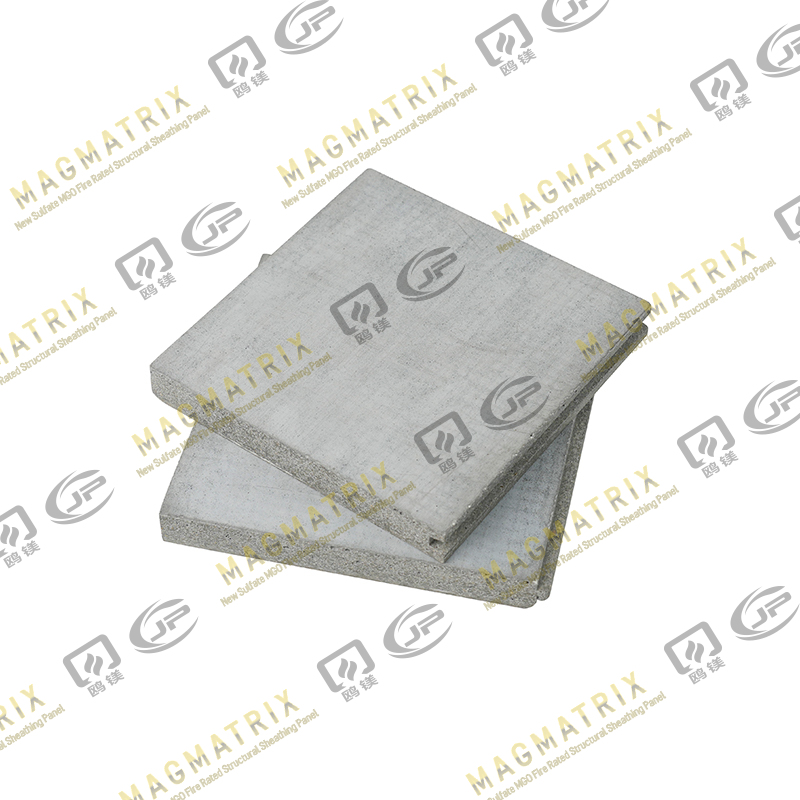 Perseverance MgO Subfloor Sheathing Board
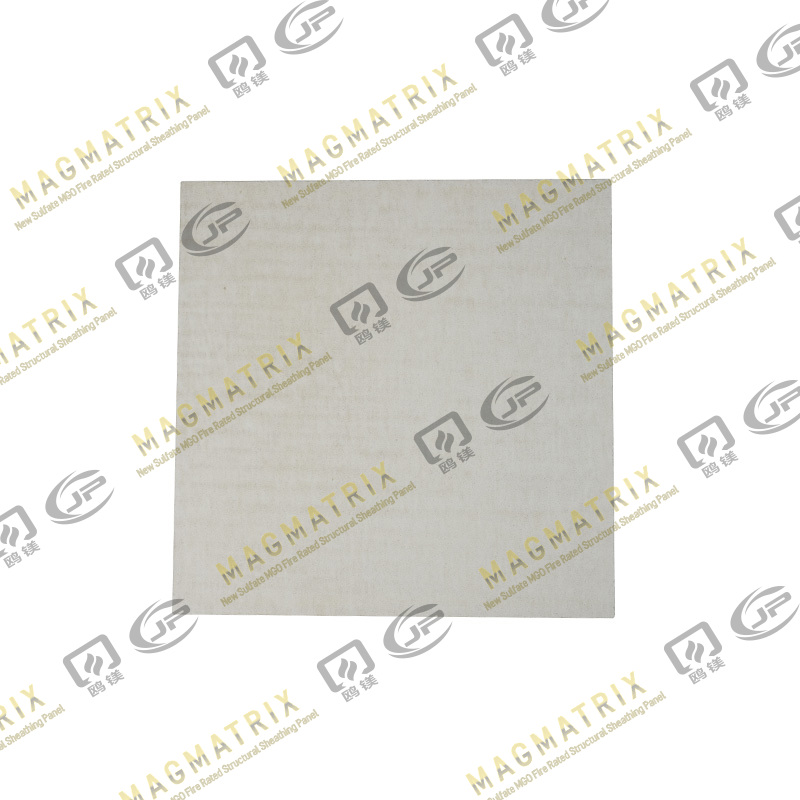 MagMatrix MgO Underlayment Panel/board