Why the Right Backer Board Makes or Breaks a Shower Installation
In our years of working with contractors, builders, and tile setters across more than 20 countries, one thing is consistently clear: the tile itself rarely fails first. It's the substrate behind it. A backer board for shower applications does far more than give tile something to stick to — it forms the structural and moisture-resistant foundation that determines whether a shower lasts 5 years or 25.
Moisture intrusion behind tile is one of the leading causes of bathroom renovation failures. According to industry estimates, water damage accounts for roughly 20–30% of all bathroom remodel callbacks in residential construction. The fix is often traced back to one overlooked decision: the wrong backer board material.
This guide walks through the main backer board types available today, what separates them in real-world performance, and how to make the right call for your project.
The Main Types of Shower Backer Board
There are four widely used categories of backer board in shower construction. Each comes with a distinct set of trade-offs in cost, moisture resistance, weight, and long-term durability.
Cement Board (Traditional)
Cement backer board — brands like HardieBacker and Durock — has been the industry standard for decades. It's made from portland cement reinforced with fiberglass mesh. It resists water absorption well and provides a solid, rigid surface for tile adhesion.
The drawbacks are real, though: cement board is heavy (typically 3–4 lbs per square foot for ½-inch thickness), difficult to cut cleanly, and can still wick moisture into its core over time if not properly waterproofed. It's not waterproof on its own — it's water-resistant.
Foam Backer Board (Waterproof Core)
Foam-based panels like Schluter Kerdi-Board and WEDI are made from extruded polystyrene foam. They are fully waterproof by design, extremely lightweight, and easy to cut with a utility knife. These boards eliminate the need for a separate waterproofing membrane in many cases.
The trade-off is cost — foam boards typically run 2–4× the price of cement board per square foot. They also have lower compressive strength, which limits their use in floor applications with heavy loads.
Gypsum-Based (Moisture-Resistant Drywall)
Products like DensShield or moisture-resistant green board are occasionally used in lower-moisture areas adjacent to showers, but they are not appropriate for direct water exposure. When used incorrectly inside shower enclosures, gypsum-based boards are a well-documented source of mold and structural failure. We recommend against their use as a primary shower backer.
Magnesium Oxide (MgO) Board
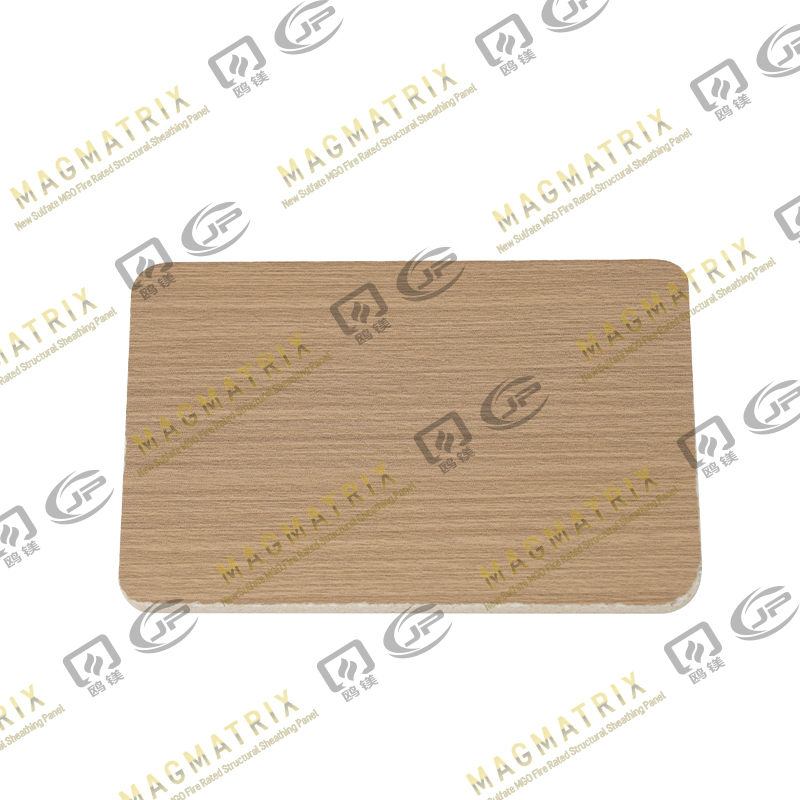
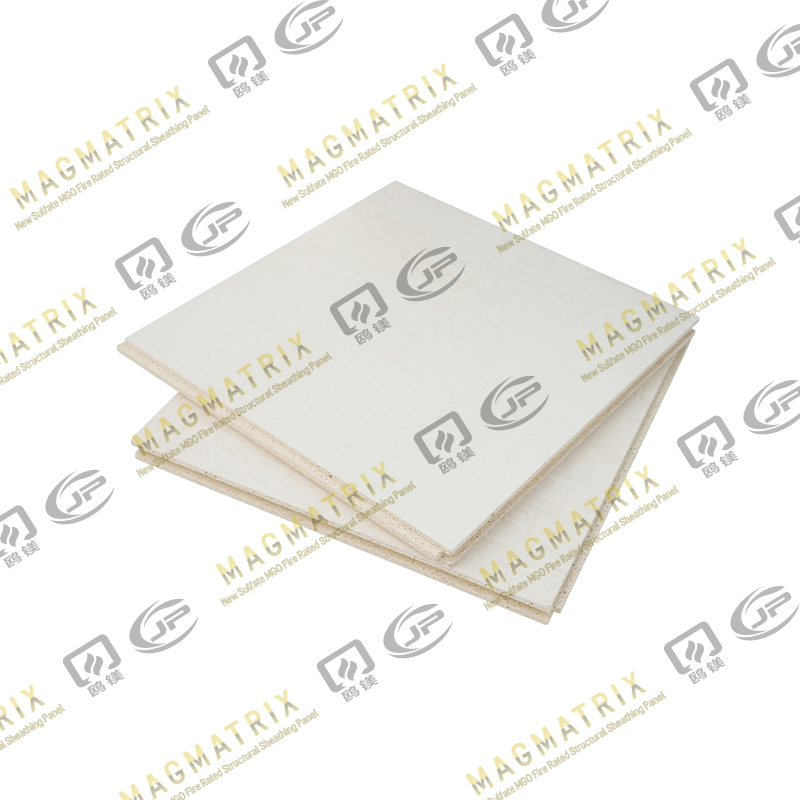
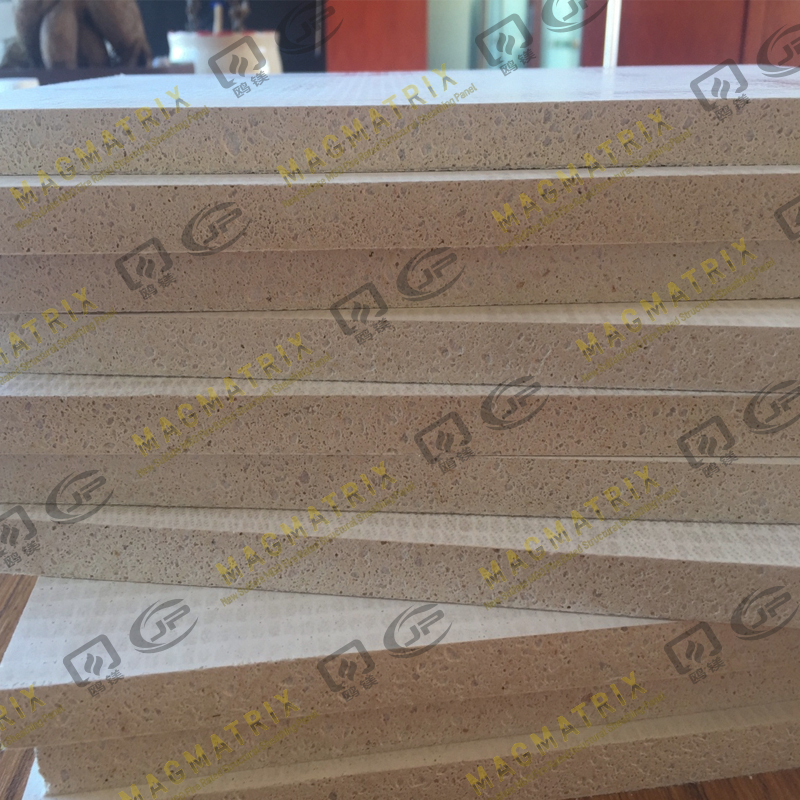
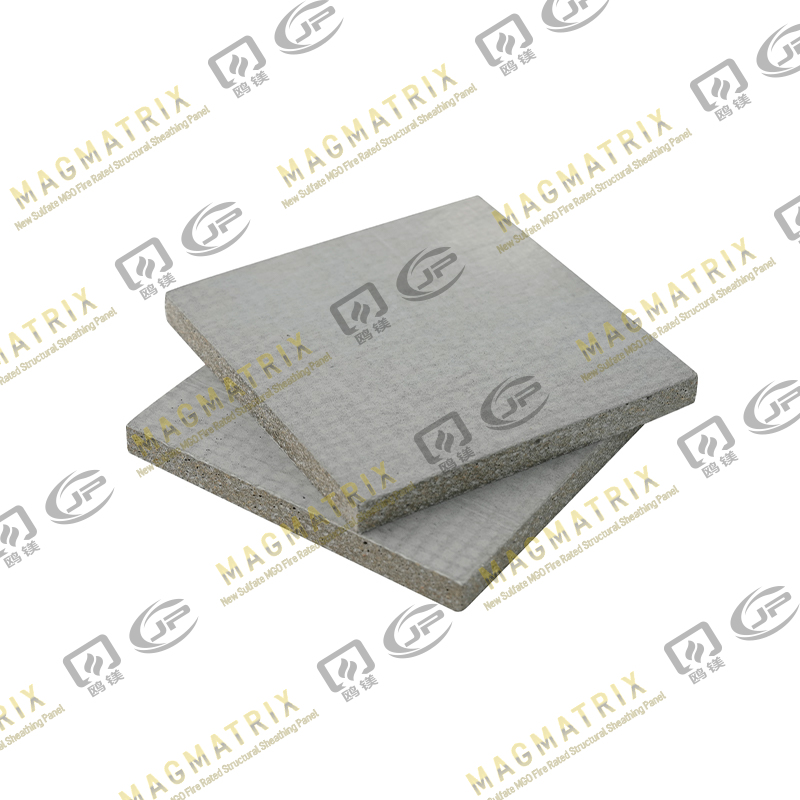
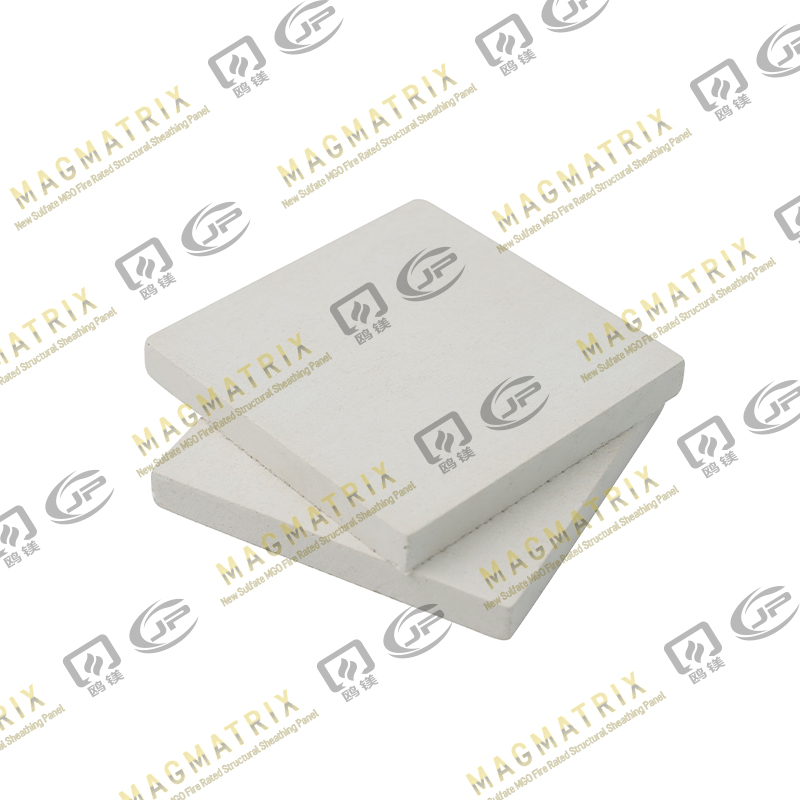
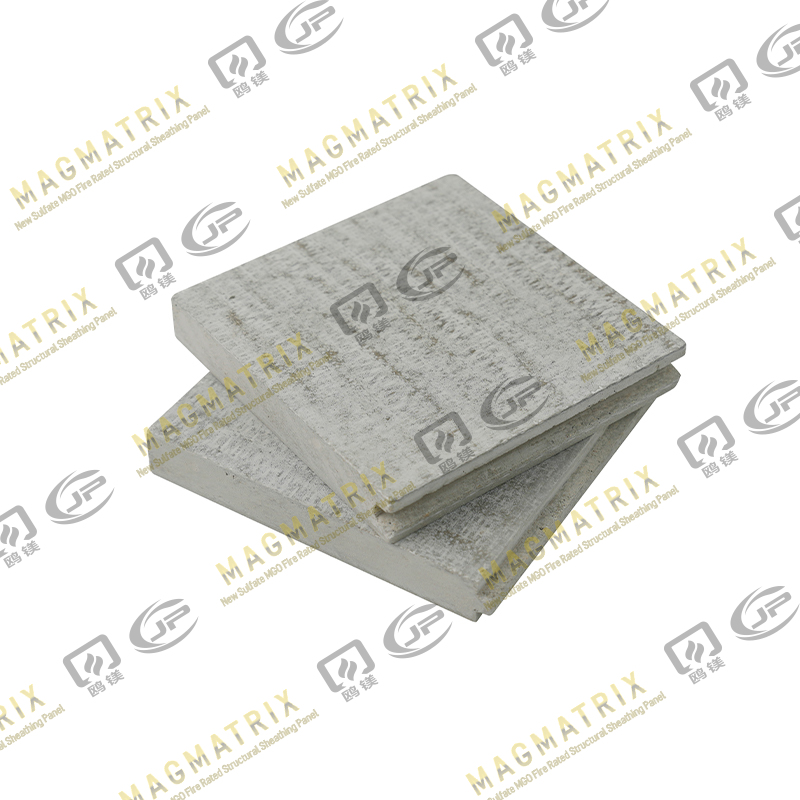
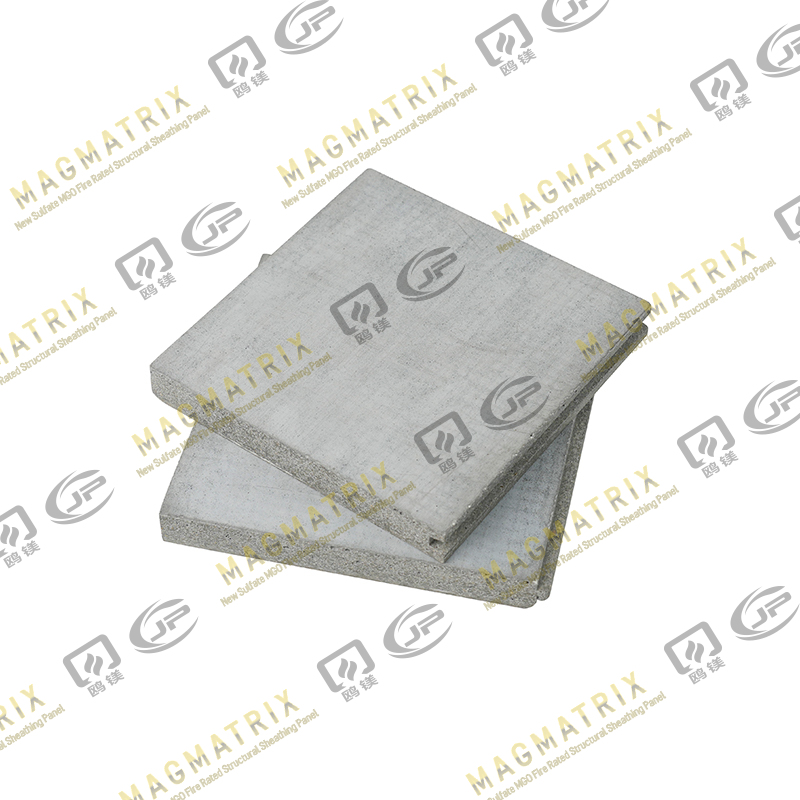
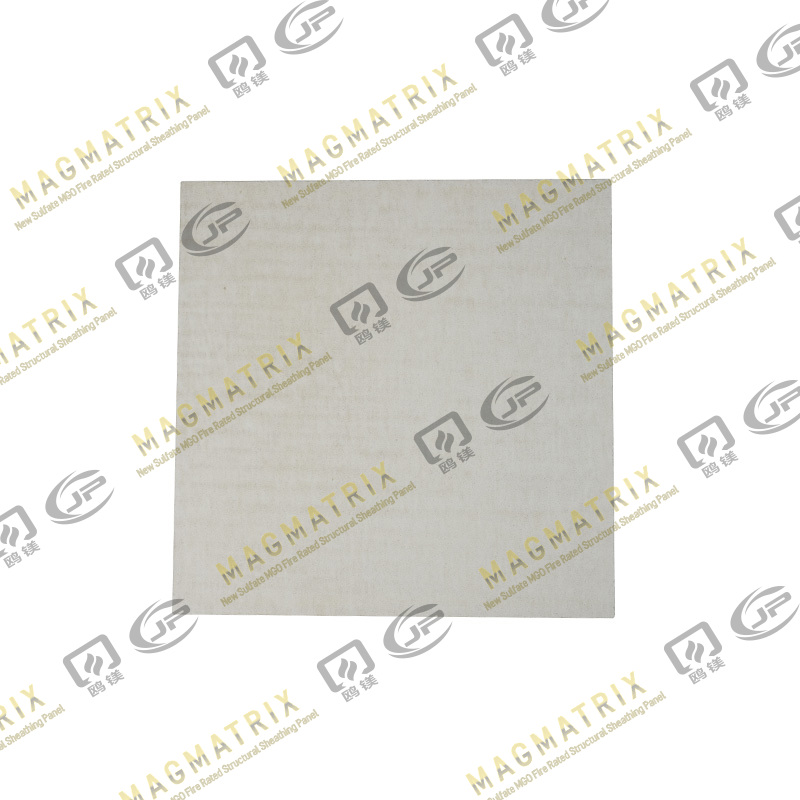
MgO board is an increasingly adopted alternative that combines the rigidity and tile-bonding performance of cement board with significantly better moisture resistance and a lighter weight profile. It is manufactured from magnesium oxide and magnesium sulfate (in newer sulfate-formulated variants), reinforced with fiberglass mesh on both faces.
MgO board does not promote mold or mildew growth, is dimensionally stable under humidity cycling, and — importantly for commercial and multi-family projects — carries Class A fire ratings. As a manufacturer specializing in MgO board solutions, we offer MgO backer board products designed for demanding wet-area applications including shower walls.
Side-by-Side Comparison: Backer Board for Shower Applications
The table below summarizes how the four main backer board types compare across the criteria that matter most in shower construction:
Table 1: Shower backer board comparison by material type
| Property |
Cement Board |
Foam Board |
Gypsum (MR) |
MgO Board |
| Water Resistance |
Good (not waterproof) |
Excellent (waterproof) |
Poor |
Very Good |
| Weight (½" / 13mm) |
~3.5 lbs/sq ft |
~0.5 lbs/sq ft |
~2 lbs/sq ft |
~2.2 lbs/sq ft |
| Fire Rating |
Class A |
Class B–C |
Class A |
Class A |
| Mold Resistance |
Moderate |
Excellent |
Poor |
Excellent |
| Ease of Cutting |
Moderate (score & snap) |
Easy (utility knife) |
Easy |
Moderate (score & snap) |
| Relative Cost |
Low |
High |
Low |
Low–Medium |
| Suitable for Shower Walls |
Yes (with membrane) |
Yes |
No |
Yes (with membrane) |
What to Look for When Specifying Backer Board for Showers
The "best" backer board depends on your project constraints. Here are the most important factors to evaluate:
Moisture Exposure Level
In a direct-spray zone — the walls within 24 inches of shower heads — the substrate will be repeatedly wetted and dried over its service life. Any board used here must be paired with a quality waterproofing membrane unless it is inherently waterproof (e.g., foam board). MgO board and cement board both require this step, but they handle incidental moisture penetration far better than gypsum.
Project Scale and Labor Cost
For a single residential bathroom, the material cost difference between cement board and foam board may be $50–$150. At a 200-unit multifamily project, that same delta can reach $30,000 or more in materials alone. This is where specifying a product like MgO board becomes a practical middle ground — better moisture and fire performance than cement board, at a fraction of foam board's price point.
Fire Code Requirements
Many commercial and multi-family building codes require substrates to meet Class A flame spread ratings. Foam-based boards often fall into Class B or C, which can create compliance issues in certain jurisdictions. Cement board and MgO board both achieve Class A ratings, making them the safer specification choice when fire performance requirements are strict.
Structural Framing Type
Cement board and MgO board can be fastened to both wood and metal stud framing with standard screws, and they provide meaningful shear strength contribution to the wall assembly. Foam board, by contrast, is not a structural panel and relies entirely on the framing behind it for rigidity. For steel-frame prefabricated bathroom pods — increasingly common in hospitality and modular construction — a rigid, structurally capable backer board is often required.
Tile Size and Bonding Requirements
Large-format tile (anything over 15"×15" or 400mm×400mm) is sensitive to substrate deflection. The Tile Council of North America (TCNA) recommends that deflection in a tile assembly not exceed L/360 of the span. A rigid, dense backer board reduces the risk of tile cracking caused by substrate flex — particularly important in shower niches, benches, and floors.
Common Installation Mistakes That Undermine the Backer Board
Even the best backer board fails when installed incorrectly. These are the errors we see most frequently in project reviews:
- Skipping the waterproofing membrane. Cement board and MgO board are water-resistant, not waterproof. Applying a sheet or liquid membrane before tiling is not optional in direct-wet areas.
- Using drywall screws instead of corrosion-resistant fasteners. Standard drywall screws rust quickly in wet environments, causing the board to loosen. Use hot-dipped galvanized or stainless fasteners.
- Not taping seams. Board joints must be taped with alkali-resistant mesh tape and thinset before waterproofing. Untaped seams are a direct path for moisture intrusion.
- Improper stud spacing. Most backer boards are rated for 16" OC stud spacing. Installing on 24" OC without a thicker board can lead to deflection and cracked grout lines within 12–18 months.
- Leaving boards in direct contact with the shower floor. The bottom edge of wall backer board should sit above the shower pan or curb — not embedded in the setting mortar — to prevent capillary water absorption from below.
Why MgO Board Is Gaining Ground in Shower Substrate Specifications
Over the past decade, MgO board has moved from a niche alternative to a mainstream specification option in markets across North America, Europe, and Southeast Asia. Several practical factors are driving this shift:
- MgO is inorganic and does not provide nutrients for mold or mildew, even after prolonged exposure to humidity — a meaningful advantage over cement board in high-occupancy facilities like hotels and gyms.
- New-generation sulfate MgO formulations have addressed earlier durability concerns around chloride stability, producing boards that maintain dimensional stability across a wide range of humidity and temperature conditions.
- MgO board typically weighs 20–30% less than cement board at equivalent thickness, reducing dead load on wall framing and simplifying handling during installation.
- Fire performance aligns with Class A requirements under ASTM E84 and similar standards, meeting the same compliance bar as cement board without the weight penalty.
As a manufacturer of MgO board products, we work with distributors and contractors who need reliable substrate materials for high-performance wet area applications. Our MgO board product range includes options suited for wall assemblies in residential, commercial, and prefabricated construction — certified by Intertek and SGS, and manufactured under ISO-compliant production standards.
Making the Final Specification Decision
There is no single "correct" backer board for every shower project. The right choice comes down to matching material properties to project demands:
Table 2: Recommended backer board by project scenario
| Project Scenario |
Recommended Board Type |
Key Reason |
| Budget residential bathroom renovation |
Cement board |
Lowest cost, widely available |
| High-end residential with rapid build timeline |
Foam board |
Built-in waterproofing saves steps |
| Hotel / hospitality (multifamily) |
MgO board |
Fire rating + mold resistance at scale |
| Prefab / modular bathroom pod |
MgO board |
Structural performance + lightweight |
| Steam shower / high humidity enclosure |
Foam board or MgO board |
Sustained moisture tolerance |
If you're sourcing backer board at volume for commercial, hospitality, or prefabricated construction projects, we'd encourage you to evaluate MgO board as part of your specification process. The performance profile — particularly around fire, moisture, and weight — makes it a strong candidate for projects where standard cement board falls short but foam board's cost or fire rating limitations are a concern.
Getting the substrate right is the single most cost-effective investment in a shower's long-term performance. No amount of premium tile or designer grout compensates for a failed backer system behind it.



 English
 русский
 Español
 BMSC 517 New Sulfate MgO Board
 Multi-Support MgO Wall Sheathing Board
 Perseverance MgO Wall Sheathing Board
 Multi-Support MgO Subfloor Sheathing Board
 Perseverance MgO Subfloor Sheathing Board
 MagMatrix MgO Underlayment Panel/board