Why MgO Underlayment Boards Are the Superior Choice
For builders and renovators seeking a high-performance underlayment, magnesium oxide (MgO) boards deliver unmatched fire resistance, moisture tolerance, and structural strength. Unlike traditional cement or gypsum boards, MgO underlayment combines durability with eco-friendly manufacturing, making it a smart long-term investment. Whether used beneath tile, stone, or as a roofing base, MgO boards provide a stable, crack-resistant surface that outperforms conventional materials in almost every metric.
What Is MgO Underlayment Board?
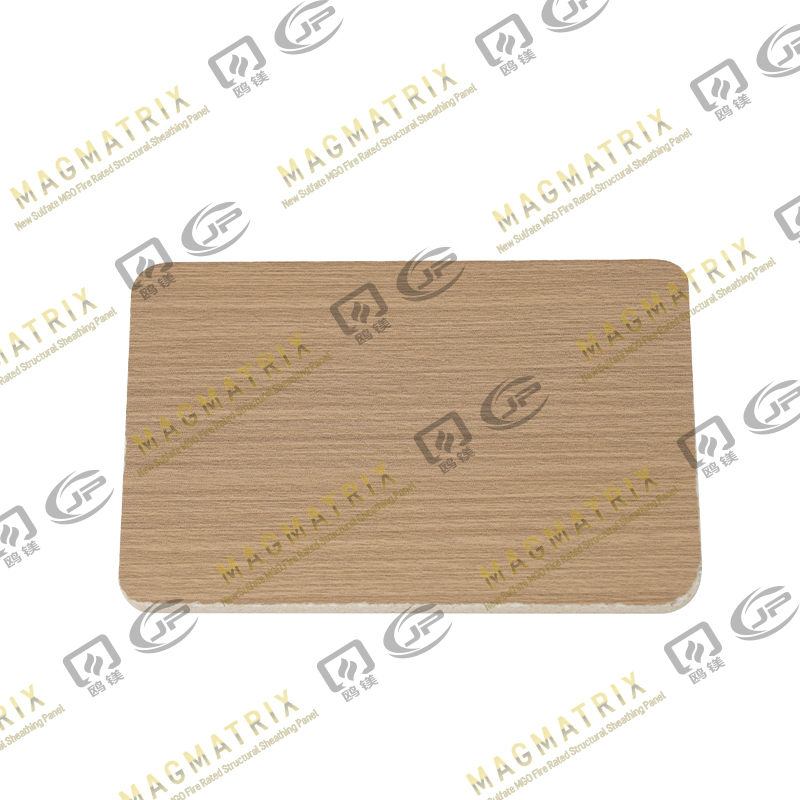
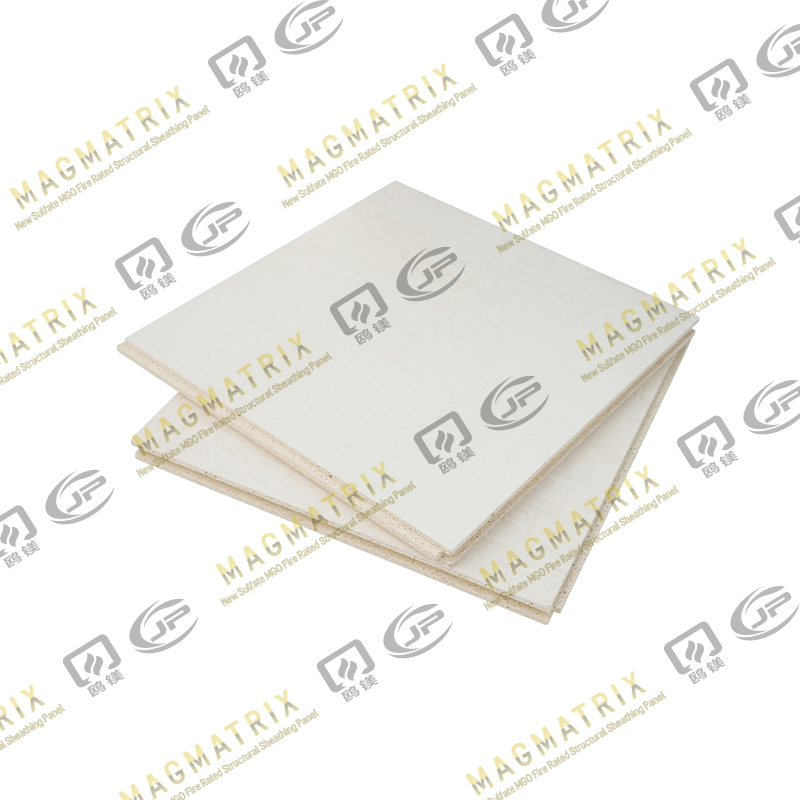
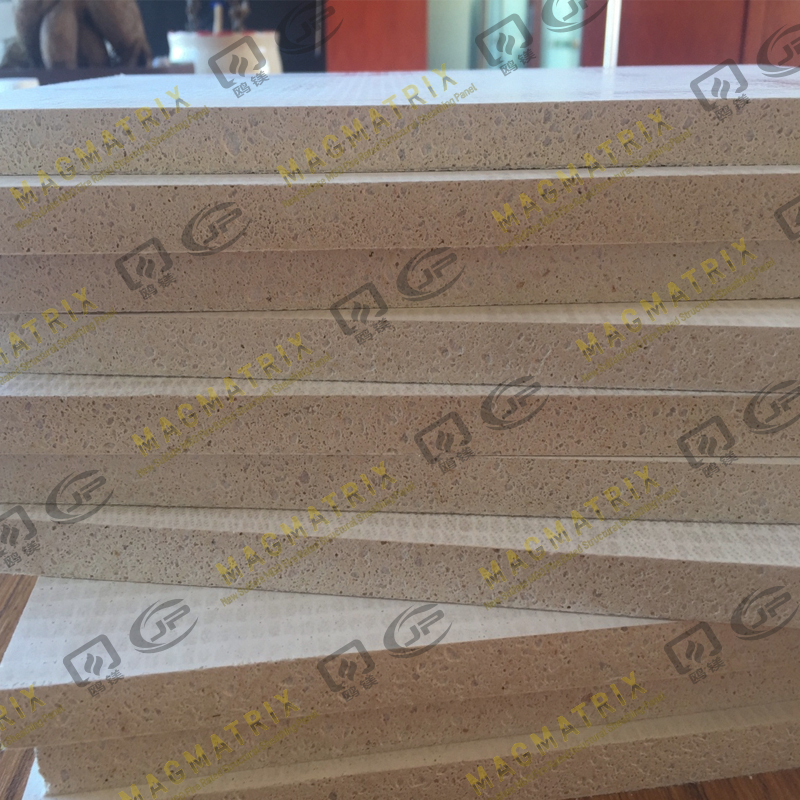
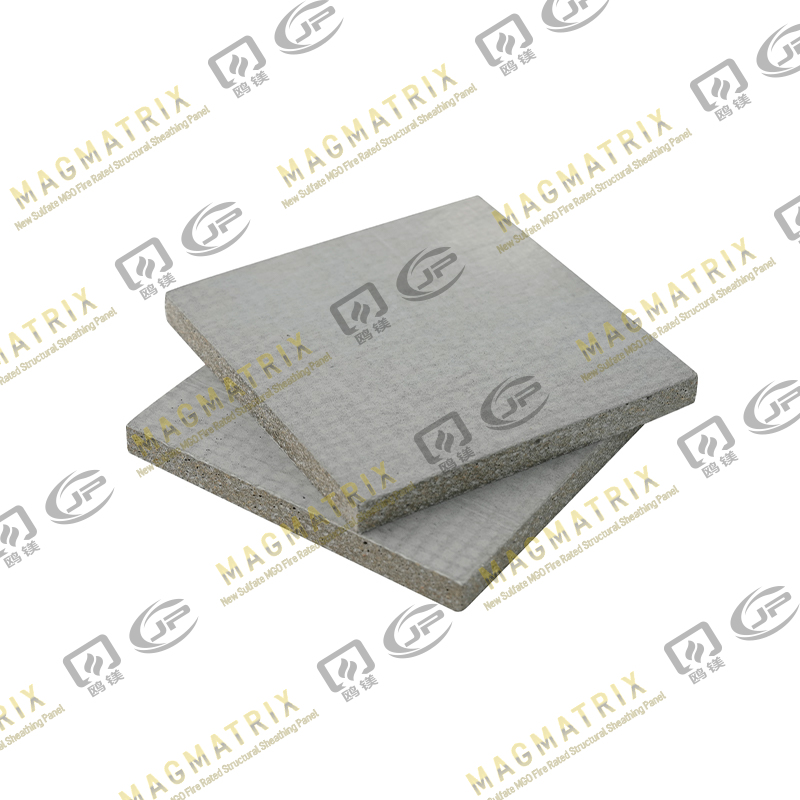
MgO underlayment boards are rigid panels made from magnesium oxide, magnesium chloride, and reinforcing fibers (typically fiberglass or wood fiber). They are formed through a chemical reaction that creates a dense, crystalline structure. This composition gives the boards exceptional physical properties without the need for asbestos or formaldehyde.
Typical thicknesses range from 6 mm to 20 mm, with standard dimensions of 1220 x 2440 mm (4' x 8'). The boards are lightweight compared to cement board—approximately 30% lighter—while offering higher flexural strength.
Key Properties and Performance Data
MgO underlayment boards are engineered to meet demanding construction requirements. The table below summarizes typical performance values based on industry testing.
Typical physical and mechanical properties of MgO underlayment boards
| Property |
Typical Value |
Test Standard |
| Density |
1.0 – 1.2 g/cm³ |
ASTM C473 |
| Flexural Strength |
10 – 15 MPa |
ASTM C1185 |
| Water Absorption |
< 5% by weight |
ASTM C473 |
| Fire Rating |
Class A1 (non-combustible) |
EN 13501-1 |
| Thermal Conductivity |
0.25 – 0.35 W/m·K |
ASTM C518 |
| Surface Burning Index |
0 (flame spread) / 0 (smoke) |
ASTM E84 |
The combination of low water absorption and high flexural strength means MgO boards resist warping, swelling, and cracking even in wet environments. Their non-combustible nature makes them ideal for fire-rated assemblies.
Applications in Construction
Floor Underlayment
MgO boards provide a dimensionally stable base for ceramic tile, natural stone, and laminate flooring. They are often used in bathrooms, kitchens, and basements because they do not degrade when exposed to moisture or alkaline compounds from thin-set mortars.
Roof Sheathing and Underlayment
As a roof deck or underlayment, MgO boards offer fire protection and resist rot caused by leaks. They can be installed under shingles, metal roofing, or tiles, and their thermal mass helps moderate roof temperatures.
Wall Sheathing and Tile Backer
In showers and wet areas, MgO boards serve as a superior tile backer. Unlike gypsum-based products, they maintain integrity when wet and provide excellent adhesion for thinset and grout.
Exterior Sheathing and Siding Base
When used as exterior sheathing, MgO boards resist insect damage, mold, and mildew. They can be finished with stucco, brick veneer, or directly painted.
Installation Best Practices
Proper installation ensures maximum performance. Follow these guidelines for MgO underlayment boards:
- Acclimation: Allow boards to acclimate to the job site for at least 24 hours.
- Cutting: Use a carbide-tipped blade or score-and-snap method. Wear a dust mask—silica dust may be present.
- Fastening: Use corrosion-resistant screws (stainless steel or coated) spaced 200–300 mm along supports. Pre-drilling is not required.
- Joint Treatment: Leave a 3 mm gap between boards. Fill gaps with flexible sealant or thinset, and embed fiberglass mesh tape.
- Underlayment for Tile: Apply a latex-modified thinset mortar, then embed tile. Allow full cure before grouting.
Always refer to manufacturer instructions for specific fastening schedules and joint treatments, as requirements may vary with board thickness.
Comparison with Traditional Underlayments
The table below highlights how MgO boards stack up against cement board and plywood underlayment.
Performance comparison of common underlayment materials
| Property |
MgO Board |
Cement Board |
Plywood (Exterior Grade) |
| Weight (12 mm thickness) |
~14 kg/m² |
~16 kg/m² |
~8 kg/m² |
| Flexural Strength |
12 MPa |
8 MPa |
Varies by grain |
| Water Absorption (24h) |
< 5% |
~15% |
>20% (swells) |
| Fire Resistance |
Non-combustible (A1) |
Non-combustible |
Combustible |
| Mold Resistance |
Excellent |
Good |
Poor |
| Workability (cutting) |
Easy (score & snap) |
Dusty, requires power saw |
Easy |
While plywood is lighter and easier to cut, it cannot match MgO's moisture and fire performance. Cement board is comparable in fire resistance but heavier and more difficult to work with. MgO offers the best balance of strength, weight, and durability.
Environmental and Health Considerations
MgO boards are manufactured without asbestos, formaldehyde, or volatile organic compounds (VOCs). They contribute to better indoor air quality and can help earn LEED credits. The production process consumes less energy than cement manufacturing, resulting in a lower carbon footprint. At end of life, MgO boards are inert and can be disposed of in landfills without leaching harmful substances.
Some boards incorporate recycled materials, further enhancing sustainability. Always check for third-party certifications like GREENGUARD or Cradle to Cradle when selecting products.
Cost Analysis and Long-Term Value
Initial material cost for MgO underlayment is typically 10–20% higher than cement board and about double that of exterior plywood. However, the total installed cost is often lower due to easier handling and less waste. More importantly, the extended service life—MgO boards do not rot, warp, or delaminate—reduces maintenance and replacement expenses. In fire‑prone areas, insurance premiums may be lower when using non‑combustible materials.
For a typical residential bathroom floor (10 m²), using MgO instead of cement board can save 2–3 hours in labor due to faster cutting and lighter weight. This often offsets the material premium entirely.
Conclusion: Why MgO Underlayment Is a Future‑Proof Choice
With its superior fire rating, moisture resistance, and structural integrity, MgO underlayment board addresses the most critical demands of modern construction. Whether for residential or commercial projects, it provides a reliable, long-lasting base that outperforms traditional materials. Builders who invest in MgO boards benefit from fewer callbacks, happier clients, and compliance with increasingly stringent building codes.



 English
 русский
 Español
 BMSC 517 New Sulfate MgO Board
 Multi-Support MgO Wall Sheathing Board
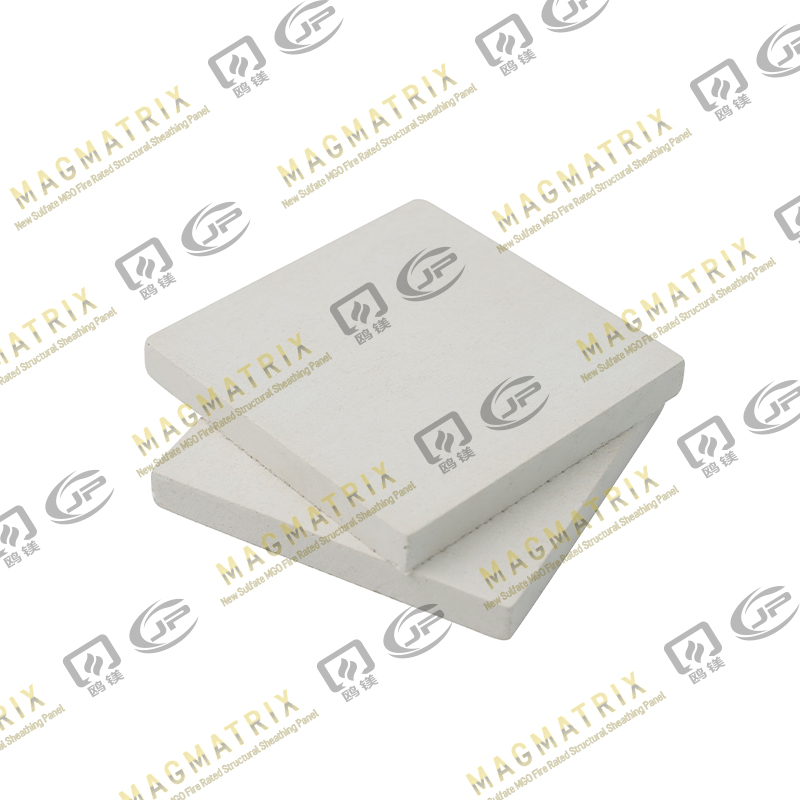 Perseverance MgO Wall Sheathing Board
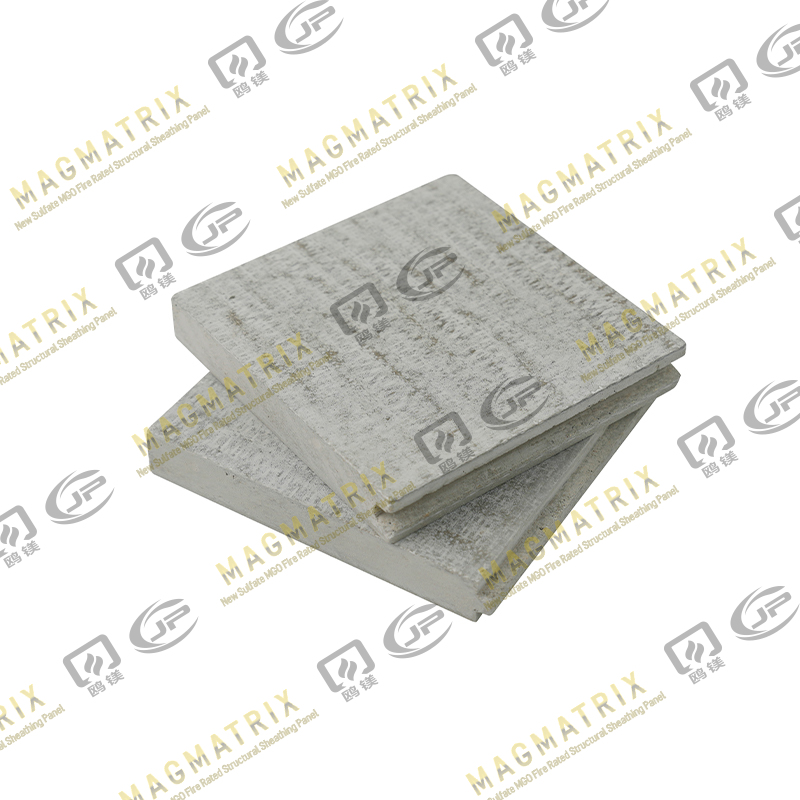 Multi-Support MgO Subfloor Sheathing Board
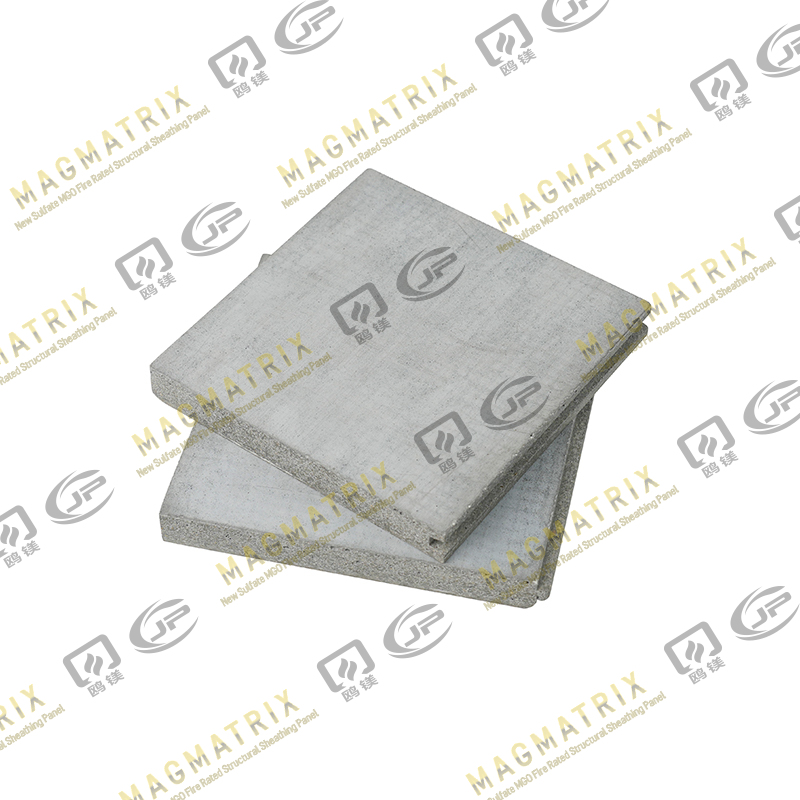 Perseverance MgO Subfloor Sheathing Board
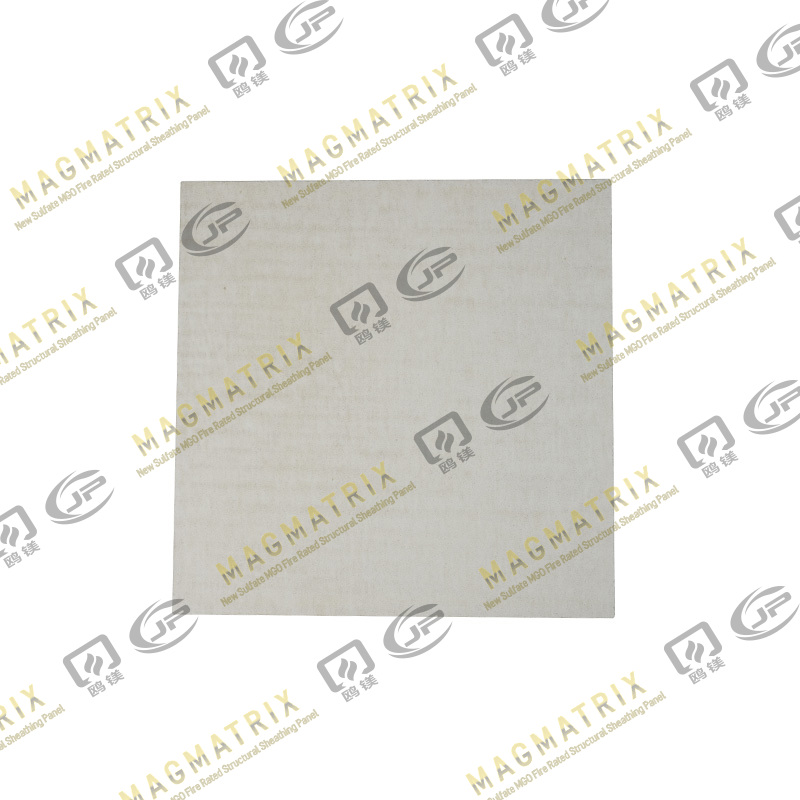 MagMatrix MgO Underlayment Panel/board