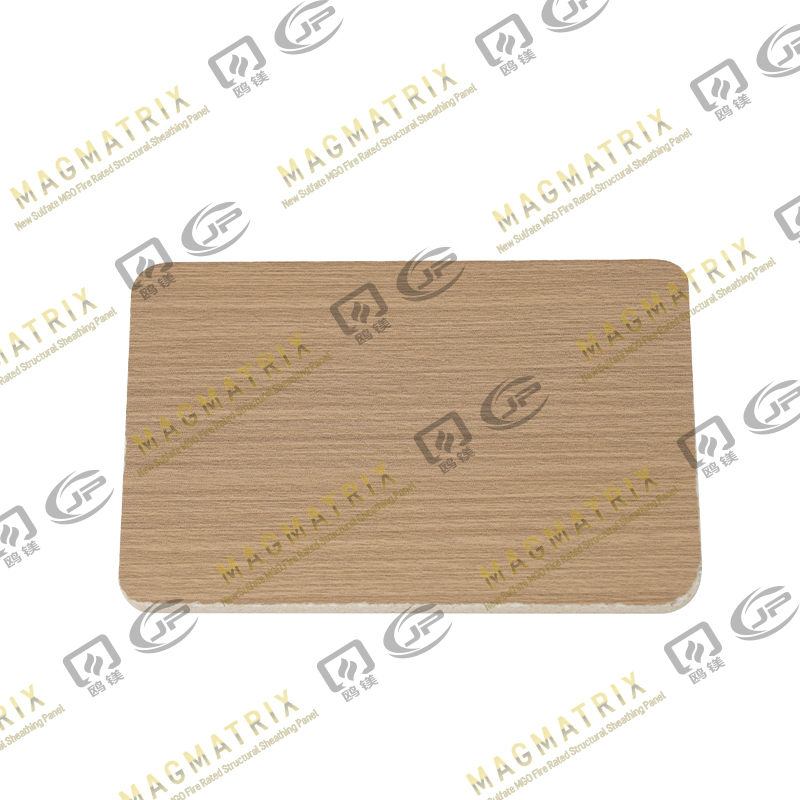
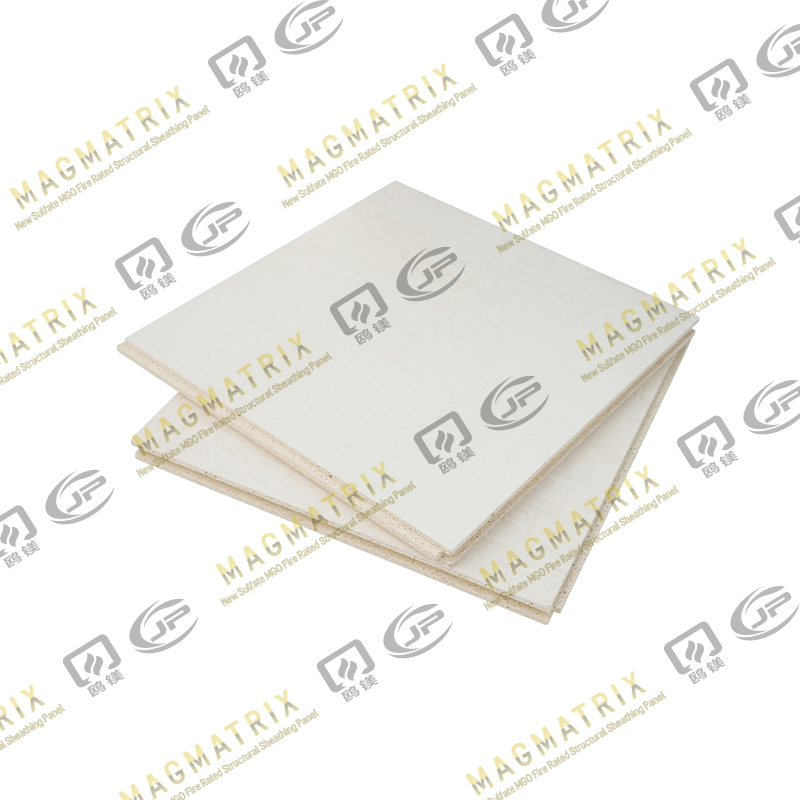
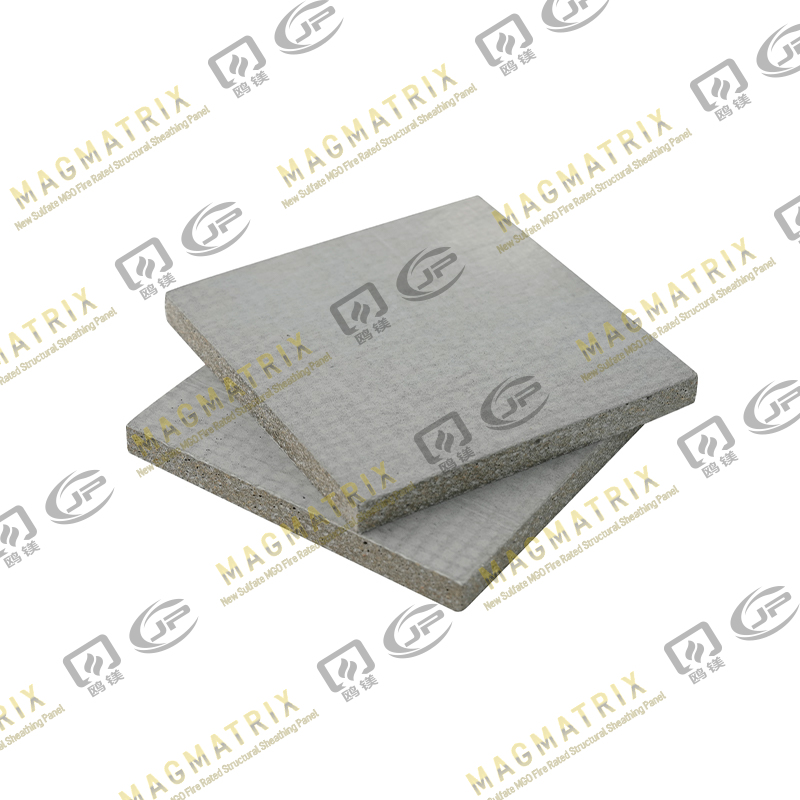
Magnesium sulfate MgO board is a high-performance building panel that combines magnesium oxide with magnesium sulfate to achieve exceptional fire resistance (Class A1 non-combustible), low water absorption (<5%), and high flexural strength (>4 MPa). It outperforms traditional gypsum and cement boards in moisture-prone environments, resists mold growth, and provides a sustainable alternative for modern construction.
Composition and Manufacturing Process
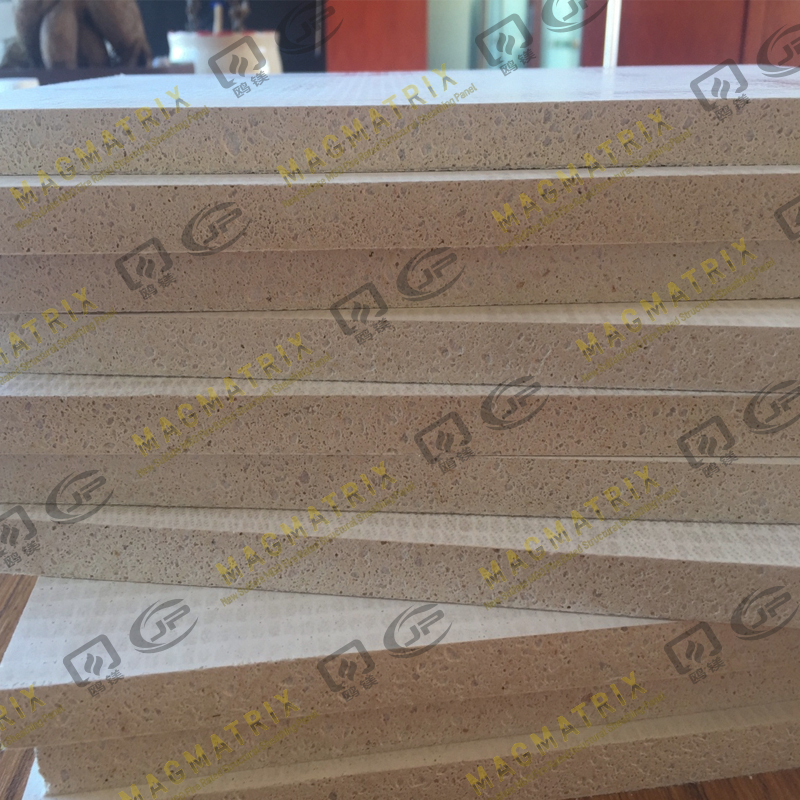
Magnesium sulfate MgO board is produced by blending magnesium oxide (MgO), magnesium sulfate (MgSO₄), lightweight aggregates (such as perlite), and reinforcing fibers (typically fiberglass mesh). The magnesium sulfate acts as a modifier that reduces efflorescence and improves board flexibility compared to pure MgO boards. The mixture is combined with water, formed into panels, and cured under controlled conditions. The result is a dense, dimensionally stable board with a smooth surface suitable for painting or tiling.
Typical raw material proportions
- Magnesium oxide: 40–50% by weight – provides fire resistance and strength.
- Magnesium sulfate: 20–30% – enhances workability and reduces cracking.
- Perlite / lightweight fillers: 10–15% – reduces density and improves insulation.
- Fiberglass mesh reinforcement: embedded for tensile strength.
Key Properties and Performance Data
The unique chemistry of magnesium sulfate MgO board gives it a set of engineering properties that make it suitable for demanding applications. The table below summarizes typical values based on third‑party test reports.
Table 1: Typical physical and mechanical properties of magnesium sulfate MgO board (12 mm thickness)
| Property |
Value / Rating |
Test Standard |
| Fire resistance |
A1 non‑combustible |
BS EN 13501-1 |
| Density |
1000–1200 kg/m³ |
ASTM C473 |
| Water absorption (24 h) |
< 5% |
ASTM C473 |
| Flexural strength |
4.2 MPa (parallel to reinforcement) |
EN 12467 |
| Thermal conductivity |
0.22 W/(m·K) |
ASTM C518 |
| Surface pH |
9–10 (alkaline, resists mold) |
– |
These figures confirm that magnesium sulfate MgO board maintains structural integrity under high humidity and direct flame exposure, making it a reliable choice for both interior and exterior systems.
Applications in Construction
Thanks to its balanced properties, the board is used in a wide variety of building assemblies:
- Wall cladding and sheathing: Exterior walls benefit from its moisture resistance and impact strength.
- Partition walls: In commercial and residential buildings, it provides fire‑rated separation.
- Flooring underlayment: Its dimensional stability supports tiles, stone, and thin‑section screeds.
- Ceilings and soffits: Lightweight panels reduce dead load while offering fire protection.
- Wet rooms and bathrooms: Withstands steam and splashing without swelling.
- Fire protection encasement: Used around steel columns and ducts to maintain fire ratings.
Comparison with Traditional Boards
When evaluated against standard gypsum boards and cementitious backer units, magnesium sulfate MgO board shows clear advantages in environments where moisture and fire safety are critical.
Table 2: Comparison of magnesium sulfate MgO board with conventional materials
| Material |
Fire Rating |
Water Resistance |
Mold Growth |
Flexural Strength (MPa) |
Typical Density (kg/m³) |
| Magnesium sulfate MgO board |
A1 non‑combustible |
Excellent (<5% abs.) |
No |
> 4.0 |
1000–1200 |
| Standard gypsum board |
Class A2 / B (limited) |
Poor (paper facing) |
Yes |
≈ 1.5–2.0 |
650–850 |
| Fiber‑cement board |
A2 / non‑combustible |
Good |
Rare |
≈ 3.0–4.0 |
1400–1700 |
The data show that MgO board matches or exceeds the strength of cement board while being significantly lighter and easier to cut, and it offers far better moisture tolerance than gypsum.
Installation and Handling Tips
Cutting and shaping
Use a carbide‑tipped scoring knife or circular saw with a dust extraction system – the material produces alkaline dust, so wear gloves and a dust mask. Snap the board over a straight edge, similar to gypsum board.
Fixing methods
- Screws: corrosion‑resistant (stainless steel or coated) screws at 200–300 mm spacing.
- Adhesives: use polymer‑modified adhesives for bonding to substrates.
- Jointing: tape and fill with polymer‑modified joint compound; for wet areas, use cement‑based fillers.
Sealing and finishing
For exterior applications or wet rooms, seal all edges and fixings with waterproof membrane or flexible sealant. The surface accepts acrylic or cementitious renders, tiles, and paints directly.
Environmental Benefits
Magnesium sulfate MgO board is manufactured with lower embodied carbon than cement boards. The raw materials are naturally abundant, and production requires less energy because curing occurs at ambient temperatures. No asbestos, formaldehyde, or volatile organic compounds are used, contributing to healthier indoor air quality. At end of life, the board can be crushed and recycled as aggregate or used in soil conditioning due to its magnesium content.



 English
 русский
 Español
 BMSC 517 New Sulfate MgO Board
 Multi-Support MgO Wall Sheathing Board
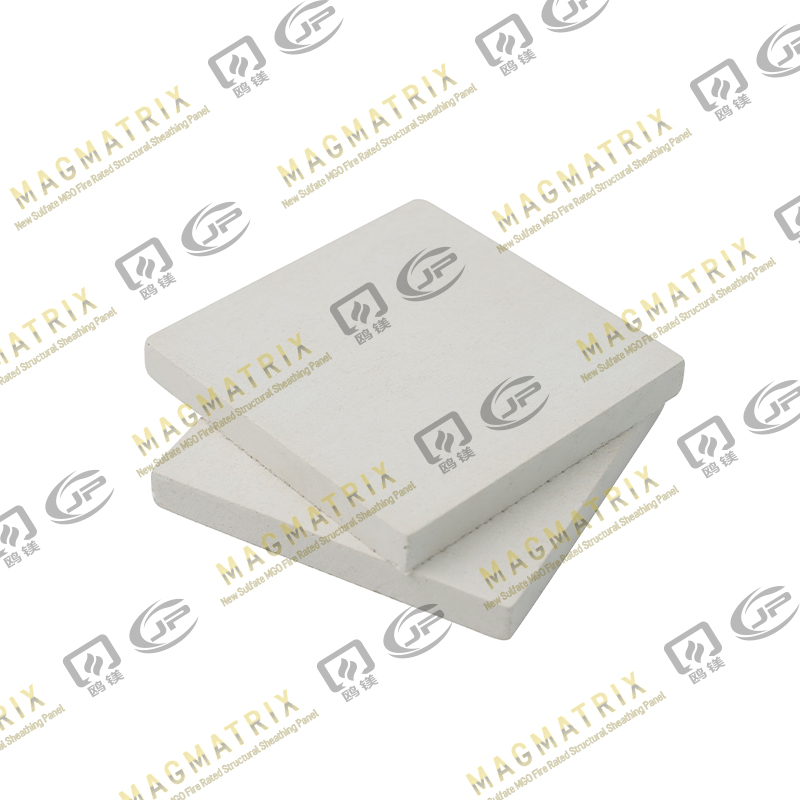 Perseverance MgO Wall Sheathing Board
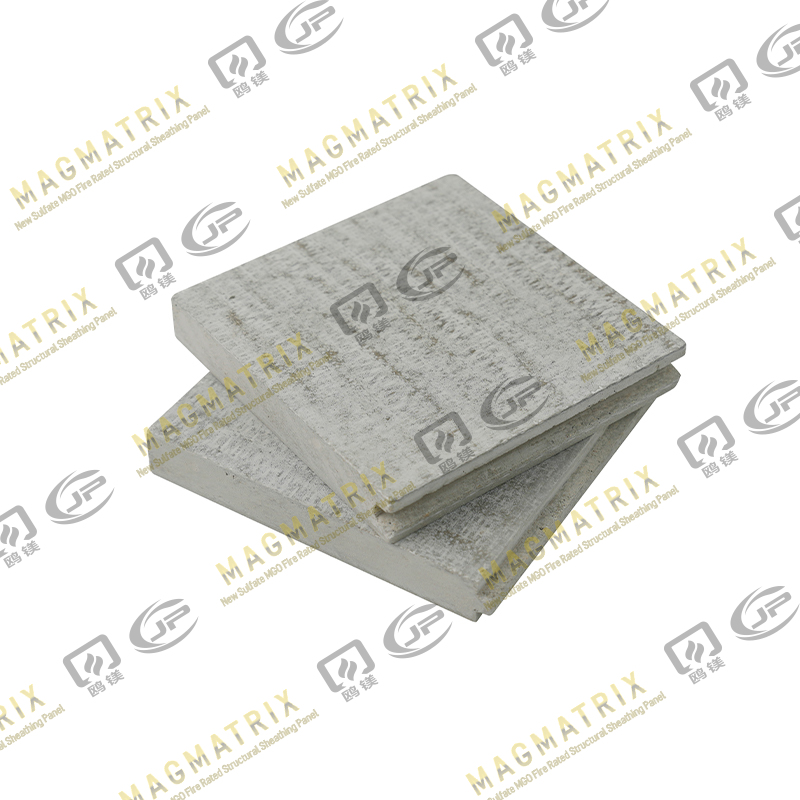 Multi-Support MgO Subfloor Sheathing Board
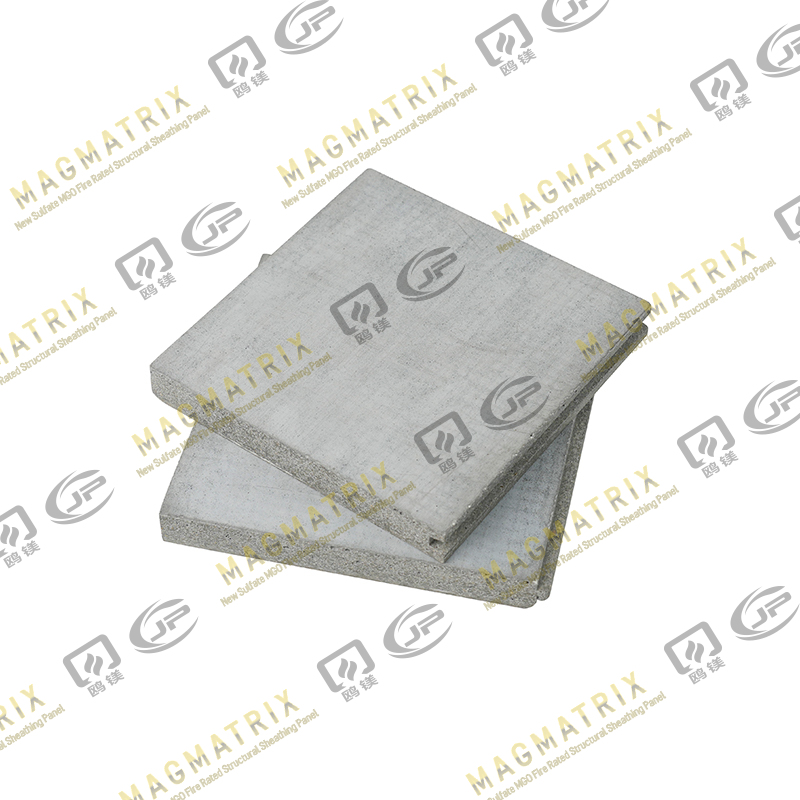 Perseverance MgO Subfloor Sheathing Board
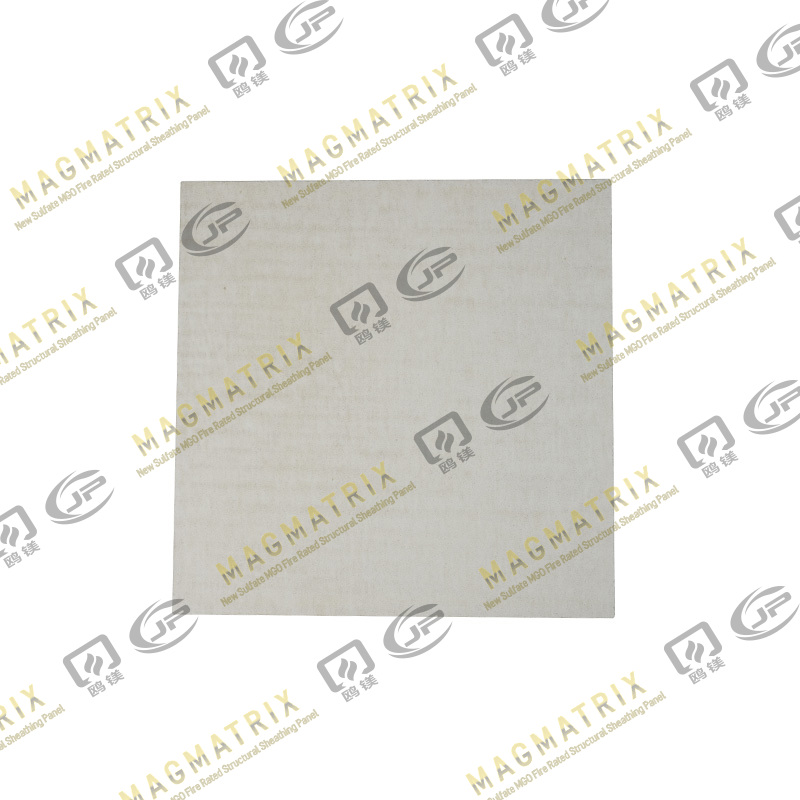 MagMatrix MgO Underlayment Panel/board