MGO Board Is a Strong Subfloor Option — But Not Always the Default Choice
For most residential construction, plywood (typically 3/4-inch tongue-and-groove) remains the most widely used subfloor material, but MGO (Magnesium Oxide) board has earned a legitimate place as a high-performance alternative — especially in wet areas, basements, and tile-ready applications. If moisture, mold resistance, or fire safety is a concern, MGO board is worth serious consideration.
This article breaks down what to use for a subfloor, where MGO board fits in, and how it stacks up against common alternatives like plywood and OSB.
What to Use for Subfloor: A Quick Comparison
Before diving into MGO board specifically, here's how the most common subfloor materials compare side by side:
Comparison of common subfloor materials by key performance criteria
| Material |
Moisture Resistance |
Fire Resistance |
Structural Strength |
Cost (per sheet) |
Best Use Case |
| Plywood (3/4") |
Moderate |
Low |
High |
$30–$55 |
General residential floors |
| OSB (7/16"–3/4") |
Low |
Low |
High |
$20–$40 |
Budget builds, dry environments |
| MGO Board (1/2"–5/8") |
Excellent |
High (Class A) |
Moderate–High |
$50–$90 |
Wet areas, tile, basements |
| Cement Board (1/4"–1/2") |
Excellent |
High |
Moderate |
$10–$25 |
Tile underlayment only |
As the table shows, no single material wins in every category. Your project's specific conditions — moisture exposure, floor finish type, and budget — should drive the decision.
What Is MGO Board and Why Does It Matter for Subfloors?
MGO board is made primarily from magnesium oxide, magnesium chloride, and reinforcing fiberglass mesh. Unlike wood-based panels, it contains no organic material, which means it won't rot, swell, or support mold growth — even after prolonged moisture exposure.
Key certified properties of MGO board include:
- Class A fire rating — it does not ignite or contribute fuel to flames
- Zero formaldehyde — safe for enclosed spaces and green building certifications
- Mold and mildew resistance — passes ASTM D3273 testing
- Compressive strength typically ranging from 1,800 to 2,400 psi, depending on the product
- Dimensionally stable — does not expand and contract as dramatically as wood under humidity changes
These properties make it particularly valuable in climates with high humidity or in construction types where wood products are restricted by code.
When MGO Board Is the Best Subfloor Choice
MGO board makes the most sense in specific scenarios. Consider it strongly in the following situations:
Wet or Moisture-Prone Areas
Bathrooms, laundry rooms, basements, and kitchens are where plywood and OSB frequently fail over time. MGO board does not delaminate or swell when exposed to water, making it an ideal underlayment or subfloor panel in these zones. Contractors working on bathroom remodels increasingly prefer MGO over traditional cement board because it's lighter (typically 25–30% lighter than cement board) and easier to cut with standard scoring tools.
Tile and Stone Flooring Applications
Ceramic, porcelain, and natural stone tile require a rigid, stable substrate. Flexing in the subfloor leads to cracked grout and broken tiles. MGO board's high density and rigidity make it an excellent tile-ready surface — most products can receive tile directly without an additional underlayment layer, saving both time and material costs.
Steel Frame or Non-Combustible Construction
In commercial or multi-family residential buildings with steel framing, building codes often require non-combustible floor assemblies. Plywood and OSB don't qualify. MGO board meets IBC (International Building Code) requirements for non-combustible construction, making it a code-compliant replacement for wood-based panels in these assemblies.
Green Building and Indoor Air Quality Goals
Many plywood and OSB products use adhesives that off-gas formaldehyde — a concern in tight, energy-efficient buildings. MGO board contains no added formaldehyde and is compatible with LEED and other green building certifications. For projects targeting healthy indoor air quality, it's a straightforward upgrade.
When Plywood or OSB Is Still the Better Call
MGO board isn't a universal upgrade. There are practical reasons plywood still dominates residential subfloor work:
- Cost: At $50–$90 per sheet, MGO board can cost roughly 2x more than equivalent plywood. For a 2,000 sq ft floor, the price difference is significant.
- Nail holding: Plywood generally has better nail and screw holding power for direct fastening of hardwood flooring or structural attachments.
- Availability: MGO board is not stocked at every lumber yard or big-box store. It may require special ordering, which affects project timelines.
- Flooring compatibility: For nail-down hardwood floors, 3/4-inch plywood remains the industry-standard substrate — most hardwood flooring warranties require it.
If your project is a standard dry-area residential floor with hardwood, laminate, or carpet finishes, 3/4-inch tongue-and-groove plywood on 16-inch joist spacing is still the proven, cost-effective choice.
How to Install MGO Board as a Subfloor
Installation is straightforward, but there are important differences from wood panel installation:
- Use carbide-tipped or diamond blades — MGO board dulls standard steel blades quickly. A scoring knife works well for straight cuts.
- Leave 1/8-inch expansion gaps at all edges and between panels, just as you would with plywood.
- Fasten with corrosion-resistant screws (stainless steel or coated) — MGO's mineral content can corrode standard steel fasteners over time.
- Screw spacing: Typically 6 inches on edges and 8 inches in the field, depending on manufacturer specs.
- Wear a dust mask — cutting MGO board produces fine mineral dust that should not be inhaled.
Always follow the specific product manufacturer's installation guidelines, as density and thickness vary between brands.
Bottom Line: Match the Material to the Conditions
The best subfloor material is the one that matches your environment, finish floor, and budget. MGO board is not a replacement for plywood in every situation — but in wet areas, tile applications, steel-frame construction, and moisture-heavy climates, it outperforms wood-based panels meaningfully.
As a quick decision guide:
- Dry area + hardwood/laminate/carpet → 3/4" plywood
- Budget build + dry area → OSB
- Wet area + tile or stone → MGO board
- Steel frame or non-combustible code requirement → MGO board
- Green building certification → MGO board
When in doubt for mixed-use or high-moisture projects, MGO board is the safer long-term investment — even at a higher upfront cost.



 English
 русский
 Español
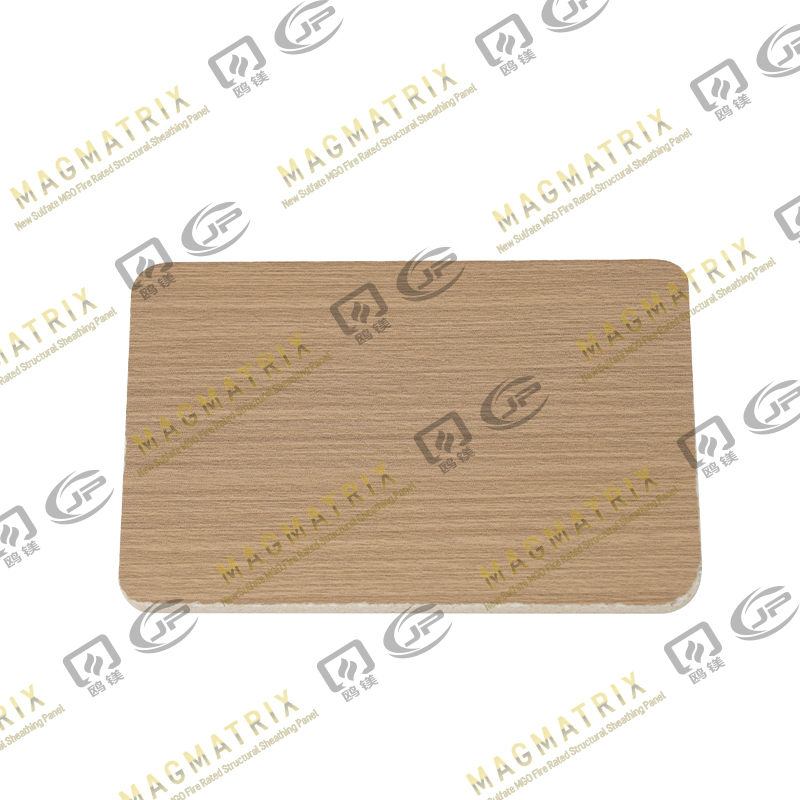
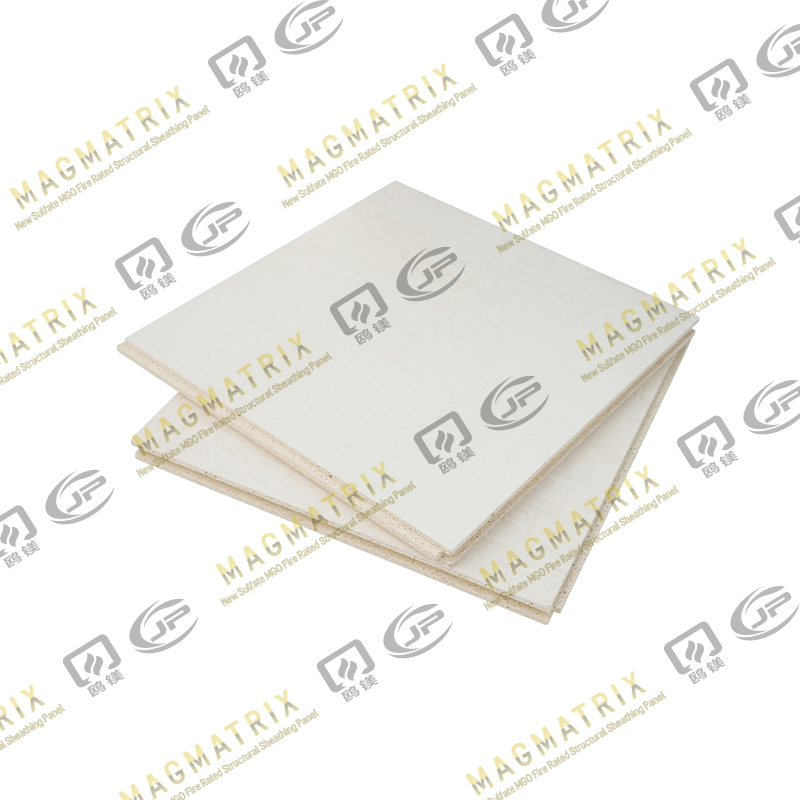
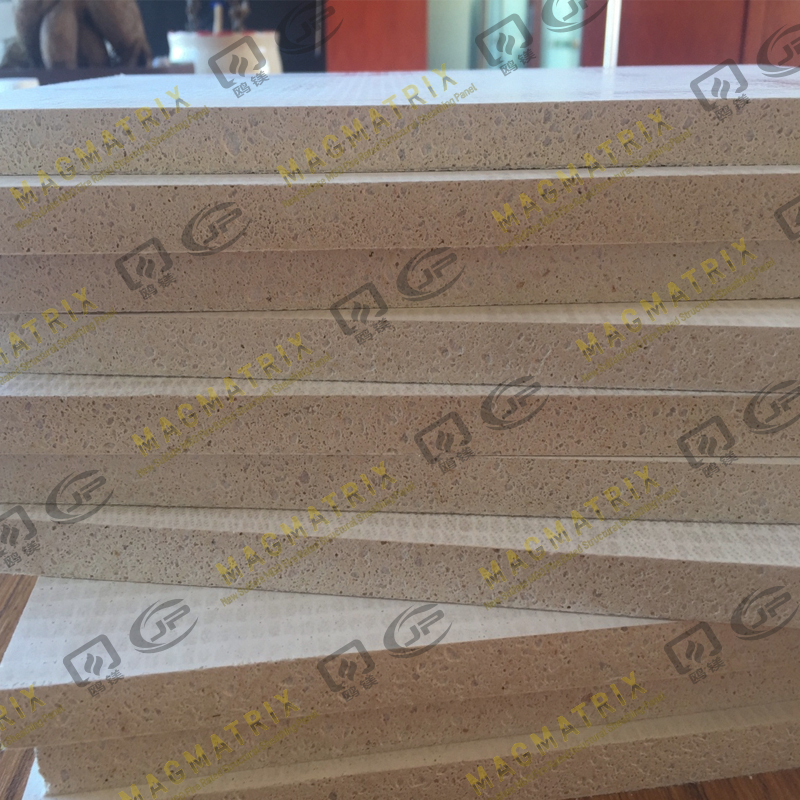 BMSC 517 New Sulfate MgO Board
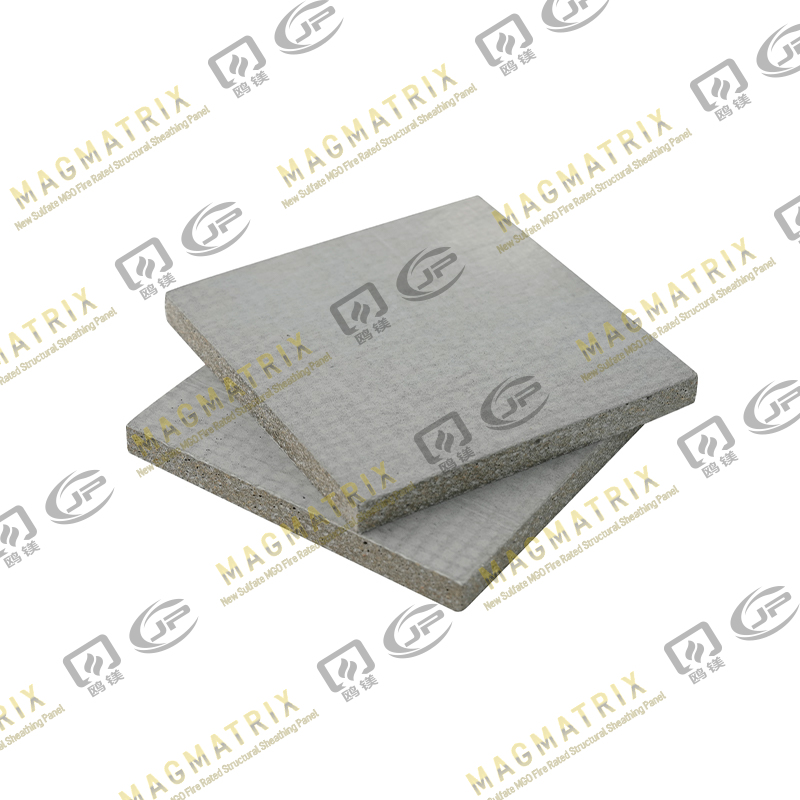 Multi-Support MgO Wall Sheathing Board
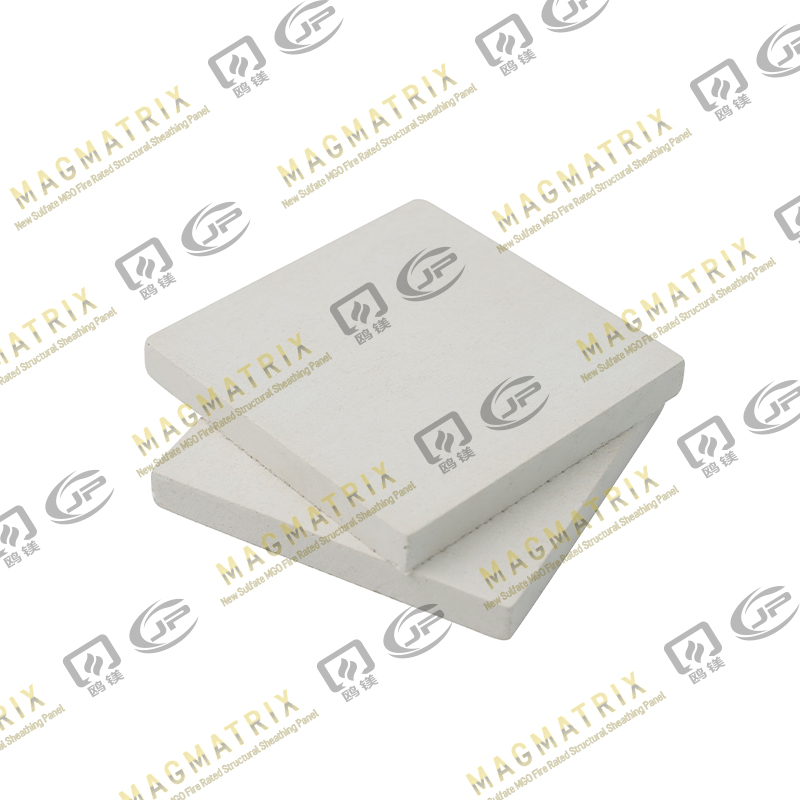 Perseverance MgO Wall Sheathing Board
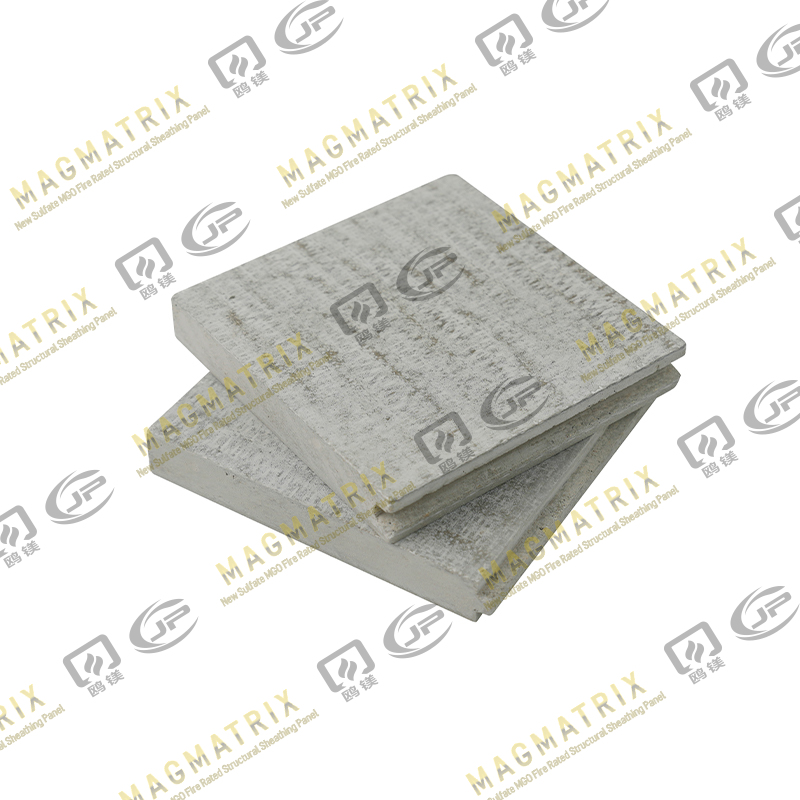 Multi-Support MgO Subfloor Sheathing Board
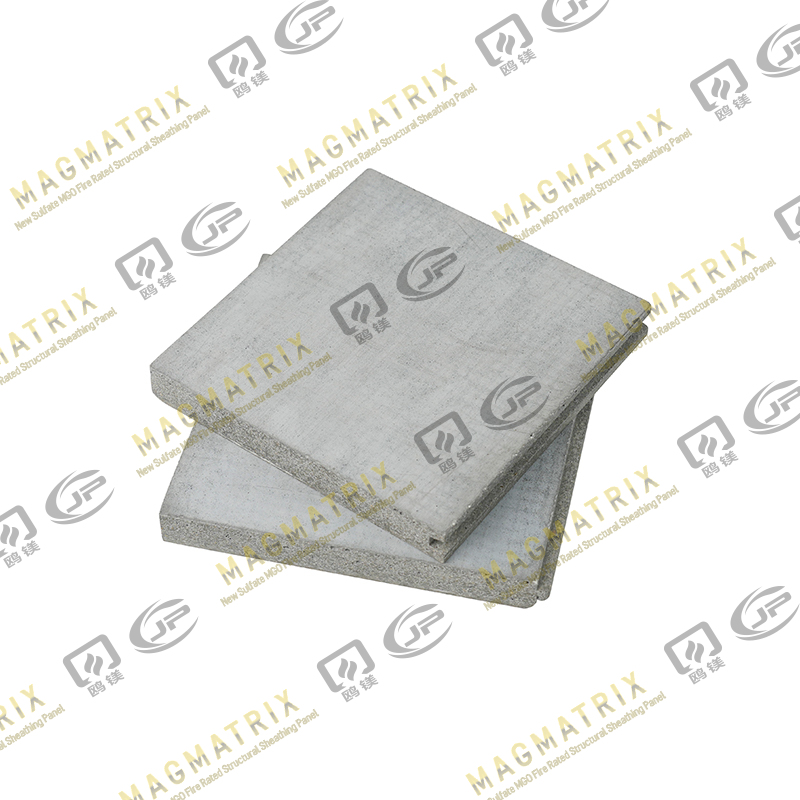 Perseverance MgO Subfloor Sheathing Board
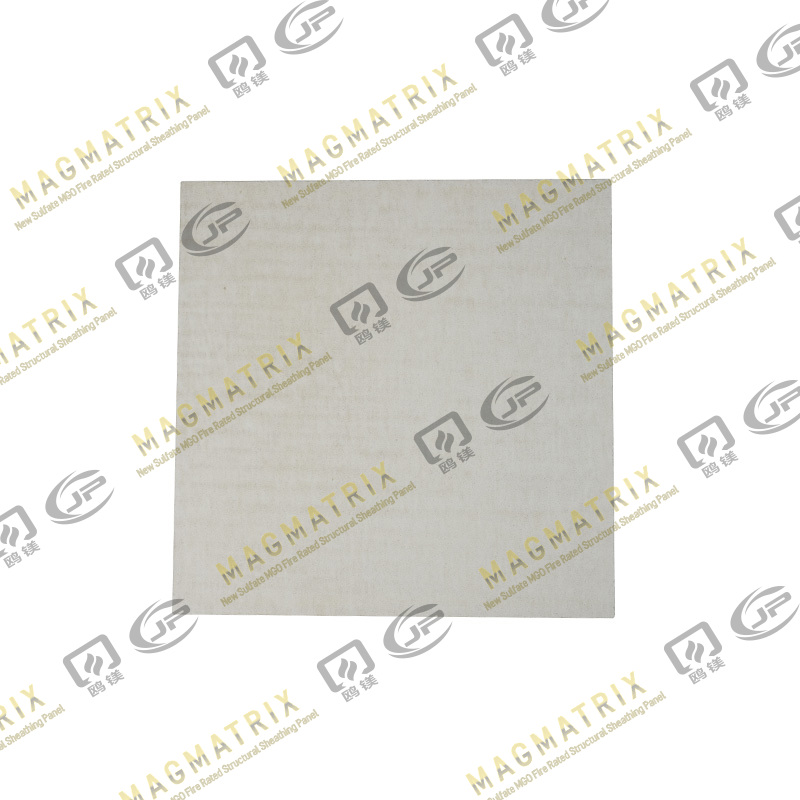 MagMatrix MgO Underlayment Panel/board