If you're looking for what to use instead of drywall, magnesium oxide (MGO) board is the most capable all-around replacement — offering superior moisture resistance, fire rating, and structural strength. But it's not the only option. Depending on your project, cement board, fiber cement, plywood, or even specialty panels may serve you better. This guide breaks down each alternative with real performance data so you can make an informed choice.
Why People Look Beyond Drywall
Standard gypsum drywall (Type X or regular) dominates residential construction because it's cheap and easy to install. Yet it fails in several common scenarios:
- Basements and bathrooms where humidity causes mold within months
- Garages and workshops where impact damage is frequent
- Regions prone to hurricanes, flooding, or extreme temperature swings
- Commercial or multi-family projects requiring higher fire ratings
- Green building projects aiming for lower VOC emissions and off-gassing
In these cases, drywall's low cost becomes a false economy — remediation after water damage or mold growth can run $1,500 to $5,000+ per room according to HomeAdvisor data. Choosing a better panel upfront often pays for itself.
MGO Board: The Leading Drywall Alternative
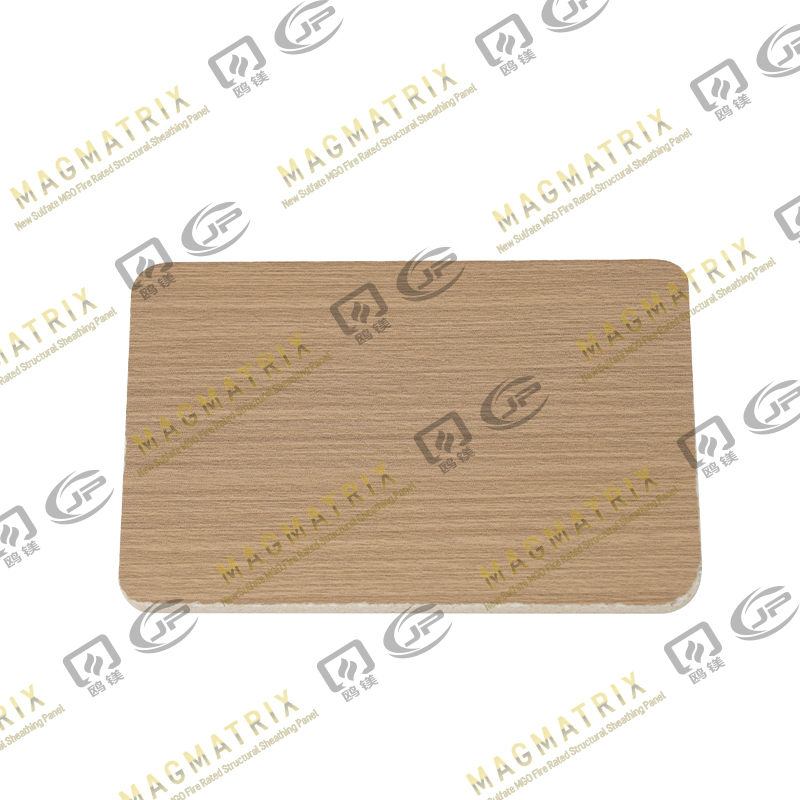
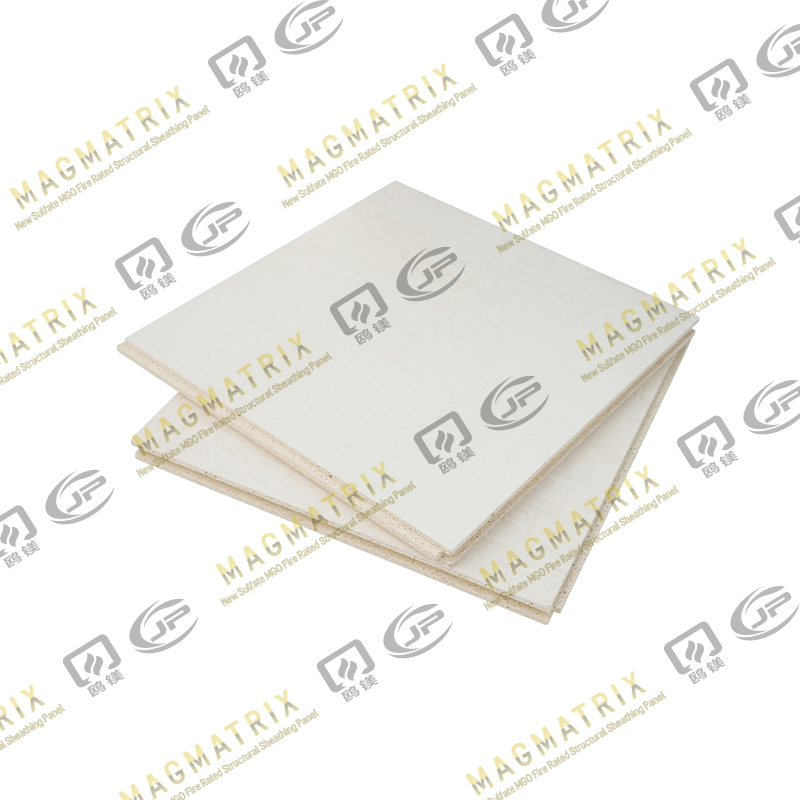
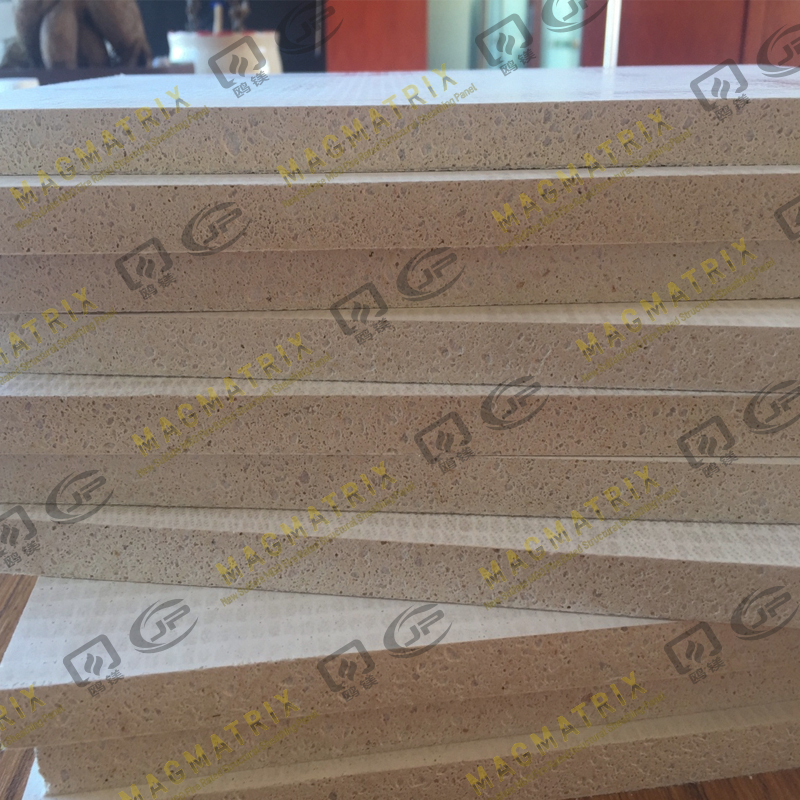
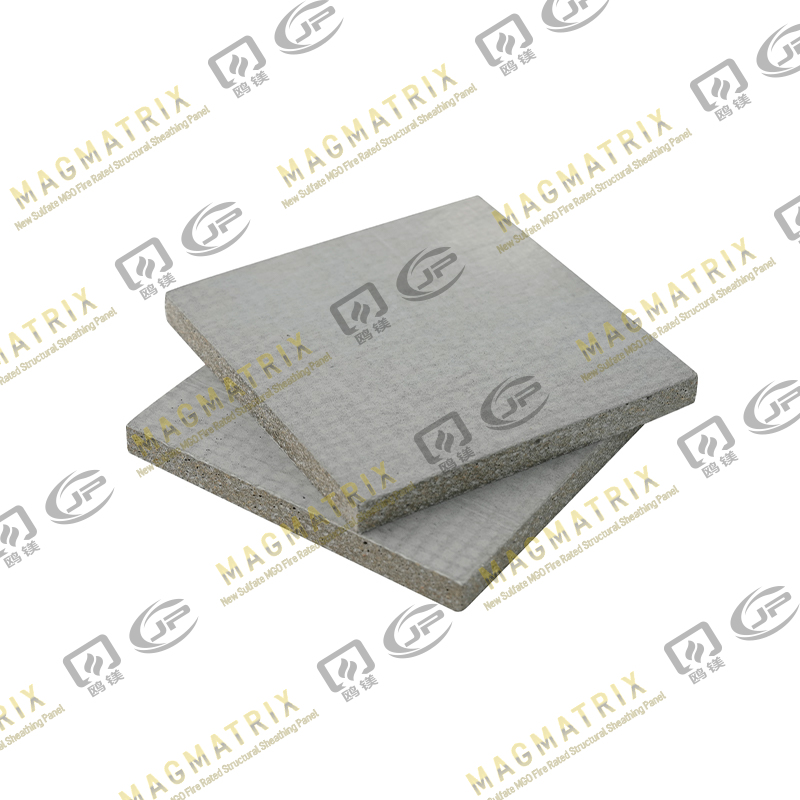
Magnesium oxide board is manufactured by combining magnesium oxide, magnesium chloride, perlite, fiberglass mesh, and wood fiber. The result is a rigid, dense panel that outperforms gypsum across multiple categories.
Key Performance Advantages of MGO Board
- Fire resistance: MGO board is non-combustible and can achieve a Class A fire rating. It withstands temperatures up to 1,500°F (815°C) without releasing toxic smoke.
- Moisture resistance: It will not rot, swell, or support mold growth even when fully submerged — making it ideal for wet areas without additional waterproofing membranes.
- Strength: At equivalent thickness, MGO board has a flexural strength roughly 2–3 times higher than standard gypsum drywall.
- Eco-friendliness: Production emits significantly less CO₂ than Portland cement-based products, and the board contains no asbestos, formaldehyde, or silica.
- Versatility: MGO board can be used for interior walls, exterior sheathing, flooring underlayment, tile backer, and ceilings.
Limitations to Know Before Buying
Not all MGO boards are equal. Early Chinese-manufactured products (circa 2012–2016) used magnesium chloride with excessive chloride content, leading to moisture absorption and corrosion of metal fasteners in humid climates. Always verify that the board you purchase meets ASTM C1185 or EN 12467 standards, and ask the supplier for third-party test reports confirming chloride levels below 6%.
Cost is another consideration. MGO board typically runs $1.50 to $3.50 per square foot, compared to $0.40–$0.65 per square foot for standard 1/2-inch drywall. The premium is justified in high-performance or wet applications but may not be warranted for dry interior partition walls in a bedroom.
Other Practical Drywall Alternatives
MGO board is excellent, but several other materials deserve consideration depending on your specific use case.
Cement Board (e.g., Durock, HardieBacker)
Cement board is the industry standard tile backer in showers and wet floors. It handles moisture well and provides a rigid surface for tile adhesion. However, it is heavier than MGO board (roughly 3 lbs/sq ft vs. 2 lbs/sq ft for comparable thickness), harder to cut without carbide blades, and not recommended for large wall areas due to brittleness. Best suited for bathroom tile walls and kitchen backsplashes.
Fiber Cement Board (e.g., James Hardie Panel)
Fiber cement combines Portland cement with cellulose fibers. It excels as exterior cladding and siding, offering strong impact resistance and a 50-year lifespan in most climates. For interior applications, it is generally overkill and more expensive than necessary. It also requires fiber cement-specific fasteners and cutting tools. It's a better choice for exterior sheathing than as an interior drywall replacement.
Plywood and OSB Panels
In garages, workshops, and utility spaces, 3/8-inch or 1/2-inch plywood is a popular drywall replacement. It holds screws better than gypsum, supports hanging heavy tools and shelving without anchors, and is easy to paint or finish. The main drawback is fire performance — plywood is combustible and would require an additional fire-rated layer in occupancy-regulated spaces. Standard OSB panels offer similar performance at a slightly lower cost but are more susceptible to edge swelling when exposed to moisture.
Paperless Drywall (DensArmor, Purple Board)
If you want to stay close to traditional drywall installation but get better moisture resistance, paperless drywall replaces the paper face with a fiberglass mat. Products like Georgia-Pacific DensArmor Plus score a 10/10 on the ASTM D3273 mold-resistance test, compared to 0/10 for standard gypsum board. Installation is nearly identical to regular drywall. This is the easiest upgrade for builders already familiar with drywall workflows.
Rigid Foam Insulation Panels (SIPs / Polyiso)
In basement finishing projects, rigid foam applied directly to foundation walls can serve as both insulation and the base layer for a finish wall. Polyisocyanurate foam offers an R-value of about R-6 per inch and resists moisture, but it requires a thermal barrier (usually 1/2-inch drywall or MGO board) over it due to fire code requirements. It's not a standalone wall surface replacement but a useful component in a wall assembly.
Side-by-Side Comparison: Drywall Alternatives
The table below compares the most common alternatives across the factors that matter most in real projects.
Table 1: Drywall alternatives compared by key performance and cost criteria
| Material |
Moisture Resistance |
Fire Rating |
Ease of Install |
Approx. Cost/sq ft |
Best Use Case |
| Standard Drywall |
Poor |
Class A (Type X) |
Very Easy |
$0.40–$0.65 |
Dry interior walls |
| MGO Board |
Excellent |
Class A |
Moderate |
$1.50–$3.50 |
Wet areas, sheathing, fire zones |
| Cement Board |
Excellent |
Non-combustible |
Moderate |
$0.90–$1.80 |
Tile backer in showers/floors |
| Fiber Cement |
Very Good |
Non-combustible |
Moderate |
$1.00–$2.50 |
Exterior siding/sheathing |
| Plywood |
Fair |
Combustible |
Easy |
$0.70–$1.40 |
Garages, workshops |
| Paperless Drywall |
Good |
Class A |
Very Easy |
$0.65–$1.10 |
Bathrooms, basements (light use) |
How to Choose the Right Alternative for Your Project
Rather than defaulting to a single product, match the material to the environment and structural demands:
- Basement walls and crawl spaces: Use MGO board or paperless drywall. Avoid standard gypsum entirely — it will mold within 1–2 seasons in most climates.
- Shower surrounds and wet bath areas: Cement board or MGO board. Both handle direct water contact; MGO is lighter and easier to score-and-snap.
- Garage and workshop walls: Plywood (5/8-inch) for maximum screw-holding and impact resistance. Add a fire-rated coat if required by local code.
- Exterior wall sheathing: Fiber cement or MGO board rated for exterior exposure. Check that the product carries an ICC-ES evaluation report for the intended application.
- High-rise or commercial fire walls: MGO board with verified non-combustible classification per ASTM E136. Some products meet UL fire assembly ratings at 1-hour or 2-hour intervals.
- Budget-conscious renovation with mild moisture risk: Paperless (fiberglass-faced) drywall is the cost-effective middle ground at roughly double the mold resistance of standard board, with no change to installation workflow.
Installation Tips for MGO Board
MGO board installs similarly to drywall but with a few important differences:
- Use corrosion-resistant fasteners. Standard drywall screws can corrode when in contact with MGO board, especially in humid environments. Use stainless steel or hot-dipped galvanized screws.
- Score-and-snap or use a circular saw. A carbide-tipped scoring knife works for straight cuts. For curved or complex cuts, a circular saw with a diamond or carbide blade produces clean edges with less dust than cement board.
- Apply fiberglass mesh tape at joints. Paper tape is not recommended. Use alkaline-resistant fiberglass mesh tape rated for cement-based substrates.
- Prime before painting. MGO board is alkaline and will affect acrylic or latex paint adhesion if not primed with an alkali-resistant or epoxy-based primer first.
- Maintain a small gap at the floor. While MGO does not wick moisture, leaving a 1/4-inch gap at the base prevents prolonged contact with standing water on slabs.
Final Recommendation
For most situations where drywall is genuinely inadequate, MGO board offers the best combination of fire resistance, moisture resistance, strength, and versatility. It justifies its higher price in any application where failure would lead to mold remediation, fire risk, or structural replacement. For purely dry interior partitions with no performance demands beyond basic wall covering, standard or paperless drywall remains the practical default. The key is matching the material to the environment — not simply upgrading everything across the board.
Before purchasing any MGO board product, always request third-party test documentation confirming compliance with ASTM C1185 or EN 12467, and verify chloride ion content to avoid the corrosion issues seen in earlier-generation products.



 English
 русский
 Español
 BMSC 517 New Sulfate MgO Board
 Multi-Support MgO Wall Sheathing Board
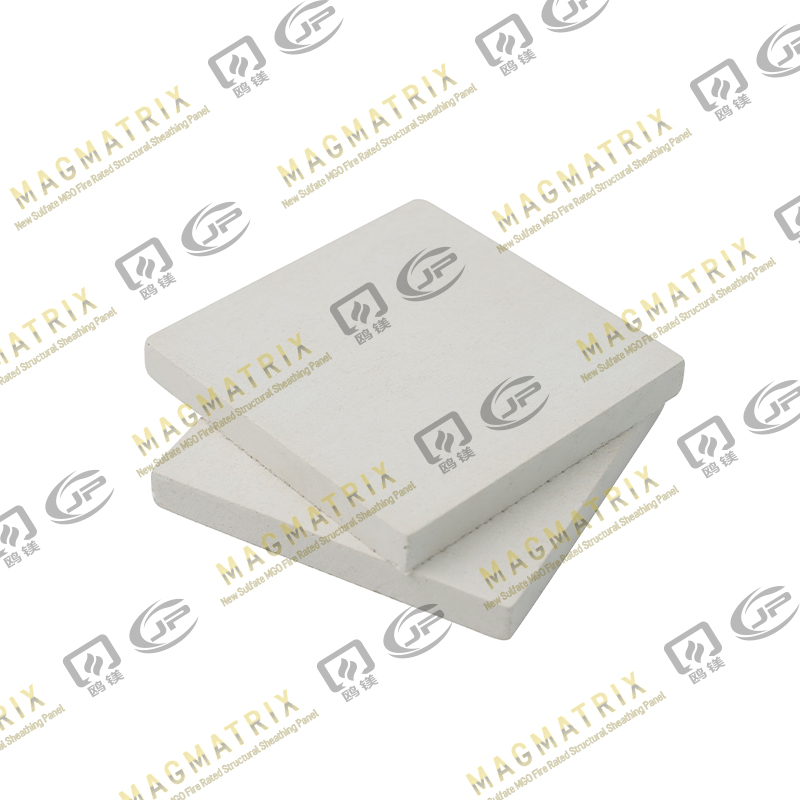 Perseverance MgO Wall Sheathing Board
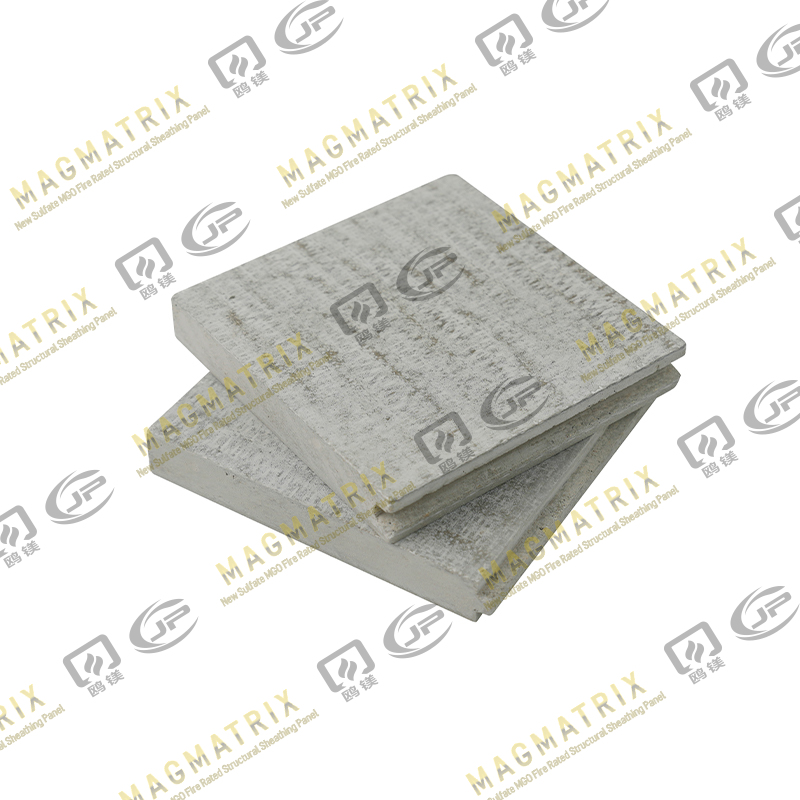 Multi-Support MgO Subfloor Sheathing Board
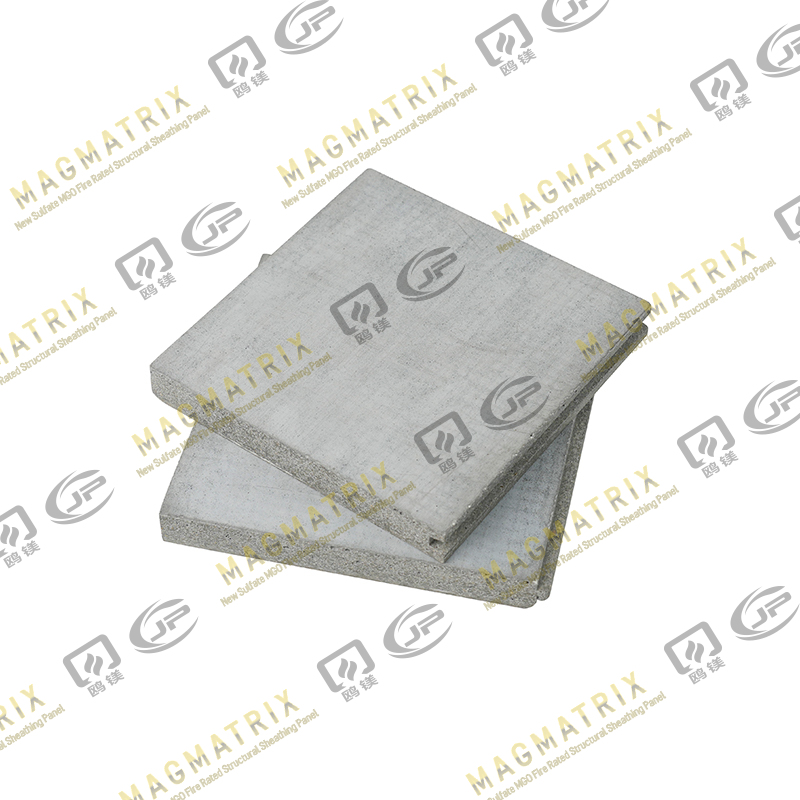 Perseverance MgO Subfloor Sheathing Board
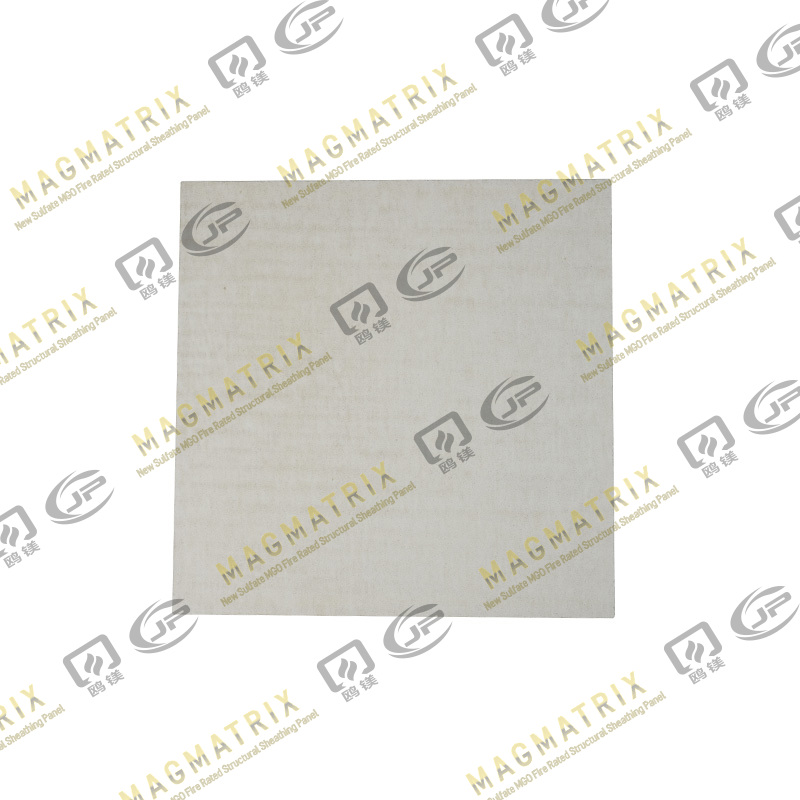 MagMatrix MgO Underlayment Panel/board