What Is MGO Material?
MGO material — short for magnesium oxide — is a mineral-based compound derived from magnesite ore. In construction, it is primarily processed into flat sheet products known as MGO board or MgO panels, which serve as a high-performance alternative to traditional gypsum drywall, cement board, and plywood. MGO boards are non-combustible, resistant to water and mold, and can achieve fire ratings of up to 2 hours, making them one of the most versatile building materials available today.
The core chemistry is straightforward: magnesium oxide (MgO) is combined with magnesium chloride (MgCl₂) or magnesium sulfate, water, and reinforcing materials such as fiberglass mesh and perlite. The result is a dense, rigid panel that cures at room temperature without the need for high-temperature kilns — a process that also gives MgO panels a notably lower carbon footprint compared to Portland cement-based products.
How MGO Board Is Made
Understanding the manufacturing process helps explain why MgO panels perform so differently from conventional boards. The production sequence typically follows these steps:
- Raw magnesite ore is calcined (heated) at around 700–1000°C to produce reactive magnesium oxide powder.
- The MgO powder is blended with a magnesium salt solution (chloride or sulfate), forming a slurry.
- Fillers such as perlite, sawdust, or fly ash are added to control density and weight.
- Fiberglass mesh layers are embedded on both faces of the panel to add tensile strength and prevent cracking.
- The slurry is poured into molds or onto a conveyor, then allowed to cure at ambient temperature for 24–48 hours.
- Boards are trimmed, sanded, and quality-tested before packaging.
One important distinction: boards made with magnesium chloride (MOC boards) are cheaper but more susceptible to moisture-related issues such as sweating or warping in humid climates. Boards made with magnesium sulfate (MOS boards) are more stable and have largely replaced MOC boards in quality-focused markets.
Key Properties of MgO Panels
MgO panels stand out because they combine multiple protective properties in a single sheet product. Below is a comparative overview of how MGO board stacks up against common alternatives:
Table 1: MGO Board vs. Common Building Board Materials
| Property |
MGO Board |
Gypsum Drywall |
Cement Board |
Plywood |
| Fire Rating |
Up to 2 hours |
Up to 1 hour |
Up to 1 hour |
Not rated |
| Mold Resistance |
Excellent |
Poor |
Good |
Poor |
| Water Resistance |
High |
Low |
High |
Medium |
| Weight (per m²) |
~10–14 kg |
~8–10 kg |
~15–20 kg |
~8–15 kg |
| Workability |
Good (score & snap) |
Excellent |
Difficult |
Excellent |
| Eco-Friendliness |
High |
Medium |
Low |
Varies |
These numbers reflect typical industry values. Actual performance depends on board thickness, manufacturer formulation, and local testing standards such as ASTM, EN, or AS/NZS.
Common Applications of MGO Board and MgO Panels
MgO panels are used across a wide range of construction scenarios, both interior and exterior. Their versatility comes from the fact that a single product type can handle environments where gypsum fails completely.
Interior Wall and Ceiling Lining
In residential and commercial interiors, MGO board is installed the same way as standard drywall — fixed to steel or timber framing with screws, then taped and finished. Because it does not support mold growth, it is particularly favored in bathrooms, laundry rooms, basements, and any area with elevated humidity. Several Australian and US builders have switched to MgO board after recurring mold callbacks with paper-faced gypsum.
Tile Backer and Wet Area Substrate
MgO panels are approved as tile backer boards in wet areas such as showers, pool surrounds, and commercial kitchen walls. Unlike cement board, they are lighter and easier to cut without specialized tools. A standard 12mm MgO panel can typically support ceramic, porcelain, or natural stone tile without flex-related cracking when properly installed over a rigid frame.
Exterior Cladding and Sheathing
Thicker MgO panels (15mm–20mm) with treated or textured surfaces are increasingly used as exterior cladding systems and structural sheathing. They resist rain penetration and do not rot. In bushfire-prone zones (BAL-rated construction in Australia, for instance), MGO board is used in fire-resistant external wall assemblies because it does not combust or contribute to fire spread.
Modular and Prefabricated Construction
MGO board has become a preferred panel material in modular building systems and prefabricated wall cassettes. Its high strength-to-weight ratio means panels can be factory-assembled into complete wall units and transported to site without damage. This is especially valuable in rapid-build projects such as student housing, data centers, and disaster relief structures.
Flooring Underlay
In multi-story residential and commercial buildings, MgO flooring panels (typically 18mm–22mm) are used as a substrate over structural floors. They provide acoustic separation, fire resistance, and a flat surface for finished flooring. Some European projects have recorded sound reduction improvements of 5–8 dB when MgO underlays were incorporated into the floor assembly.
Advantages of Choosing MgO Panels
The case for MGO board goes beyond individual properties. When evaluated across the full lifecycle of a building, several practical advantages stand out:
- Non-combustible classification: MGO board is classified as a Class A1 or A non-combustible material under most international fire standards (e.g., EN 13501-1 in Europe, ASTM E136 in the US), meaning it does not ignite, burn, or produce smoke.
- Pest resistance: Unlike timber-based products, MgO panels offer no nutritional value to termites, rodents, or insects.
- Low VOC emissions: Quality MgO boards typically emit no formaldehyde or other volatile organic compounds, supporting healthier indoor air quality.
- Dimensional stability: MgO panels do not swell, warp, or shrink under temperature and humidity fluctuations in the way that wood-based boards do.
- Recyclable: Waste MgO board can be crushed and used as a soil amendment or aggregate, reducing landfill impact.
Limitations and Things to Watch Out For
MGO material is not without drawbacks, and understanding them helps avoid costly installation mistakes.
Chloride-Related Corrosion in MOC Boards
Older-generation MOC (magnesium oxychloride) boards gained a poor reputation because excess chloride ions leached out over time, corroding embedded steel fasteners and causing panels to weep or blister in humid conditions. This was a documented problem in Australian residential projects in the 2010s, prompting government investigations. Modern MOS (magnesium oxysulfate) boards largely eliminate this issue, but buyers should verify which formulation they are purchasing.
Quality Variation Between Manufacturers
The MGO board market, particularly products sourced from lower-cost manufacturers, varies widely in quality. Key indicators to check include board density (a good-quality 12mm board typically weighs around 12–14 kg/m²), fiberglass mesh weight, and third-party fire and moisture test certifications from accredited labs.
Not Suitable for Constant Immersion
While MgO panels resist incidental water exposure, they are not designed for permanent submersion. Applications that keep the panel continuously wet — such as below-waterline pool walls — require additional waterproof membranes or are better served by other materials.
Cost Premium Over Standard Drywall
MGO board typically costs 20–60% more per square meter than standard gypsum drywall, depending on thickness and supplier. However, when compared to cement board for wet areas or specialty fire-rated assemblies, the price difference is often much smaller and is offset by easier installation labor.
How to Identify a Quality MGO Board
When specifying or purchasing MgO panels, use the following checklist to assess product quality before committing to a supplier:
- Confirm the binder type: magnesium sulfate (MOS) is preferred over magnesium chloride (MOC) for long-term performance in humid conditions.
- Ask for third-party fire test certificates referencing ASTM E136, EN 13501-1, or an equivalent national standard.
- Check for moisture cycling test results — quality boards should show less than 1mm dimensional change after repeated wet/dry cycles.
- Inspect the fiberglass mesh: it should be visible on both faces and have a tight weave pattern — looser mesh indicates lower tensile reinforcement.
- Weigh a sample panel: underweight boards may have excessive lightweight filler that reduces structural performance.
- Request an SDS (Safety Data Sheet) to confirm low heavy metal content and compliance with indoor air quality standards.
Is MGO Board Right for Your Project?
MGO board is not a universal replacement for every building board product, but it occupies a strong niche wherever fire safety, moisture resistance, and longevity are priorities. It is particularly well-suited to:
- Wet areas where gypsum would degrade within a few years
- Fire-rated wall and ceiling assemblies in commercial or multi-residential buildings
- Bushfire attack level (BAL) construction zones
- Modular construction where factory handling demands a more robust panel
- Projects pursuing green building certifications that value low-emission, recyclable materials
For standard interior partitions in dry, low-risk environments, gypsum drywall remains the more economical choice. The decision ultimately comes down to matching material properties to the specific demands of each application — and MGO board increasingly wins that comparison wherever conditions are harsh.



 English
 русский
 Español
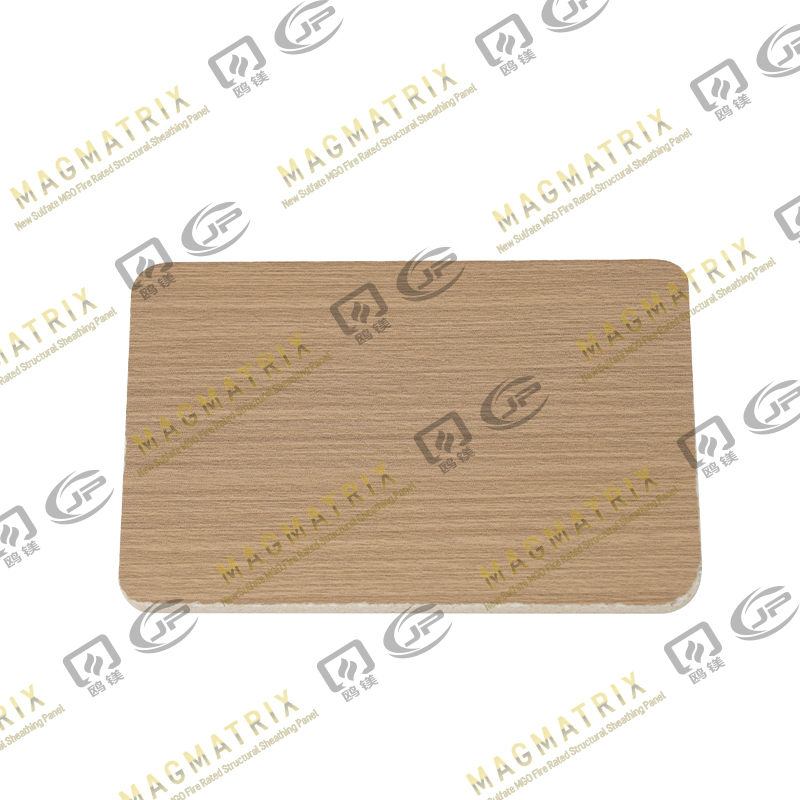
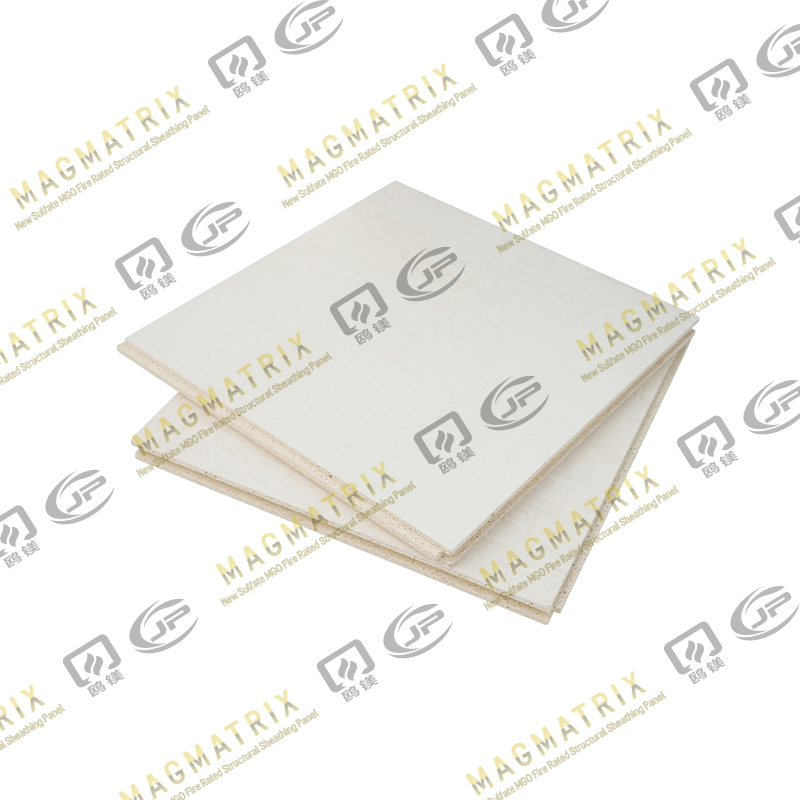
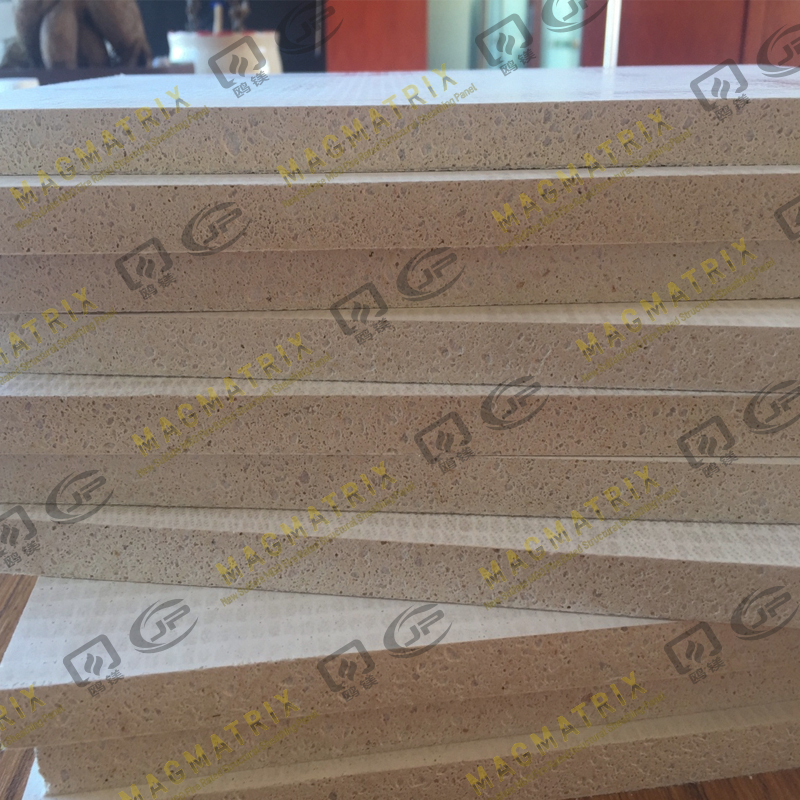 BMSC 517 New Sulfate MgO Board
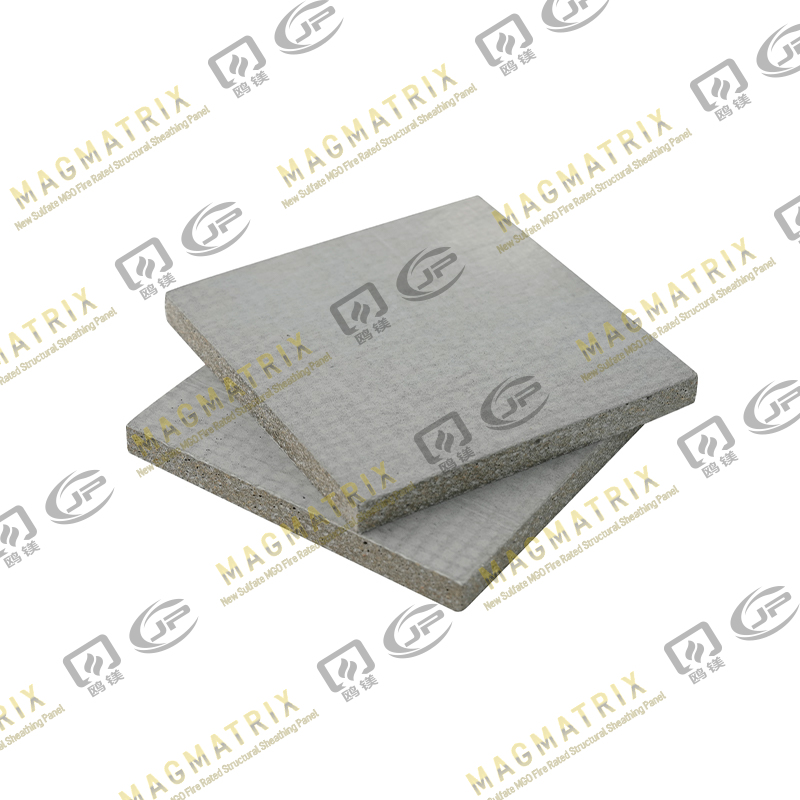 Multi-Support MgO Wall Sheathing Board
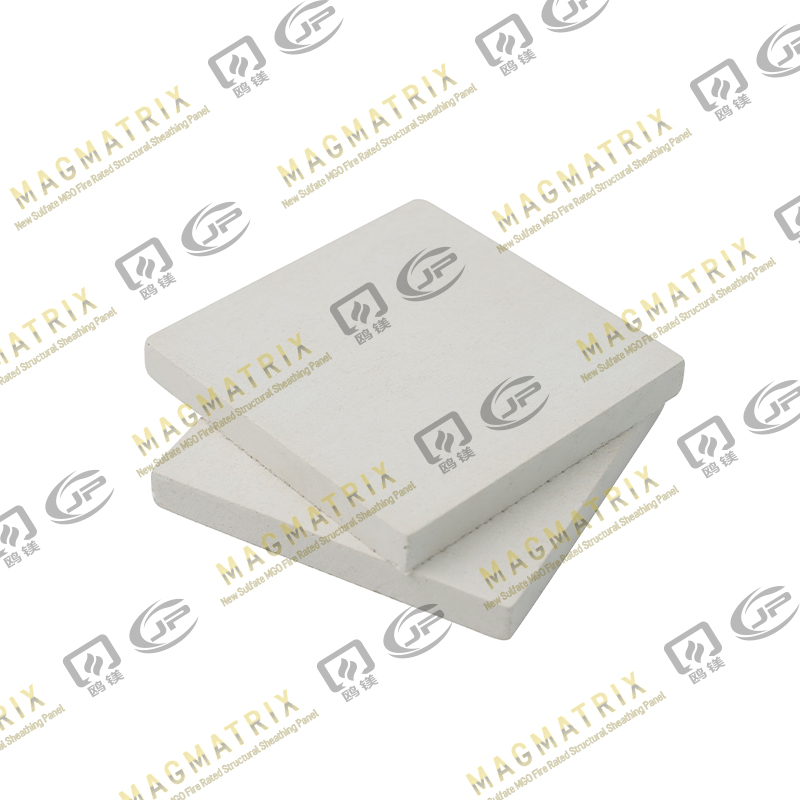 Perseverance MgO Wall Sheathing Board
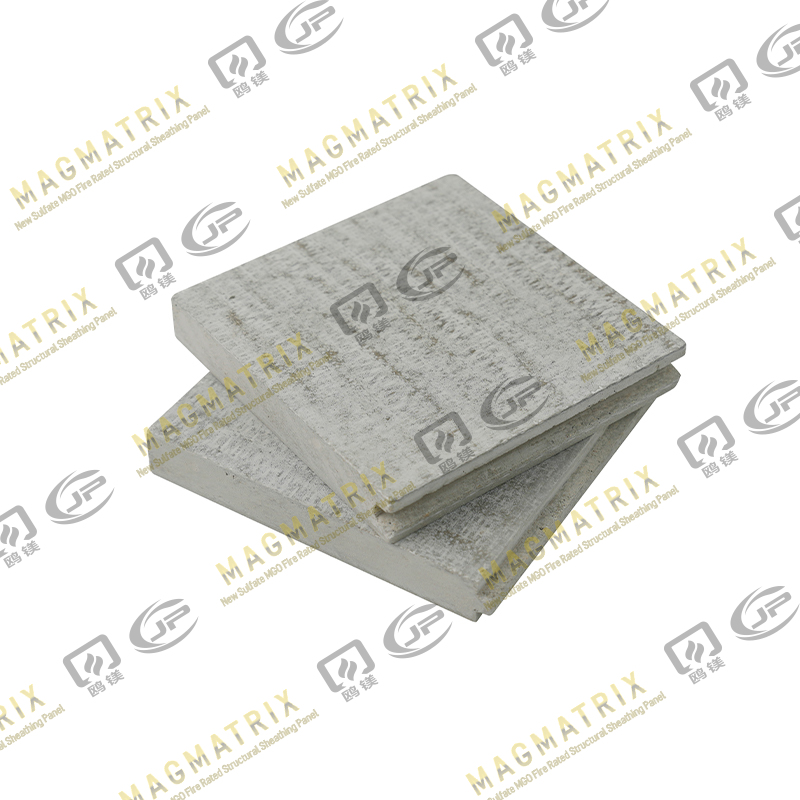 Multi-Support MgO Subfloor Sheathing Board
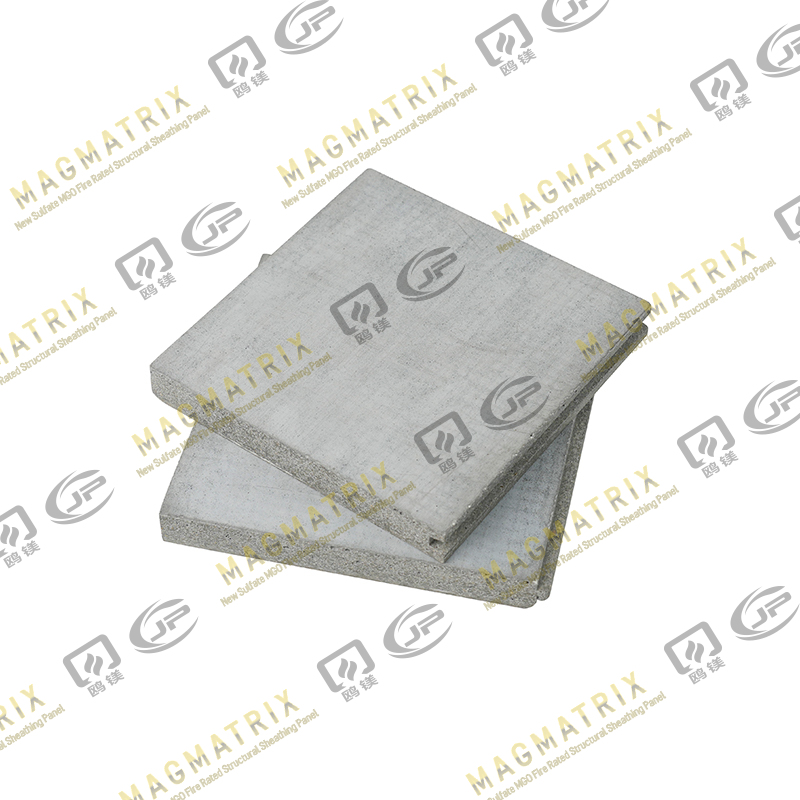 Perseverance MgO Subfloor Sheathing Board
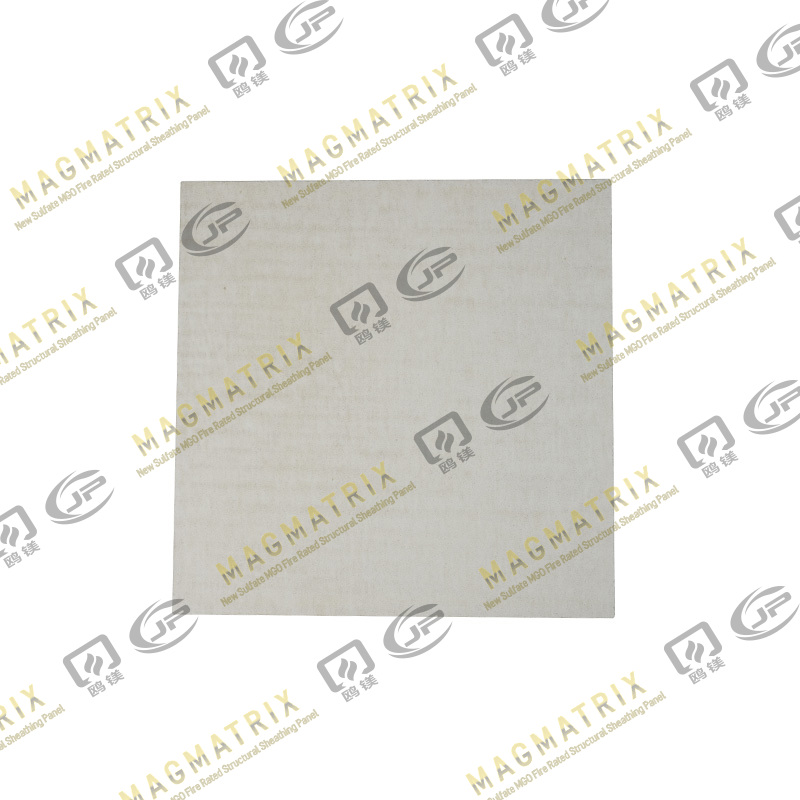 MagMatrix MgO Underlayment Panel/board