What Is Wall Board?
Wall board is a flat panel material used to cover interior walls and ceilings in residential and commercial construction. It forms the visible surface of most modern interiors, replacing older methods like wet plaster. The most familiar type is drywall (also called gypsum board or plasterboard), but wall board is a broader category that includes fiber cement board, cement board, and increasingly popular alternatives like MGO board.
Choosing the right wall board matters more than most people realize. The wrong panel in a high-moisture bathroom or a fire-prone utility room can lead to mold, structural damage, or safety failures within just a few years of installation.
Common Types of Wall Board at a Glance
Different wall board types serve different purposes. Here is a side-by-side comparison of the most widely used options:
| Type |
Core Material |
Fire Resistance |
Moisture Resistance |
Typical Use |
| Standard Drywall |
Gypsum |
Moderate |
Low |
Dry interior rooms |
| Green Board |
Gypsum + wax |
Moderate |
Medium |
Kitchens, laundry rooms |
| Cement Board |
Portland cement |
High |
High |
Tile backing, showers |
| MGO Board |
Magnesium oxide |
Very High |
Very High |
Wet areas, fire zones, exteriors |
| Fiber Cement Board |
Cement + cellulose |
High |
High |
Exterior cladding, soffits |
Table 1: Comparison of common wall board types by material, fire resistance, moisture resistance, and application.
What Is MGO Board?
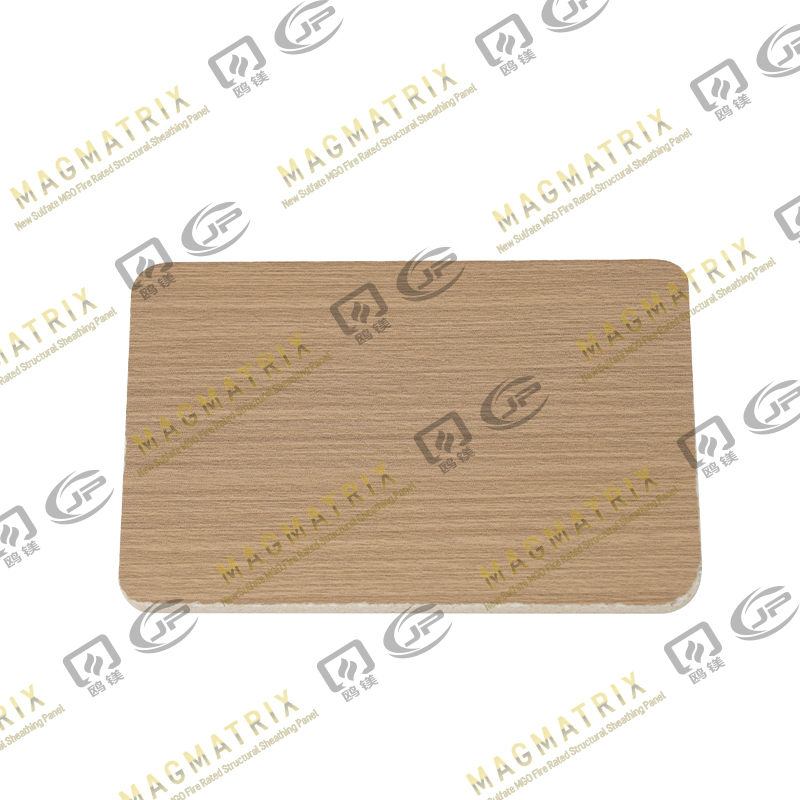
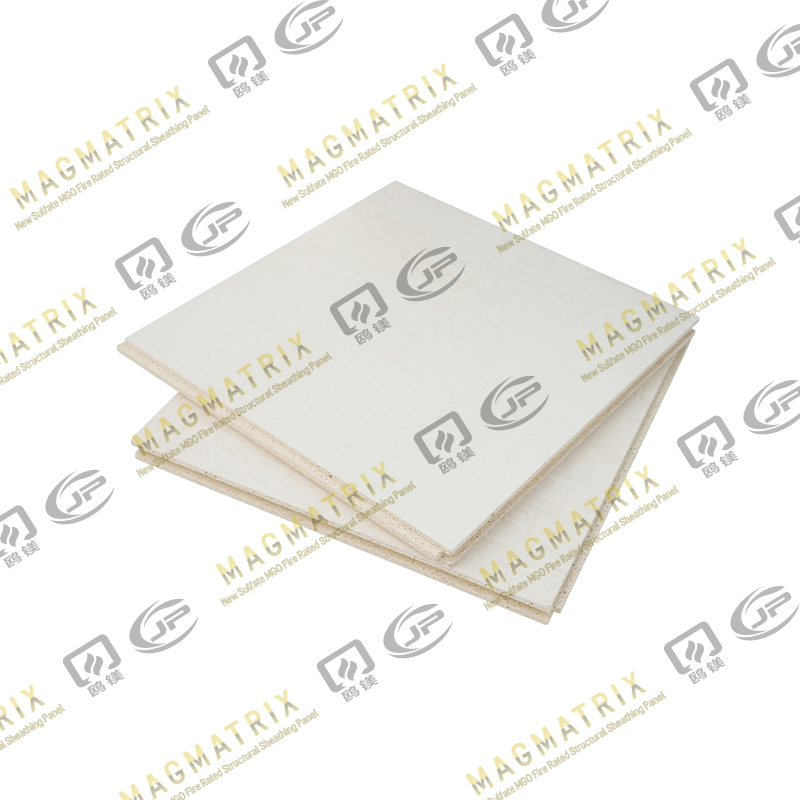
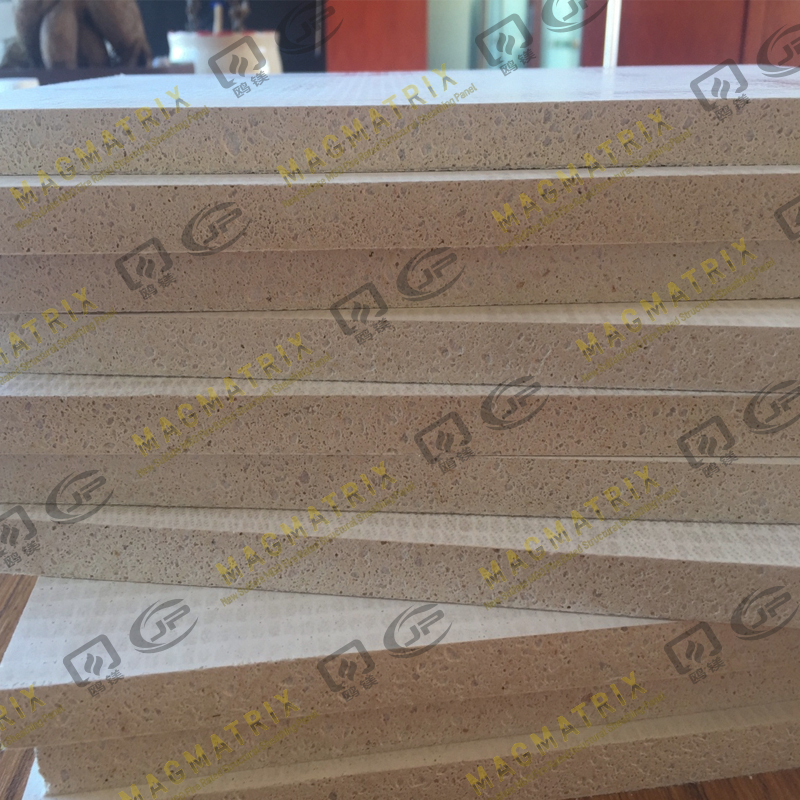
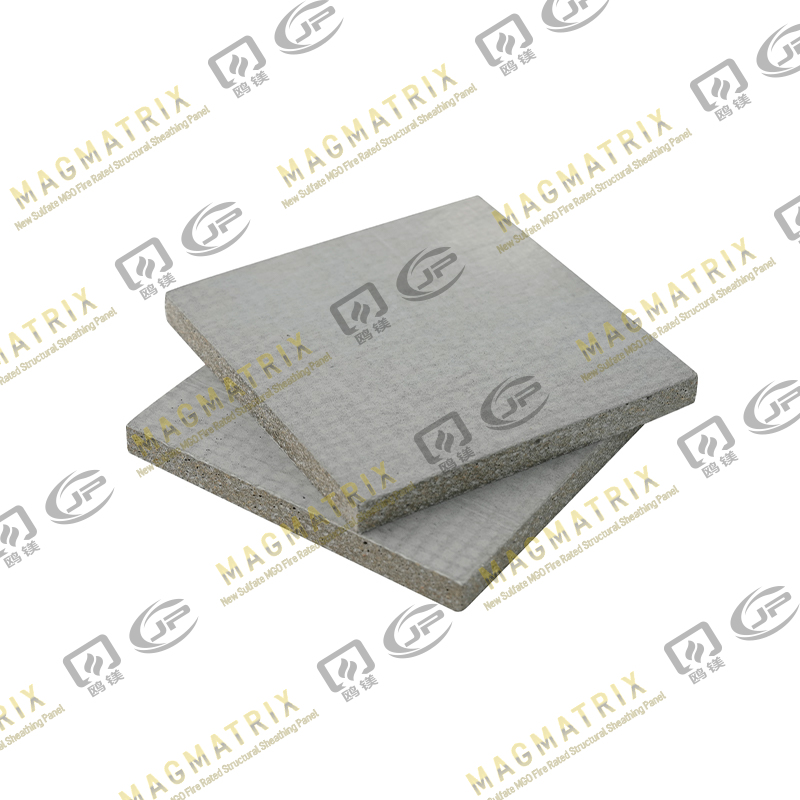
MGO board (magnesium oxide board) is a high-performance wall board made from magnesium oxide, magnesium chloride, perlite, and glass fiber mesh. It was developed in China in the 1990s and has since gained traction across North America, Europe, and Australia as an alternative to gypsum drywall and cement board in demanding environments.
The panel is manufactured by combining a magnesium-based binder with aggregate fillers and reinforcing mesh layers on both faces. The result is a board that is dimensionally stable, non-combustible, and highly resistant to water, mold, and impact.
Key Physical Properties of MGO Board
- Fire rating: Most MGO boards achieve a Class A1 non-combustible rating. Standard 12mm panels can withstand fire exposure for up to 2 hours in standardized testing.
- Moisture resistance: MGO board does not swell, rot, or delaminate when exposed to water, making it suitable for wet rooms and even some exterior applications.
- Mold resistance: The inorganic composition gives bacteria and mold no organic material to feed on, which is a meaningful advantage over paper-faced gypsum board.
- Flexural strength: Typical flexural strength ranges from 9 to 18 MPa depending on board density, compared to approximately 5–7 MPa for standard drywall.
- Weight: A 12mm MGO board weighs roughly 14–17 kg/m², lighter than an equivalent cement board (around 20 kg/m²).
Where MGO Board Outperforms Standard Drywall
Standard gypsum drywall is inexpensive and easy to finish, but it has clear limitations. MGO board addresses several of them directly:
Bathrooms and Wet Areas
Gypsum board, even moisture-resistant variants, can fail behind tile when grout cracks and water infiltrates over time. MGO board is fully waterproof at the core, making it a reliable tile backer for shower walls, steam rooms, and pool surrounds without the need for an additional waterproofing membrane in some installations.
Fire-Rated Assemblies
In commercial construction and multi-family residential buildings, fire-rated wall assemblies are often required. MGO board is non-combustible and does not emit toxic gases when exposed to high heat, giving it an edge over gypsum in fire safety specifications. Several manufacturers have UL-listed assemblies using MGO board for 1-hour and 2-hour fire ratings.
Exterior Sheathing
Some MGO boards are rated for exterior use as structural or non-structural sheathing. They handle freeze-thaw cycling and UV exposure better than gypsum-based products, making them practical in regions with extreme seasonal temperature swings.
Termite-Prone Climates
Because MGO board contains no wood fiber or organic cellulose, termites and other wood-boring insects find nothing to consume. This makes it a preferred choice in tropical construction markets where insect damage to conventional boards is a real operational risk.
Known Limitations of MGO Board
MGO board is not a universal replacement for all wall board products. There are genuine trade-offs that builders and designers should understand before specifying it.
- Chloride off-gassing: Early-generation MGO boards made with magnesium chloride as the binder had documented issues with moisture absorption and corrosion of embedded metal fasteners. Higher-quality boards now use magnesium sulfate (sorel cement process) to mitigate this, but sourcing matters — low-grade boards still exist in the market.
- Surface finishing: MGO board has a harder, denser face than gypsum, which makes skim coating and finishing slightly more demanding. It requires specific primers before painting to avoid adhesion failures.
- Cost: MGO board typically costs 20–50% more per panel than standard drywall of the same thickness, though the premium narrows when comparing it to specialty cement boards.
- Availability: In some markets, MGO board is not stocked by general building suppliers and may require ordering from specialty distributors, which can affect project timelines.
How to Install MGO Board
Installation follows a process similar to cement board and standard drywall, with a few important differences:
- Score and snap or use a circular saw with a carbide-tipped blade — standard drywall blades dull quickly on MGO board.
- Fasten with corrosion-resistant screws (stainless steel or hot-dipped galvanized) to avoid rust staining from chloride contact.
- Leave a 3mm gap at floor level and between boards to allow for minor thermal movement.
- Tape joints with alkali-resistant fiberglass mesh tape and fill with a polymer-modified setting compound.
- Prime with a penetrating bonding primer before applying paint, tile adhesive, or plaster finish.
Most manufacturers recommend frame spacing of 400mm (16 inches) on center for 10mm boards and 600mm (24 inches) for 12mm and thicker panels.
MGO Board vs. Drywall: Which Should You Choose?
The right choice depends on the specific application, not a blanket preference for one product.
| Scenario |
Recommended Board |
Reason |
| Bedroom or living room walls |
Standard Drywall |
Cost-effective, easy to finish |
| Shower or bathroom tile backing |
MGO Board or Cement Board |
Waterproof core, no mold risk |
| Commercial fire-rated partition |
MGO Board or Type X Drywall |
Non-combustible, rated assembly |
| Exterior sheathing |
MGO Board or Fiber Cement |
Weather and freeze-thaw resistance |
| Budget interior renovation |
Standard Drywall |
Lowest cost, widely available |
Table 2: Recommended wall board type by construction scenario.
For dry, interior, low-budget projects, standard drywall remains the practical default. MGO board earns its premium in wet environments, fire-sensitive zones, and high-performance building envelopes where the long-term performance justifies the upfront cost difference.
Final Takeaway
Wall board is the foundation of nearly every modern interior surface. Understanding which type fits your application — whether it is basic gypsum drywall or a high-performance MGO board — can prevent costly failures and callbacks down the line. MGO board is not a niche product anymore; it is a legitimate mainstream option for builders who need a wall board that handles moisture, fire, and structural stress without compromise. The key is to source from reputable manufacturers and confirm that the product meets the fire and moisture ratings required for your specific assembly.



 English
 русский
 Español
 BMSC 517 New Sulfate MgO Board
 Multi-Support MgO Wall Sheathing Board
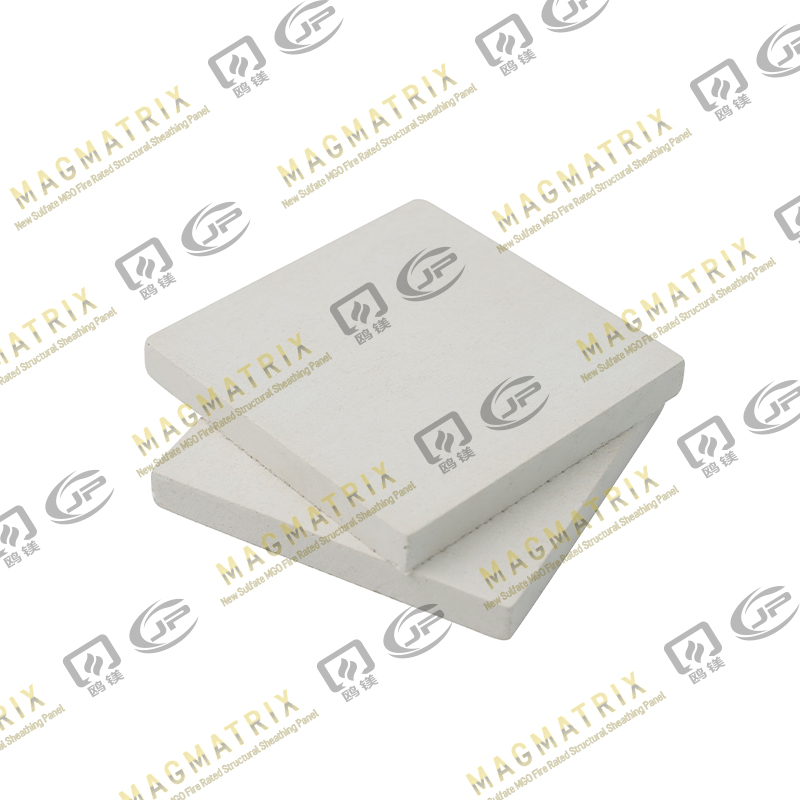 Perseverance MgO Wall Sheathing Board
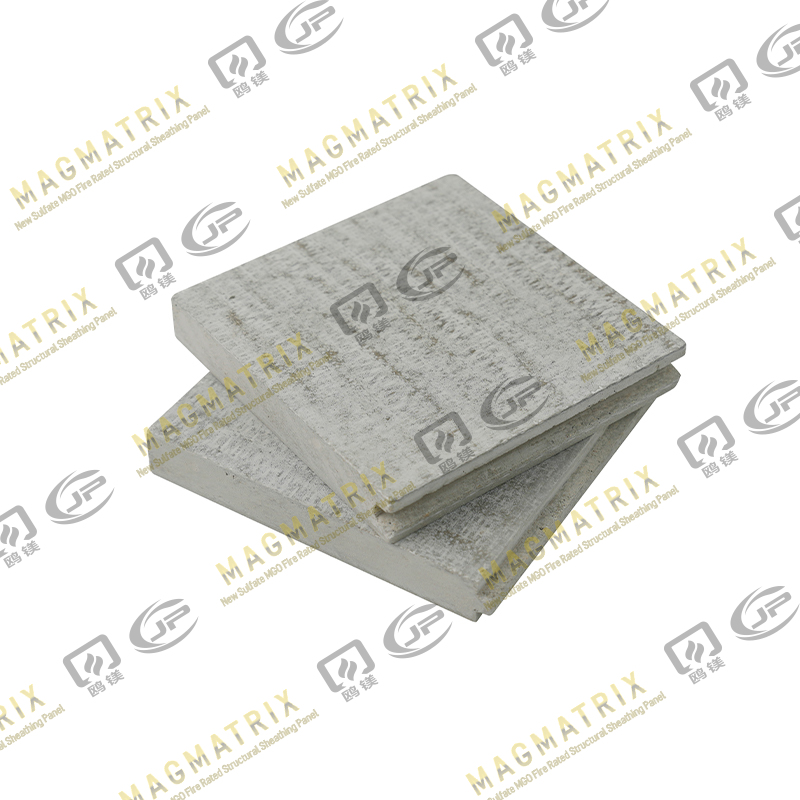 Multi-Support MgO Subfloor Sheathing Board
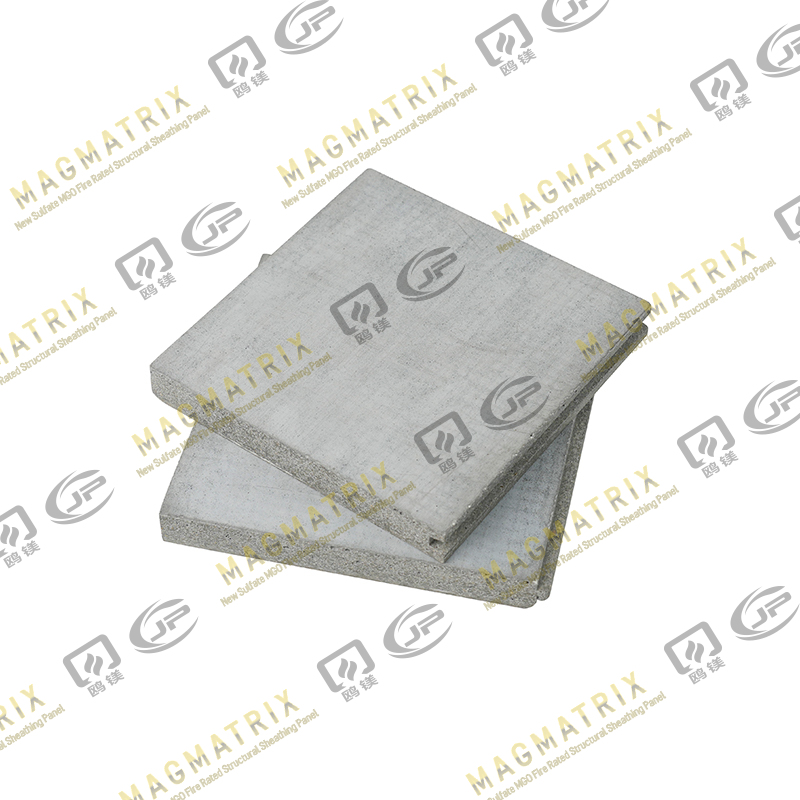 Perseverance MgO Subfloor Sheathing Board
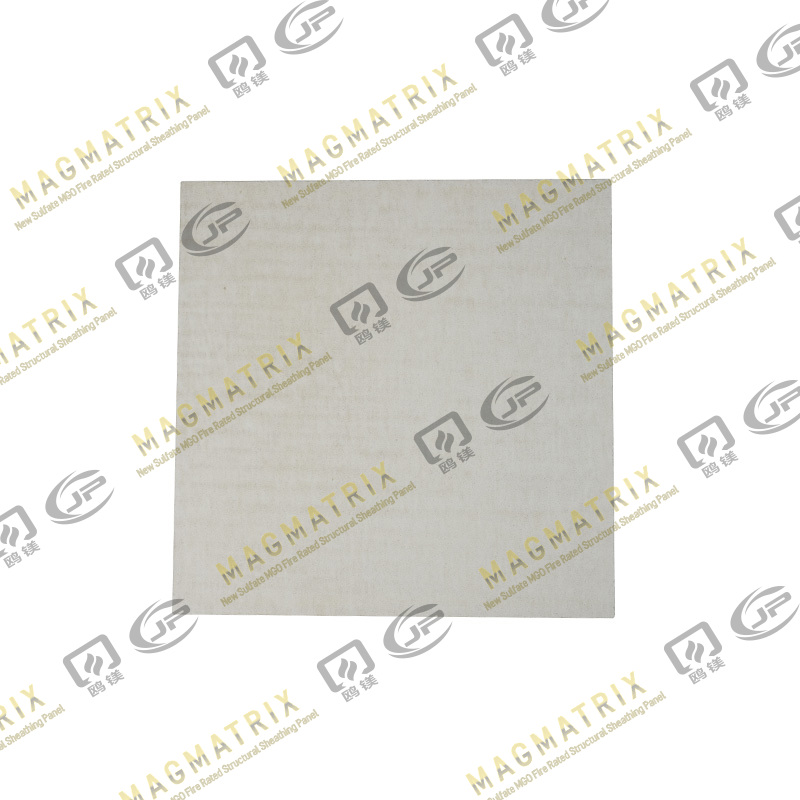 MagMatrix MgO Underlayment Panel/board