The Short Answer: MgO Panels Are One of the Best Materials for Subfloor Insulation
If you're insulating a subfloor, Magnesium Oxide (MgO) panels are a top-tier choice — especially in areas prone to moisture, temperature swings, or heavy foot traffic. Unlike traditional OSB or plywood, MgO panels are fire-resistant, mold-resistant, and dimensionally stable, making them ideal for use as a structural insulating layer beneath finished flooring.
The typical process involves installing rigid foam insulation between floor joists, then laying MgO panels over the top as a sturdy, weather-resistant subfloor surface. This combination can reduce heat loss by up to 30–40% compared to an uninsulated subfloor, depending on the insulation R-value used.
Why Subfloor Insulation Matters More Than Most Homeowners Realize
Heat loss through floors is often underestimated. According to the U.S. Department of Energy, floors above unconditioned spaces like garages or crawl spaces can account for 15–20% of a home's total heat loss. Cold subfloors also lead to condensation, mold growth, and premature flooring failure.
Proper subfloor insulation solves several problems at once:
- Keeps finished floors warmer underfoot in winter
- Reduces energy costs by limiting thermal bridging through joists
- Prevents moisture vapor from rising into flooring materials
- Dampens sound transmission between floors in multi-story homes
What Are MgO Panels and Why Use Them in Subfloor Applications
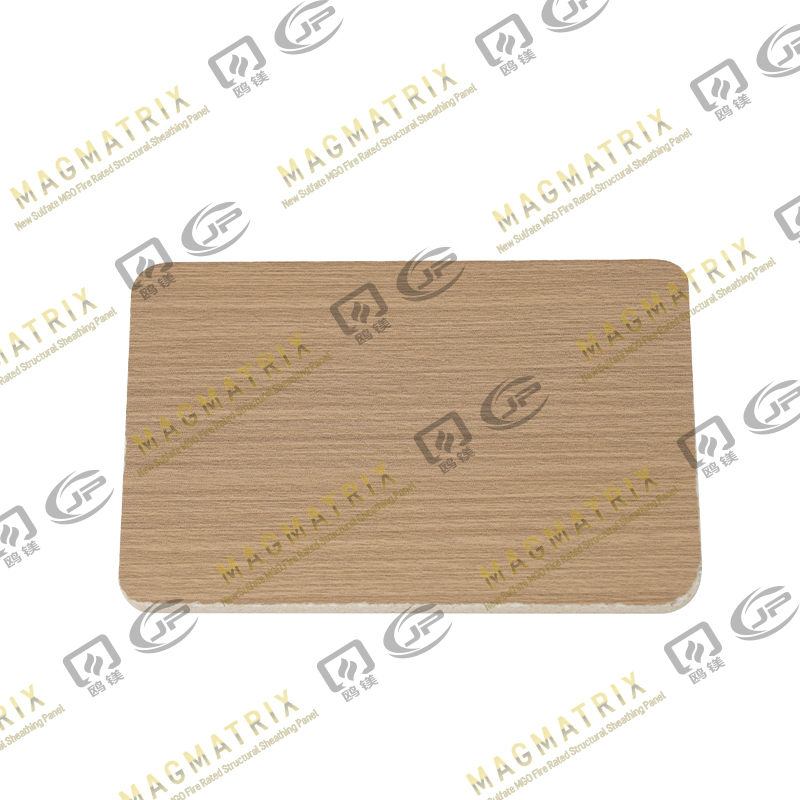
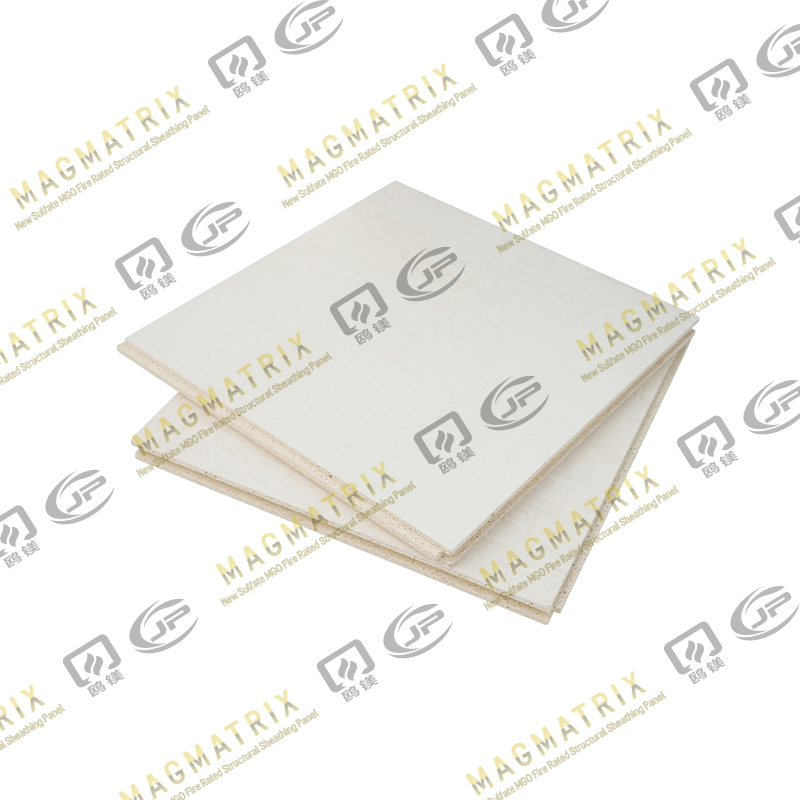
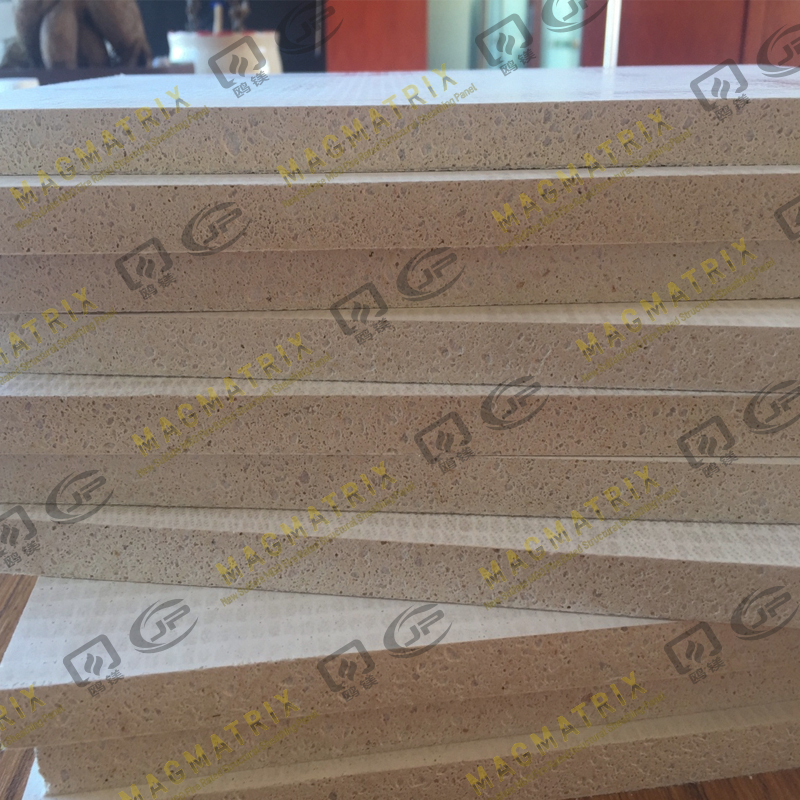
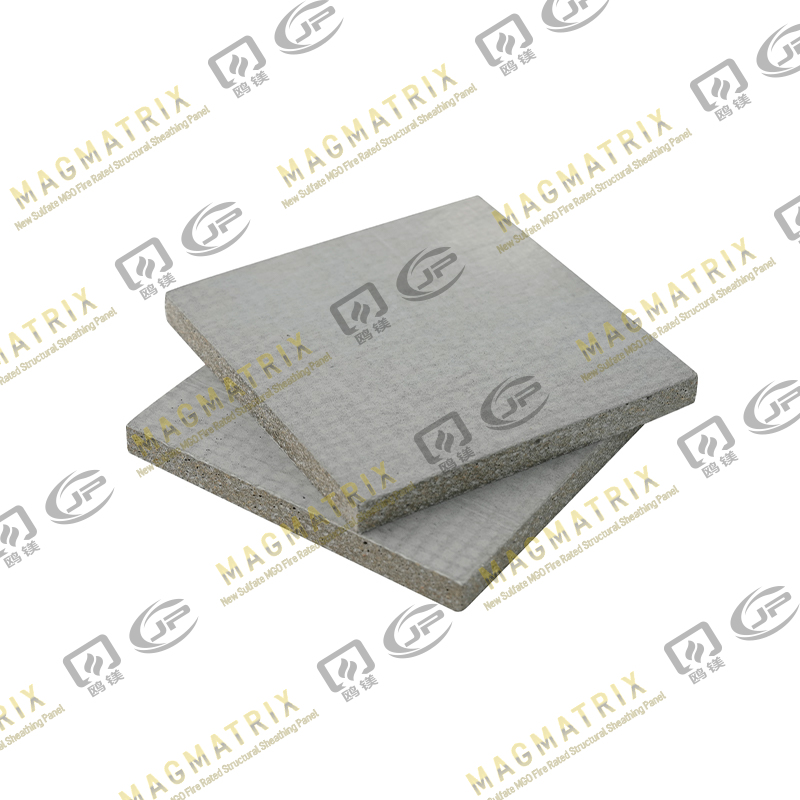
MgO (Magnesium Oxide) panels are an inorganic board product manufactured from magnesium oxide, magnesium chloride or sulfate, perlite, and reinforcing fiberglass mesh. They are completely free of wood fiber, which makes them immune to mold, rot, and termite damage.
Key Physical Properties
Comparison of common subfloor panel materials across key performance metrics
| Property |
MgO Panel |
Plywood |
OSB |
| Mold Resistance |
Excellent |
Poor |
Poor |
| Fire Rating |
Class A (non-combustible) |
Class C |
Class C |
| Moisture Absorption |
Very Low |
High |
High |
| Dimensional Stability |
High |
Moderate |
Low |
| Compressive Strength |
~2,500 psi |
~1,500 psi |
~900 psi |
These properties make MgO panels particularly valuable in basements, crawl spaces, ground-floor slabs, and any subfloor area exposed to humidity or condensation risk.
How to Insulate a Subfloor Using MgO Panels: Step-by-Step
This process applies to subfloors over unconditioned crawl spaces or between floor levels where thermal and moisture control is needed. Always check local building codes before starting.
Step 1: Assess and Prepare the Subfloor Area
Before installing any insulation, inspect the joist bays thoroughly. Look for signs of moisture damage, existing mold, or pest activity. Any compromised joists should be sistered or replaced. If there's standing moisture in a crawl space, install a 6-mil polyethylene vapor barrier on the ground before proceeding.
Step 2: Choose the Right Insulation for the Joist Bays
Rigid foam insulation — specifically closed-cell polyisocyanurate (polyiso) or XPS foam — works best between joists when using MgO panels as the top layer. Here's a quick guide to R-values by foam thickness:
- 1 inch XPS: R-5
- 2 inches XPS: R-10
- 2 inches Polyiso: R-13
- 3.5 inches closed-cell spray foam: R-21 to R-24
The U.S. DOE recommends a minimum of R-19 for floors over unconditioned spaces in most climate zones, and R-30 or higher in colder regions (Zones 5–8).
Step 3: Cut and Fit the Insulation Between Joists
Measure the joist bay width carefully — typically 14.5 inches for 16-inch on-center framing. Cut rigid foam boards to fit snugly with no gaps. Friction-fit the foam or use low-expansion spray foam sealant around the perimeter of each piece to prevent air leakage, which is responsible for a significant portion of heat loss even in well-insulated floors.
Step 4: Install a Continuous Thermal Break Layer (Optional but Recommended)
To eliminate thermal bridging through wood joists, install a continuous layer of rigid foam (typically 1–2 inches) across the entire joist face before laying the MgO subfloor panels. This is especially effective in extreme climates. A 1-inch polyiso layer adds R-6.5 across the entire floor plane, significantly improving overall system performance.
Step 5: Install MgO Panels as the Subfloor Surface
MgO panels are typically available in thicknesses of 6mm, 9mm, 12mm, and 18mm. For subfloor applications, 18mm (about 3/4 inch) is the most common choice, providing adequate stiffness and load-bearing capacity. Follow these installation guidelines:
- Stagger panel joints so no two adjacent seams align — offset by at least 16 inches.
- Leave a 1/8-inch expansion gap between panels to allow for minor movement.
- Fasten panels using corrosion-resistant screws (MgO can corrode standard steel fasteners over time) — stainless steel or hot-dipped galvanized screws are preferred.
- Screw spacing should be approximately 6 inches along edges and 8 inches in the field.
- Seal panel joints with a flexible, waterproof joint tape or fiberglass mesh plus thin-set if the floor will be tiled.
Step 6: Verify Flatness and Proceed with Finished Flooring
Once all MgO panels are fastened, check the surface for flatness using a long straightedge. Industry standards for tile installations require no more than 3/16 inch variation over 10 feet. MgO panels are compatible with virtually all finished flooring types, including hardwood, LVP, tile, and carpet.
MgO Panel Subfloor Over Concrete Slab: A Slightly Different Approach
For slab-on-grade applications like basements or ground-floor concrete, the installation sequence changes. Here, MgO panels serve as a floating subfloor over rigid foam:
- Test the slab for moisture using ASTM F2170 (in-situ RH testing). If readings exceed 75% RH, apply a moisture vapor barrier or epoxy sealer before insulating.
- Lay 2 inches of XPS foam directly on the slab (R-10), ensuring tight joints.
- Install 18mm MgO panels on top, floating (not glued to foam), with staggered joints.
- Fasten panels together at edges using screws into a sleeper system, or leave as a true floating floor if loading is light.
This assembly adds approximately 2.75 inches total height to the floor, which should be factored in for door clearance and transitions to adjacent spaces.
Common Mistakes to Avoid When Insulating Subfloor with MgO Panels
- Using standard steel fasteners: MgO panels have a high pH content that corrodes carbon steel. Always use stainless or hot-dipped galvanized fasteners.
- Skipping air sealing: Insulation without air sealing is significantly less effective. Seal all penetrations and panel joints before installing finished flooring.
- Ignoring chloride content in the MgO panels: Early-generation MgO boards had high magnesium chloride content that caused hygroscopic sweating in humid conditions. Verify that the panels you purchase meet ASTM C1396 or ISO 8336 standards, or request test data confirming chloride levels are within acceptable limits.
- No expansion gap: MgO panels, while dimensionally stable, still need room for minor expansion. Omitting the 1/8-inch gap can cause buckling in high-humidity environments.
- Inadequate vapor control beneath slab: Without addressing ground moisture in crawl spaces, even excellent subfloor insulation will eventually fail due to moisture cycling.
Cost Expectations for MgO Subfloor Insulation Projects
MgO panels cost more upfront than plywood or OSB — typically $2.50 to $5.00 per square foot depending on thickness and supplier, compared to $1.00–$2.00 for standard plywood. However, when factored over the lifespan of the floor system, the durability advantage offsets the initial premium, especially in moisture-prone applications where wood panels might need replacement within 10–15 years.
A complete insulated subfloor system using 2-inch XPS foam plus 18mm MgO panels will typically run $5.00–$9.00 per square foot installed, including labor. For a 1,000 sq ft floor, expect a total budget in the range of $5,000–$9,000.
Final Takeaway
Insulating a subfloor with MgO panels is a durable, high-performance solution that addresses thermal, moisture, and fire concerns in one system. The key is pairing the right insulation type and R-value with proper installation practices — including correct fasteners, expansion gaps, air sealing, and moisture control. For any subfloor exposed to humidity, crawl spaces, or below-grade environments, MgO panels are a measurably superior choice over traditional wood-based sheathing products.



 English
 русский
 Español
 BMSC 517 New Sulfate MgO Board
 Multi-Support MgO Wall Sheathing Board
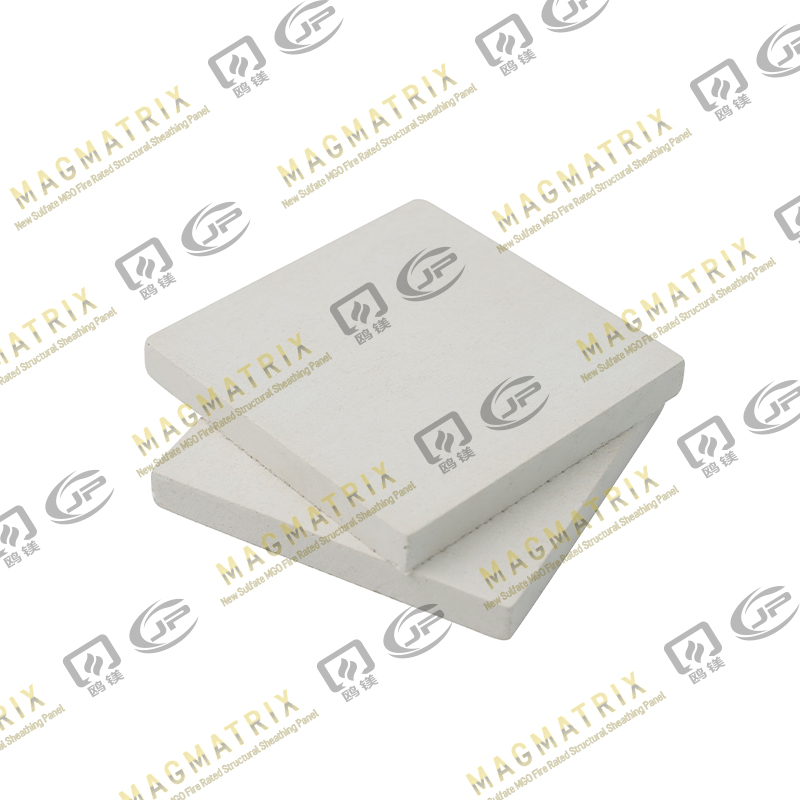 Perseverance MgO Wall Sheathing Board
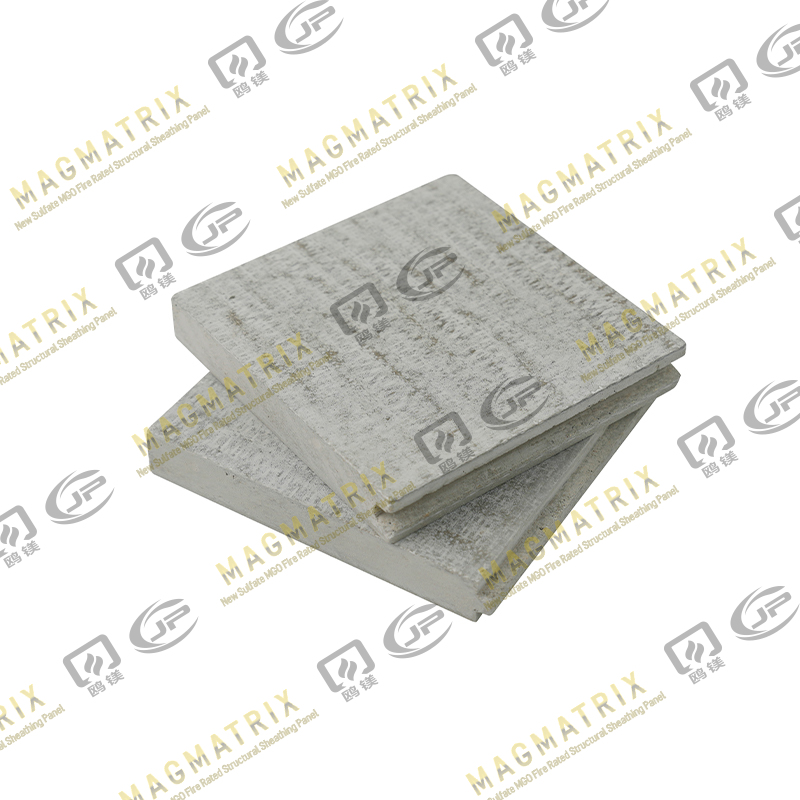 Multi-Support MgO Subfloor Sheathing Board
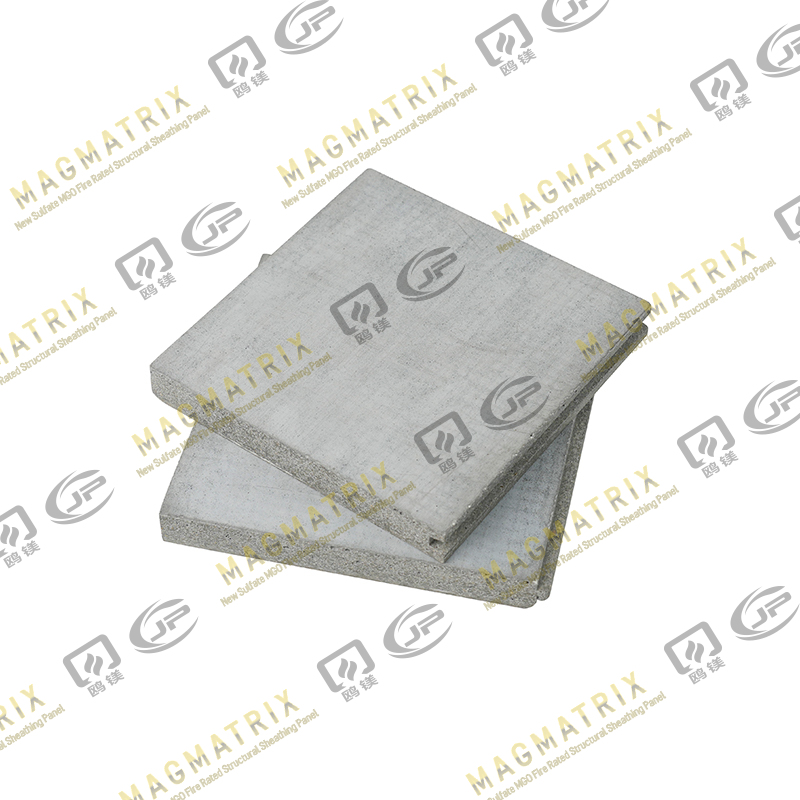 Perseverance MgO Subfloor Sheathing Board
 MagMatrix MgO Underlayment Panel/board