A Moso bamboo culm is harvestable in about four years. A Douglas fir of comparable usable diameter needs forty. That ratio is why bamboo timber has moved out of flooring showrooms and into cabinetry, drawer inserts, glue-laminated beams and panel conversations that plywood and OSB used to own.
The material is real, widely available, and it behaves nothing like a softwood board. Bamboo timber is dense, abrasive to tooling, sensitive to moisture at cut edges, and combustible unless it is protected. Buyers looking for a quarter-inch solid board for drawer trays or a beam for a covered deck run into the same three questions: which format is this, what does it do in a fire, and what does it do when humidity swings.
4 yrsTypical harvest cycle for a mature Moso culm
40+ yrsComparable cycle for temperate hardwood sawtimber
1,300+ lbfPublished Janka hardness for laminated bamboo stock
What Bamboo Timber Actually Is
Bamboo timber is an engineered product rather than a sawn log: bamboo culms are split into strips or crushed into strands, dried to a controlled moisture content, coated with adhesive, and pressed into blocks, beams or sheets under heat and pressure.
Definition: bamboo timber, also sold as laminated bamboo lumber or bamboo scrimber, is a composite structural material made from bamboo grass culms that are processed into strips or strands and bonded with resin, so the finished board has a grain direction, a density and a resin system instead of a single natural growth pattern.
Three practical consequences follow from that definition, and each one shows up on site.
- The culm is hollow and the fibres concentrate near the outer wall, so the skin is harder and denser than the inner material. Mills sort or orient strips accordingly, which is why two boards of the same thickness can machine and fasten differently.
- Silica in the outer wall dulls cutting edges quickly. Carbide tooling, slower feed rates and dust extraction are standard practice, not an upgrade.
- The adhesive is part of the structure. Phenolic systems tolerate exterior exposure; urea-based systems do not.
Bamboo timber is specified by format and density first, then by thickness and resin class, because those variables decide whether a board can carry a load, hold a screw or sit near a wet room.
600-800 kg/m3Typical density of laminated bamboo lumber
1,000+ kg/m3Densified strand-woven and scrimber products
19-40 mmCommon thickness range for panel and beam stock
Common engineered bamboo timber formats and where each one is typically specified.
| Format |
Production method |
Typical thickness |
Best-fit use |
| Laminated bamboo lumber |
Flat strips laid parallel and pressed with resin |
19 to 40 mm |
Countertops, cabinetry, trim, furniture frames |
| Cross-laminated bamboo plywood |
Alternating strip layers, sometimes veneer faced |
3 to 25 mm |
Panels, drawer inserts, interior linings |
| Strand-woven bamboo |
Crushed strands bonded under high pressure |
10 to 40 mm |
Flooring, work surfaces, high-wear layers |
| Bamboo scrimber |
Vascular bundles pressed with high resin content |
20 to 100 mm |
Beams, decking, heavy-load members |
Hardness tracks density closely. Strand-woven stock can test far above red oak, while a standard laminated board lands in the same band as red oak itself.
Typical published Janka hardness, engineered bamboo versus common timber
Strand-woven bambooabout 3,000
Hard maple1,450
Laminated bambooabout 1,380
Red oak1,290
Douglas fir660
Values are published averages for dry, resin-bonded stock and shift with density and adhesive content.
Where Bamboo Timber Performs and Where It Falls Short
Bamboo timber wins on dry, protected, high-wear applications and loses wherever code, water or insects are allowed to work on it unchecked.
Strong fit
- Interior flooring and stair treads where hardness matters
- Cabinetry and drawer trays cut from thin stock
- Exposed beams in dry, conditioned interiors
- Projects needing a documented low-carbon material
Weak fit
- Walls that must be non-combustible by test, not by coating
- Subfloors over slabs without a vapour control layer
- Permanent wet rooms, exterior sheathing, roof decks
- Humid yard storage, where starch attracts borers and mould
Failure mode to watch: a bamboo timber panel installed wet against a vapour trap will swell at the edges and telegraph joints through the finish. Inside a fire-rated cavity it also adds fuel to an assembly that a non-combustible board would not.
Where a wall cavity has to stay non-combustible, an inorganic sheathing such as a magnesium oxide wall board keeps the rated assembly intact while still giving the finish a solid substrate.
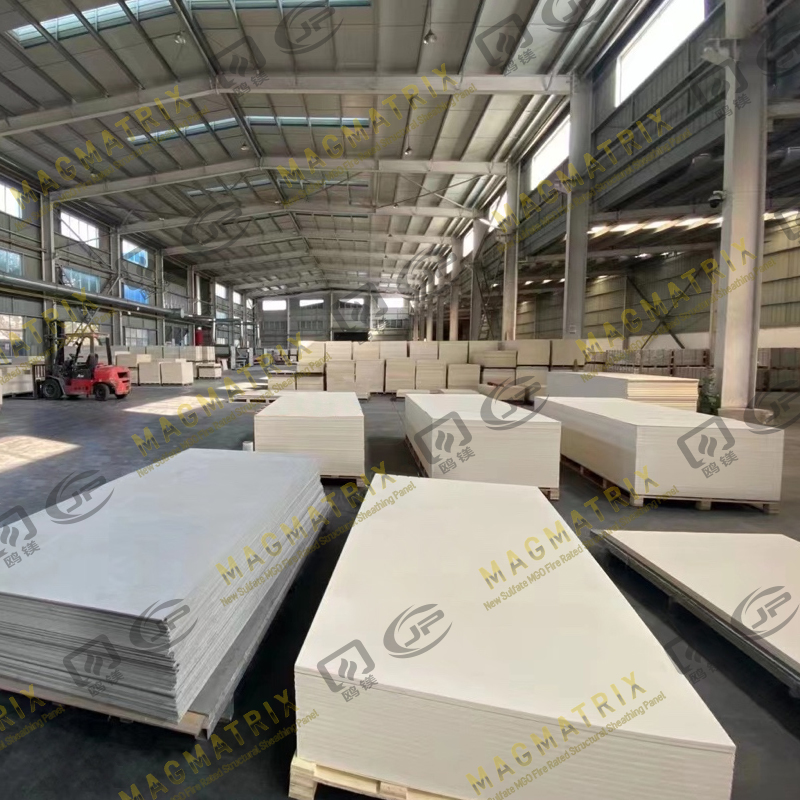 Magnesium Oxide Sheathing Board ManufacturersMGO Wall Sheathing Board: A Smarter Choice for Safer, Sustainable ConstructionView Product →
Bamboo Timber Versus Plywood, OSB and Inorganic Boards
On sheathing and subfloor decisions, bamboo timber competes with plywood and OSB on strength but not on fire or moisture behaviour, and it does not compete with inorganic boards on non-combustibility at all.
How bamboo timber compares with common substrates on the properties that drive specification.
| Material |
Reaction to fire |
Moisture behaviour |
Typical role |
| Engineered bamboo timber |
Organic and combustible, contributes fuel unless treated |
Swelling at cut edges, needs sealed faces |
Interior finishes, flooring, dry-area structure |
| Plywood |
Combustible, charring rate similar to timber |
Delaminates after repeated wetting |
General sheathing behind cladding |
| OSB |
Combustible, swells and loses strength when wet |
Edge swell is difficult to reverse |
Cost-driven sheathing and subfloor |
| Sulfate magnesium oxide board |
Inorganic, tested to ASTM E136 as non-combustible |
Dimensionally stable under humidity cycling |
Fire-rated wall, floor and ceiling assemblies |
The deciding question is not which board is stronger. It is whether the assembly must stay non-combustible, stay flat after a wet season, or do both. Bamboo timber rarely wins a specification that asks for both.
Sourcing teams weighing a swap on a sheathing line can compare load, fire and moisture data in this comparison of MGO sheathing against plywood and OSB before committing a whole elevation to either material.
Above a vented crawlspace or a slab with intermittent moisture, an inorganic subfloor sheathing board removes the swelling risk that bamboo timber and OSB share.
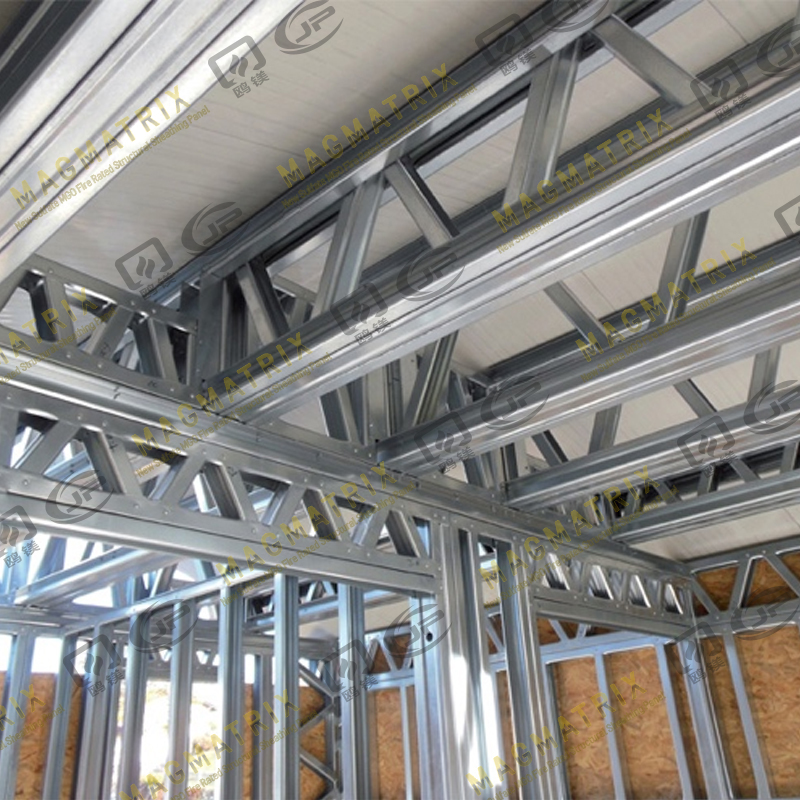 MGO Subfloor Panel ManufacturersBuilt for Safety, Durability, and SustainabilityView Product →
Specifying Bamboo Timber in Fire-Rated and Wet Assemblies
Bamboo timber can be used inside a rated building, but not as the element that carries the rating. It belongs there as an interior finish, a floor, or a protected structural member behind a rated layer.
Three rules keep a mixed assembly compliant and durable.
- Let an inorganic board carry the fire rating. Non-combustibility is a property measured by test such as ASTM E136, and an organic board cannot earn it through a coating or a paint system.
- Keep bamboo timber out of the moisture path. In wet areas the layer behind tile or vinyl should be a stable backer that does not swell, with the bamboo surface above the waterproofing rather than below it.
- Detail movement. Leave a 3 to 5 mm perimeter gap on panels, seal cut edges, and use fasteners designed for dense material.
Field note: on hospital and multi-family fit-outs the decoration substrate is settled first, because it has to accept laminate, meet a smoke density limit and stay flat in a humid service corridor. Organic timber rarely survives that list. Magnesium oxide backer boards are specified there instead, with the visible finish laminated on top.
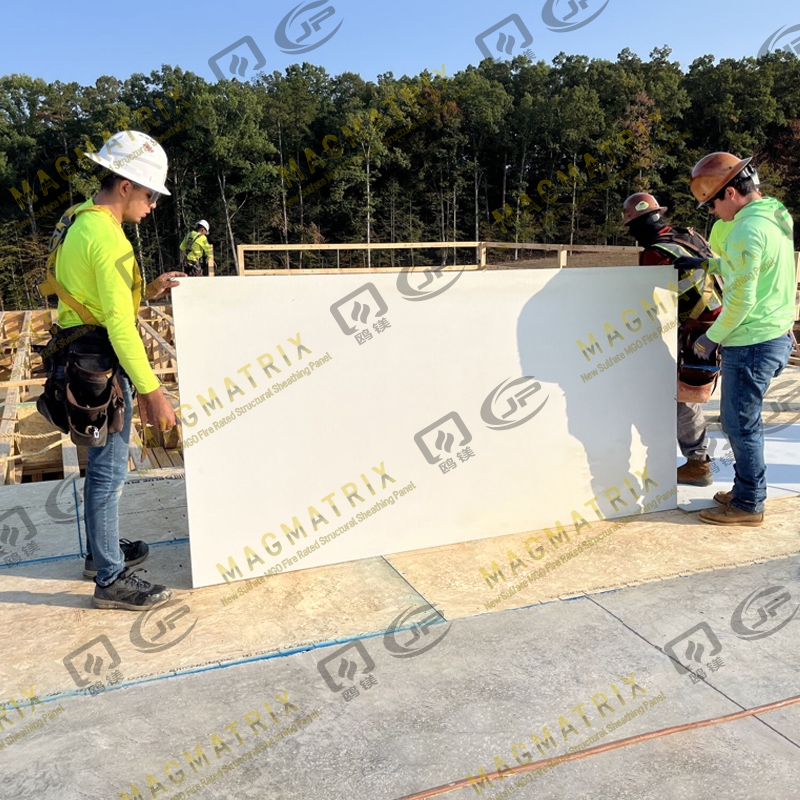 MagMatrix MgO Underlayment Panel/boardMagMatrix Underlayment Panels: Fire-Resistant, High-Performance Solution for Multifamily and Commercial Jobsites MagMatrix underlayment panels are specifically designe...View Product →
How to Vet a Bamboo Timber Supplier
A bamboo timber order is only as good as the resin system and the drying control behind it, so vet the process rather than the photograph of the bamboo forest.
- Ask for density and resin class in writing. Laminated stock below about 600 kg/m3 is usually a flooring blank, not a structural member.
- Confirm the adhesive. Wet-adjacent or exterior use needs a phenolic or equivalent weather-resistant resin, with emission data on file.
- Request moisture content at shipment, typically 8 to 12 percent for interior work, and check it again on arrival.
- Inspect strip orientation and end grain on a cut sample. Glue lines should be tight and evenly distributed, with no voids along the edges.
- Match third-party evidence to the claim. Fire, non-combustibility and emission statements only help when the report names the product and the test method.
Documentation check: for any board expected to hold a rating or an indoor air quality claim, the useful proof is a report naming the exact product, the test standard and the date. Suppliers who publish those files openly make this step much shorter.
An example of how that looks in practice is this published certificate library, where test methods and product names sit side by side instead of inside a marketing summary.
Frequently Asked Questions About Bamboo Timber
Short answers to the questions buyers ask most often before placing a first bamboo timber or panel order.
Is bamboo timber stronger than hardwood?
It depends on format. Strand-woven and scrimber products pressed at high density test well above red oak in hardness and stiffness along the grain, while standard laminated boards land close to red oak. It remains a combustible organic material, so it cannot replace a non-combustible board in a rated assembly.
Does bamboo timber move with humidity?
Yes. Like any wood-based composite it takes on and releases moisture, and cut edges react fastest. Sealing all faces and edges, allowing a small perimeter gap, and keeping the material out of permanently wet cavities removes most of the risk.
Can bamboo timber be used outdoors?
Only with a weather-resistant resin system and full sealing, and even then it belongs in covered, ventilated conditions rather than ground contact or constant wetting. For exterior sheathing, roofing and wet subfloors, inorganic panels are the more predictable choice.
What should be checked on delivery?
Moisture content, density, edge condition and glue line quality. If the specification includes a fire or emission claim, confirm that the delivered product name matches the report supporting it.



 English
 русский
 Español
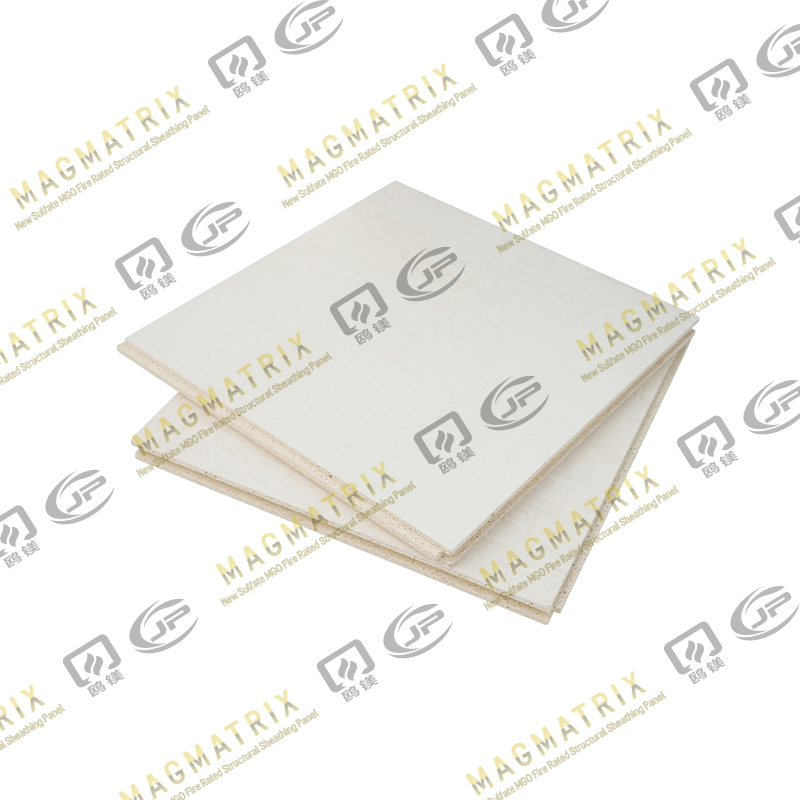
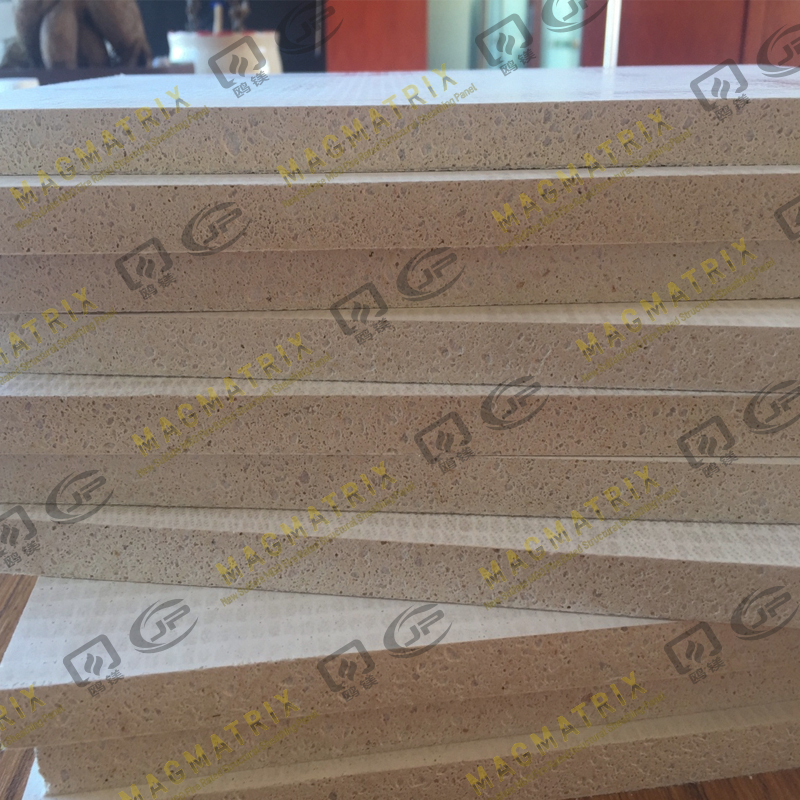 BMSC 517 New Sulfate MgO Board
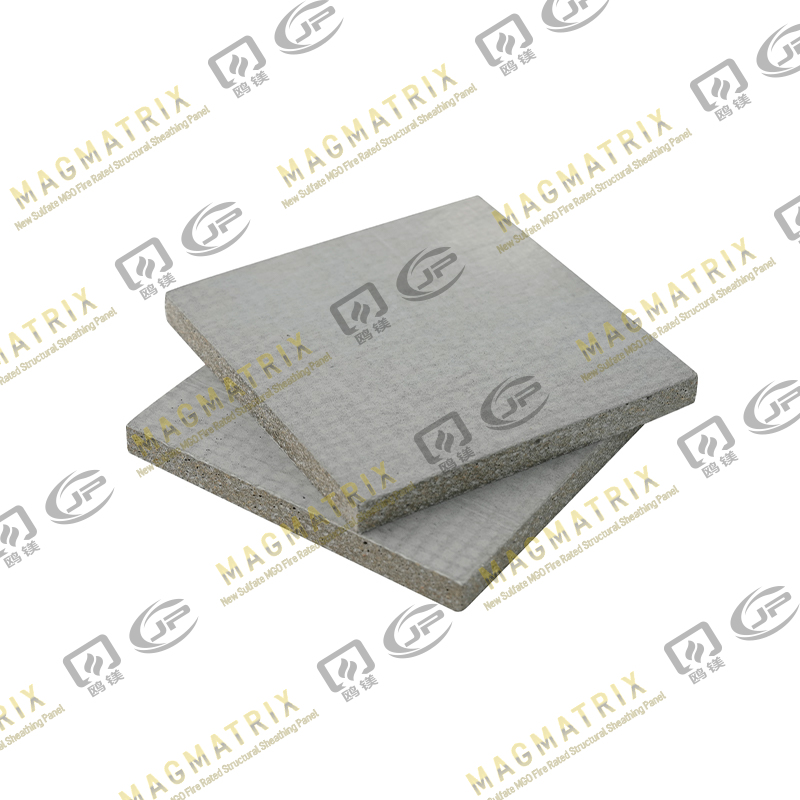 Multi-Support MgO Wall Sheathing Board
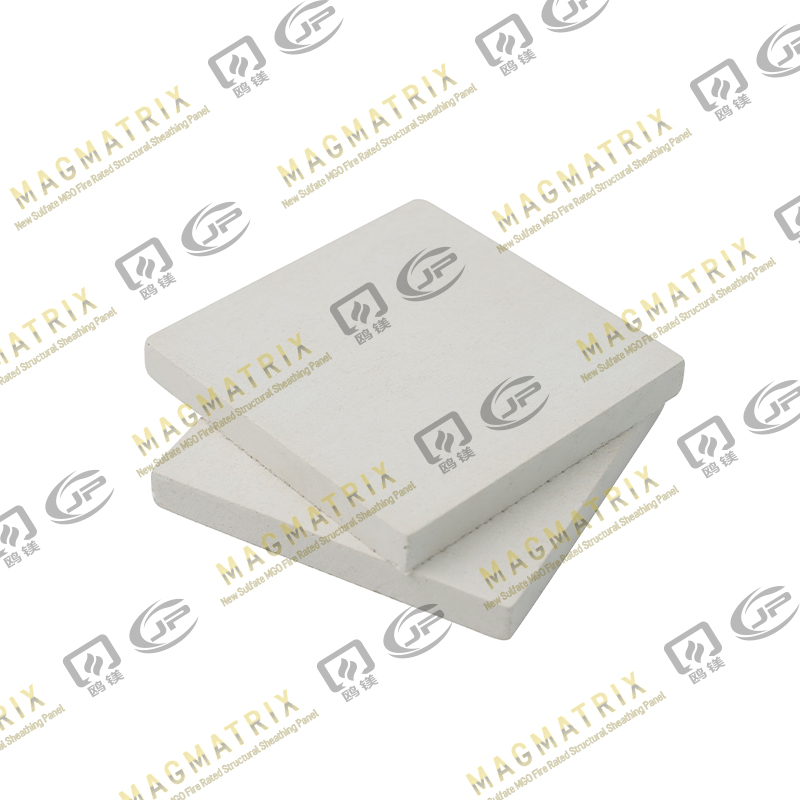 Perseverance MgO Wall Sheathing Board
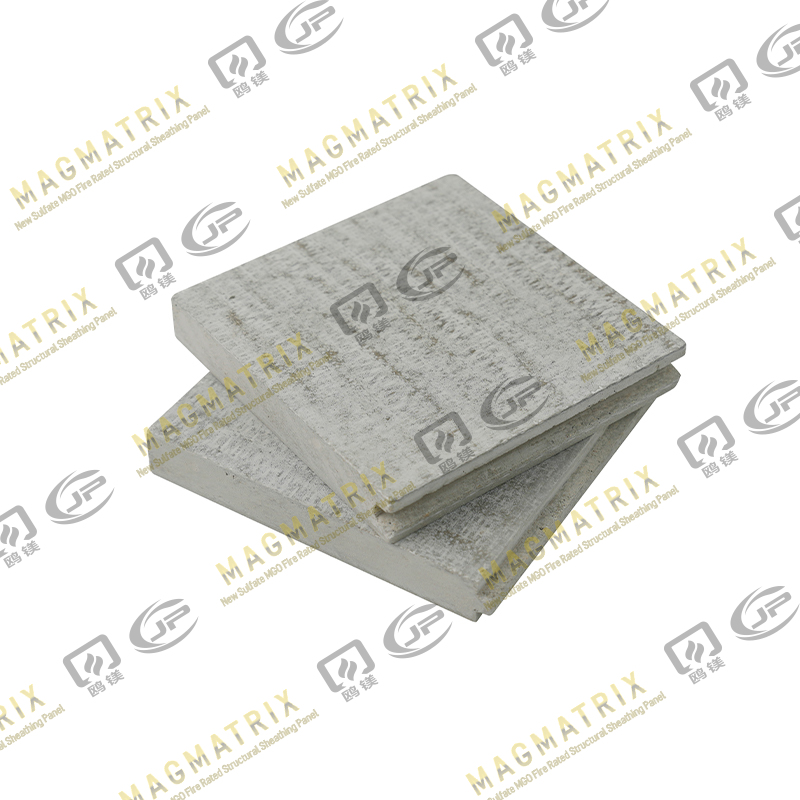 Multi-Support MgO Subfloor Sheathing Board
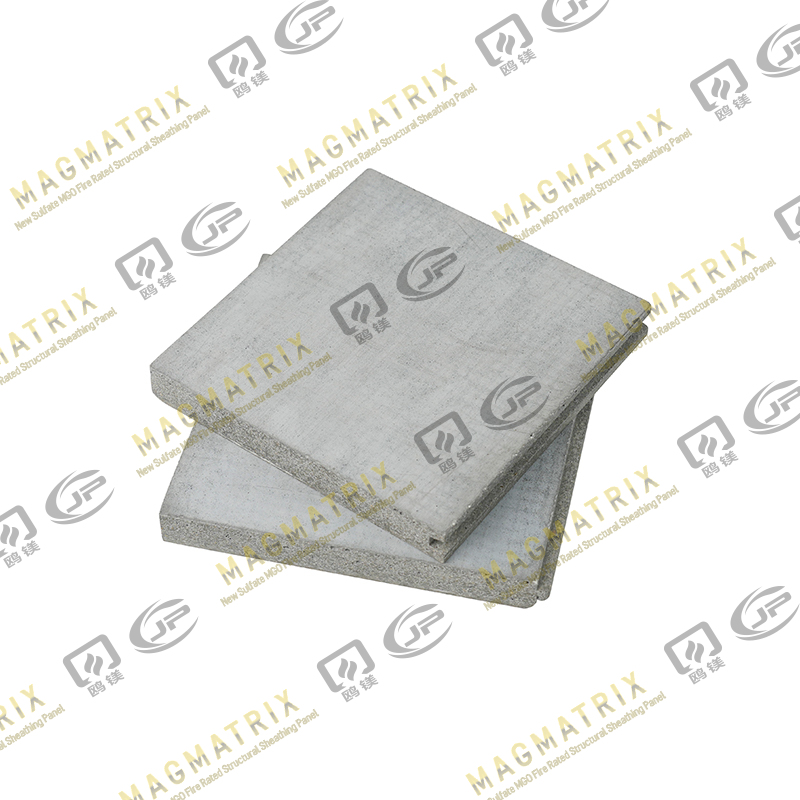 Perseverance MgO Subfloor Sheathing Board
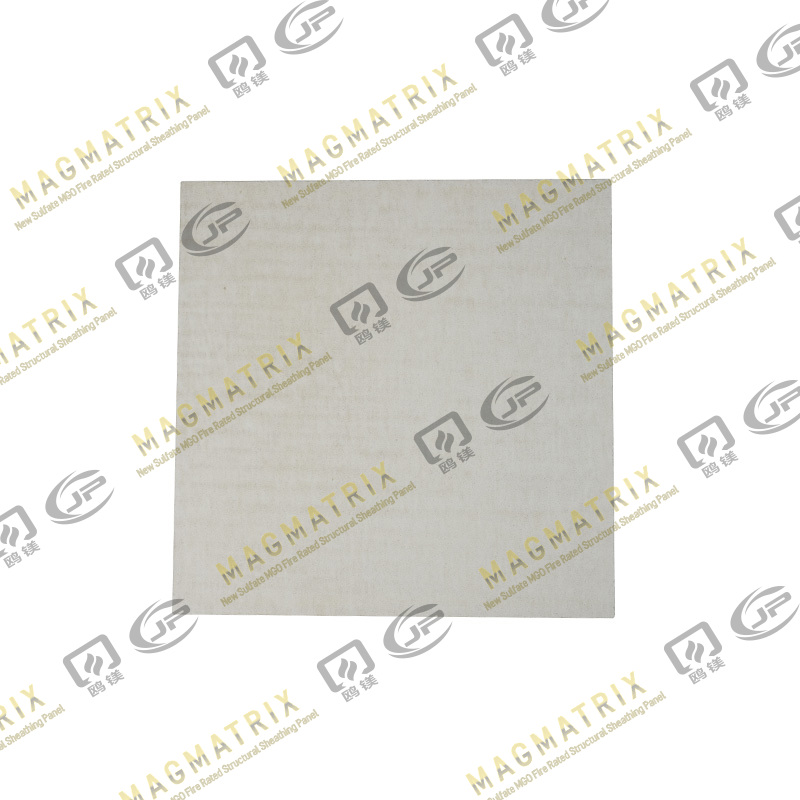 MagMatrix MgO Underlayment Panel/board