A wall sheathing panel that measures 4 feet by 8 feet covers 32 square feet. The same panel appears in a mill data sheet as 4,608 square inches. Both numbers describe one sheet of board, and the 144-to-1 relationship between them decides how many panels actually land on site.
Converting Square Inches to Square Feet: The One-Line Answer
To convert square inches to square feet, divide the square-inch figure by 144. The formula is sq ft = sq in / 144.
That divisor is not a convention someone invented for convenience. One foot equals 12 inches, and area multiplies two dimensions, so one square foot equals 12 x 12, which is 144 square inches. Divide by 12 and you get a linear figure that describes a length, not a surface.
Square foot (sq ft): an imperial unit of area equal to a square measuring one foot on each side, or exactly 144 square inches. Square inch (sq in): an imperial unit of area equal to a square measuring one inch on each side.
144square inches inside one square foot
Divide by 144to move from sq in to sq ft
Multiply by 144to move from sq ft back to sq in
Reverse conversions show up just as often in procurement. If a project schedule calls for 640 sq ft of subfloor sheathing and the mill books production in square inches, multiply 640 by 144 to reach 92,160 sq in. Getting that number wrong in either direction shifts an order by a factor of 144, which is the difference between one truckload and a warehouse full of material.
Worked Examples and a Square Inch to Square Foot Table
Every square-inch figure divides by 144 to give square feet, and the table below covers the values that appear most often in material takeoffs, from a single tile to a full 4 ft by 12 ft panel.
Square inches converted to square feet at common building material quantities.
| Square inches |
Square feet |
Typical material |
| 144 |
1.00 |
12 in by 12 in tile |
| 288 |
2.00 |
Small repair patch |
| 576 |
4.00 |
2 ft by 2 ft access panel |
| 1,152 |
8.00 |
2 ft by 4 ft offcut |
| 2,304 |
16.00 |
2 ft by 8 ft strip |
| 4,608 |
32.00 |
4 ft by 8 ft board |
| 6,912 |
48.00 |
4 ft by 12 ft board |
| 9,216 |
64.00 |
Two 4 ft by 8 ft boards |
Rounding rule: carry three decimals through the division and round only at the final step. A 500 sq in area becomes 3.472 sq ft, which is 3.47 sq ft on a purchase order.
A quick sanity check catches most errors before they reach a supplier. Square feet are always the smaller number, roughly 144 times smaller than the square-inch figure, so an answer that is close to the original value signals a division that never happened.
A Five-Step Takeoff Workflow for Board Orders
A reliable board takeoff converts units in a fixed order: measure, multiply, subtract openings, divide by 144, then divide by the panel area.
- Measure every surface in inches. Convert feet to inches first if the tape reads feet, because mixing units before multiplication is the single most common source of a 144x error.
- Multiply length by width for each rectangle. A 48 in by 96 in panel gives 4,608 sq in, and a 48 in by 120 in panel gives 5,760 sq in.
- Subtract openings in the same unit. A 36 in by 48 in window removes 1,728 sq in from a wall, not 12 sq ft, which is what measuring that opening in feet would suggest.
- Divide the net total by 144 to reach square feet, then divide by the panel area to get sheet count.
- Add waste allowance and round up. Cut-outs, damaged edges and offcuts typically consume 7 to 10 percent of the net figure.
Wall work is where these numbers travel furthest, since a single sheathing board can span several rooms and the order quantity is locked weeks before installation. Buyers who check the site's installation and fastening guidance before ordering usually catch the accessory items that a pure area calculation ignores, such as fastener spacing and joint treatment.
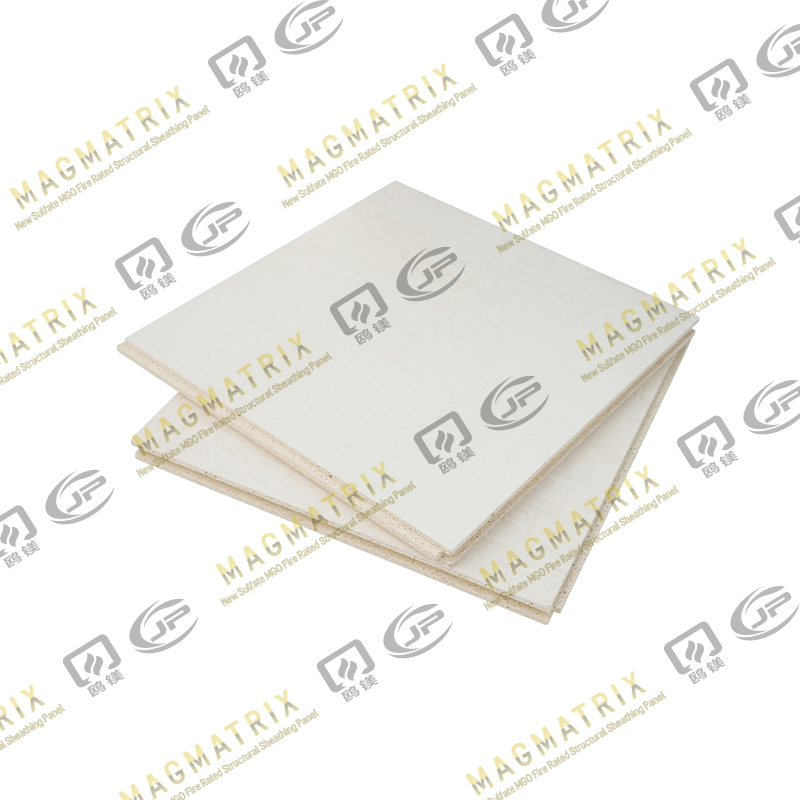
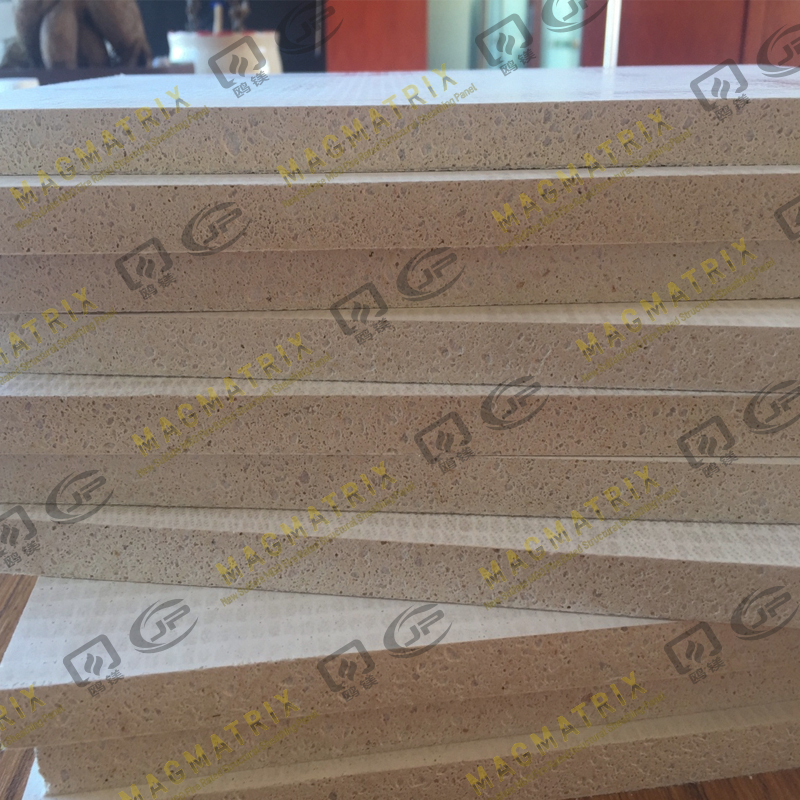
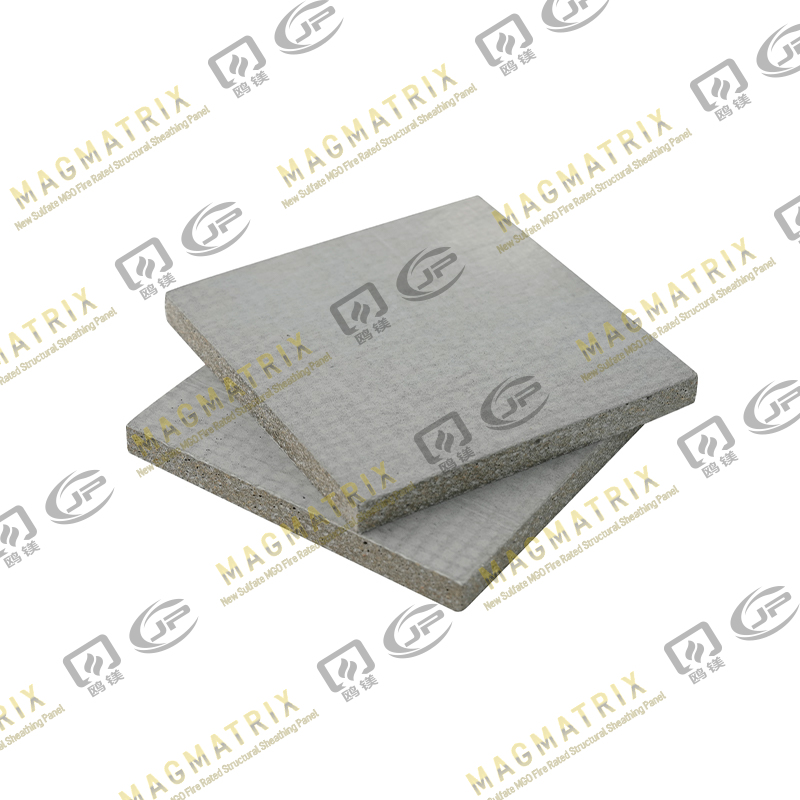
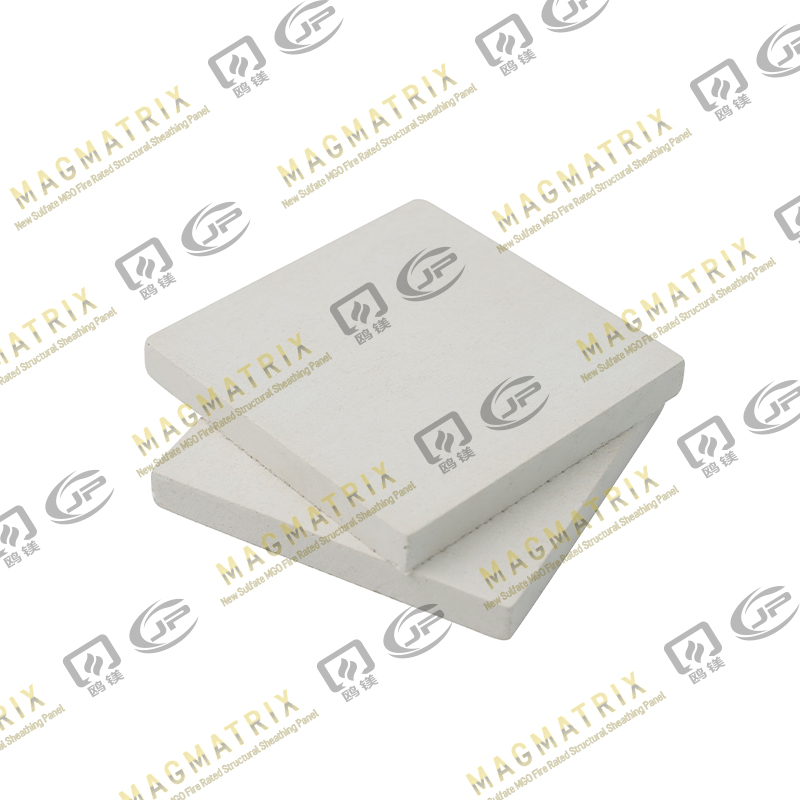
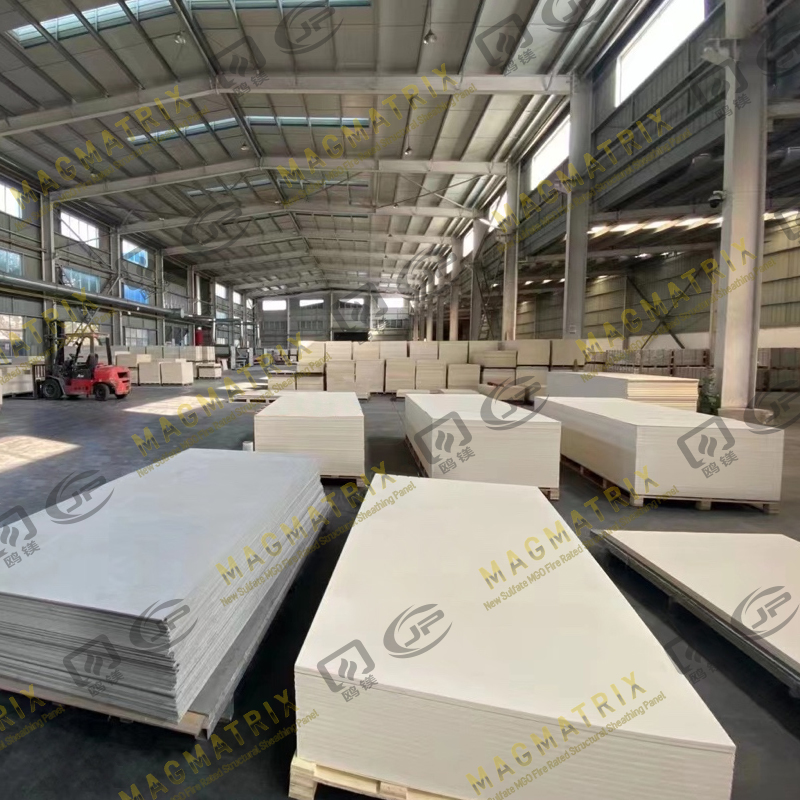 MagMatrix MgO Wall Sheathing Board for Fire-Resistant ConstructionNon-combustible magnesium oxide sheathing panel for walls, ceilings, and underlayment, positioned for moisture-prone interior and exterior building applications.View Product →
Panel Sizes Measured in Square Inches and Square Feet
A 4 ft by 8 ft board contains 4,608 square inches, which is 32 square feet, and longer panels scale that figure proportionally without changing the conversion rule.
Common board sizes converted to square inches and square feet, with sheets needed to cover 1,000 sq ft.
| Panel size |
Area (sq in) |
Area (sq ft) |
Sheets per 1,000 sq ft |
| 4 ft by 8 ft |
4,608 |
32 |
32 |
| 4 ft by 9 ft |
5,184 |
36 |
28 |
| 4 ft by 10 ft |
5,760 |
40 |
25 |
| 4 ft by 12 ft |
6,912 |
48 |
21 |
Panel area in square feet
4 x 8 ft32
4 x 9 ft36
4 x 10 ft40
4 x 12 ft48
Order math: divide the required square footage by the panel's square footage, then add 7 to 10 percent for cuts and breakage. A 1,000 sq ft wall in 4 ft by 8 ft panels needs 32 sheets plus three or four spares.
Subfloor and underlayment packages follow the same logic, but the joist layout decides how much of each sheet is usable. Longer panels reduce the number of joints, which changes the waste percentage more than it changes the unit conversion.
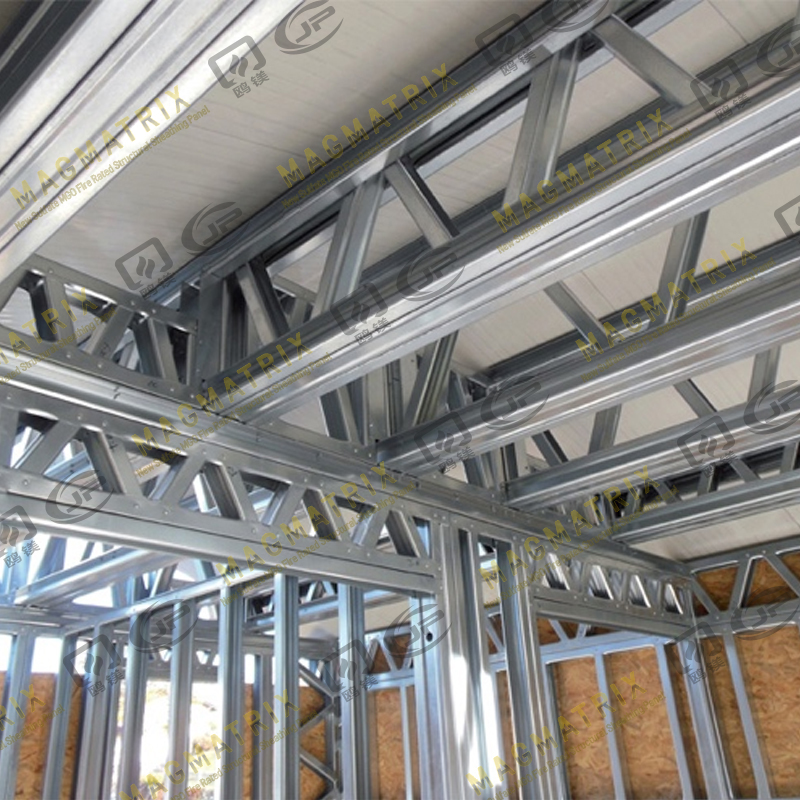 MagMatrix MgO Subfloor Sheathing Board for Flooring SystemsNon-combustible magnesium oxide subfloor panel for residential and commercial flooring, relevant when planning panel quantities, joist layout, and moisture-resistant base layers.View Product →
Where Square Inch Conversions Go Wrong
The four most expensive conversion errors all come from applying a linear rule to an area problem.
- Dividing an area by 12 instead of 144, which inflates the result twelvefold and turns a modest order into a surplus.
- Multiplying inches by feet without converting first, which produces an area figure that mixes two different measurement systems.
- Ignoring metric source data: one square meter equals 10.7639 sq ft, so a 100 sq m specification is 1,076 sq ft, not 1,000 sq ft.
- Treating thickness as part of the area calculation. Thickness affects volume and weight, never the square footage of a face.
Practical tolerance: a 4 ft by 8 ft board is nominally 32 sq ft. Manufacturing tolerances of a few millimetres on each edge rarely change the order quantity, but they do change how tightly joints close. Buy waste on area, and check edge squareness on delivery.
Thickness selection is a separate decision from area, and mixing the two leads to under- or over-specification. For floor build-ups, practical trade-offs are covered in this subfloor thickness selection guide.
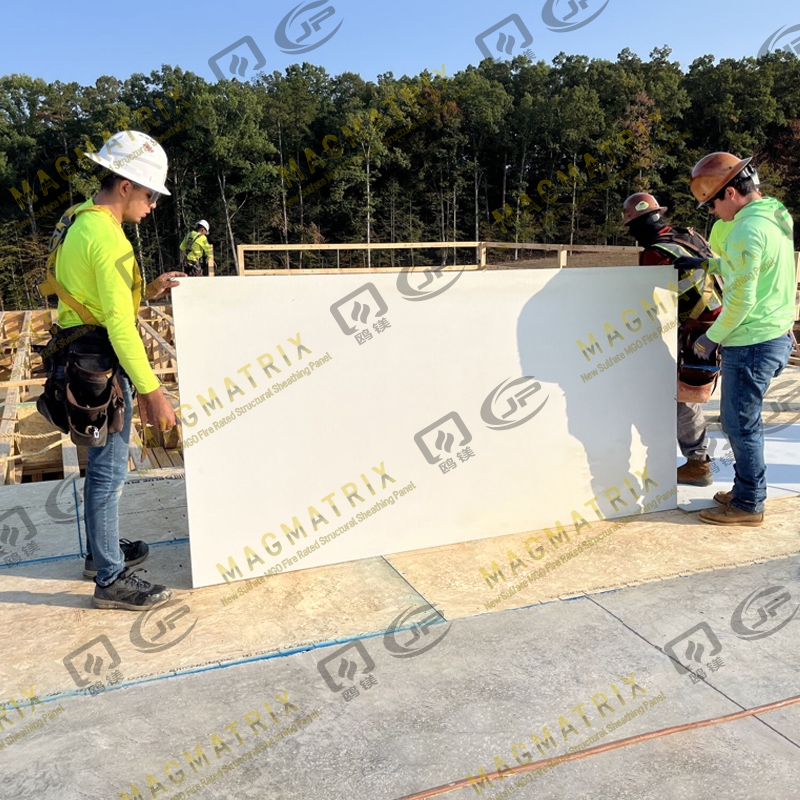 MagMatrix MgO Underlayment Panel with Integrated Mesh CoreMagnesium oxide underlayment panel for multifamily and light commercial floors, useful when comparing thickness, area, fire, and acoustic performance before installation.View Product →
Frequently Asked Questions
One number decides the whole calculation: 144. Every conversion below is that single divisor applied to a different starting figure.
There are exactly 144 square inches in one square foot. One foot is 12 inches, and area multiplies two dimensions, so 12 multiplied by 12 equals 144. Dividing any square-inch area by 144 expresses it in square feet.
How do I convert 500 square inches to square feet?
Divide 500 by 144 to get 3.4722, which rounds to 3.47 sq ft. Working backwards, 3.47 sq ft multiplied by 144 returns 499.7 sq in, close enough to recover the original figure after rounding.
Is in to sq ft the same as converting linear inches to feet?
No. Linear inches convert to feet by dividing by 12, because that measures distance. Square inches convert to square feet by dividing by 144, because that measures area. A 48 in by 96 in panel is 8 ft long, but its surface is 32 sq ft, not 8 sq ft.
How many square feet does a 4 ft by 8 ft board cover?
A 4 ft by 8 ft board covers 32 sq ft, which is 4,608 sq in. Dividing a required area of 1,000 sq ft by 32 gives 31.25 sheets, so the order rounds up to 32 sheets before any waste allowance is added.



 English
 русский
 Español
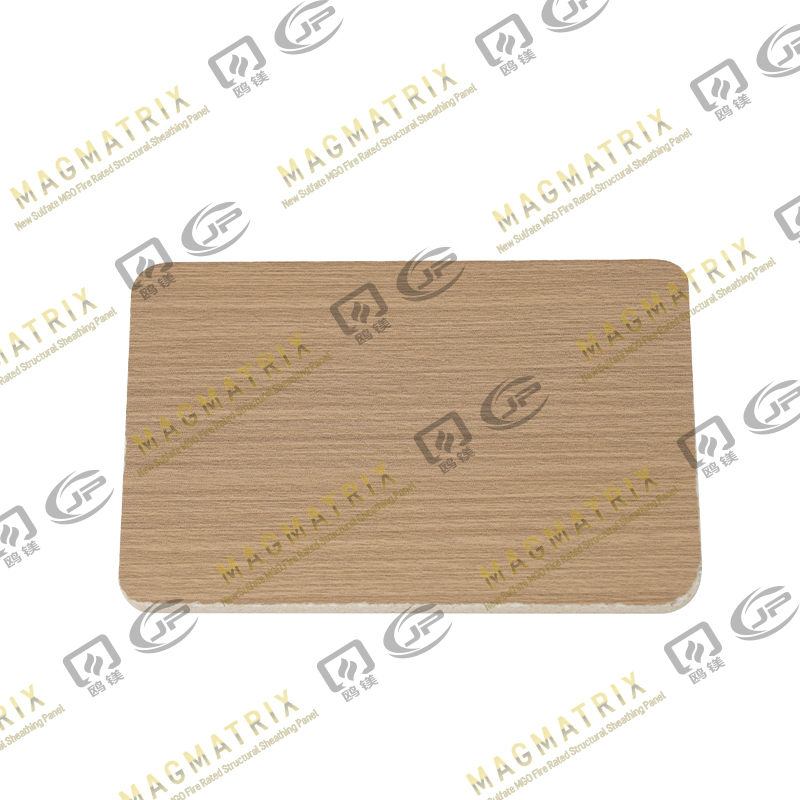
 BMSC 517 New Sulfate MgO Board
 Multi-Support MgO Wall Sheathing Board
 Perseverance MgO Wall Sheathing Board
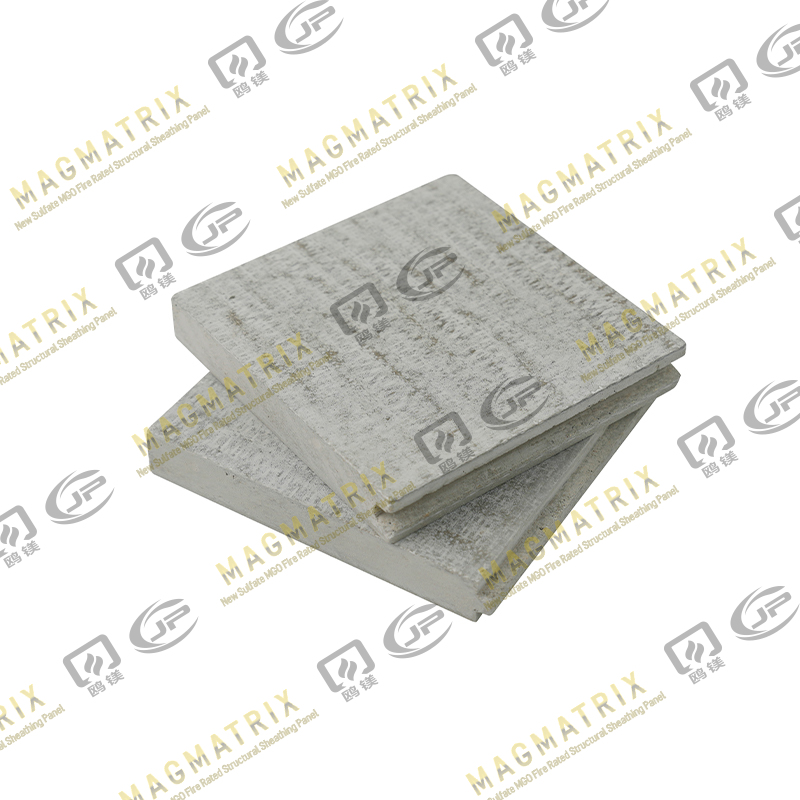 Multi-Support MgO Subfloor Sheathing Board
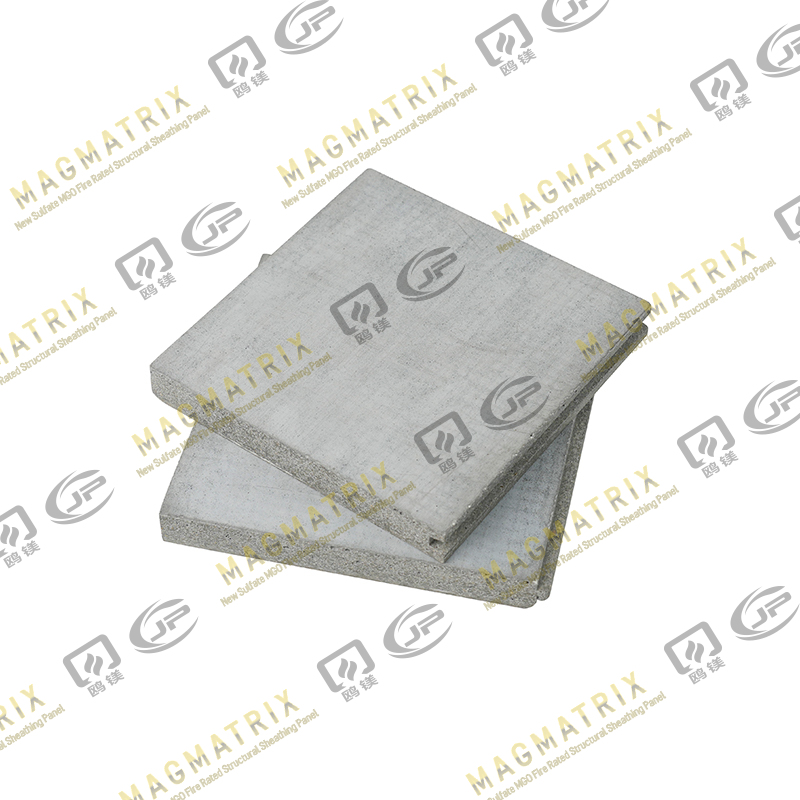 Perseverance MgO Subfloor Sheathing Board
 MagMatrix MgO Underlayment Panel/board