Indoor air problems usually announce themselves in small ways: a musty smell that returns each spring, a headache that appears in one room and not another, or condensation on window glass in January. The measurements match the symptoms. The U.S. Environmental Protection Agency has reported that concentrations of many indoor pollutants can run two to five times higher than outdoor levels, and most adults spend about 90 percent of their time indoors.
Indoor air quality (IAQ) is the condition of the air inside a building, described by the concentrations of particles, gases, moisture, and biological contaminants it contains. At home it is shaped by three things: what you bring inside, how much outdoor air moves through, and how well you control water.
Source control beats every downstream fix
Removing or sealing a pollutant source is cheaper and more effective than diluting it after it has been released.
Most indoor air problems trace back to a short list. Pressed-wood cabinets, engineered flooring, and some paints release formaldehyde for weeks after installation. Unvented gas cooking, fireplaces, candles, and incense add nitrogen dioxide and fine particles. Damp carpet, leaking roofs, and slab moisture feed mold. Radon has no smell at all and enters through foundation cracks and sumps.
Common indoor pollutant sources and the control that works best for each one.
| Pollutant |
Where it comes from |
Practical control |
| Formaldehyde and other VOCs |
Pressed-wood cabinets, engineered flooring, paints, adhesives |
Specify formaldehyde-free boards, then ventilate for two to four weeks |
| Nitrogen dioxide and fine particles |
Unvented gas cooking, fireplaces, candles, incense |
Exhaust to the outdoors, cook with induction where possible |
| Mold spores and musty odors |
Bathrooms, basements, leaking roofs, damp subfloors |
Fix the leak, run exhaust fans, hold humidity under 50 percent |
| Radon |
Soil gas entering through foundation cracks and sumps |
Test on a schedule and mitigate at 4 pCi/L |
| Dust mites and pet dander |
Carpet, bedding, upholstered furniture |
Vacuum with a HEPA filter weekly and wash bedding in hot water |
A sealed source stops emitting around the clock; an air cleaner only processes the air that reaches it.
Ventilate on a schedule, not by mood
Ventilation dilutes whatever you cannot remove, and the practical daily minimum is ten minutes of cross-flow plus local exhaust at every combustion and moisture source.
2 to 5x typical indoor pollutant levels compared with outdoor air, per EPA reporting
10 min minimum daily cross-ventilation through two openings on opposite sides
20 min how long a bathroom exhaust fan should keep running after a shower
- Open windows on two sides of the home for at least ten minutes a day, winter included.
- Run a range hood vented to the outdoors whenever you cook, and keep its filter clean.
- Run bathroom fans during showers and for about twenty minutes afterward.
- Keep interior doors open so air can reach returns instead of stalling in one room.
- If the home has a heat recovery ventilator, verify its airflow against ASHRAE 62.2.
Air follows pressure paths, not rooms. One open window with every door closed mostly stirs the same air.
Hold indoor humidity between 30 and 50 percent
Keeping indoor relative humidity between 30 and 50 percent is the most effective mold and dust mite control available in a house.
Below 30 percent, airways dry out and wood floors gap. Above 60 percent, dust mites multiply and mold colonizes paper facing, framing, and carpet padding. A cheap hygrometer shows which side of the line you are on; measure in the middle of a room, not beside a bathroom door.
Signs moisture is winning
- Condensation on windows or cold pipes in winter
- A musty basement smell that fades when the furnace runs
- Curling flooring seams or soft spots near a shower
Fixes in order of payback
- Repair the leak or correct grading before buying a dehumidifier
- Add exhaust fans sized for the room volume
- Cover a damp slab with an inorganic, moisture-tolerant board
Target band: 30 to 50 percent relative humidity. Under 30 is dry air; over 60 is mold weather.
Floors belong to the same plan. The MgO underlayment panel in Jinpeng's range is an inorganic board designed to sit under finish flooring in basements and slab-on-grade rooms.
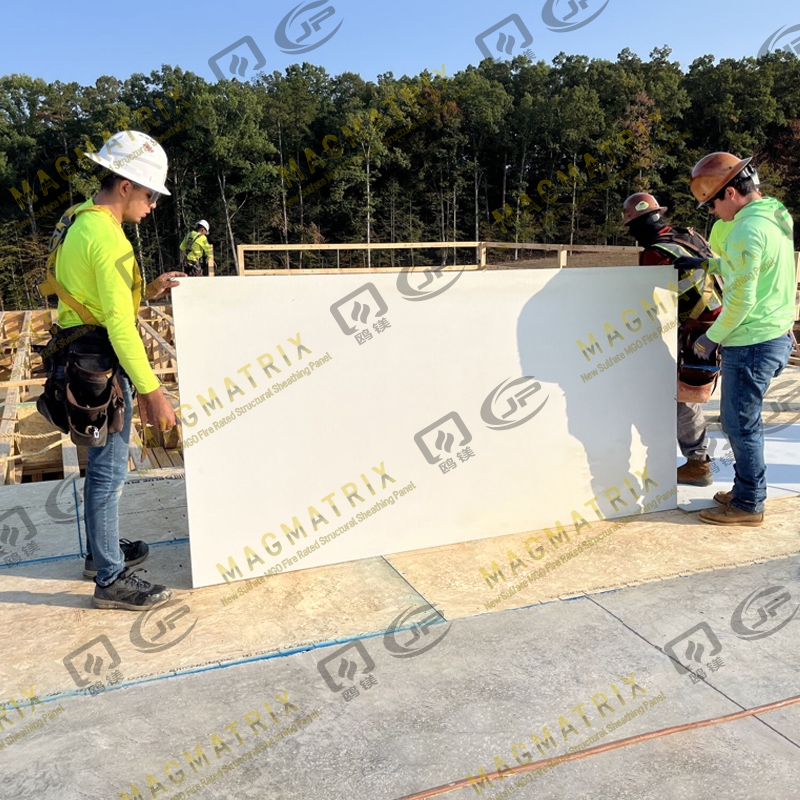 MagMatrix MgO Underlayment Panel for Flooring SystemsAn inorganic underlayment for basements and slab-on-grade rooms, supporting carpet, vinyl, tile, or wood while addressing fire, sound, and moisture concerns.View Product →
Filtration removes particles, not gases
A filter or purifier removes airborne particles, but it will not remove formaldehyde, radon, or combustion gases while the source is still in the room.
That difference decides what to buy. In a central system, a MERV 13 filter captures most fine particles, though a higher rating also raises pressure drop and older blowers can lose airflow. For a single room, a portable unit with a HEPA filter is the practical choice. Skip ozone generators; ozone is a lung irritant, not a cleaner.
MERV 8 75% at 3-10 micron
MERV 13 85% at 1-3 micron
HEPA H13 99.95% at 0.3 micron
Approximate capture efficiency by filter class. Each class is rated at a different particle size, so the bars show capability rather than a like-for-like ranking.
Sizing rule: choose a purifier whose clean air delivery rate in cfm is at least two thirds of the room area in square feet.
- Run the unit continuously with the door closed; a purifier in an open doorway is mostly decoration.
- Change filters on schedule or on pressure drop, not when they look dirty.
- Treat filtration as the last step, never the first.
Specify boards that do not off-gas
In a renovation, the boards behind the walls and under the floor set the ceiling on how clean the air can be, because composite wood and some facings are the largest ongoing indoor VOC sources.
Gypsum wallboard is mostly gypsum and generally low emitting, but it is moisture sensitive: when it stays wet, its paper facing feeds mold. Plywood and OSB sheathing rely on formaldehyde-based resins, which is why new sheathing can raise indoor formaldehyde for months. Magnesium oxide boards take a different route, using a magnesium-based inorganic binder and a fiberglass mesh face rather than paper, so there is no urea-formaldehyde resin to release.
Wall and sheathing materials compared on the emissions and moisture questions that matter indoors.
| Material |
Binder chemistry |
Formaldehyde risk |
Moisture and fire behavior |
| Gypsum wallboard |
Gypsum core with paper facing |
Low in the board itself |
Paper feeds mold when wet; fire performance depends on the assembly |
| Plywood and OSB sheathing |
Formaldehyde-based resins |
Highest of the three, peaks in new construction |
Swelling and delamination under moisture; combustible |
| Magnesium oxide boards |
Inorganic magnesium binder with fiberglass mesh |
No urea-formaldehyde resin to release |
Stable in damp service; non-combustible grades tested to ASTM E136 |
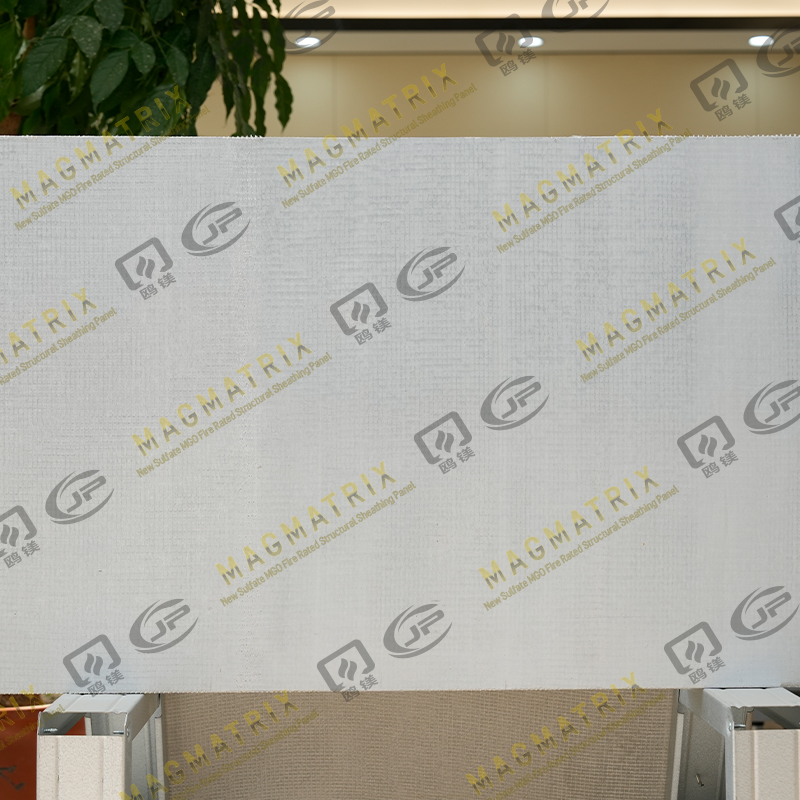 Multi-Support MgO Wall Sheathing for Fire-Rated Structural WallsDesigned for wood-frame, modular, and SIP construction, this inorganic sheathing provides a formaldehyde-free, fire-rated alternative to gypsum, plywood, or OSB while supporting 1–2 hour assemblies.View Product →
Verification matters as much as chemistry. Jinpeng publishes third-party reports covering ASTM E136 non-combustibility, ASTM E84 surface burning, ASTM E119 two-hour wall assemblies, and a 219-substance SVHC screening. The same question applies one layer down, and this assessment of whether MgO underlayment boards are safe for indoor air quality covers the flooring case.
Inorganic binders remove one class of emissions. They do not remove the paint, adhesive, or sealant you apply on top of them.
Sequence the finishing work to cut peak exposure
Paint, adhesive, and sealant emissions peak in the first 72 hours, so the order of work matters as much as the products you choose.
- Finish the wet trades and let them dry before cabinetry or flooring can soak up that moisture.
- Choose low-VOC or zero-VOC paints and water-based adhesives, and seal the cut edges of any composite panel.
- Isolate the work zone with sheeting and keep exhaust running while the work is in progress.
- Flush the space with continuous ventilation for 48 to 72 hours after the last coat, then again for a day before you move back in.
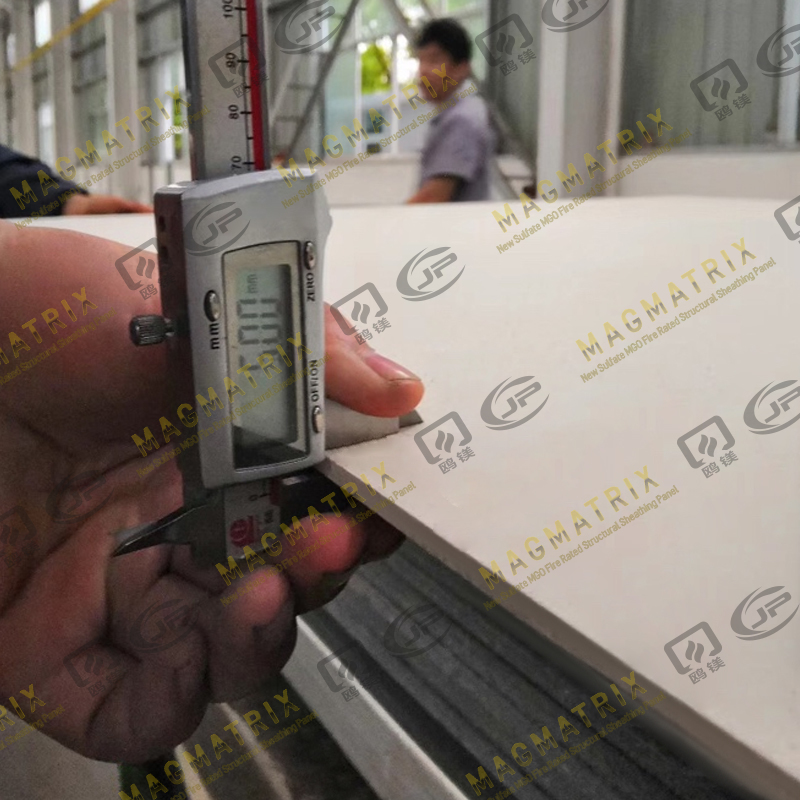 OuMei MgO Backer Board for Decorative LaminationAn inorganic substrate for wood veneer, HPL, vinyl, or decorative films, giving laminated interior walls and cabinetry a fire-resistant, moisture-resistant, formaldehyde-free base.View Product →
Decorative walls are the last layer and often the one people touch and smell. For laminated finishes the board underneath matters: an MgO backer board for fire retardant decorative lamination is inorganic and adds no formaldehyde-based core behind the finish.
Peak exposure happens in the first three days. Schedule the flush-out before the furniture comes back, not after.
Test and monitor so you know what you fixed
Testing turns a vague complaint into a specific work order, and different instruments answer different questions.
- Radon: a short-term test kit is inexpensive, and the action level is 4 pCi/L.
- Carbon monoxide: fit an alarm on every level and near sleeping areas.
- Particles: a low-cost PM2.5 monitor shows what cooking, candles, and vacuuming do in real time.
- Board products: ask to see third-party test certificates before you specify them.
Action levels worth remembering: radon at 4 pCi/L, relative humidity between 30 and 50 percent, and a CO alarm on every level of the home.
Frequently asked questions
How quickly can indoor air quality improve at home?
Some fixes work in minutes: opening two windows or switching on a range hood changes a kitchen within a few minutes. Source fixes take longer, and new paint, adhesives, and composite wood keep emitting for weeks, so plan on two to four weeks of ventilation after a renovation.
Do indoor plants clean the air?
Not at any realistic density. The widely quoted studies that showed VOC removal used sealed chambers with very high plant counts per unit of volume. In a normal room, ventilation and filtration move far more air than a shelf of plants, although plants are harmless and pleasant.
Is a HEPA purifier enough on its own?
No. A purifier supplements source control and ventilation. It helps most with particles such as smoke, pollen, and cooking aerosol, and does almost nothing about formaldehyde, radon, or carbon monoxide still being produced in the room.
Should I run a dehumidifier in the basement?
Only after the water source is fixed. If a leak, a blocked downspout, or poor grading feeds the slab, a dehumidifier will run forever and the mold will keep coming back. Fix the water path first, then hold the space between 30 and 50 percent relative humidity.



 English
 русский
 Español
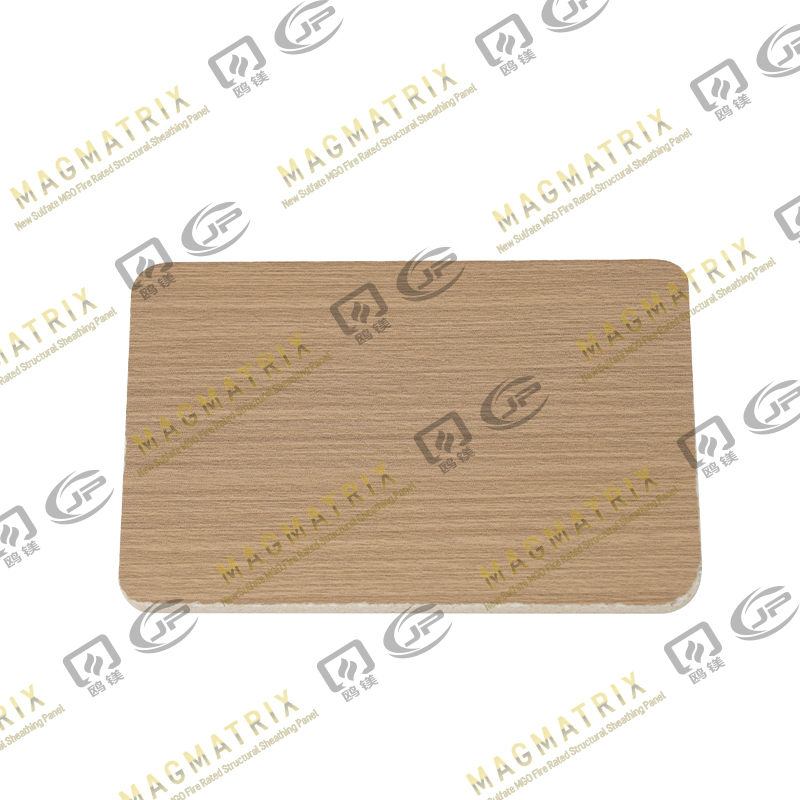
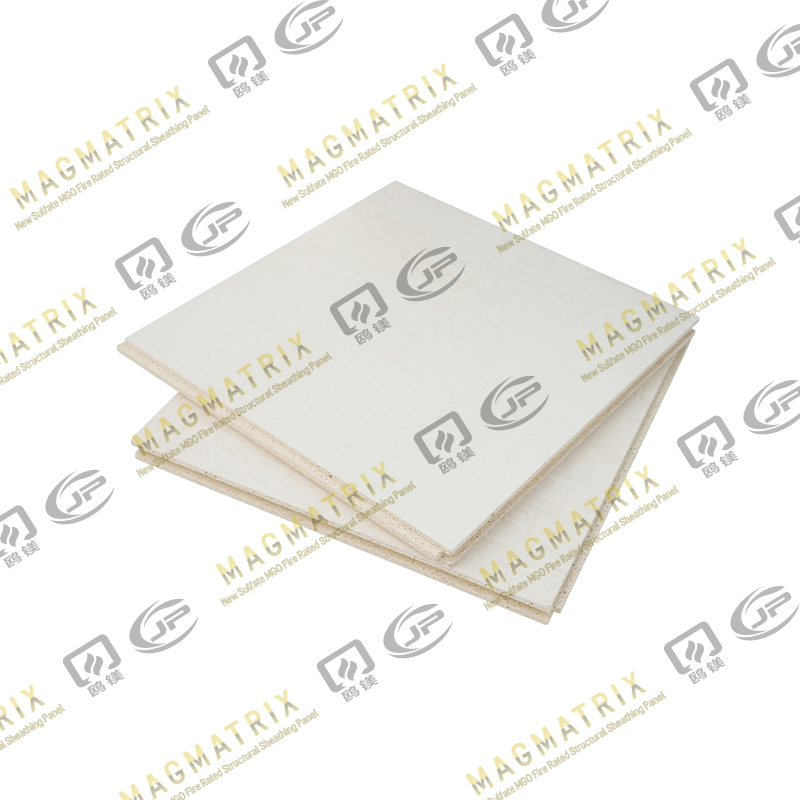
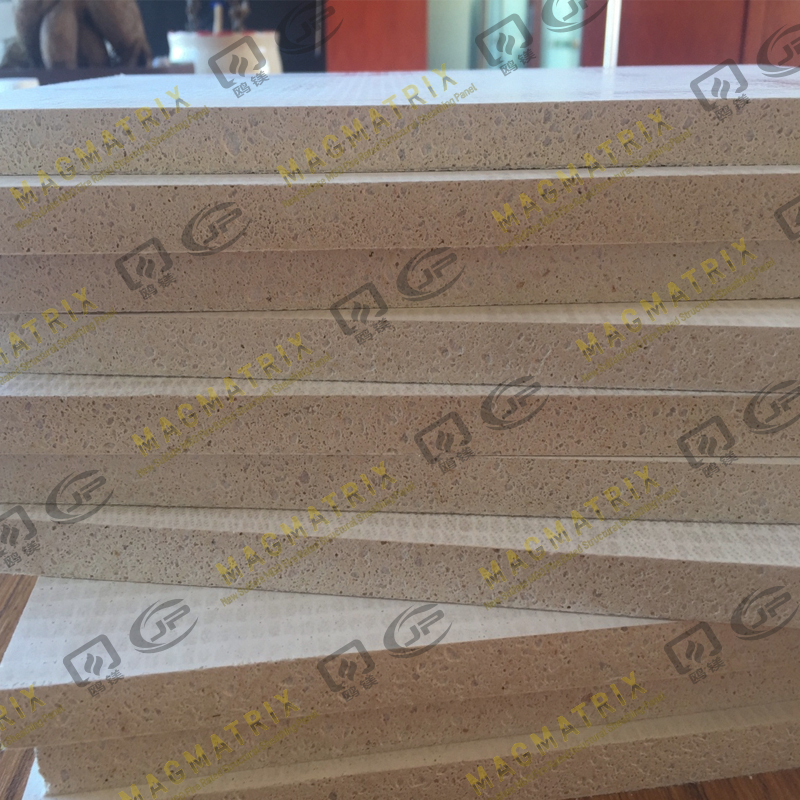 BMSC 517 New Sulfate MgO Board
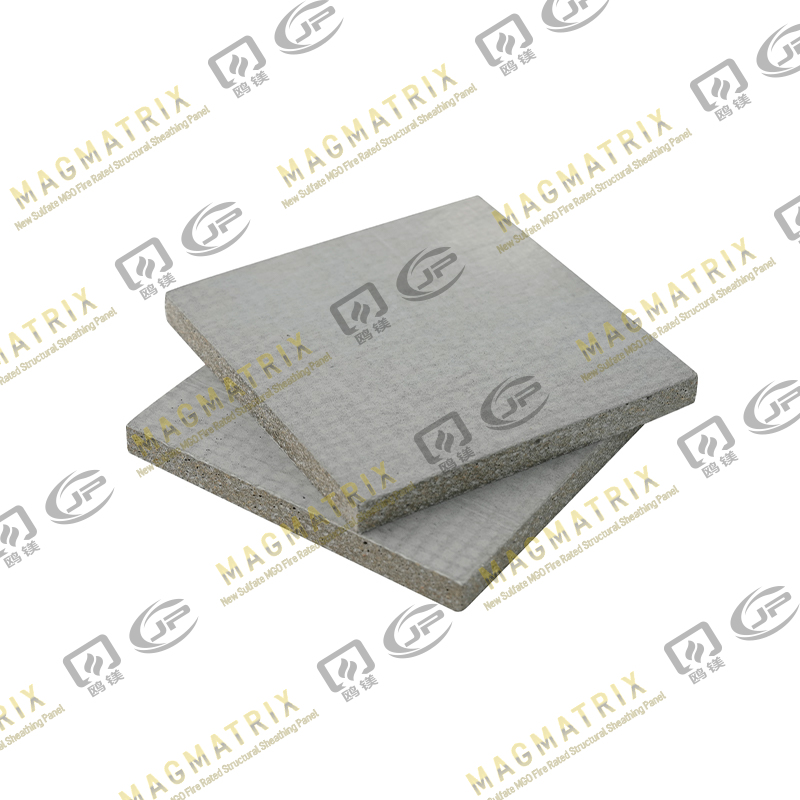 Multi-Support MgO Wall Sheathing Board
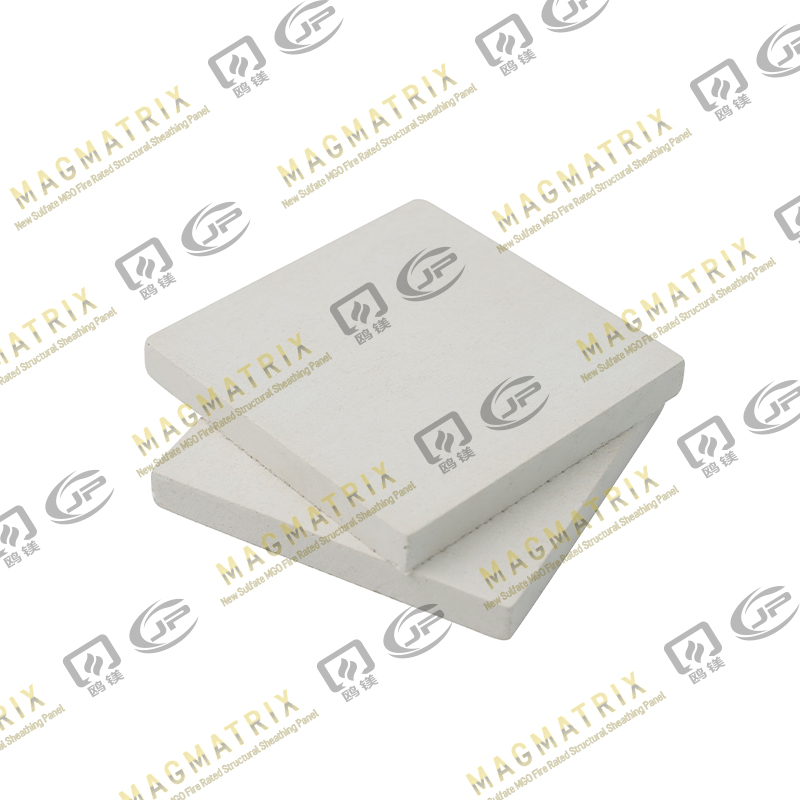 Perseverance MgO Wall Sheathing Board
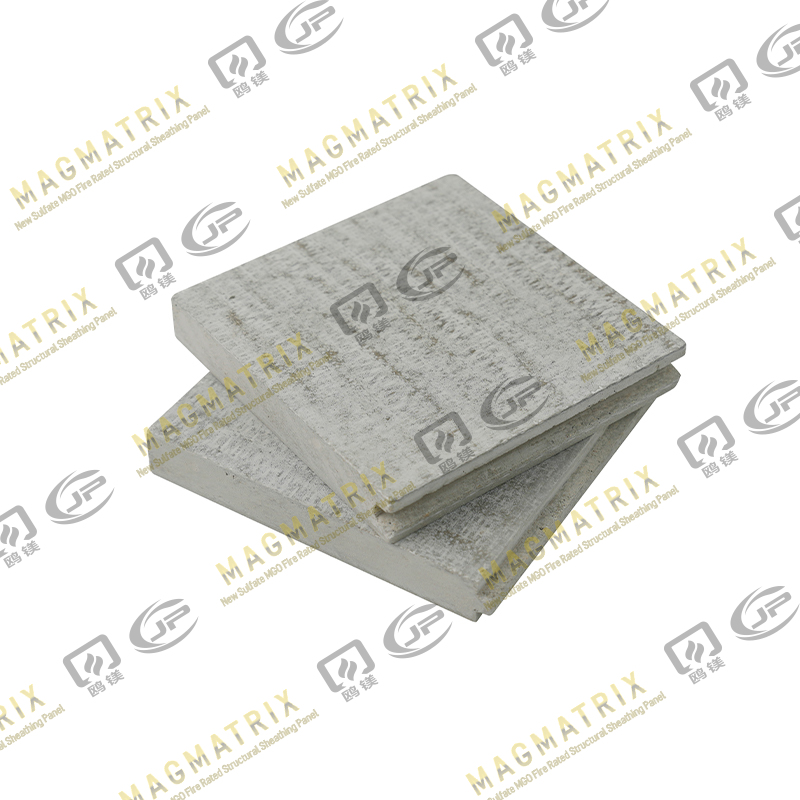 Multi-Support MgO Subfloor Sheathing Board
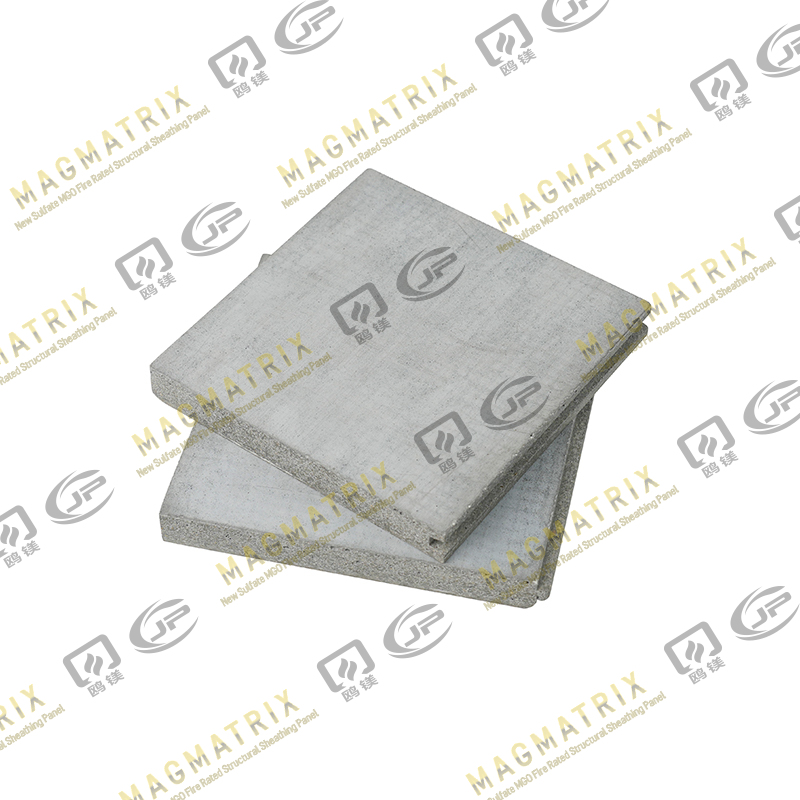 Perseverance MgO Subfloor Sheathing Board
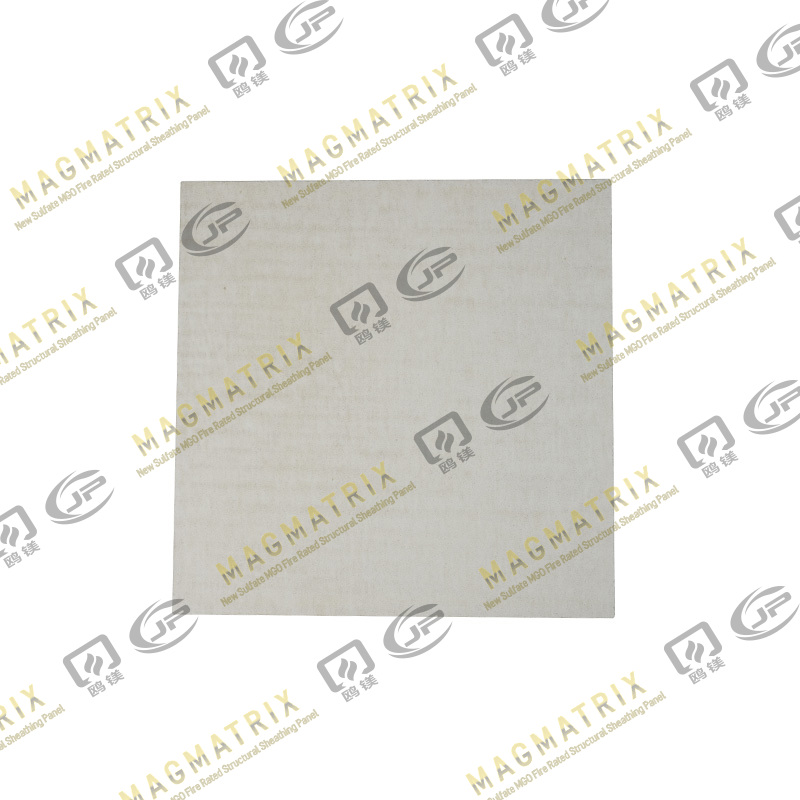 MagMatrix MgO Underlayment Panel/board