MgO panels have become one of the most trusted building materials in modern construction — prized for their fire resistance, moisture stability, and long-term durability. But even the highest-quality magnesium oxide panel will underperform if it is not installed correctly or maintained properly. This guide covers the complete set of best practices for MgO panel installation and maintenance, helping builders, contractors, and project owners extract maximum value from every sheet.
Pre-Installation Preparation: The Foundation of Long-Term Performance
Performance problems with MgO panels almost always trace back to what happened before the first screw was driven. Proper preparation eliminates the most common failure points before they occur.
Acclimatization is the first non-negotiable step. Store MgO boards flat on a well-supported, level surface off the ground in a dry, well-ventilated area for at least 48 to 72 hours before installation. This allows the panels to adjust to the ambient temperature and humidity of the installation environment, minimizing post-installation movement. Boards laid on uneven surfaces will exhibit creep over time and conform to irregularities — so the storage surface matters as much as the duration.
Before any boards are positioned, inspect the substrate and framing. Any moisture damage, existing mold, or pest activity must be addressed. Compromised joists or studs should be sistered or replaced entirely. MgO panels are dimensionally stable, but they cannot compensate for a structurally weak base.
Verify that the framing is plumb, level, and within tolerance. MgO panels are rigid — unlike gypsum, they will not flex to accommodate out-of-plane framing. Any deviation in the substrate will telegraph to the finished surface.
Cutting MgO Panels: Tools and Techniques
Cutting technique directly affects edge quality, joint fit, and the overall finish of the installation. MgO is significantly harder than gypsum and most wood-based panels, so tool selection is important.
Use carbide-tipped saw blades or scoring tools for all cuts. A circular saw equipped with a carbide blade delivers clean, square edges that reduce the need for remedial joint finishing. Scoring tools work well for thinner boards: score firmly along a marked line, then snap the panel cleanly. For curved or irregular shapes, the score-and-snap method can be adapted with a template guide. Avoid standard steel blades — they dull quickly and produce ragged edges that compromise joint integrity.
Always measure and mark carefully before cutting. Wasted cuts are difficult to reverse, and clean joints are far easier to achieve with precise initial sizing. Wear a dust mask when cutting; MgO dust, while non-toxic, is fine and should not be inhaled in quantity.
Fastening Systems: Getting the Mechanical Connection Right
Free-floating installation — laying panels without fastening them to the structure — is not a recommended or supported method. Without proper fastening, panels can shift, separate at seams, and telegraph unevenness to the finished surface above, creating performance failures over time.
Fastener material selection is critical. MgO panels, particularly those formulated with magnesium chloride, can contain chlorides that become corrosive to metals in the presence of moisture. Standard galvanized steel screws are vulnerable — soft galvanized coatings can erode when in contact with MgCl. For wet or exterior environments, use stainless steel screws (grades 304, 305, or 316) or epoxy/ceramic-coated fasteners over a zinc-rich base layer. In interior, dry locations, phosphate-coated fasteners may be acceptable.
Screw spacing should follow the manufacturer's specification, but a common baseline for subfloor and wall applications is approximately 6 inches along edges and 8 inches in the field. For subfloor panels specifically, 18mm thickness is the standard choice for adequate stiffness and load-bearing capacity at typical joist spacings.
When attaching to cold-formed steel framing, maintain a 1/16-inch gap between boards. For wood framing, a 1/8-inch gap is standard. These expansion gaps are not optional — MgO panels experience minor hydrothermal movement during curing and with seasonal humidity changes, and the gap prevents edge buckling or cracking at joints.
If using MgO as sheathing over galvanized steel framing, install a barrier between the board and the framing to eliminate direct contact and reduce the risk of any chloride-related reactions at the interface.
Joint Treatment and Surface Finishing
Joint quality determines the final appearance and the weather-resistance of the installation. MgO boards offer more finishing flexibility than gypsum, but the approach differs depending on the application.
For interior walls and partitions, close-fitting joints can be finished without tape, corner bead, or mud if the panel edges are cut accurately and installed tightly. Inside corners can be finished with a small bead of appropriate caulk; outside corners can be formed with butt joints that are sanded or routed smooth — these finished corners are harder and stronger than metal-beaded gypsum corners. Where panels cannot be joined directly on a stud, small pieces of MgO board used as backers allow panel-to-panel connections without tying back to framing, saving time and material.
For subfloor applications where resilient flooring — luxury vinyl plank, bamboo, or linoleum — will be installed over the panels, fill all joints with a polyurea or modified epoxy seam filler, then shave or sand until flush. This prevents joint lines from "telegraphing" through to the wear surface above.
Where panels are used as tile backer boards in wet areas, treat joints with fiberglass mesh tape plus thin-set mortar, or a flexible waterproof joint tape, before tiling. This seals the seam against water ingress at the most vulnerable point of the assembly.
For exterior or semi-exposed applications, joints should be filled with a backer rod and appropriate flexible caulking. This accommodates minor movement while keeping the assembly weathertight. Do not use rigid fillers in exterior joint applications — they will crack as the building moves.
Moisture Management: The Most Important Long-Term Consideration
MgO panels are highly resistant to short-term wetting and drying cycles — quality boards can survive dozens of such cycles with minimal strength loss. However, magnesium oxide cement is affected by long-term saturation, which can initiate ongoing chemical reactions that gradually reduce structural strength. This distinction — moisture-resistant, but not waterproof — is the single most important concept for long-term maintenance planning.
Protection from sustained saturation is mandatory. In exterior applications, MgO panels should be covered by a weather-resistive barrier (WRB) or cladding system within the manufacturer's specified exposure window (typically up to 180 days for quality sulfate-based boards). Flashings, membranes, and coatings must be correctly detailed at all penetrations, transitions, and edge conditions.
Magnesium sulfate-based (MOS) MgO boards absorb significantly less moisture than magnesium chloride-based (MOC) boards at high relative humidity — a difference that becomes critical in coastal, tropical, or high-humidity climates. Specifying MOS formulations for moisture-prone environments is a key design decision that pays dividends over the building's lifetime.
Keep the installation environment dry and well-ventilated throughout construction and after occupancy. Proper ventilation reduces ambient humidity, limits condensation risk, and helps the panels maintain their designed performance characteristics. In crawl spaces or subfloor applications exposed to ground moisture, install a 6-mil polyethylene vapor barrier on the ground surface before laying MgO panels above.
Routine Maintenance for MgO Panel Systems
One of the most practical advantages of MgO panels is their low maintenance requirement compared to wood-based or gypsum systems. A straightforward inspection and cleaning routine is sufficient to preserve long-term performance.
Annual visual inspections should examine all panel surfaces, joints, and edges for signs of physical damage, cracks, or moisture infiltration. Early detection prevents minor issues from developing into significant structural problems. Pay particular attention to joint sealants and caulking — flexible sealants have a finite service life and may need periodic replacement, especially in exterior or semi-exposed assemblies.
Cleaning MgO panels is straightforward. Sweep or vacuum surfaces to remove dust and debris. Wipe spills immediately to prevent staining. For deeper cleaning, use a damp cloth with mild soap. Avoid excessive water or prolonged saturation during cleaning — while the boards can handle brief moisture exposure, repeated soaking of the surface during cleaning is unnecessary and inadvisable for long-term preservation.
Inspect fasteners periodically, particularly in exterior or high-humidity applications. If any fastener corrosion is detected, replace affected fasteners with correctly specified stainless or coated alternatives before corrosion spreads or structural connections are weakened.
Check the condition of any applied coatings, paints, or plaster finishes. MgO boards accept paint, plaster, stucco, and wallpaper well, but surface coatings provide an additional layer of protection. Recoating on the manufacturer's recommended cycle maintains this protective layer and preserves aesthetic quality.
Common Installation Mistakes and How to Avoid Them
Even experienced contractors encounter problems with MgO panels when habits from gypsum or wood-panel installation are carried over without adjustment. The following are the most frequently observed issues and their solutions.
Using incorrect fasteners. Standard coarse-thread drywall screws are not appropriate for MgO installation in all environments. Specify corrosion-resistant fasteners from the outset — this is not an area where cost savings translate to acceptable risk.
Omitting expansion gaps. Panels installed edge-to-edge without the specified gap will experience stress at joints during thermal or humidity cycling, potentially leading to edge cracking. Always maintain the manufacturer-specified gap between sheets.
Skipping acclimatization. Boards installed without adequate acclimatization time may move after fastening, creating uneven joints or stress concentrations. The 48–72 hour acclimatization window should be treated as a minimum, not a suggestion.
Inadequate protection from saturation. Leaving panels exposed to rain without WRB or cladding beyond the approved exposure window — or relying on the board's moisture resistance as a substitute for proper waterproofing detailing — is the leading cause of long-term MgO panel failures. Protective systems must be detailed and installed correctly.
Using the wrong board formulation for the environment. Not all MgO panels are equivalent. In high-humidity or coastal environments, magnesium sulfate (MOS) formulations significantly outperform magnesium chloride (MOC) boards. Confirm the board chemistry before specifying for challenging climates.
Thickness Selection Guide by Application
Recommended MgO panel thickness by application type
| Application |
Recommended Thickness |
Key Requirement |
| Interior wall cladding |
10–12 mm |
Fire rating, smooth finish surface |
| Exterior sheathing |
12–15 mm |
WRB integration, corrosion-resistant fasteners |
| Subfloor underlayment |
18 mm (3/4 in) |
Load-bearing capacity, staggered joints, expansion gap |
| Tile backer (wet areas) |
12 mm |
Mesh tape + thin-set joint treatment |
| Ceiling panels (steel T-bar) |
8–10 mm |
Weight reduction, fire protection |
| Fire-rated wall assembly |
15 mm |
Code-compliant assembly design, impact resistance |
Conclusion
MgO panels deliver exceptional long-term performance — but only when installation and maintenance follow the practices the material actually requires. Proper storage, correct fastener selection, disciplined moisture management, accurate cutting, and routine inspection are not optional refinements. They are the core practices that determine whether a project benefits from two decades of stable, low-maintenance performance or encounters avoidable problems within the first few years.
For projects requiring panels that combine fire resistance, dimensional stability, and long service life across demanding environments, MgO panel systems from Jinpeng Group are formulated with magnesium sulfate chemistry for superior moisture performance. Explore our full technical resource library for additional installation guidance specific to each product line.



 English
 русский
 Español
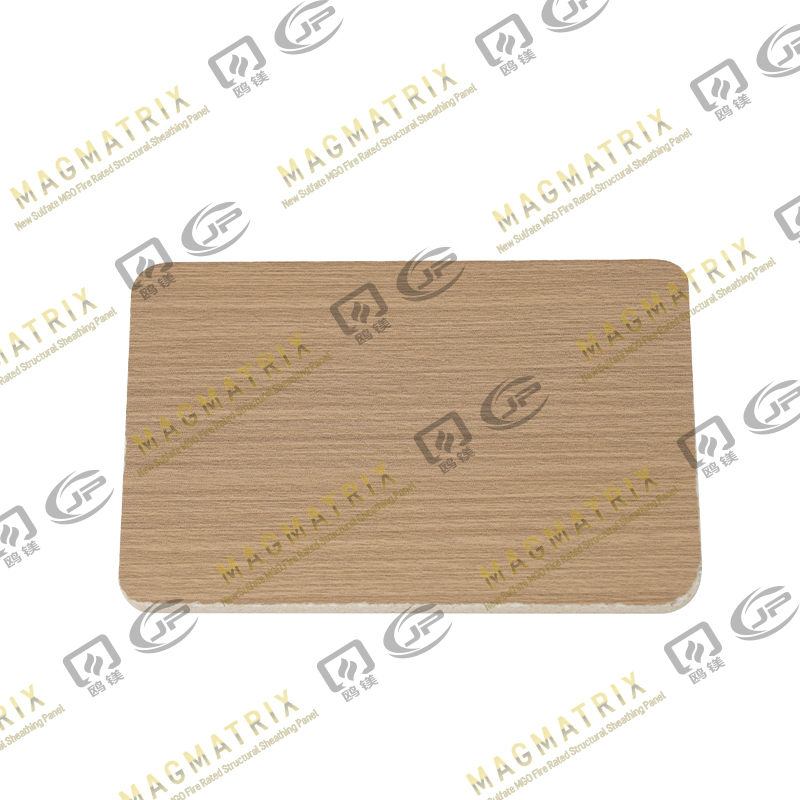
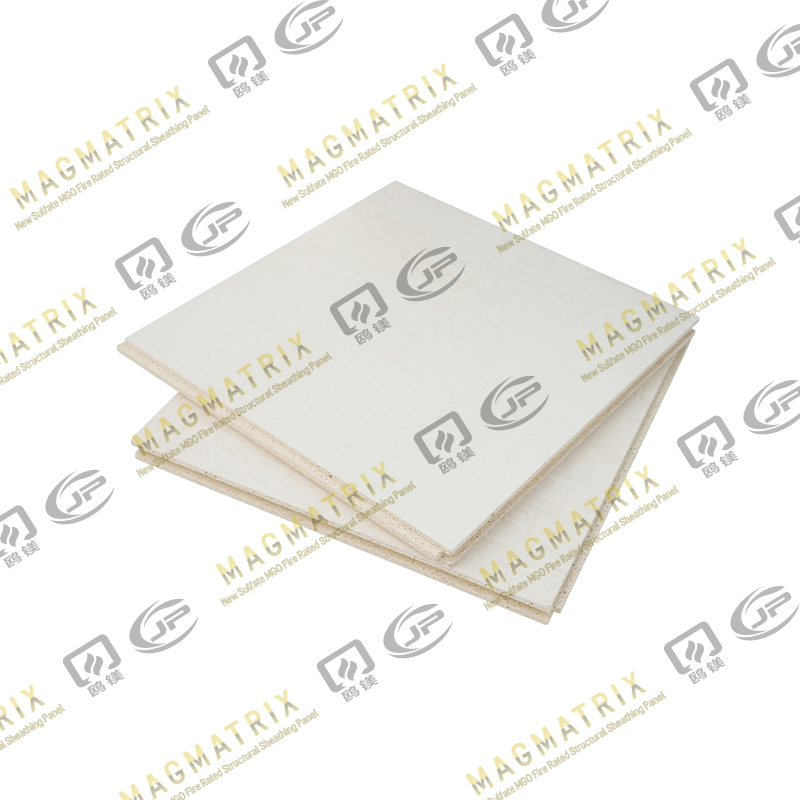
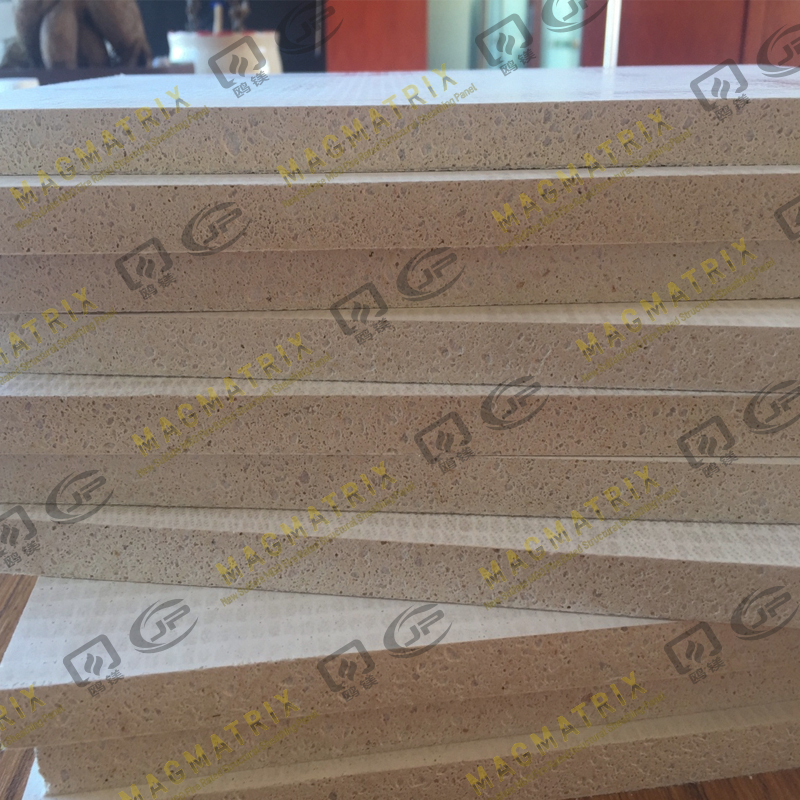 BMSC 517 New Sulfate MgO Board
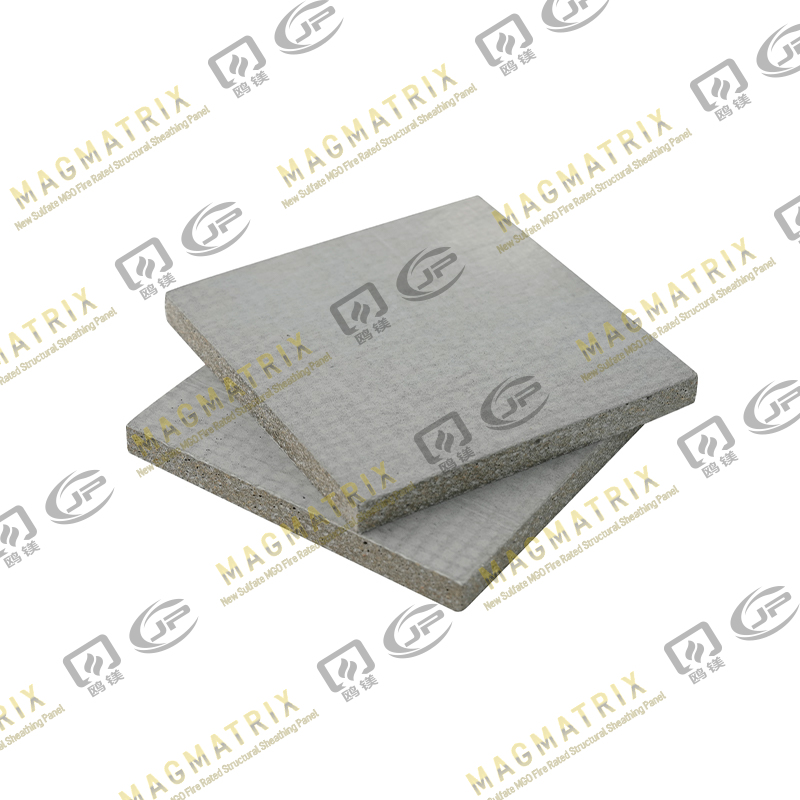 Multi-Support MgO Wall Sheathing Board
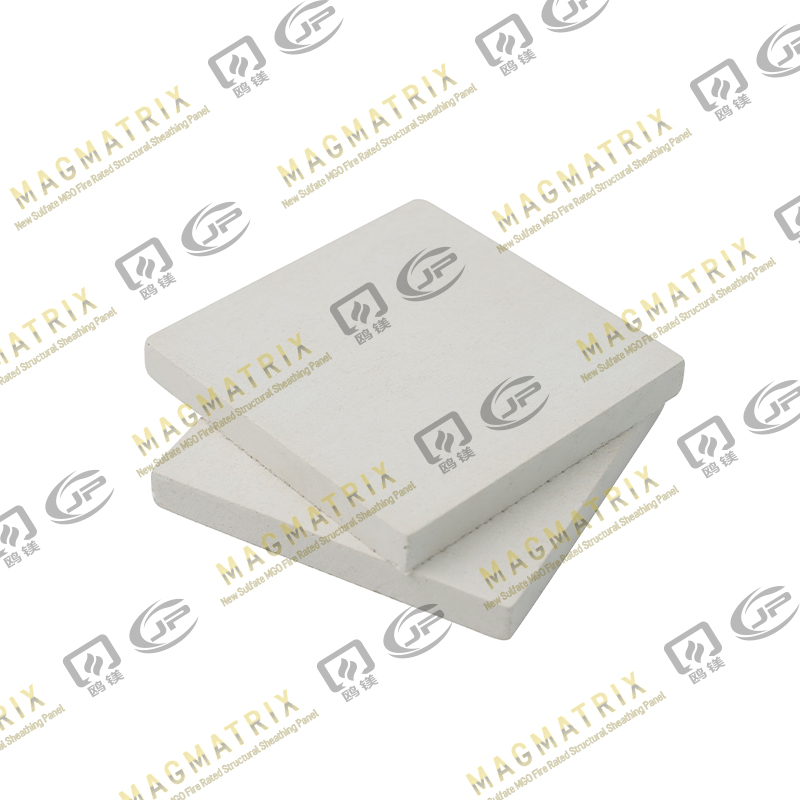 Perseverance MgO Wall Sheathing Board
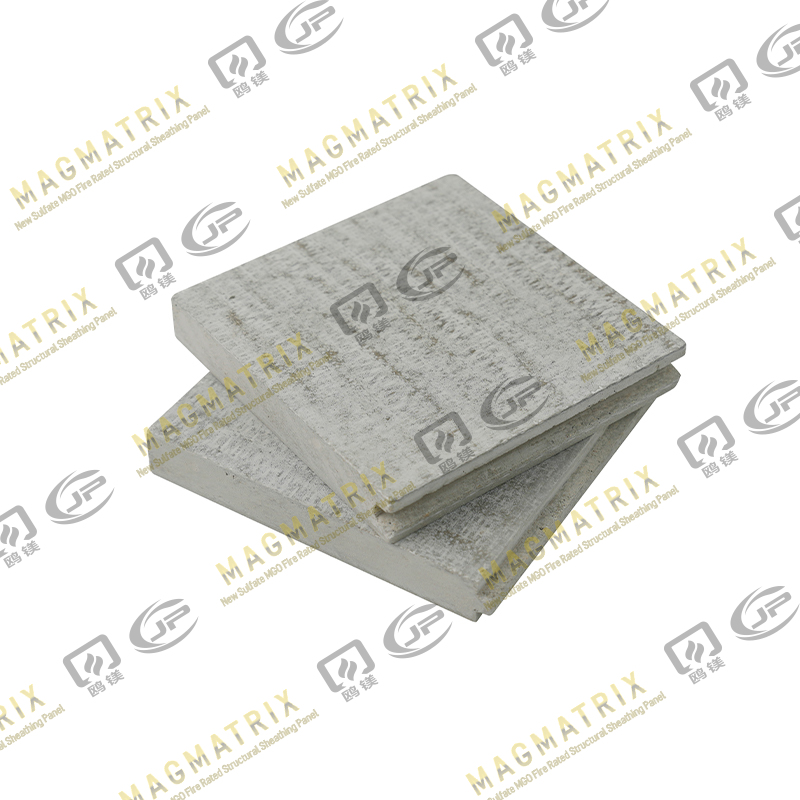 Multi-Support MgO Subfloor Sheathing Board
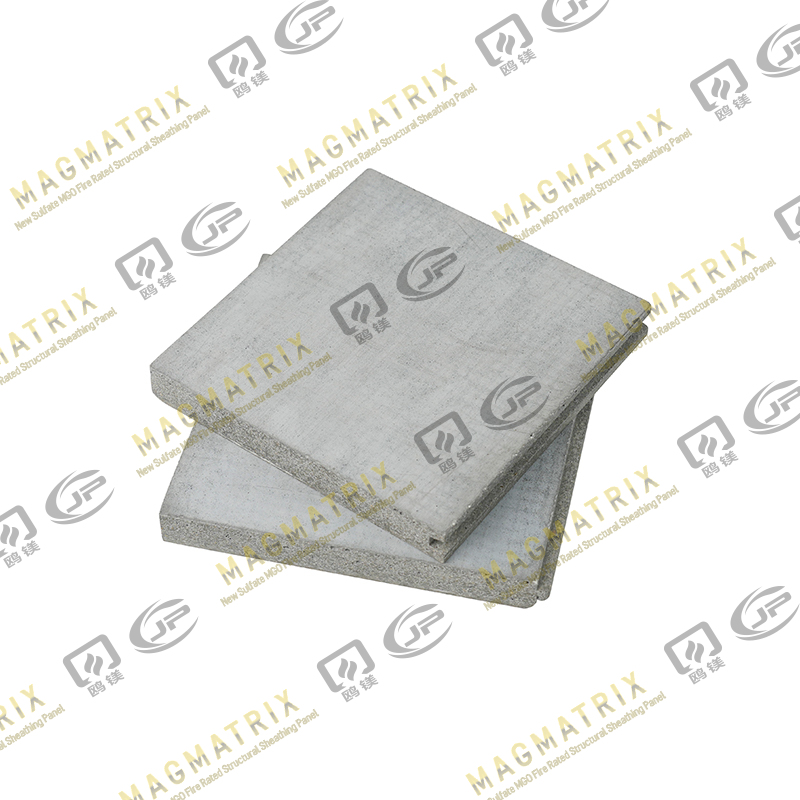 Perseverance MgO Subfloor Sheathing Board
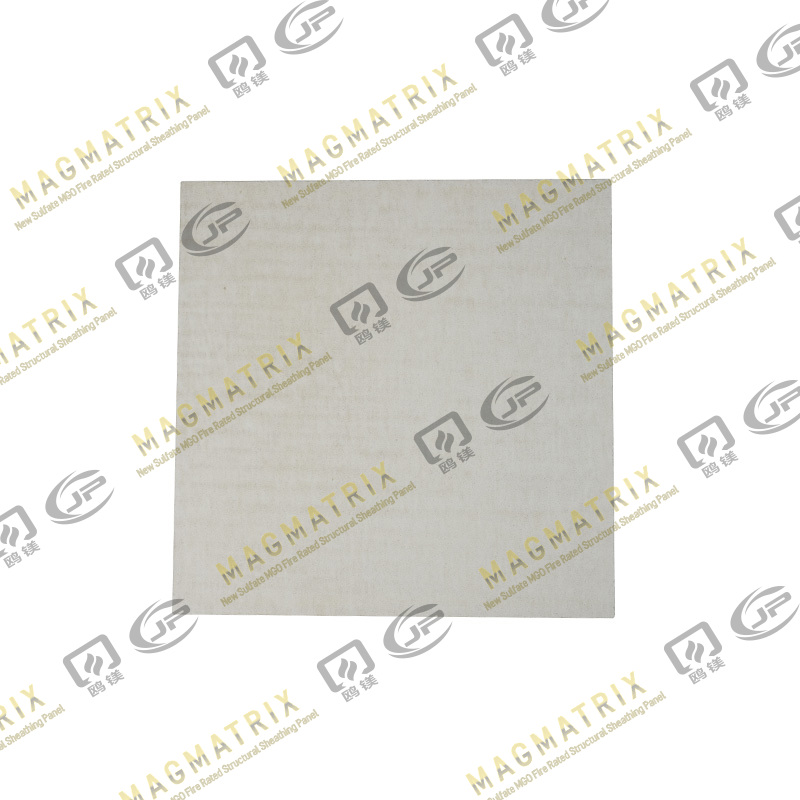 MagMatrix MgO Underlayment Panel/board