The construction industry accounts for roughly 37% of global carbon emissions — a figure that has pushed architects, developers, and builders to scrutinize every material that goes into a building. Among the alternatives gaining serious traction is the magnesium oxide (MgO) panel, a mineral-based board that offers a compelling combination of performance and environmental responsibility. This article breaks down exactly why MgO panels are considered one of the most sustainable building materials available today, and what the data actually shows.
What Makes a Building Material Truly Sustainable?
Sustainability in construction is not defined by a single property. A material earns that label only when it performs well across its entire lifecycle — from raw material extraction through manufacturing, installation, use, and eventual disposal. The key criteria include embodied energy (how much energy is consumed to produce it), raw material renewability, absence of toxic substances, durability (which directly affects how often a material needs to be replaced), and compatibility with green building certification programs such as LEED and BREEAM.
Many materials check one or two of these boxes. what is MgO board and how it is made reveals why it scores favorably across nearly all of them — making it a genuinely balanced choice rather than a single-metric marketing claim.
The Environmental Profile of MgO Panels
MgO panels are made primarily from magnesium oxide, a mineral derived from magnesite ore — one of the most abundant minerals on Earth. The mining process is surface-level and requires no harsh chemicals or deep excavation. Unlike the extraction of materials used in conventional cement or gypsum products, magnesite mining generates minimal harmful runoff and leaves a relatively modest ecological footprint.
The manufacturing process itself is where MgO panels make their most significant environmental statement. Independent testing has shown that MgO panels generate approximately 60% fewer greenhouse gas emissions compared to traditional cement-based boards. This gap exists because MgO cures at ambient temperature without requiring high-temperature kilns, unlike Portland cement which demands energy-intensive calcination above 1400°C.
Equally important is what MgO panels do not contain. They are free from volatile organic compounds (VOCs), formaldehyde, asbestos, crystalline silica, ammonia, and benzene — substances commonly found in or released by conventional building materials. This zero-toxic-additive profile means that from the moment of manufacture, MgO panels do not introduce harmful compounds into supply chains or construction sites.
The carbon story of MgO panels does not end at the factory gate. During the curing process, magnesium oxide actively absorbs carbon dioxide from the surrounding environment — a phenomenon known as carbonation. This means that MgO panels, unlike most construction materials, partially offset their own embodied carbon as they cure and age.
A lifecycle comparison with conventional alternatives illustrates the difference clearly:
CO₂ emissions comparison across common building board materials (approximate figures per metric ton)
| Material |
CO₂ Footprint (kg/metric ton) |
Key Environmental Notes |
| MgO Board |
~340 |
Low-energy curing; CO₂ absorption during curing |
| Calcium Oxide (CaO) Board |
~740 |
High-temperature kiln required; no CO₂ reabsorption |
| Fiber Cement Board |
Significantly higher |
Portland cement binder; energy-intensive production |
| Gypsum Drywall |
Moderate |
Lower production emissions but poor durability in wet conditions |
Beyond production, the long service life of MgO panels further reduces lifecycle carbon impact. A material that does not need to be replaced every decade prevents the repeated embodied carbon cost of manufacturing, shipping, and installing replacement boards.
No Toxic Chemicals: A Healthier Indoor Environment
Indoor air quality is a sustainability dimension that often gets overlooked in discussions focused purely on carbon emissions. The World Health Organization has identified indoor air pollution as a significant health risk globally, with building materials being a primary contributor through off-gassing of VOCs, formaldehyde, and other compounds.
MgO panels address this directly. Because they contain no organic binders or synthetic adhesives that degrade over time, they produce zero VOC off-gassing during and after installation. This makes them particularly appropriate for environments where air quality is critical — hospitals, schools, residential units, and any space occupied by people with allergies, asthma, or chemical sensitivities.
When compared side by side with standard alternatives, the contrast is clear. Conventional MgO board vs. drywall analysis consistently shows that gypsum products can release sulfur compounds and harbor mold growth in humid conditions, introducing biological contaminants into the indoor environment. MgO panels, being inorganic, offer no substrate for mold or mildew regardless of humidity levels.
Durability as a Sustainability Strategy
One of the most underappreciated environmental advantages of MgO panels is their exceptional durability. Sustainability is not only about what a material is made of — it is equally about how long it lasts before it needs to be replaced. Every replacement cycle carries its own embodied carbon cost, waste generation, and resource consumption.
MgO panels resist the four primary causes of premature building material failure: fire, moisture, mold, and pest damage. They are classified as non-combustible under ASTM E136 standards, absorb less than 0.34% surface moisture by weight, and provide no nutritional value to termites or other insects. In moisture-prone environments such as coastal zones or high-humidity climates, MgO panels maintain near-full structural integrity even after 25 cycles of wetting and drying — a condition under which plywood loses significant bending strength and gypsum panels can lose more than 36% of their structural capacity.
This durability advantage translates directly into reduced construction waste over a building's lifetime. Fewer replacements mean fewer discarded panels in landfills, fewer shipments of new materials, and lower cumulative carbon emissions from the building's material supply chain. A closer look at MgO board vs plywood performance data confirms that in demanding conditions, MgO's lifecycle advantage is substantial. Similarly, for exterior applications, builders choosing MgO for exterior wall sheathing benefit from decades of stable performance without the rot, delamination, or pest damage that shortens the effective lifespan of wood-based alternatives.
Additionally, MgO panels are fully recyclable at the end of their service life. The inorganic mineral composition means they can be processed and repurposed without releasing harmful substances — a property that aligns with circular economy principles increasingly required by green building standards.
MgO Panels and Green Building Certifications
The environmental credentials of MgO panels translate directly into points and credits under the world's leading green building certification frameworks. LEED (Leadership in Energy and Environmental Design), BREEAM, and WELL all reward the use of materials with low embodied carbon, verified low VOC content, and regional or sustainably sourced ingredients.
MgO panels contribute to multiple credit categories simultaneously — materials and resources, indoor environmental quality, and innovation credits — making them an efficient choice for project teams targeting certification. As building codes tighten globally and more jurisdictions introduce mandatory sustainability benchmarks for new construction and renovation, specifying MgO panels positions a project ahead of compliance requirements rather than simply meeting minimum thresholds.
Governments and institutional developers in Europe, North America, and the Asia-Pacific region are increasingly mandating non-combustible, low-emission materials for public buildings, schools, and healthcare facilities. MgO panels already meet the technical requirements for these categories, meaning their adoption is not just an environmental preference — it is increasingly a regulatory necessity.
Conclusion
MgO panels deliver environmental advantages that are measurable, multi-dimensional, and durable over time. From a production carbon footprint roughly half that of cement-based alternatives, to zero toxic off-gassing, CO₂ absorption during curing, and a lifespan that dramatically reduces material replacement cycles — the sustainability case is built on hard data rather than marketing claims.
For builders, architects, and developers looking to make construction decisions that hold up under both environmental scrutiny and long-term performance expectations, MgO panels represent one of the most complete sustainable building material choices currently available. The shift toward greener construction is no longer optional — and MgO panels offer a practical, proven path forward.



 English
 русский
 Español
 BMSC 517 New Sulfate MgO Board
 Multi-Support MgO Wall Sheathing Board
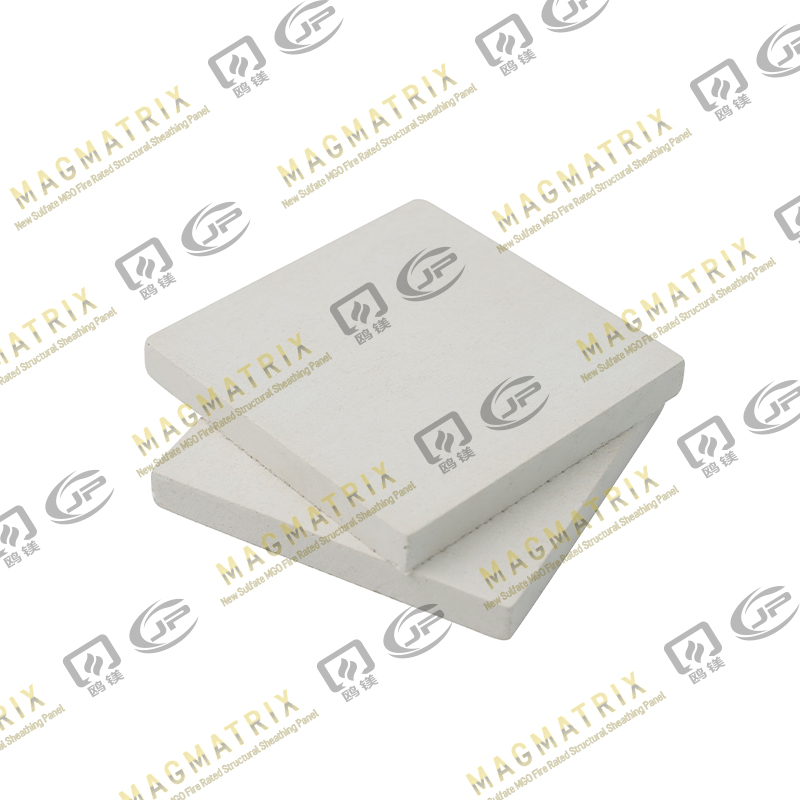 Perseverance MgO Wall Sheathing Board
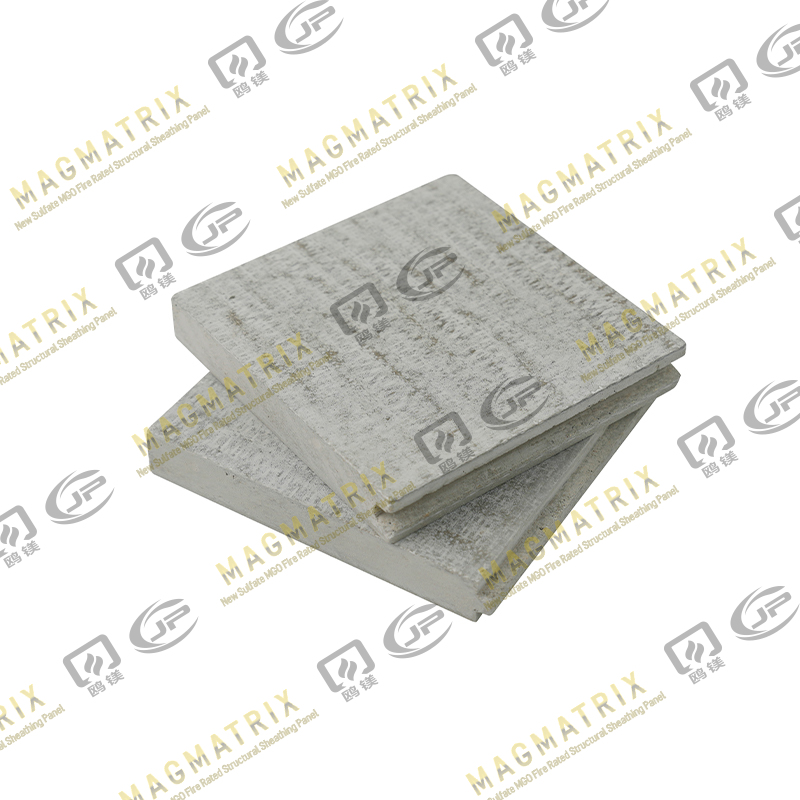 Multi-Support MgO Subfloor Sheathing Board
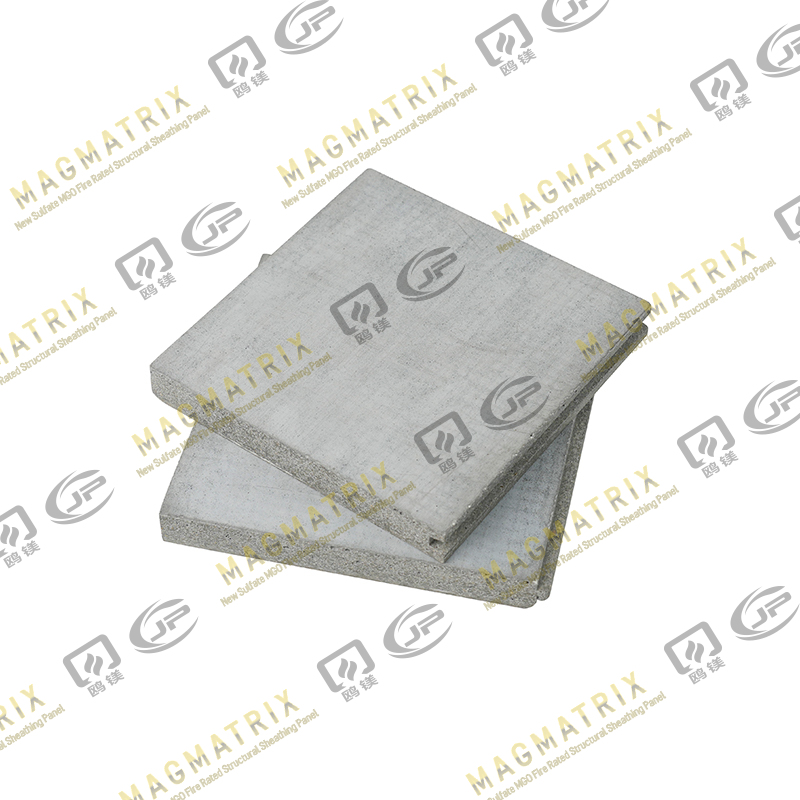 Perseverance MgO Subfloor Sheathing Board
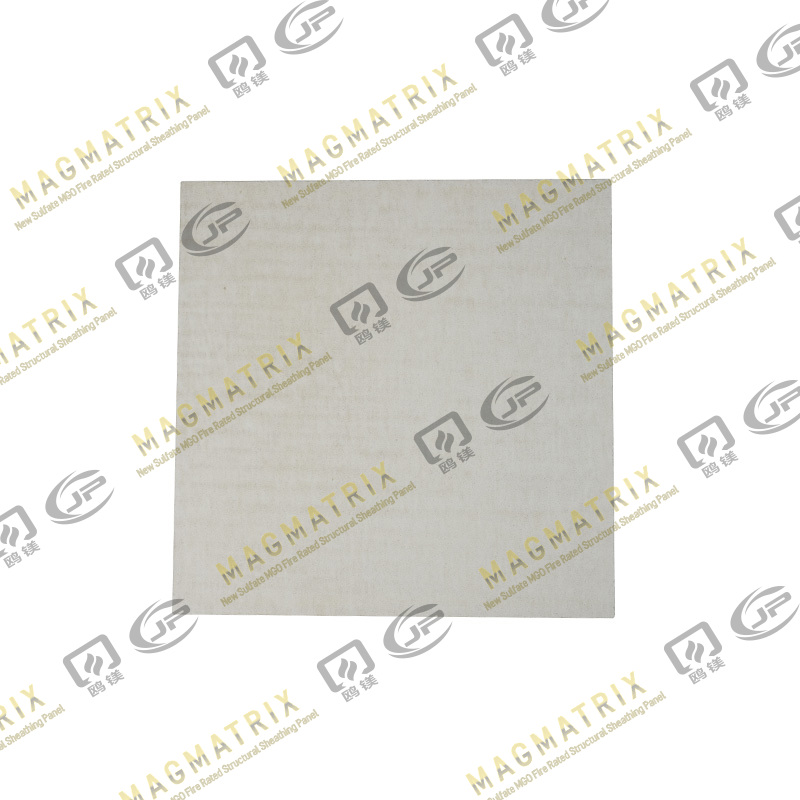 MagMatrix MgO Underlayment Panel/board