The three-stalk lucky bamboo on a restaurant's cash counter and the nine-stalk arrangement at a housewarming are never accidents. In lucky bamboo feng shui, the stalk count is the message, and the room the plant sits in decides how well that message lands. The short version: the plant works as a remedy when three things line up - the right stalk count for your intention, a placement that follows the bagua map, and a plant that is genuinely healthy. Miss one of those and you have decoration; line them all up and the arrangement becomes a classic wood-and-water cure that practitioners have relied on for generations.
What Lucky Bamboo Actually Is
Lucky bamboo (Dracaena sanderiana) is not bamboo at all. It is a member of the asparagus family native to Central Africa, and nearly everything sold under that name is grown as straight or spiral-trained canes rooted in water and pebbles. It earned its place in Chinese-influenced feng shui for two practical reasons: the upright, jointed canes resemble true bamboo, which symbolizes upright character and steady, resilient growth, and the plant survives happily in little more than a vase of water, making it one of the few feng shui cures that stays alive with almost no maintenance.
In feng shui terms, any vigorously growing plant expresses strong wood-element qi, and lucky bamboo adds water to that picture - wood nourished by water being the traditional formula for growth in income, health, or career. It is also why the plant's condition carries so much weight: a thriving cane is read as growing fortune, a yellowing one as fortune draining from the very area it was meant to serve.
How the Five Elements Show Up in One Arrangement
Part of the plant's appeal is that a single setup can represent all five elements, which is why practitioners reach for it in rooms where structural changes are impossible:
- Wood - the living stalks themselves
- Water - the water in the vase that feeds the wood
- Earth - the pebbles or stones that anchor the canes
- Metal - a coin or wire tie attached to the stalks
- Fire - the red ribbon wrapped around the arrangement
One traditional footnote on containers: because metal cuts wood in the controlling cycle of the five elements, glass or ceramic vases are preferred over metal bowls.
Lucky Bamboo Stalk Meanings by Number
Stalk counts follow Cantonese number homophones, and each count is read as a distinct intention. If you are buying for a specific purpose, this is the table to match against:
Traditional lucky bamboo stalk counts and the intentions they represent; four is deliberately absent.
| Stalk count |
Traditional meaning |
Typical use |
| 1 |
Unity and simple good fortune |
A personal desk token |
| 2 |
Love and partnership |
Gifts for couples and anniversaries |
| 3 |
Happiness, wealth, and longevity |
The most popular all-purpose arrangement |
| 5 |
Balance across the five elements |
General harmony in a living space |
| 6 |
Smooth-flowing blessings and prosperity |
Shop counters and reception areas |
| 7 |
Health and family bonds |
Rooms tied to recovery or family life |
| 8 |
Abundance and wealth |
New businesses and housewarmings |
| 9 |
Great, long-lasting luck |
Significant gifts; nine implies the blessing endures |
| 10 |
Completeness and perfection |
Marking an achievement |
| 21 |
A powerful all-around blessing |
Statement arrangements in foyers and lobbies |
Four stalks are avoided almost universally because the word for "four" sounds close to the word for "death" in Cantonese and several other Chinese dialects, so arrangements jump from three to five. If a shipment arrives with four canes, add or remove one. Spiral-trained stalks carry the same meanings as straight ones - the curl is a growth response to controlled light exposure, not a separate symbol.
Where to Place Lucky Bamboo for Good Feng Shui
Placement follows the bagua map, in which the east sector governs health and family and the southeast governs wealth and abundance. Within that logic, the same handful of locations comes up again and again in practitioner advice:
- Entryway or foyer. A plant here greets incoming qi at the front door; a 21-stalk arrangement is a classic statement piece for this spot.
- Home office desk. Set it on the east or southeast side of the desk, within sight, to support career growth - not hidden behind a monitor.
- Southeast corner of the living room. The wealth corner benefits from healthy wood energy, and a shared room keeps that energy circulating.
- Kitchen or dining table. Tying the plant to food and gathering links it to nourishment and abundance.
- Bathroom. Counterintuitive but common: a small arrangement is used to soften the draining effect of water leaving through the drains and to lift a room feng shui reads as energy-depleting.
The bedroom is the standard exclusion, because the plant's active energy plus an open vessel of water is considered disruptive to rest. Practical failures matter too: harsh afternoon sun scorches the leaves, and a struggling plant undermines the whole intention, so a spot with bright, indirect light beats a symbolically perfect but physically hostile one.
The Room Around the Plant Counts Too
Practitioners who take placement seriously also read the surfaces surrounding the plant. Lucky bamboo on a windowsill above peeling, damp paint, or beside bathroom tile with mold creeping along the grout sits in contradiction to the fresh, vital energy it was placed there to support. Mold, moisture damage, and lingering chemical smells register as stagnant qi in the tradition - and they are indoor-health problems in the literal sense, which is why the bathroom case deserves a pause.
That overlap is part of why wall materials in wet rooms have been shifting. Magnesium oxide boards are inorganic panels that resist moisture and mold, and the category carries serious documentation: MagMatrix, the panel brand of Jiangsu Jinpeng Fireproof Board Co., Ltd., publishes ASTM E136 non-combustibility reports, ASTM E84 surface-burning data, and two-hour wall fire tests for its sulfate MgO lines. If a bathroom refresh is anywhere on your list, it pays to understand how MgO boards perform in wet, high-humidity environments like bathrooms before you commit to a wall substrate.
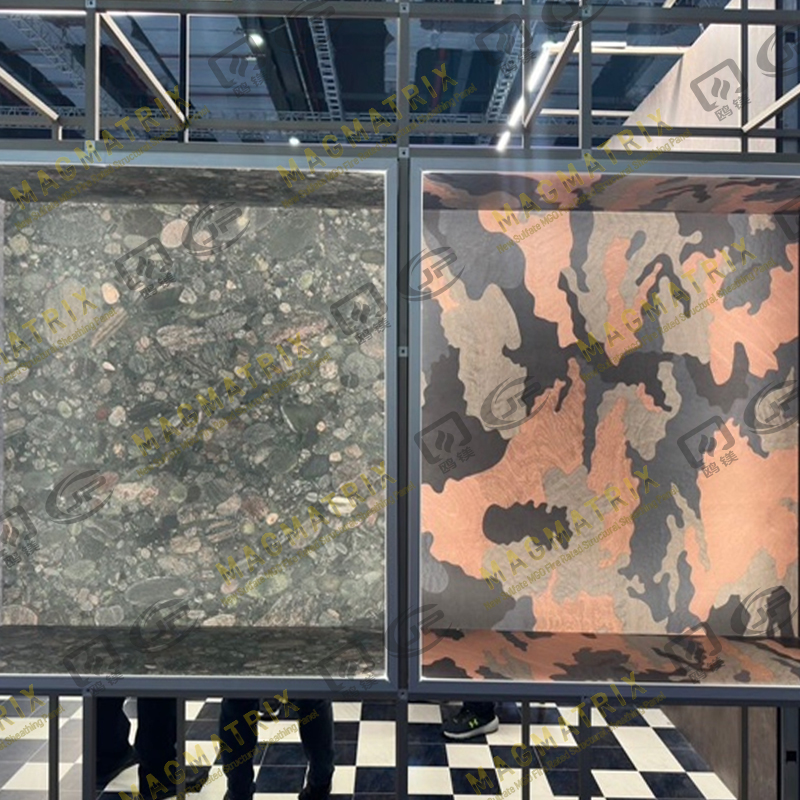 OuMei MgO Fire-Resistant Interior Decorative BoardAn inorganic MgO decorative panel with a fluorocarbon or polyester coating and Class A fire rating, suited for wet-room walls where moisture resistance and documented fire performance matter in a bathroom refresh.View Product →
The same logic runs underfoot. Bathroom and laundry floors usually fail at the substrate rather than the tile, because plywood and particle bases swell or harbor mold once water reaches them. Inorganic underlayment panels hold their dimensions when wet, which is why they increasingly replace cement board and plywood beneath tile and plank flooring in the dampest rooms of a house.
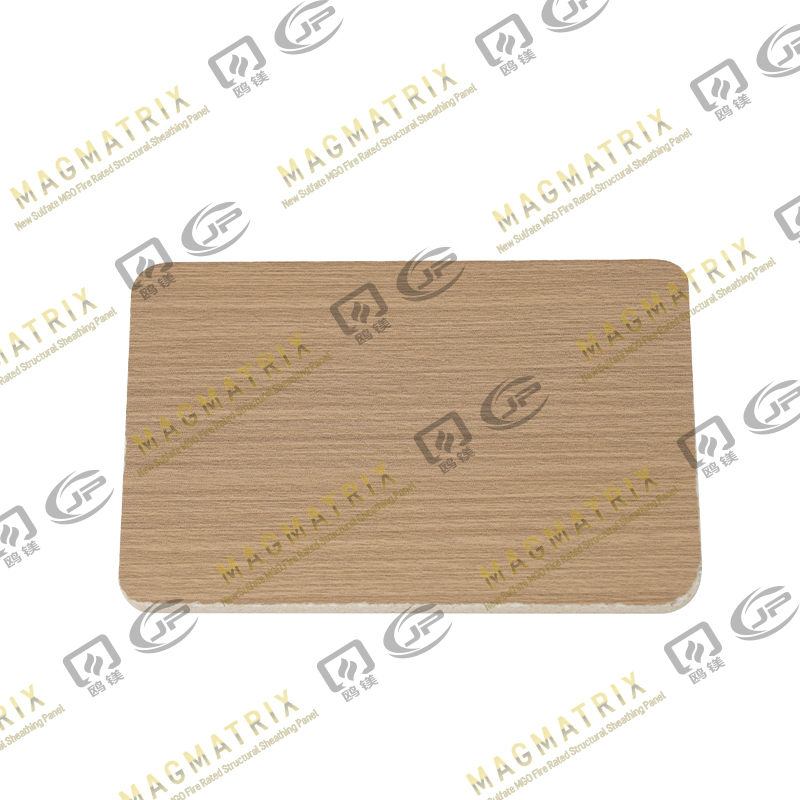
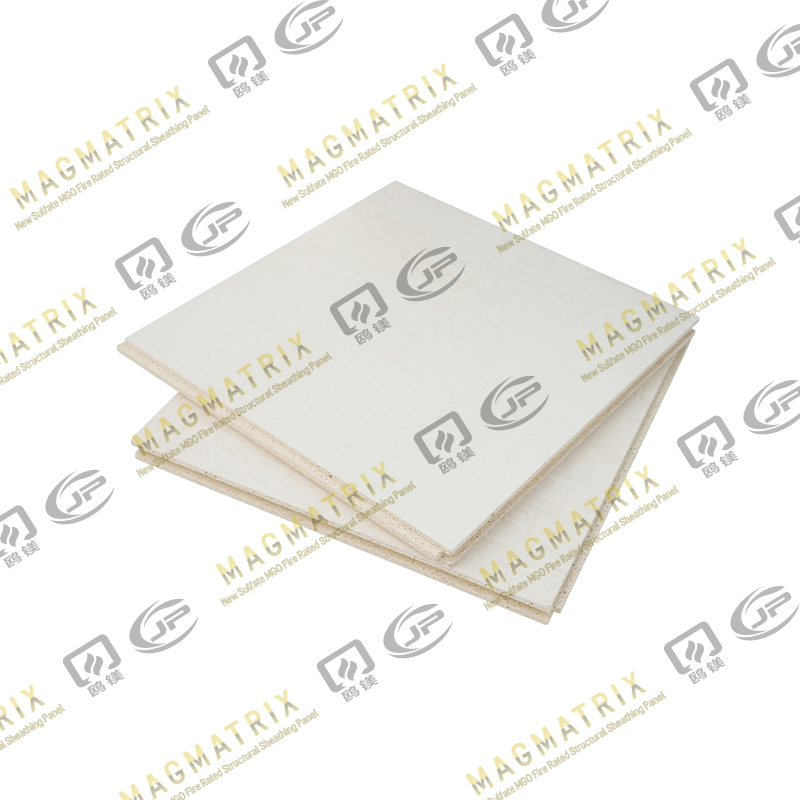
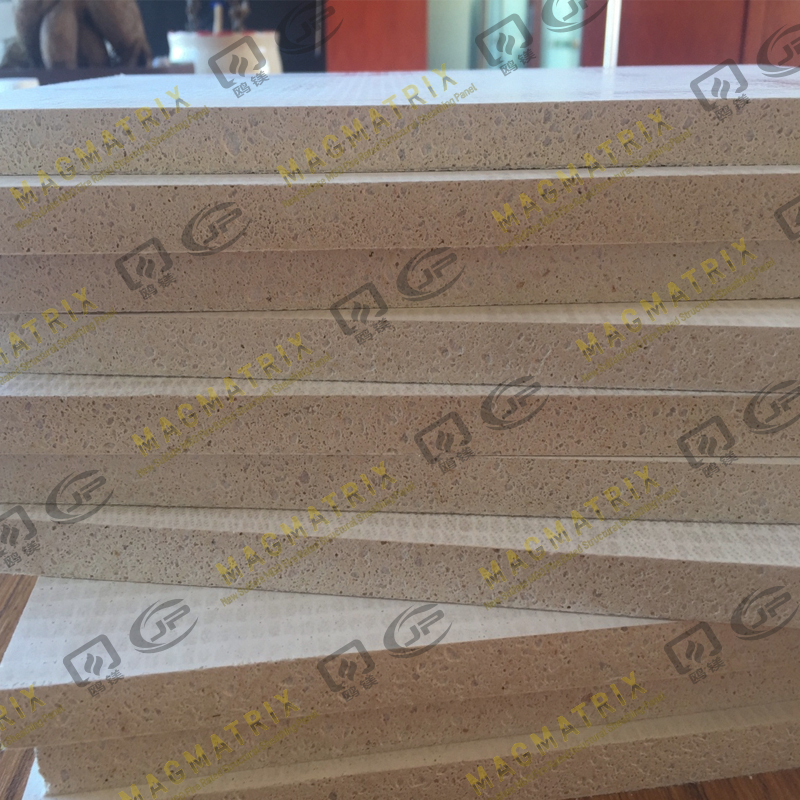
 MagMatrix MgO Underlayment Panel for FlooringA dimensionally stable MgO underlayment with an integrated mesh core that holds its shape when wet, making it a reliable substrate beneath tile and plank flooring in bathrooms and laundry rooms.View Product →
Air quality is the quieter factor. Feng shui favors natural, breathable materials - solid wood, stone, ceramic - and a houseplant assumes the same, since plants decline alongside people in rooms full of off-gassing composites. Inorganic MgO cores leave out the formaldehyde-bearing adhesives used in plywood and particleboard, and the MagMatrix panels carry a third-party test report screening for 219 substances of very high concern. The wider environmental footprint, from production waste to recyclability, is summarized in the company's sustainability overview.
Keeping the Plant Healthy Is Part of the Remedy
In feng shui practice a declining plant is worse than no plant, because it is read as weakening the exact area of life it was meant to strengthen. The standard advice is blunt: replace a cane once it yellows from the bottom up rather than nursing a losing cause. Keeping the plant in the thriving state the tradition expects comes down to a short list of habits:
- Give it bright, indirect light; direct afternoon sun scorches leaves, and deep shade stalls growth.
- Use filtered, distilled, or bottled water - tap-water fluoride and chlorine cause the leaf-tip burn owners mistake for disease. If tap water is the only option, let it sit uncovered for 24 hours first.
- Change the water every 7 to 10 days and keep the bottom inch or two of the canes submerged.
- Anchor the canes with pebbles so they stay upright and stable.
- Hold room temperatures roughly between 65 and 90°F (18 to 32°C), away from cold drafts and heat vents.
- Trim yellowing leaves promptly with clean scissors and wipe dust off the remaining foliage.
As a gift, the arithmetic is simple: two stalks for a couple, three for a new home, eight for a new venture, nine for someone you wish lasting luck. Buying lucky bamboo for yourself is equally acceptable - the tradition treats a self-purchase made with clear intention as every bit as effective, and you control the count, which matters most.
In the end, lucky bamboo feng shui comes down to four moving parts: a stalk count matched to your intention, a placement aimed at the right sector of your home, a plant kept genuinely healthy, and a room whose walls, floors, and air do not work against everything the plant is supposed to represent. Set those four pieces in order and the modest cane in a vase has earned its spot - whatever weight you personally give to qi.



 English
 русский
 Español
 BMSC 517 New Sulfate MgO Board
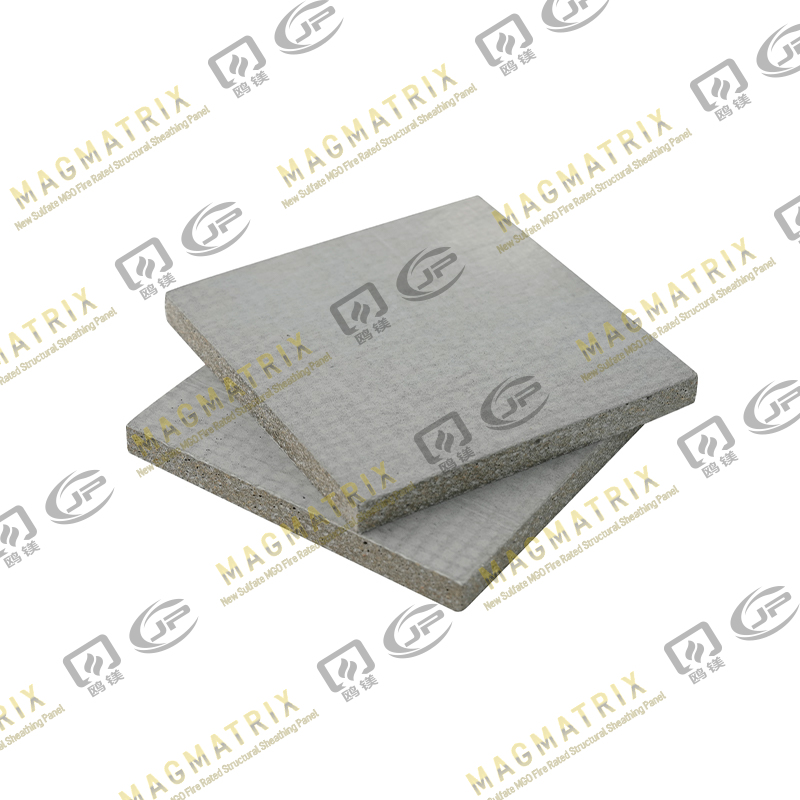 Multi-Support MgO Wall Sheathing Board
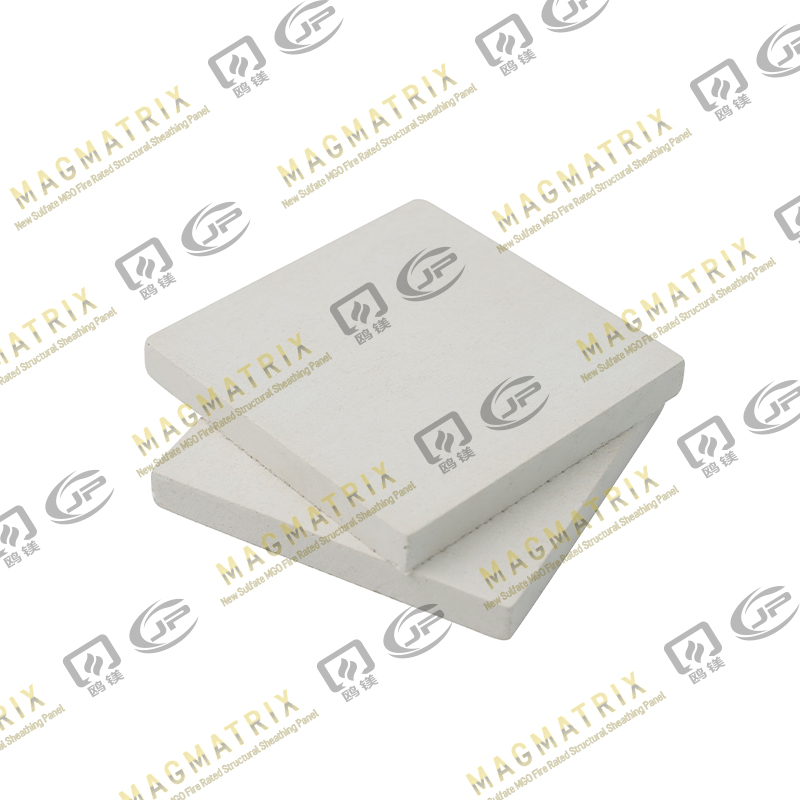 Perseverance MgO Wall Sheathing Board
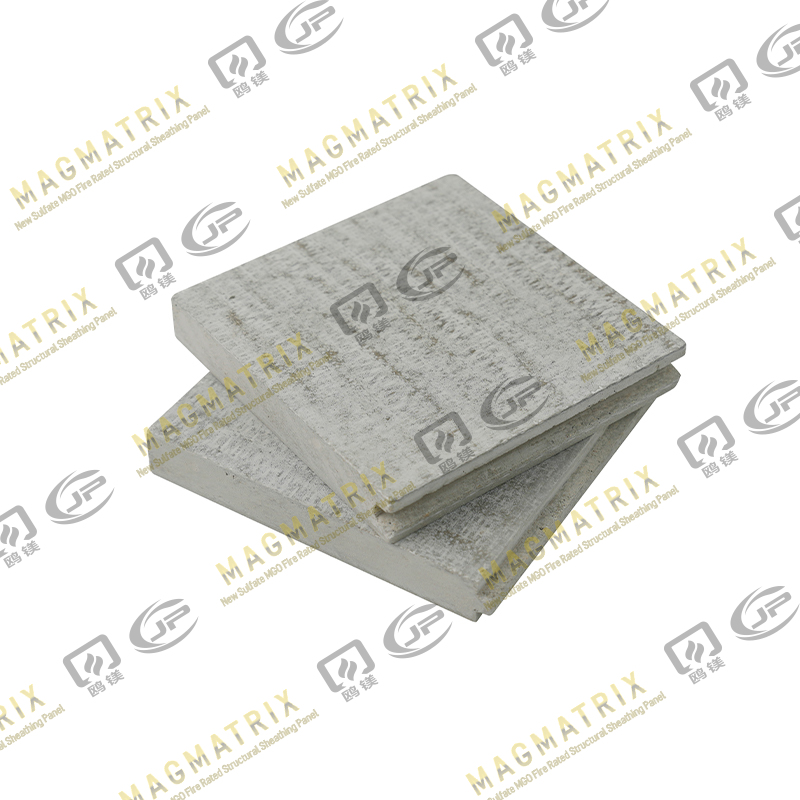 Multi-Support MgO Subfloor Sheathing Board
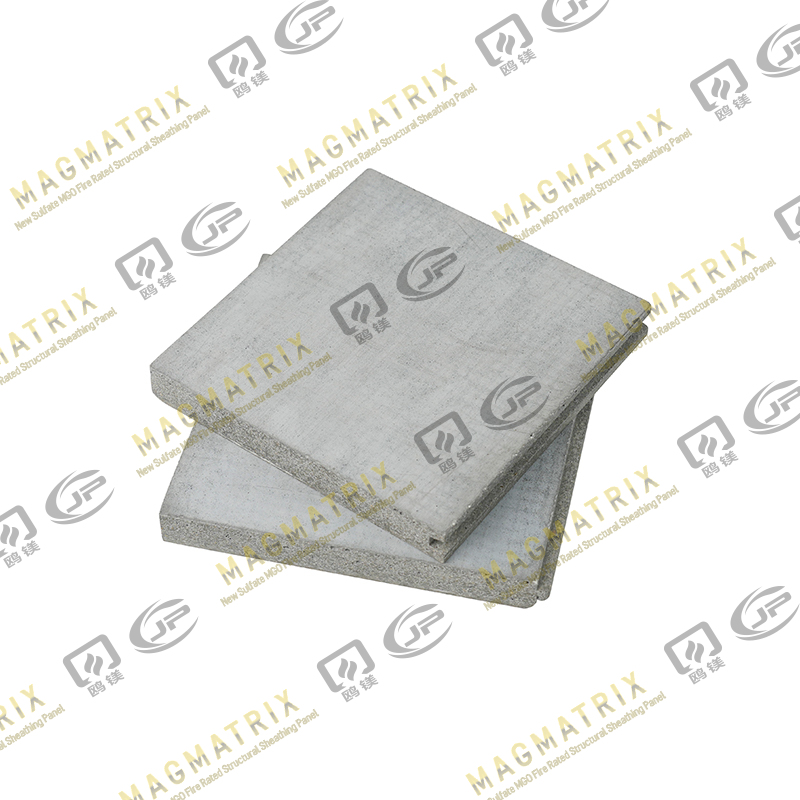 Perseverance MgO Subfloor Sheathing Board
 MagMatrix MgO Underlayment Panel/board