Subfloor failures rarely announce themselves. They show up as a swollen panel edge at the patio door, a soft patch around the bathroom flange, or a deck that needs an extra day of sanding before vinyl plank can be glued down. An MGO subfloor panel is built to take those failure modes off the table: a magnesium oxide based structural panel that is non-combustible, does not swell or rot when it gets wet, and is engineered to carry real floor loads.
The practical answer for specifiers and buyers comes down to two conditions. First, the board must use sulfate chemistry rather than chloride chemistry, because that difference decides whether a panel stays stable for decades or degrades in a damp climate. Second, the finished deck is only as flat as the framing beneath it, so joists need to be level and verified with a laser before the first panel goes down. Meet both conditions and you get a fire-rated, moisture-tolerant floor deck that outlasts wood-based alternatives in wet or fire-exposed construction. Miss either one and you inherit the problems this material is supposed to solve.
What an MGO Subfloor Panel Actually Is
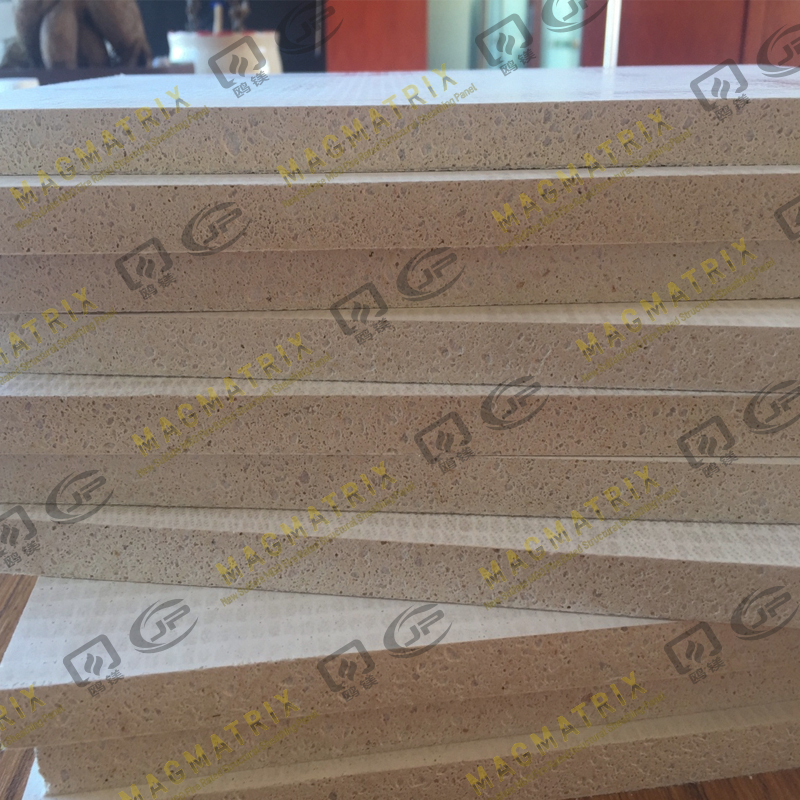
Despite the name, an MGO subfloor panel is not a sheet of pressed mineral. It is a composite cementitious board: magnesium oxide bonded with a magnesium sulfate binder, mixed with lightweight fill and reinforced with glass fiber mesh on both faces, then cured in the factory to a stable moisture content. The result cuts and fastens like a construction board but behaves, from a fire standpoint, like a masonry material. Panel thickness and edge detail define the role: thicker structural panels span the joists as the subfloor itself, while thinner panels serve as underlayment that creates a hard, smooth base for finished flooring.
Sulfate Versus Chloride: The Chemistry Question to Ask First
Early magnesium oxide boards were bonded with magnesium chloride. That chemistry is inexpensive, but chloride ions attract moisture and can corrode steel fasteners and light-gauge framing in contact with the board, which is behind most of the degraded-panel photos circulating in contractor forums. Sulfate-bonded boards, such as the BMSC 517 sulfate formula behind the MagMatrix floor panels, remove the chloride ion from the board entirely. When you collect quotes, ask every supplier to state the binder chemistry in writing. It is the cheapest risk filter available in this category, and it costs nothing to ask.
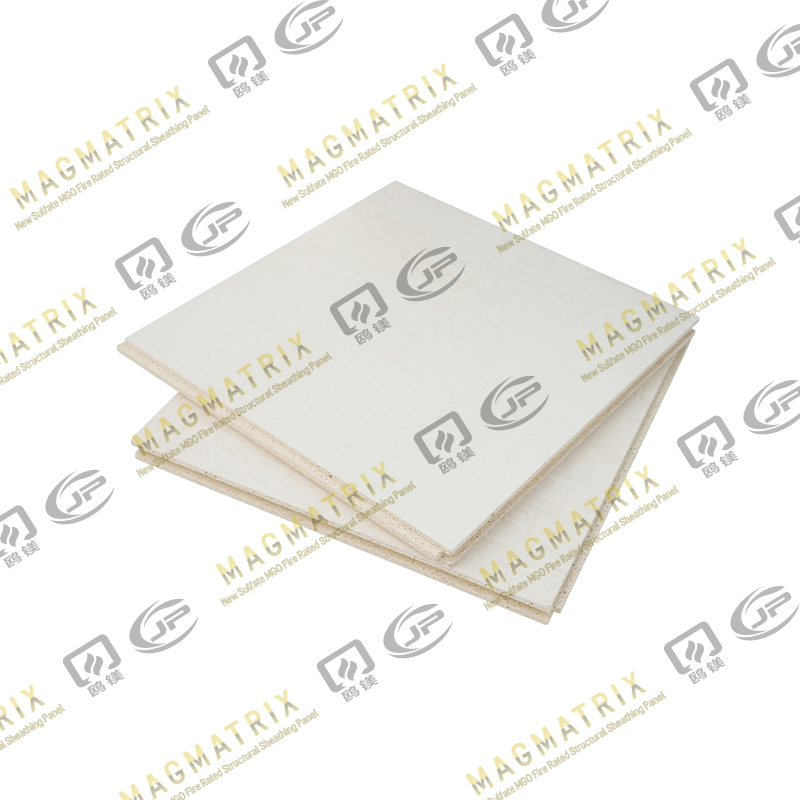
MagMatrix MgO Subfloor Sheathing Board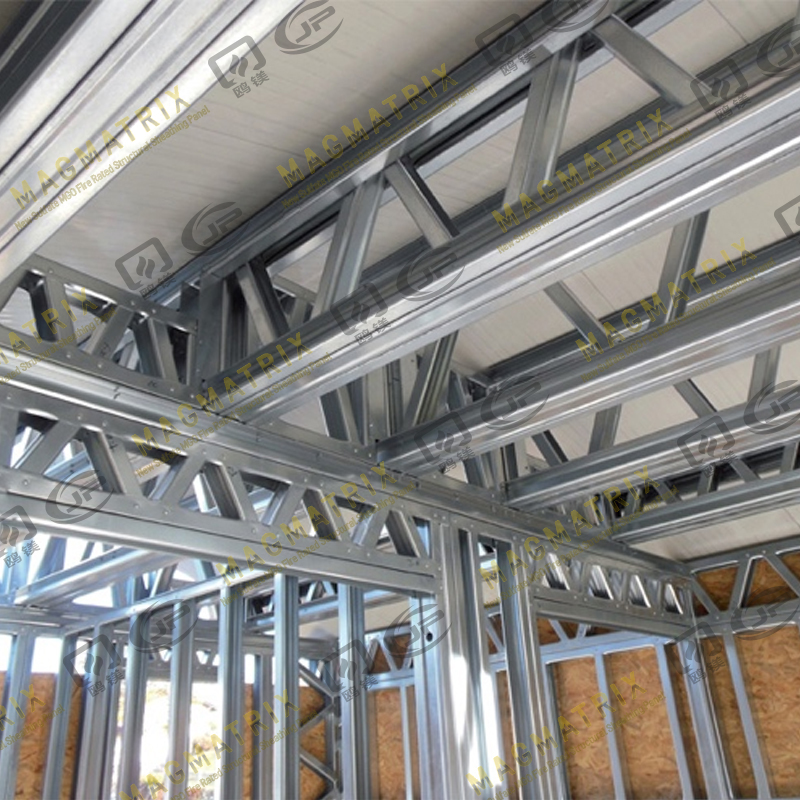 MagMatrix BMSC 517 Sulfate-Bonded MGO Subfloor PanelA chloride-free, sulfate-bonded magnesium oxide subfloor panel that resists moisture and corrosion. With an A1 floor grade under EN 13501-1, it is worth reviewing here as the benchmark for non-combustible flooring specification.View Product →
The Performance Numbers That Decide a Floor Deck
Three properties drive the specification: fire behavior, water behavior, and load capacity. On fire, a properly manufactured MgO panel is non-combustible and passes ASTM E136, and surface burning tests to ASTM E84 place flame spread and smoke development at the bottom of the scale. Flooring classifications go further: the MagMatrix subfloor panel carries an A1 floor grade, the highest fire classification available to a flooring product under the EN 13501-1 system.
On water, the panel has no wood fiber to feed on. A 24-hour soak leaves the edges dimensionally stable rather than swollen, and weeks of jobsite rain do not start the rot cycle that ruins OSB decks. The same inorganic composition explains the mold and pest resistance: there is nothing in the board for mold to eat or termites to want.
On strength, structural MgO subfloor panels are engineered for the loads that actually damage floors: point loads from piano legs and kitchen islands, rolling loads from appliance dollies, and panel shear. Independent shear testing to ASTM D2718 and racking resistance reports support the structural application. Match panel thickness to joist spacing with the manufacturer's span tables; a 610 mm bay and a 406 mm bay do not call for the same board.
Table 1. How an MGO subfloor panel compares with the wood-based and cement-based panels it commonly replaces on floor decks.
| Property |
MGO subfloor panel |
OSB or plywood |
Cement board |
| Fire behavior |
Non-combustible core; passes ASTM E136 and carries an A1 floor grade |
Combustible; adds fuel load to the floor assembly |
Non-combustible, but rarely rated as a structural deck |
| Response to water |
Retains strength when wet; no edge swell or delamination |
Edges swell; repeated wetting invites rot and fastener pops |
Water tolerant but heavy, brittle, and crack-prone |
| Mold and pests |
Inorganic, with no food source for mold or termites |
Can support mold after repeated wetting |
Inorganic |
| Weight and handling |
Denser than OSB; plan for two-person carries in thick sizes |
Lightest option and easy to maneuver |
Heaviest per sheet and brittle at the edges |
| Fastening and finish readiness |
Screws drive cleanly; joints fill and sand to a flat glue-down base |
Nails or screws; swollen joints need sanding later |
Screw-only fixing and carbide cutting tools |
For head-to-head numbers on spans, ratings, and fixing patterns, see our MgO subfloor panel vs OSB guide.
Installation Realities: Framing, Fastening, and Flatness
The honest trade-off is that a panelized MgO subfloor is only as flat as the framing under it. A tongue-and-groove wood deck can be belt-sanded flat after installation, but cementitious panels telegraph every deviation in the joists. Most finished flooring manufacturers require the deck to be flat within 6 mm (1/4 in.) over 3 m (10 ft), and that tolerance is decided before the first panel arrives. The sequence below keeps a panelized deck inside it:
- Check the framing. Crown joists consistently, verify level with a laser, and plane or shim high spots before panels are delivered.
- Dry-fit the layout. Stagger end joints and plan cuts around plumbing runs before opening any adhesive.
- Bond and fasten. Run a bead of flexible subfloor adhesive on each joist, then drive corrosion-resistant screws to the manufacturer's schedule, which typically lands near 150 mm (6 in.) along panel edges and 200 mm (8 in.) in the field.
- Respect the gaps. Leave the specified expansion joint, usually around 3 mm (1/8 in.), at panel joints and perimeter walls.
- Fill and verify. Fill joints with the recommended patching compound and re-check flatness with a straightedge before finished flooring arrives.
Cutting and handling deserve planning too. Thinner panels score and snap; thicker structural boards cut cleanly with a circular saw and carbide blade under dust extraction. The panels are denser than OSB, so schedule two-person carries or mechanical handling for the thicker sizes. An unexpected shower on an open deck will not swell the panels; let them dry and carry on. On cost, expect the panel price to sit above OSB and weigh it against the full package: no separate fire treatment, no leveling compound on wet projects, and fewer moisture callbacks.
Where MGO Subfloor Panels Earn Their Place
This material pays for itself in specific situations rather than everywhere. The strongest fits are:
- Modular and prefab construction, where the floor cassette needs a fire rating without added layers and the panels survive transport and site storage without edge damage.
- Multifamily and commercial floors, where non-combustible decks simplify code compliance and support fire and sound assemblies between units.
- Basements, bathrooms, and laundry rooms, where moisture exposure is a certainty rather than a risk.
- Floors with radiant heating, where the dense, uniform core moves heat evenly across the room.
For long spans and heavy live loads, the structural grade matters more than the price tag. The Multi-Support line is engineered as a load-rated structural deck, so verify its span and load tables against your joist spacing before ordering.
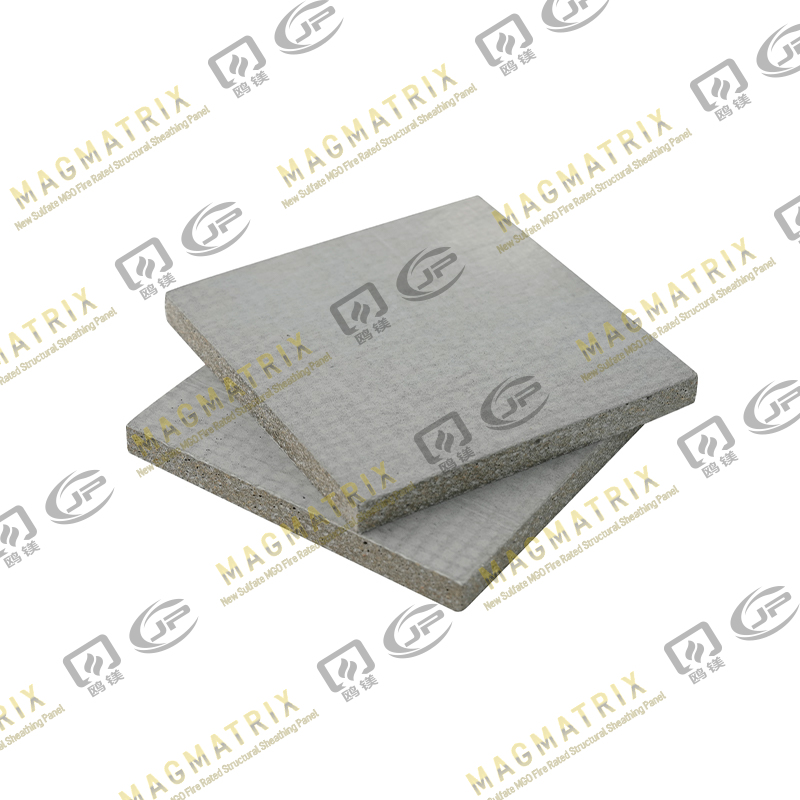
Multi-Support MgO Subfloor Sheathing Board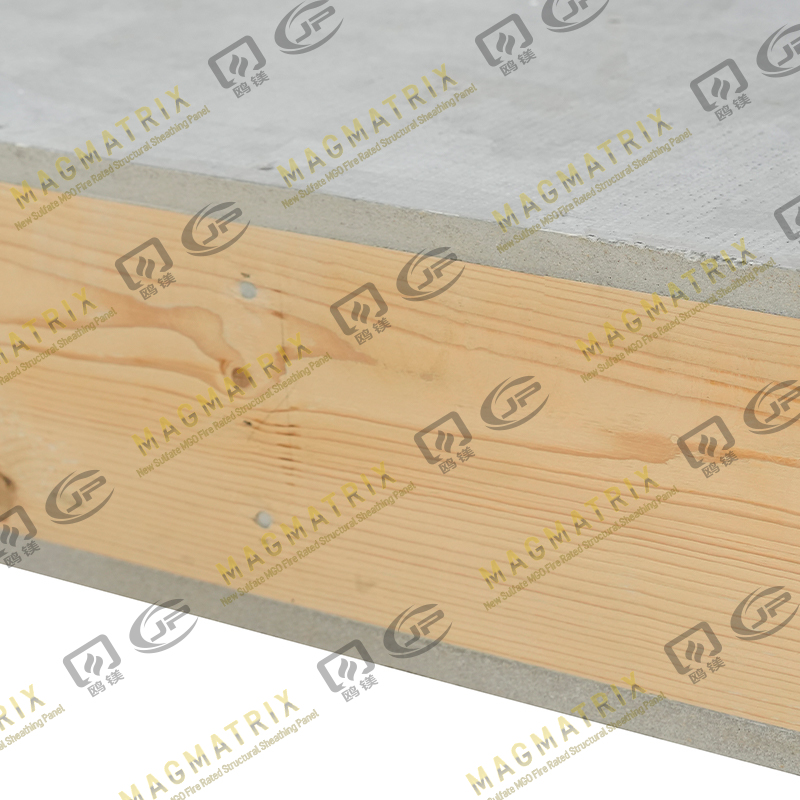 MagMatrix Multi-Support Structural MgO Sheathing BoardA load-rated structural deck panel built on BMSC sulfate MgO technology, suited to Type III exterior walls under NFPA 285 compliance. Check its span and load tables against your joist spacing for long spans and heavy live loads.View Product →
How to Buy Without Inheriting Someone Else's Failure
The failure stories that circulate online usually share a structure: an unknown supplier, an unverified chloride formula, and no test documentation. None of that risk is necessary, because credible manufacturers publish their evidence. Run this checklist before you commit to a brand:
- Confirm sulfate chemistry in writing and reject any board with a chloride-based binder.
- Request current ASTM E136 non-combustibility and ASTM E84 surface burning reports for the exact product you are pricing, not a similar one.
- Ask for the flooring fire certificate. The MagMatrix subfloor panel's A1 floor grade test report, for example, is available for review before you quote a project.
- Screen chemical safety. A 219-item SVHC report shows the board has been checked for substances of very high concern.
- If the panel is structural, demand shear and racking data such as ASTM D2718 results, plus span tables matched to your joist spacing.
Two final checks cost nothing: ask how the panels are stored at the factory and how they are wrapped for shipping. A well-made sulfate board tolerates jobsite moisture, but it should still arrive dry, flat, and edge-protected.
For fire-rated, moisture-exposed, or long-service floor decks, an MGO subfloor panel is now a specification you can defend, provided the chemistry is sulfate-based, the test reports are real, and the framing underneath is flat. Where the finished surface calls for vinyl plank, tile, or timber on a smooth base, pair the structural deck with a dedicated underlayment layer instead of pouring a leveling bed across the whole floor.
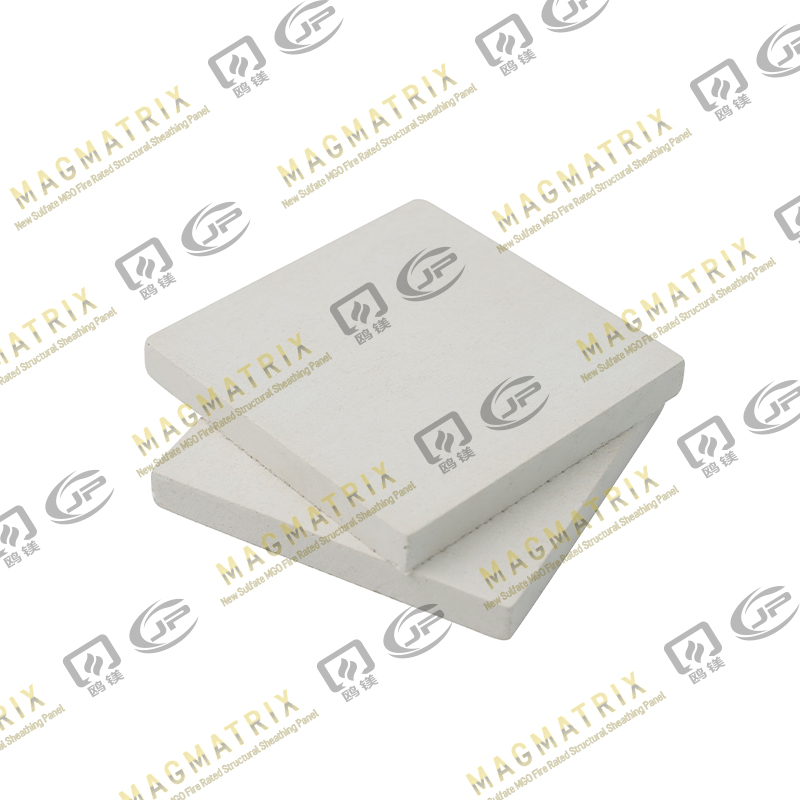
MgO Underlayment Panel for Finished Floors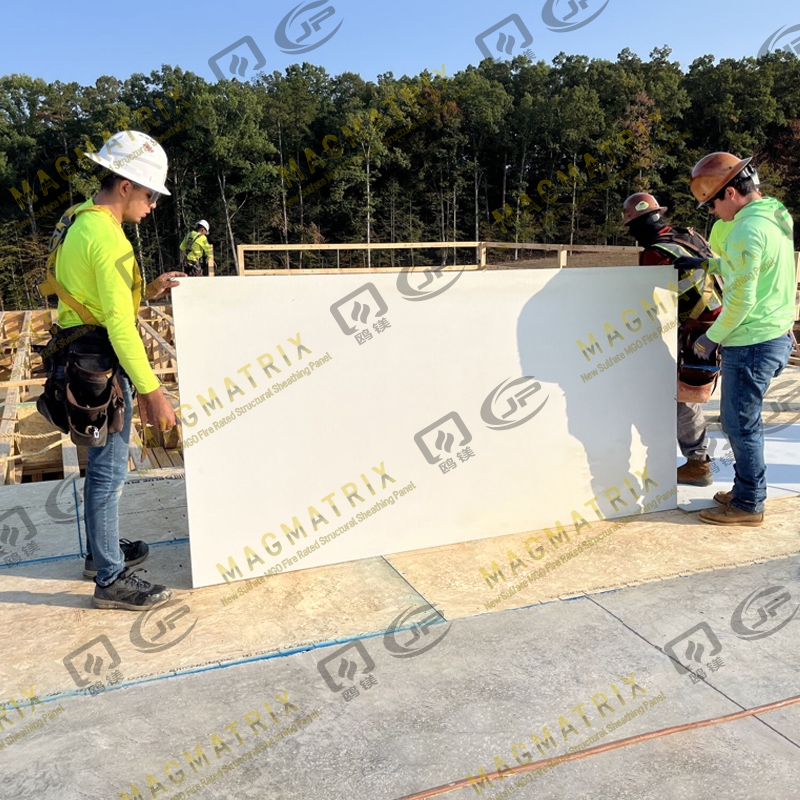 MagMatrix MgO Underlayment Panel with Mesh CoreA fire-resistant, dimensionally stable underlayment panel with mesh core that improves STC and IIC ratings and installs faster than gypsum alternatives. Pair it over the structural deck for smooth finishes like vinyl plank or tile.View Product →



 English
 русский
 Español
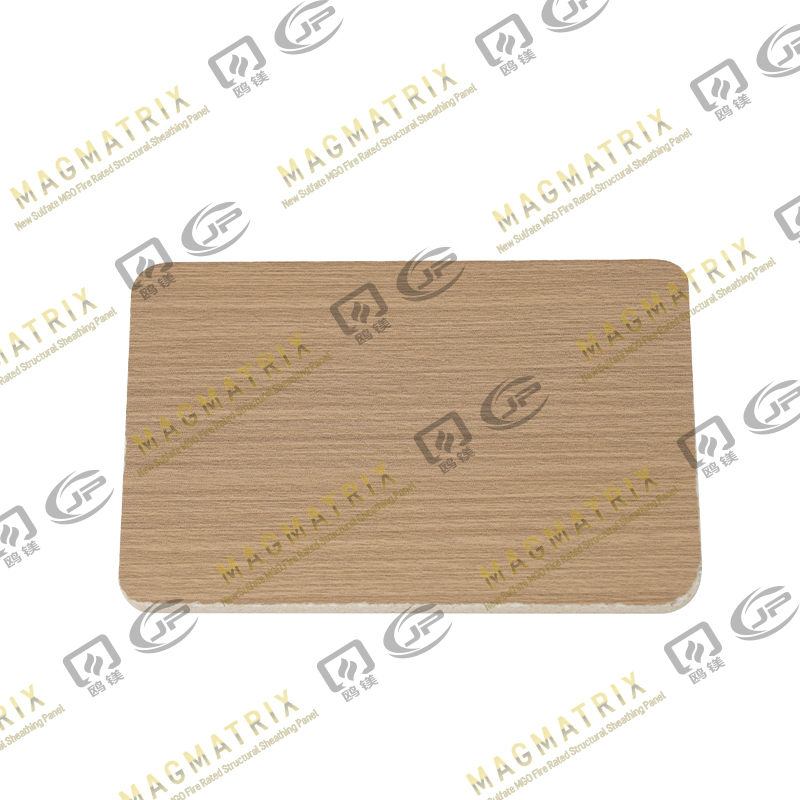
 BMSC 517 New Sulfate MgO Board
 Multi-Support MgO Wall Sheathing Board
 Perseverance MgO Wall Sheathing Board
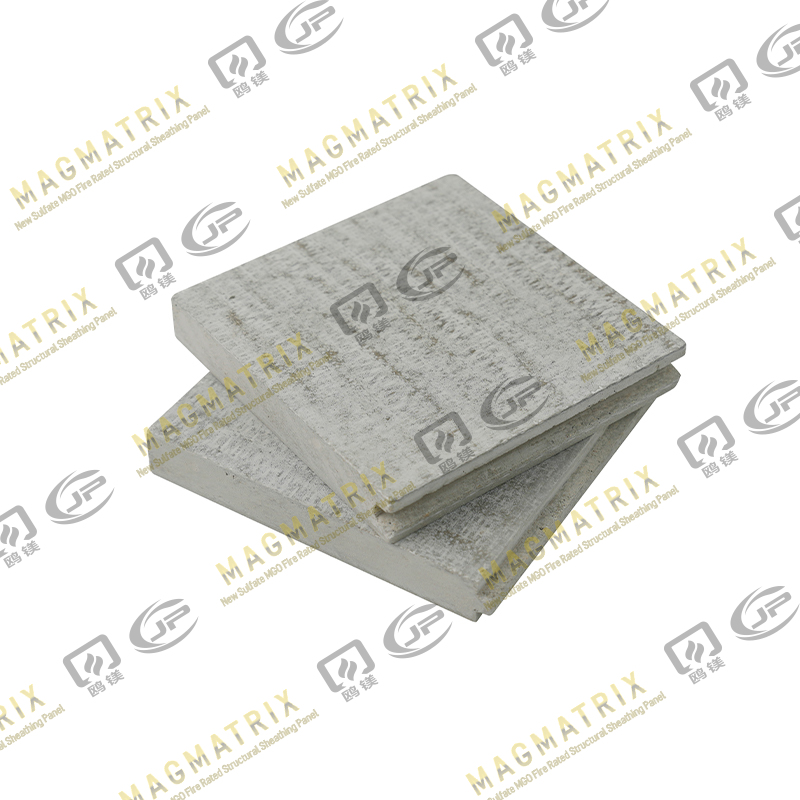 Multi-Support MgO Subfloor Sheathing Board
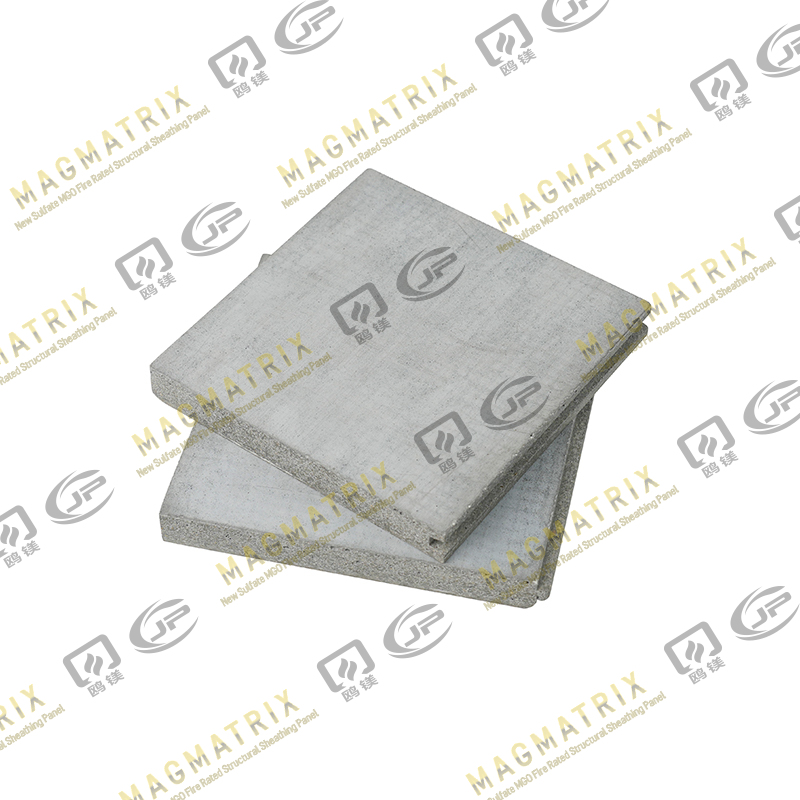 Perseverance MgO Subfloor Sheathing Board
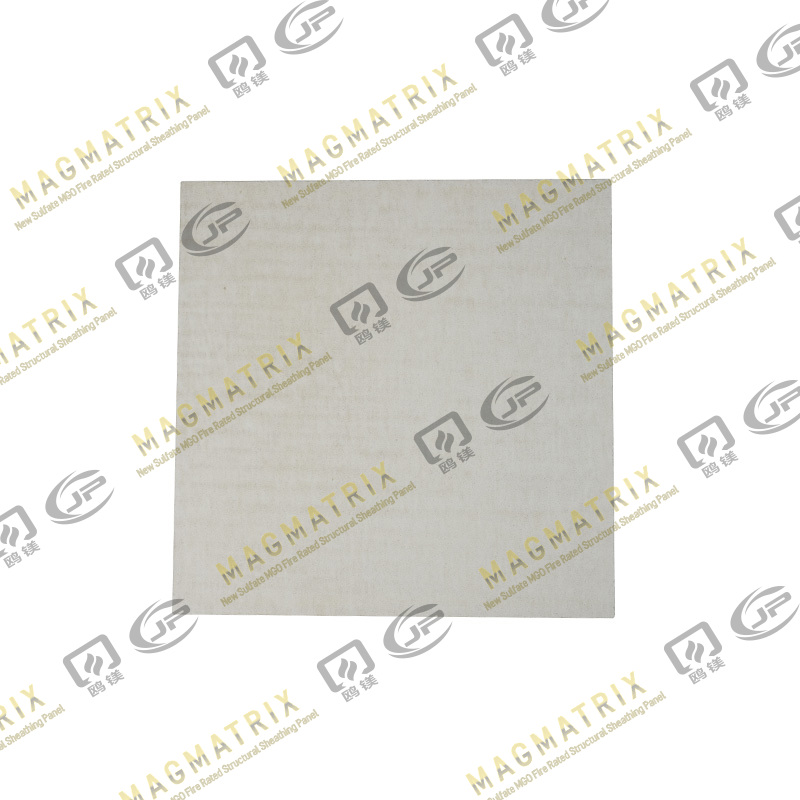 MagMatrix MgO Underlayment Panel/board