After a two-story commercial building in Florida suffered water damage behind its exterior cladding, the general contractor replaced failed gypsum sheathing with a magnesium oxide (MgO) wall sheathing board. This time, there were no stains, no mold, and no callbacks. That result is not luck; it depends on choosing the correct MgO chemistry. MgO wall sheathing board, when sourced as a sulfate-based panel, provides fire resistance, dimensional stability, and moisture tolerance that traditional gypsum, plywood, and OSB products often cannot match. This article explains what MgO wall sheathing is, why sulfate-based chemistry matters, and how to specify it with confidence.
What Is MgO Wall Sheathing Board?
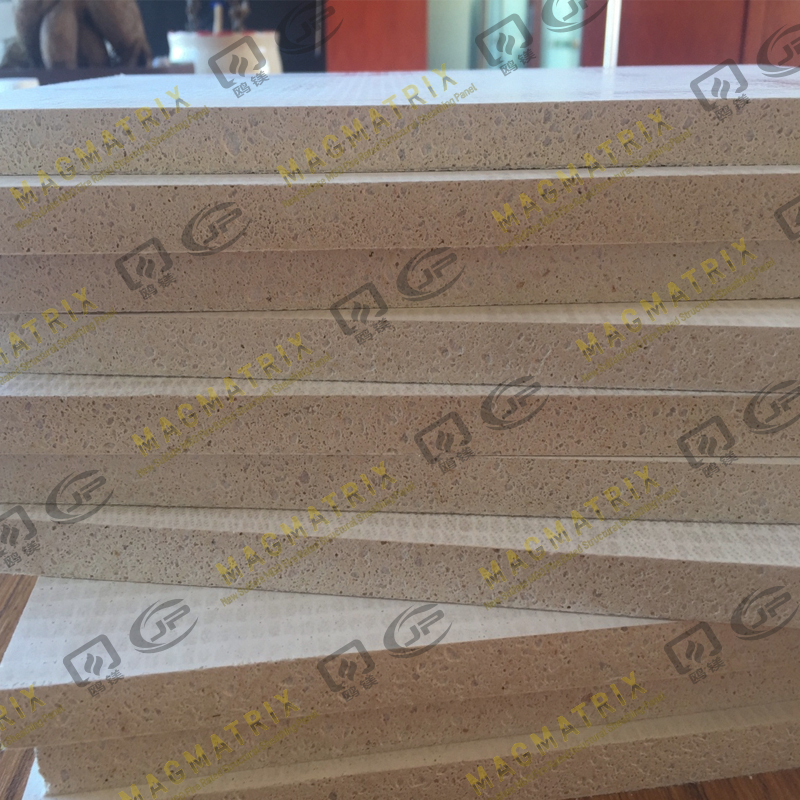
MgO board is an inorganic panel made from magnesium oxide, magnesium sulfate, inert fillers, and glass-fiber or cellulose reinforcement. It is formed under pressure and cured into a dense, cement-like sheet. As exterior wall sheathing, it serves as the substrate behind siding or cladding and contributes to the building envelope’s fire barrier and structural diaphragm. Unlike gypsum sheathing, MgO board does not depend on paper facing; unlike plywood or OSB, it contains no organic wood layers that feed mold or wick moisture.
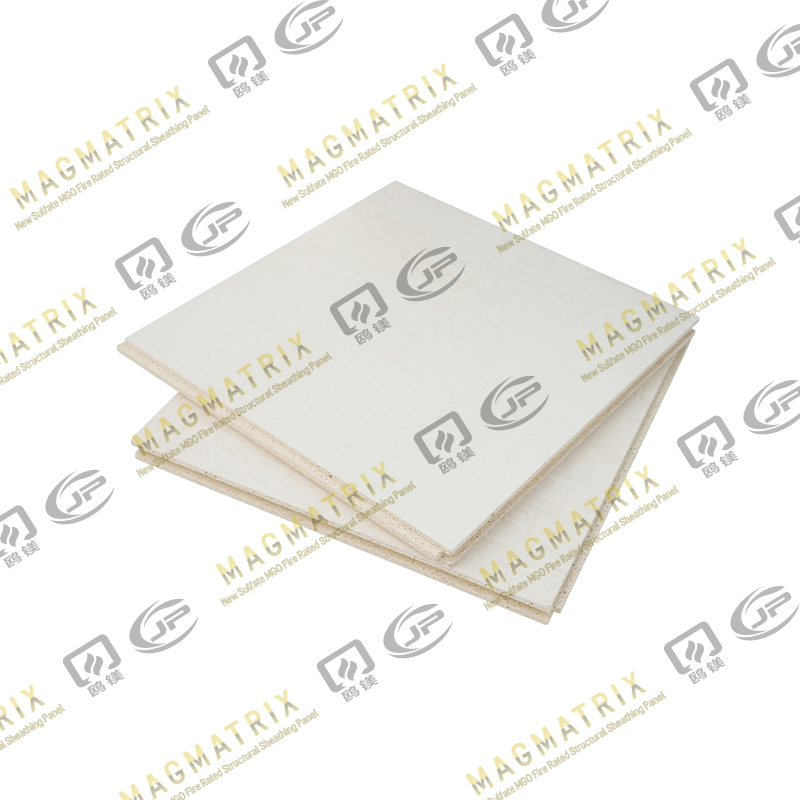
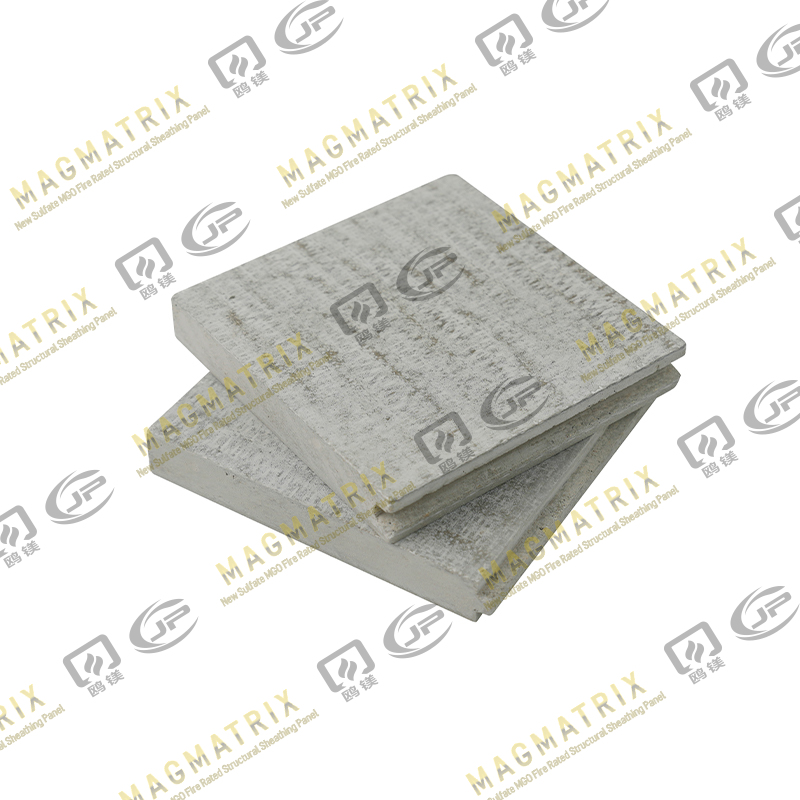
But not all MgO panels behave the same way. The base chemistry strongly influences long-term performance. For example, the MagMatrix MgO wall sheathing board is produced as a sulfate-based panel designed to avoid the weeping and corrosion issues seen in chloride-based products.
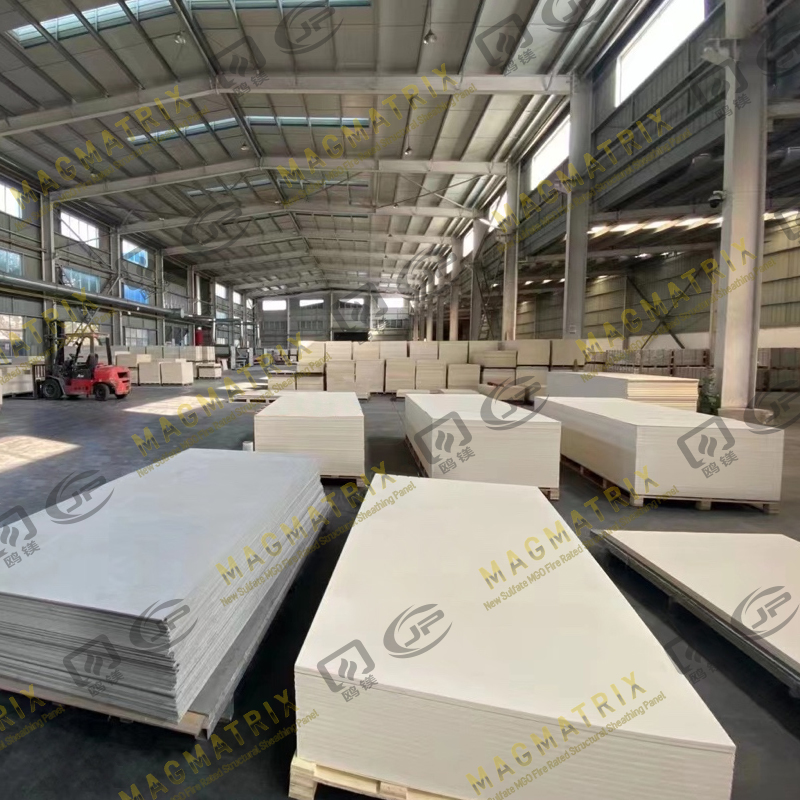 MagMatrix MgO Wall Sheathing Board Manufacturers, FactoryJinpeng are MGO Wall Board Manufacturers and Magnesium Oxide Sheathing Board Factory in China, Custom Magnesium Oxide Wall Sheathing Boar...View Product →
How MgO Wall Sheathing Compares with Gypsum, Plywood, and OSB
The best way to understand MgO wall sheathing is to compare it directly with the materials it replaces. The table below summarizes typical performance differences for the main categories of sheathing used in exterior walls.
Comparison based on typical product data and referenced test reports for sulfate-based MgO panels.
| Property |
Gypsum Sheathing |
Plywood / OSB |
Sulfate MgO Sheathing |
| Fire resistance |
Combustible paper face; Type X core limited to specific assemblies |
Combustible; contributes to fuel load |
Passes ASTM E136 noncombustibility; 2-hour wall assemblies tested |
| Moisture resistance |
High water absorption; swells and deteriorates |
Swells, delaminates, and rots with prolonged exposure |
Low water absorption; no wood fiber or paper to degrade |
| Mold and mildew |
Supports mold growth when paper gets wet |
Supports mold growth |
Inorganic surface; resistant to mold and mildew |
| Structural stiffness |
Low racking strength; prone to fastener tear-out |
Good shear strength but varies with grade and thickness |
High racking shear strength; engineered panels can match or exceed OSB |
| Dimensional stability |
Shrinks and cracks at joints with humidity changes |
Expands and contracts with moisture content |
Low expansion coefficient; stable in wet/dry cycles |
| Environmental impact |
Energy-intensive gypsum mining and processing |
Uses wood resources and solvent-based adhesives |
Uses abundant magnesium-based minerals; low VOC; often recyclable |
These differences matter on real projects. A fire-rated wall loses its rating when the sheathing burns or falls off before the required time. A water-damaged structural panel can allow the building envelope to shift. And mold growth behind cladding often becomes a costly remediation problem. Sulfate-based MgO sheathing addresses all three areas without requiring a separate fire barrier or waterproofing membrane in most standard assemblies.
The Critical Difference: Sulfate-Based vs Chloride-Based MgO
Many problematic MgO boards on the market are produced with magnesium chloride, sometimes blended with magnesite. Chloride-based boards absorb moisture from the air, leading to “weeping,” efflorescence, rusted fasteners, and even corrosion of steel studs. These issues have given MgO board a mixed reputation in some regions. In contrast, the BMSC 517 sulfate-based formula uses magnesium sulfate instead of chloride, which eliminates the deliquescent chloride salts that cause those failures.
This is why project failure stories often trace back to chloride boards, not sulfate boards. When evaluating a supplier, ask for the exact chemical formulation and review water-immersion and corrosion test results. For a deeper look at the raw-material chemistry, see our explainer on the science behind magnesium oxide sheathing boards.
Fire Performance and Test Evidence
Because MgO board is inorganic, it does not ignite or contribute fuel to a fire. Independent test campaigns on our panels show ASTM E136 noncombustibility, 2-hour fire resistance for wood- and steel-stud wall assemblies, and ASTM E84 Class A surface burning. This gives architects a clear path to meeting building codes and insurance requirements. The practical benefit is that sheathing can serve as part of the fire-rated assembly, not just a weather barrier.
You can review the actual test reports and engineering certificates on our documented test reports page. The documentation includes racking shear resistance, load calculations, and linear thermal expansion data that engineers can use for structural design. When a supplier provides this level of evidence, it is far easier to justify an MgO sheathing specification to a building official or project owner.
Moisture, Mold, and Long-Term Durability
Because the board has no paper or wood, it does not provide a food source for mold. In humid climates, sulfate-based MgO resists water intrusion better than gypsum and does not soften like fiber-faced materials. But all sheathing installations need proper flashing, vapor control, and joint treatment. The board alone is not a waterproof membrane; it is a water-resistant substrate that stands up to wet conditions far better than conventional panels.
Over time, the dense surface resists weathering and impact. This reduces maintenance and repair costs, especially in regions with heavy rain, high humidity, or frequent freeze-thaw cycles. Builders who have used MgO wall sheathing on coastal projects report fewer callbacks for rotten framing, stained exterior trim, and moldy cavities.
Installation Requirements and Common Pitfalls
Installation is straightforward but needs correct tools and fasteners. Use carbide-tipped blades for cutting, drill pilot holes near edges, and use coated or stainless steel fasteners. Space framing at 16 or 24 inches on center, and maintain a 1/8-inch gap at panel edges to allow thermal movement. Seal joints with compatible mesh tape and embedding compound. For exterior walls, protect the board from long-term direct water until cladding is installed.
- Use carbide-tipped blades for clean, straight cuts.
- Use coated or stainless steel fasteners to prevent galvanic corrosion.
- Keep a 1/8-inch gap between panels to accommodate thermal expansion.
- Seal joints with alkali-resistant mesh tape and a compatible joint compound.
- Wear a dust mask and eye protection when cutting; MgO produces mineral dust.
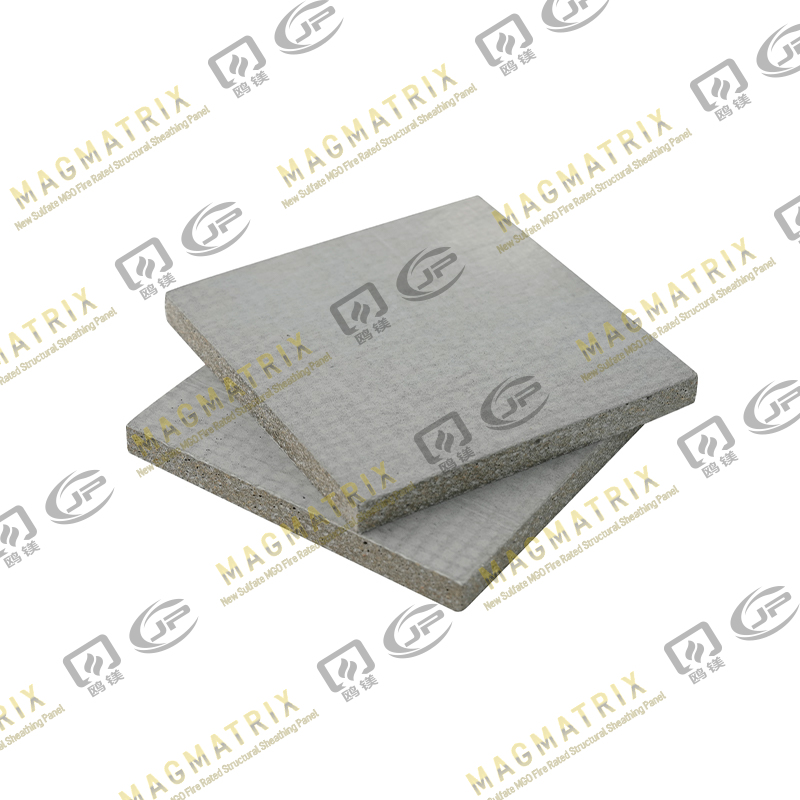
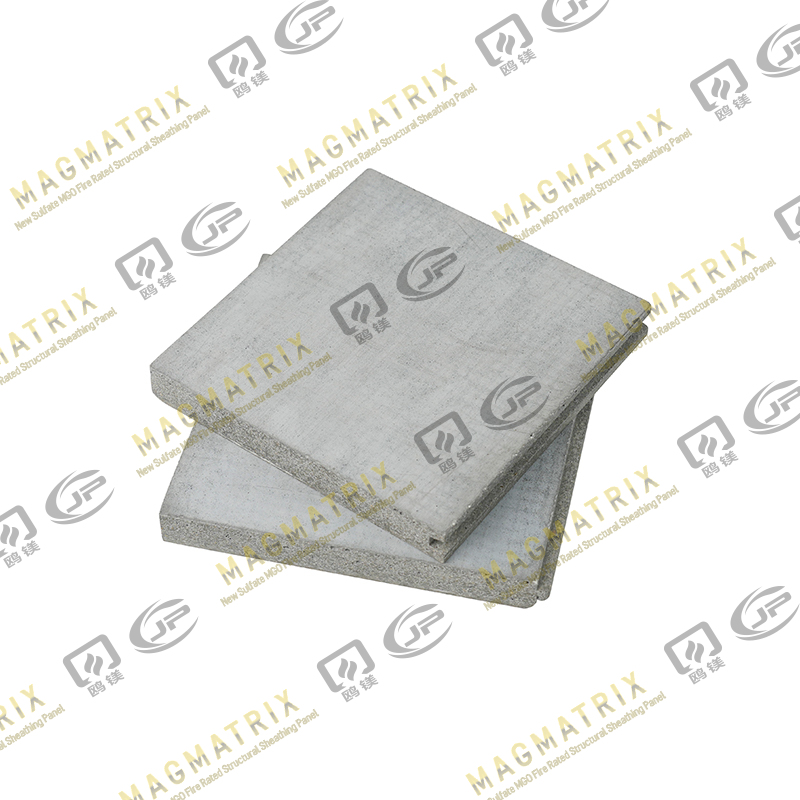
Fastener placement matters because MgO is denser than gypsum. A well-designed product like the Multi-Support MgO wall sheathing board takes fasteners cleanly and resists edge breakout, which makes the installation process more predictable, especially when working with full-height panels.
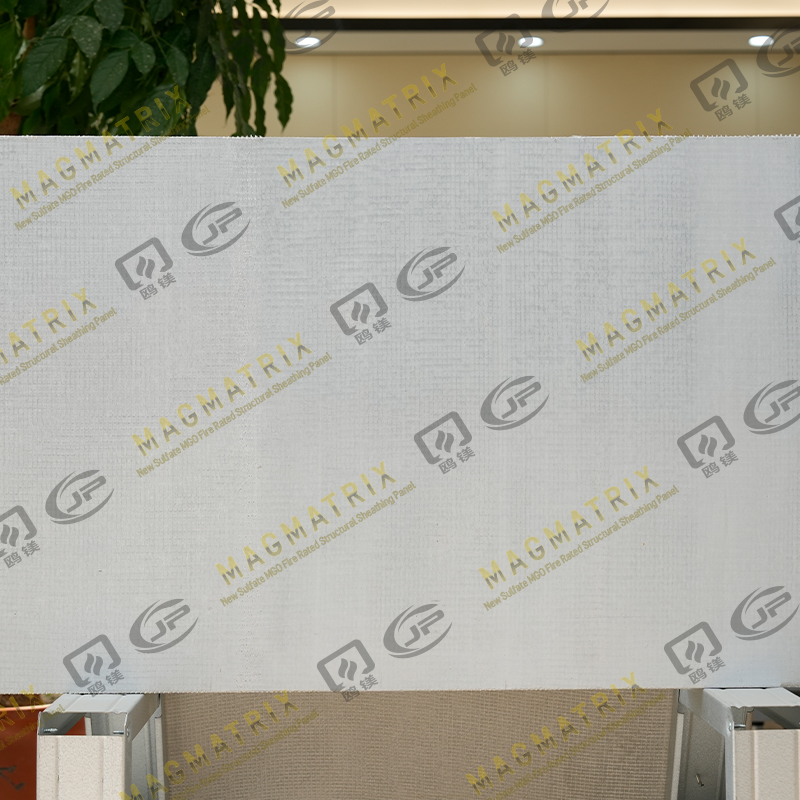 Multi-Support MgO Wall Sheathing Board Suppliers, Company - Jiangsu Jinpeng FireJiangsu Jinpeng Fireproof Board Co., Ltd. - China Multi-Support MgO Wall Sheathing Board Suppliers and Company, Wholesale Multi-Support M...View Product →
Selecting the Right MgO Wall Sheathing Board for Your Project
To select the right board, first verify the binder chemistry. Ask for a statement that it contains no magnesium chloride, and request test reports that show ASTM E119, E136, and E84 results. Look at density and thickness: typical wall sheathing panels range from 10 mm to 20 mm, with denser panels offering more impact resistance but more weight. Check the span rating and shear values if your design relies on the sheathing for racking resistance.
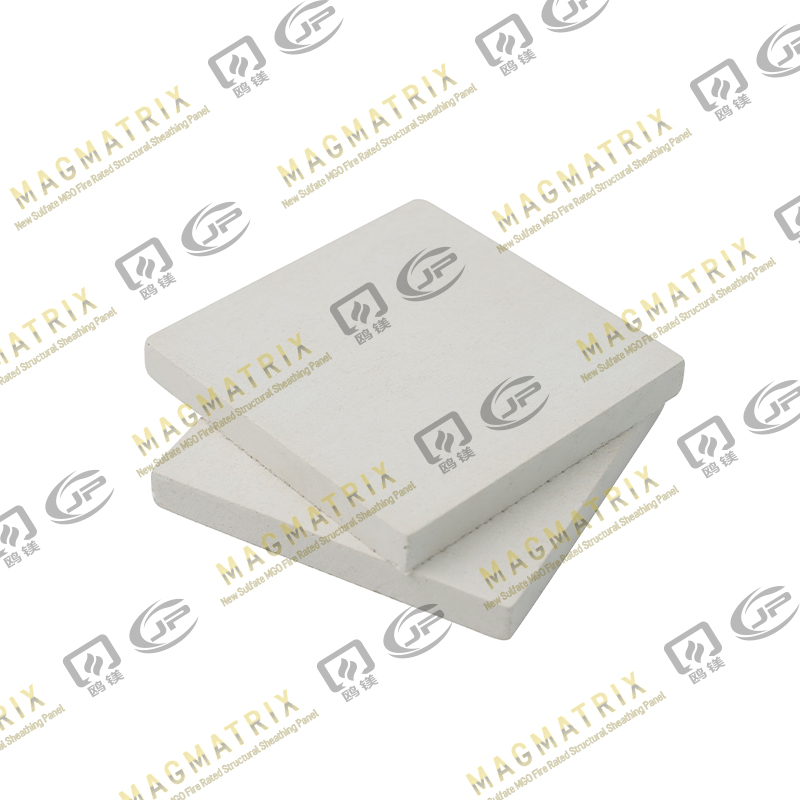
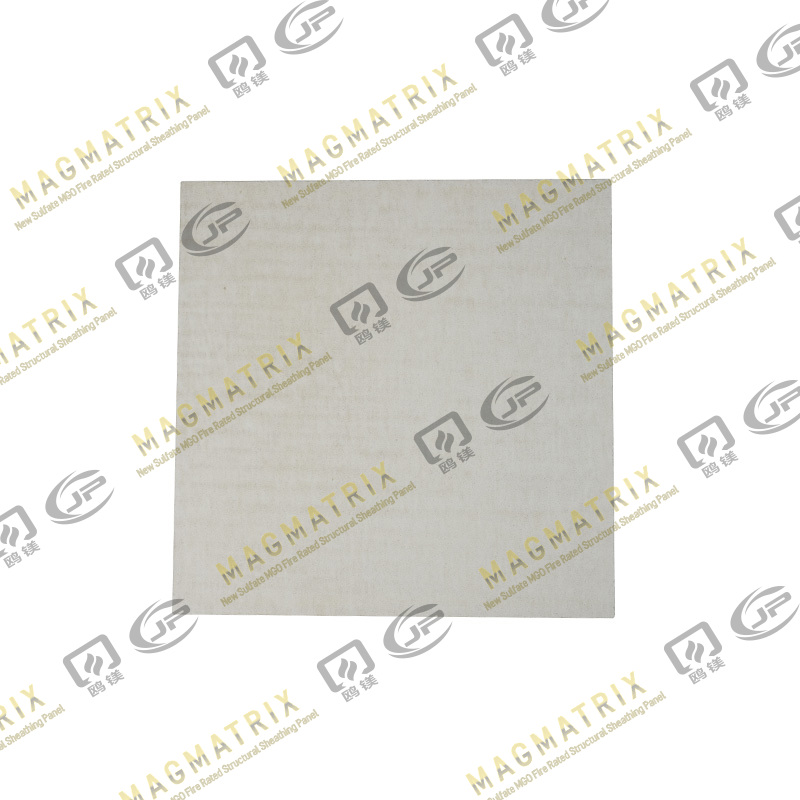
A product like the Perseverance MgO wall sheathing board provides published racking shear data and a clean compliance trail, which helps when the building department asks for documentation. Finally, evaluate the manufacturer’s consistency. Have they been producing MgO board for years, and do they perform quality control testing on each batch? All of these factors matter more than the sticker price.
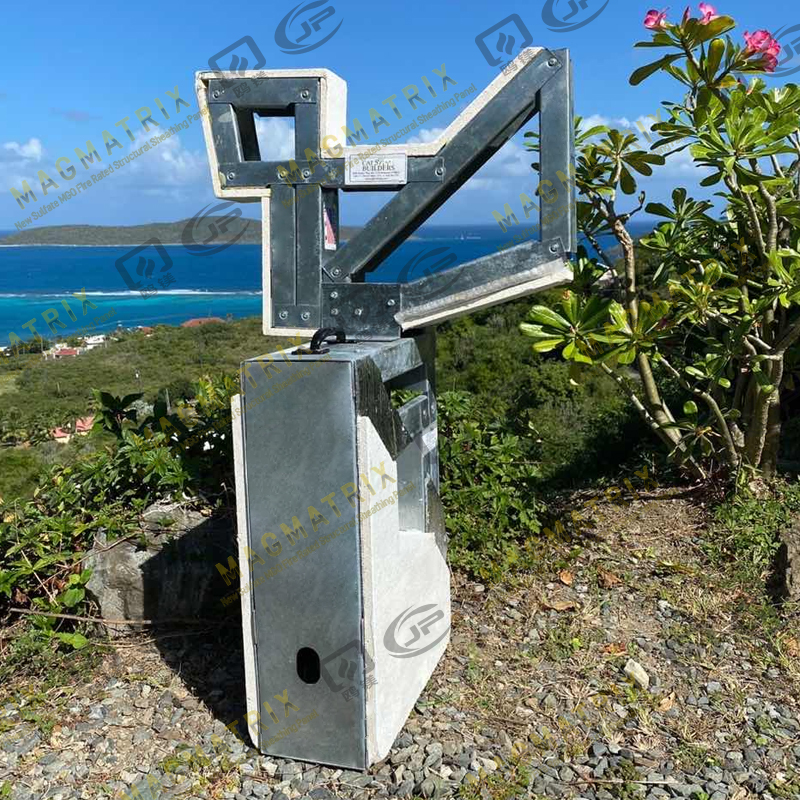 Perseverance MgO Wall Sheathing Board Suppliers, Company - Jiangsu Jinpeng FirepJiangsu Jinpeng Fireproof Board Co., Ltd. - China Perseverance MgO Wall Sheathing Board Suppliers and Company, Wholesale Perseverance MgO...View Product →
Conclusion
MgO wall sheathing board is a proven alternative to gypsum and wood-based sheathing when you specify a sulfate-based panel from a manufacturer with transparent test data. It addresses the three biggest pain points in exterior walls: fire risk, water damage, and structural performance. Look for the BMSC 517 chemistry or an equivalent sulfate formulation, review the test reports, and install with the recommended fasteners and joint treatment. When you do that, MgO wall sheathing is not a gamble; it is a reliable building material.



 English
 русский
 Español
 BMSC 517 New Sulfate MgO Board
 Multi-Support MgO Wall Sheathing Board
 Perseverance MgO Wall Sheathing Board
 Multi-Support MgO Subfloor Sheathing Board
 Perseverance MgO Subfloor Sheathing Board
 MagMatrix MgO Underlayment Panel/board