Most flooring failures don't start at the surface — they start underneath. A substrate that swells, cracks, or lets moisture through will eventually destroy whatever you lay on top of it, no matter how premium the finish. That's the core problem MgO Underlayment Panel solves, and why builders across North America and Europe are replacing traditional backer board and plywood with it.
What Exactly Is an MgO Underlayment Panel?
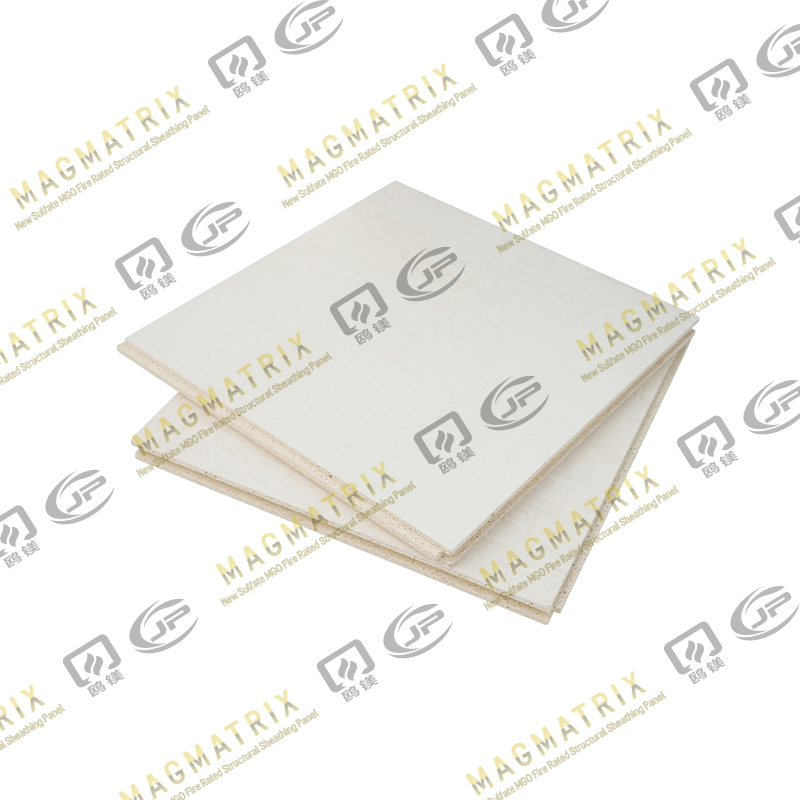
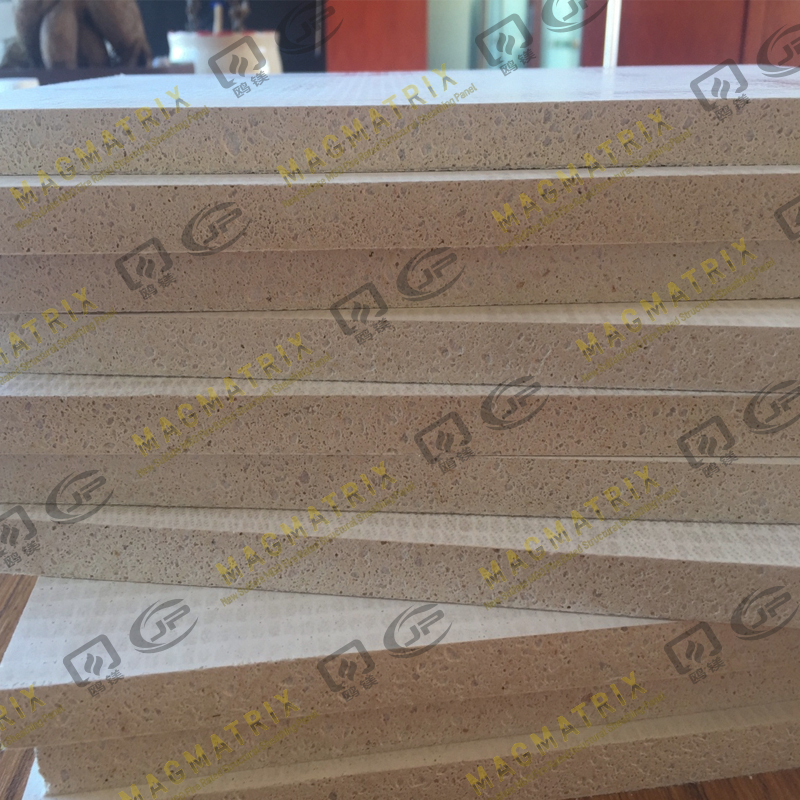
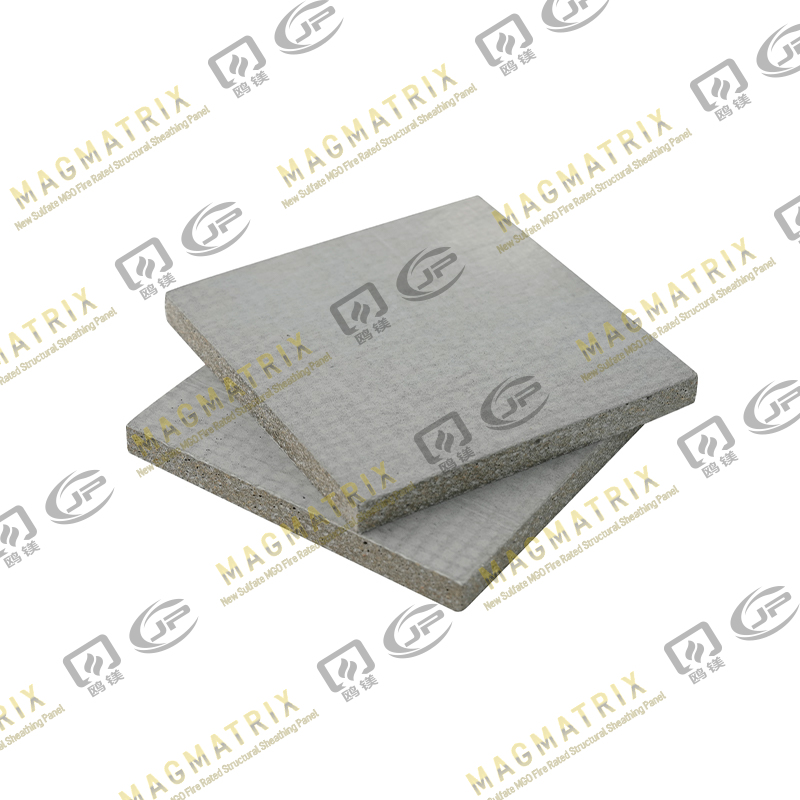
MgO stands for magnesium oxide — a mineral compound formed by bonding magnesium with oxygen. The panels are made by combining magnesium oxide with magnesium sulfate or chloride, reinforcing the mixture with layers of high-tensile fiberglass mesh, then curing it into rigid boards. The result is a panel that is inorganic through and through — no wood fiber, no paper facing, no organic binder.
That inorganic composition is the foundation of everything that makes it perform differently from OSB, plywood, or gypsum-based underlayments. Organic materials rot, mold, and burn. Magnesium oxide simply doesn't.
Five Performance Advantages That Matter on the Job
1. Class A Fire Rating with Zero Flame Spread
MgO underlayment boards are non-combustible and carry a flame spread index of 0 and smoke development of 0 under ASTM E136 testing — the same standard used to evaluate structural fire performance. In practical terms, the board does not ignite, does not feed a fire, and produces no toxic smoke. For multi-family residential, commercial, and mixed-use buildings where fire-rated floor assemblies are required under IBC, this is a critical specification advantage.
2. Genuine Moisture Resistance — Not Just Water Tolerance
Unlike cement board, which can slowly degrade with cyclic wetting and drying, or gypsum board, which is essentially destroyed by sustained moisture, MgO underlayment is structurally stable in wet conditions. It won't swell, delaminate, or warp. This makes it the right choice for bathrooms, kitchens, laundry rooms, basement floors, and any slab-on-grade application where moisture vapor transmission is a concern. The panels also resist mold and mildew because there is nothing organic for spores to feed on.
3. High Flexural and Impact Strength
Quality MgO underlayment boards — particularly those reinforced with multiple fiberglass mesh layers — achieve a flexural strength of over 16 MPa, compared to roughly 3–5 MPa for standard gypsum wallboard. This matters for floors: a stronger underlayment resists point loads from furniture legs, foot traffic, and equipment, reducing the risk of cracking or hollow spots developing under tile or stone over time.
4. Dimensional Stability Under Temperature Swings
Wood-based substrates expand and contract with temperature and humidity changes, which is one of the most common causes of grout cracking and tile lippage. MgO underlayment has a low coefficient of thermal expansion and maintains its dimensions reliably. For heated floor systems in particular, this stability is a significant advantage over plywood or OSB subfloors.
5. Compatible with All Major Finish Floor Systems
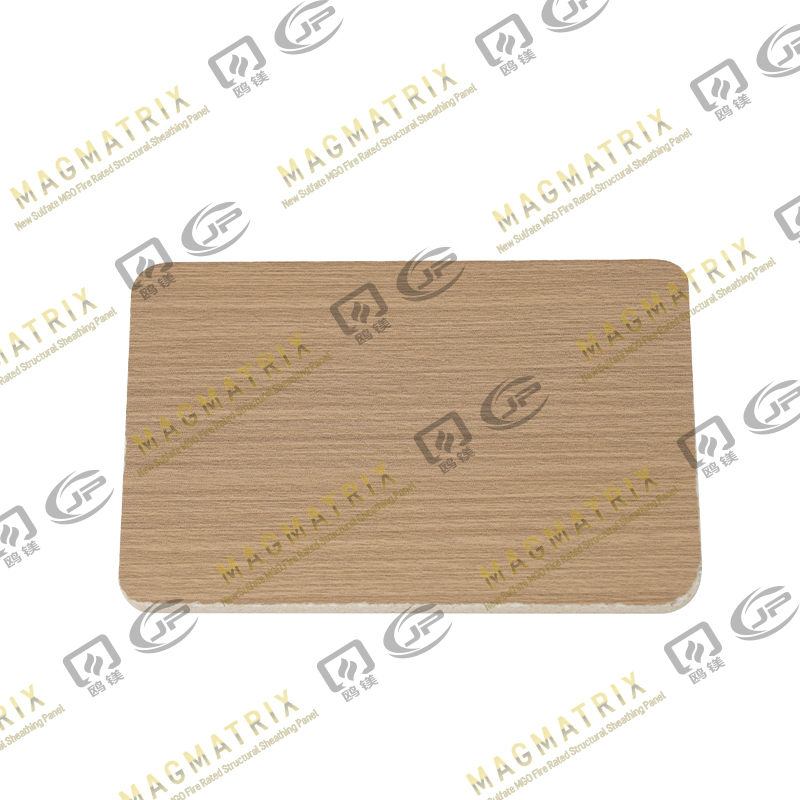
A good MgO Underlayment Board works directly under ceramic tile, porcelain, natural stone, luxury vinyl plank (LVP), laminate, engineered hardwood, and epoxy coatings. The surface is smooth and dimensionally consistent, providing the flat, rigid base that adhesive manufacturers require. Unlike some fiber cement boards, MgO can be scored and snapped with standard tools rather than requiring carbide cutting equipment.
Where to Use MgO Underlayment Panels
Residential Wet Areas
Bathrooms, shower rooms, kitchen floors, and laundry areas represent the most straightforward use case. The panel's moisture and mold resistance eliminates the need for a separate waterproofing layer in many assemblies, streamlining installation and reducing the number of trades involved.
Multi-Family and Commercial Floors
Where MgO subfloor sheathing excels in high-traffic applications, the underlayment variant provides the smooth, rigid transition layer over concrete or structural subfloors in offices, retail, hotels, and healthcare facilities. Fire code compliance in these occupancy types makes the Class A rating a requirement, not a bonus.
Modular and Prefabricated Construction
The role of MgO boards in modular construction is growing rapidly. Panels are lightweight enough to handle in factory settings, dimensionally stable during transport, and arrive on site ready to receive finish flooring without acclimatization delays. A board that won't warp in a factory or on a flatbed matters when modules are built months before installation.
Renovations Over Existing Concrete Slabs
When installing new flooring over older concrete — particularly in basements or ground-level slabs — moisture vapor from the slab is a constant risk. MgO underlayment panels tolerate this environment without degradation. They also provide a level surface when the slab is slightly uneven, especially when combined with a skim coat or self-leveling compound at the joints.
Installation: Four Practices That Prevent Problems
- Acclimate the panels first. Store MgO boards in the installation environment for 24–48 hours before laying them. This allows minor moisture equilibration and reduces the chance of movement after fastening.
- Use screws, not nails. Self-tapping screws at the manufacturer's specified spacing — typically 6" along edges and 8–12" in the field — create a mechanically secure connection. Nails can back out over time with floor vibration.
- Leave an expansion gap. A 1/8" gap between panels and at walls allows for minor movement without buckling. Fill gaps with a flexible, polymer-modified floor patch compound rather than rigid grout.
- Seal joints in wet areas. Despite being moisture-resistant, the edges and joints of MgO underlayment should be treated with a waterproof tape or alkali-resistant mesh and modified thinset in wet room applications to prevent prolonged water infiltration.
For a detailed installation breakdown, see our guide on best practices for installing and maintaining MgO flooring board.
Certifications to Verify Before You Buy
Not all MgO panels perform equally. Early-generation chloride-based MgO boards developed problems with moisture absorption and corrosion of metal fasteners in high-humidity climates. Sulfate-based MgO formulations largely solve this problem. When evaluating a supplier, ask for:
- ASTM E84 test results confirming flame spread and smoke development ratings — the baseline surface burning standard used across North America
- ASTM E136 or EN 13501-1 non-combustibility test reports
- ICC-ES or Intertek CCRR evaluation reports confirming the product has been independently reviewed for code compliance
- Third-party moisture and flexural strength testing, ideally to published ASTM standards for non-combustible materials
Manufacturers who can provide current, third-party test reports — not just product datasheets — are the ones worth talking to. The certification trail is how you separate genuinely compliant panels from products that borrow the MgO name without delivering the performance.
The Practical Takeaway
MgO underlayment panels solve a specific problem: they provide a substrate that is fire-rated, moisture-resistant, mold-proof, dimensionally stable, and strong enough to serve as a long-term foundation for finish flooring — all in a single panel that installs with standard tools. For builders looking to reduce call-backs, meet increasingly strict fire codes, and build floors that don't fail in wet environments, the case is straightforward. The material costs slightly more upfront than plywood. The performance difference makes the comparison easy.
Explore the full range of MgO Underlayment Panel specifications or review our complete MgO board product line to find the right solution for your application.



 English
 русский
 Español
 BMSC 517 New Sulfate MgO Board
 Multi-Support MgO Wall Sheathing Board
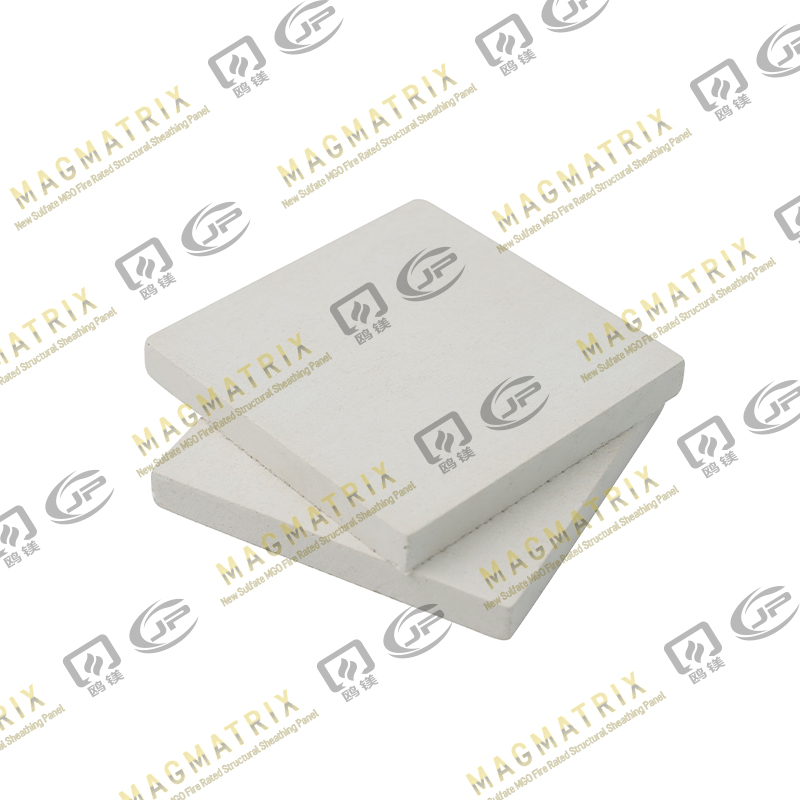 Perseverance MgO Wall Sheathing Board
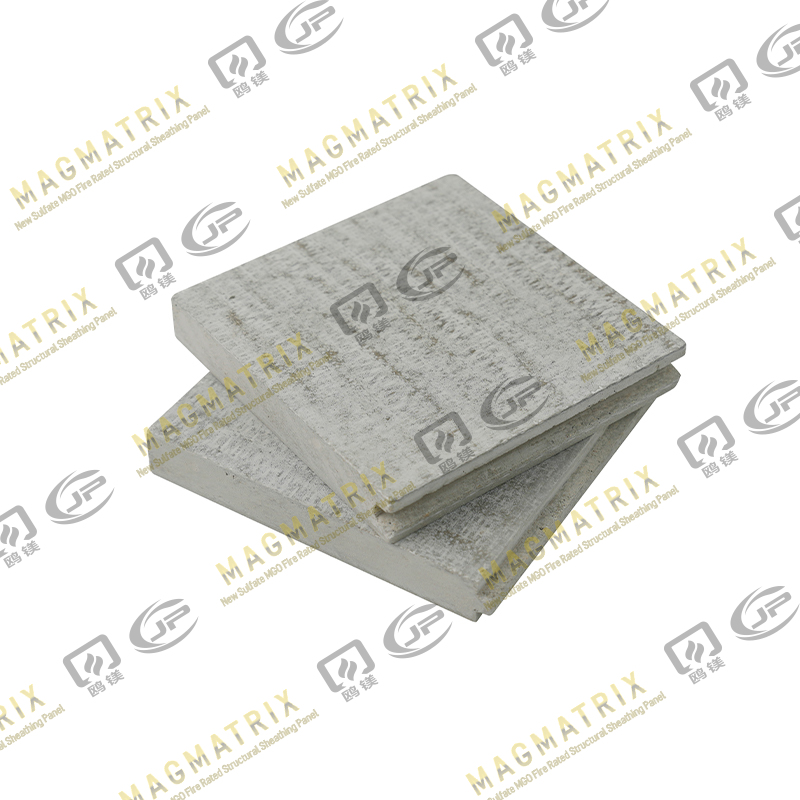 Multi-Support MgO Subfloor Sheathing Board
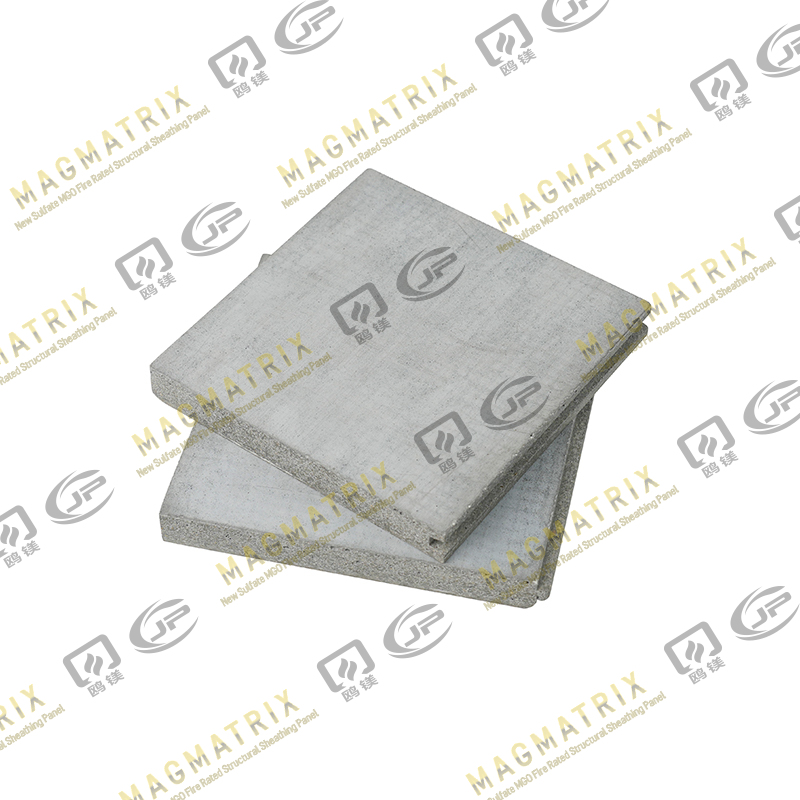 Perseverance MgO Subfloor Sheathing Board
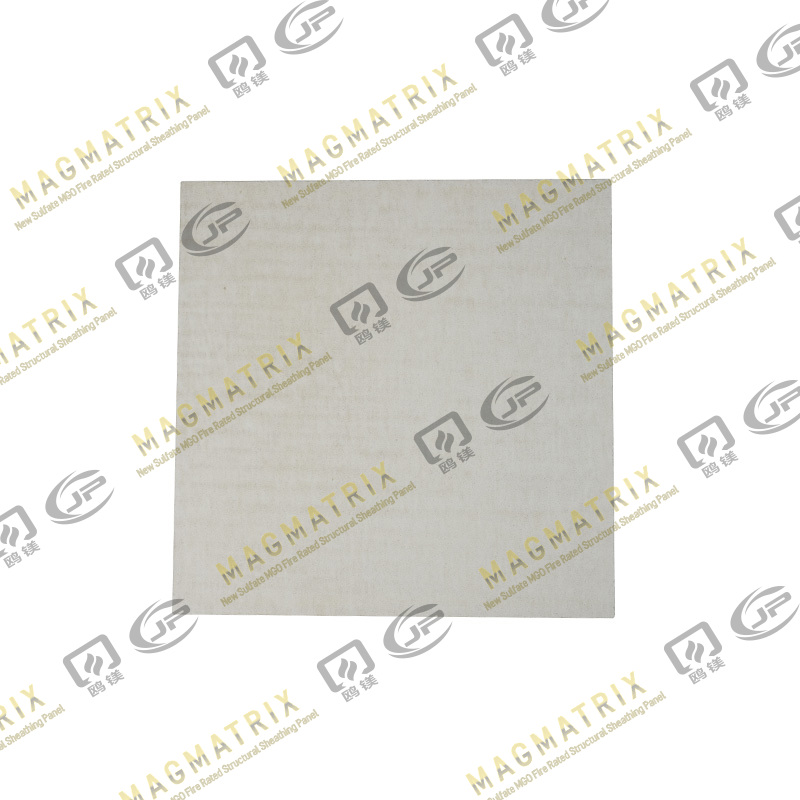 MagMatrix MgO Underlayment Panel/board