What Makes a Subfloor Panel "Structural"
A floor that bounces under foot traffic isn't a finish problem — it's a substrate problem. Plywood and OSB flex, swell when wet, and lose strength over time, which is exactly why so many multi-family and modular projects are moving to magnesium oxide panels instead.
A true structural subfloor panel options engineered for multi-level construction needs to do more than span joists. It has to carry live loads, resist moisture without warping, and contribute to the fire rating of the assembly above and below it. That's the bar a basic flooring board doesn't meet.
Key Specs to Check Before You Buy
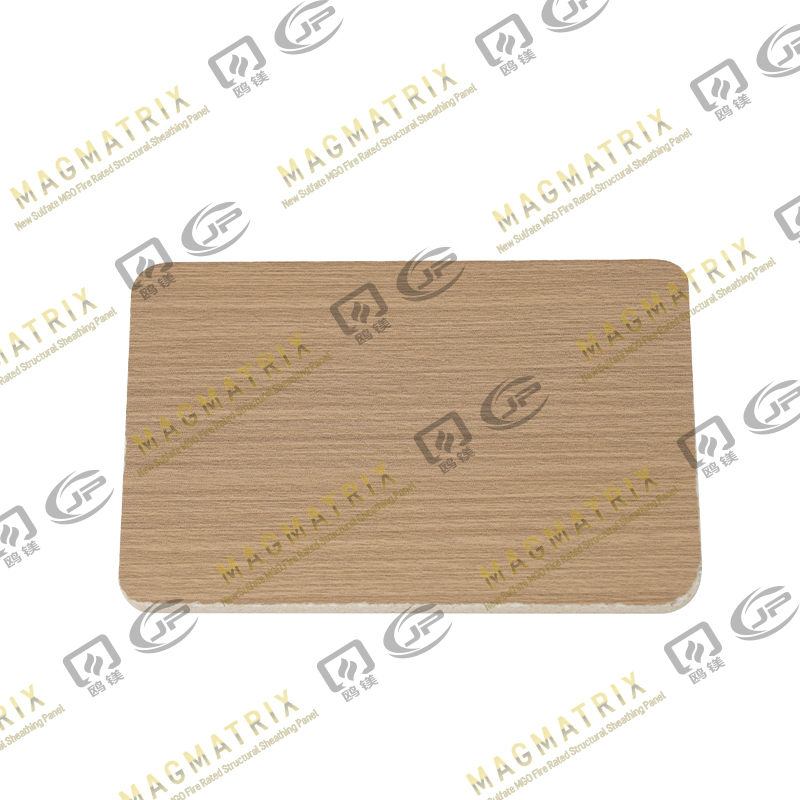
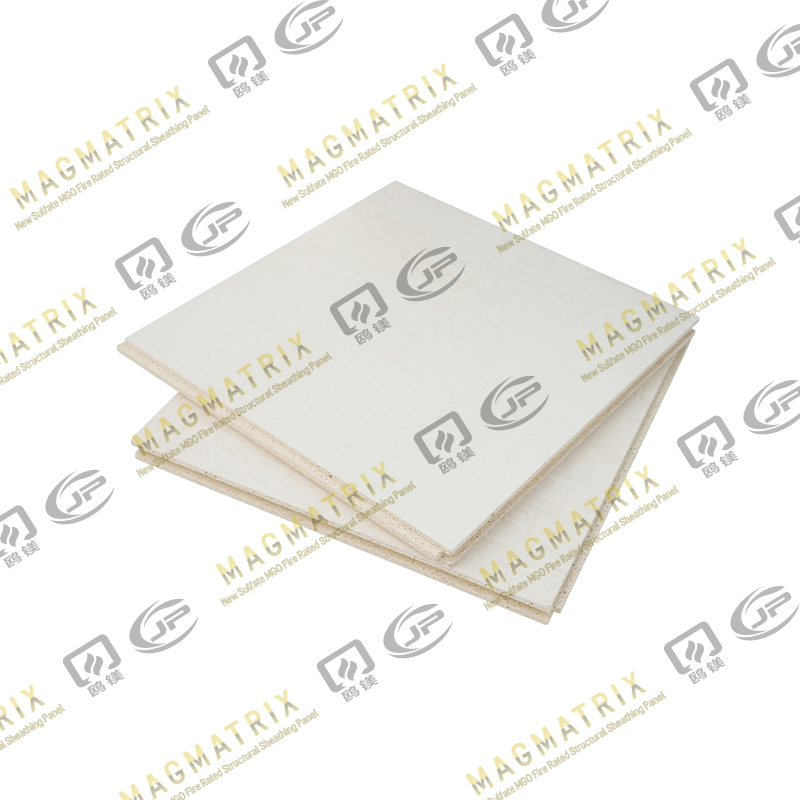
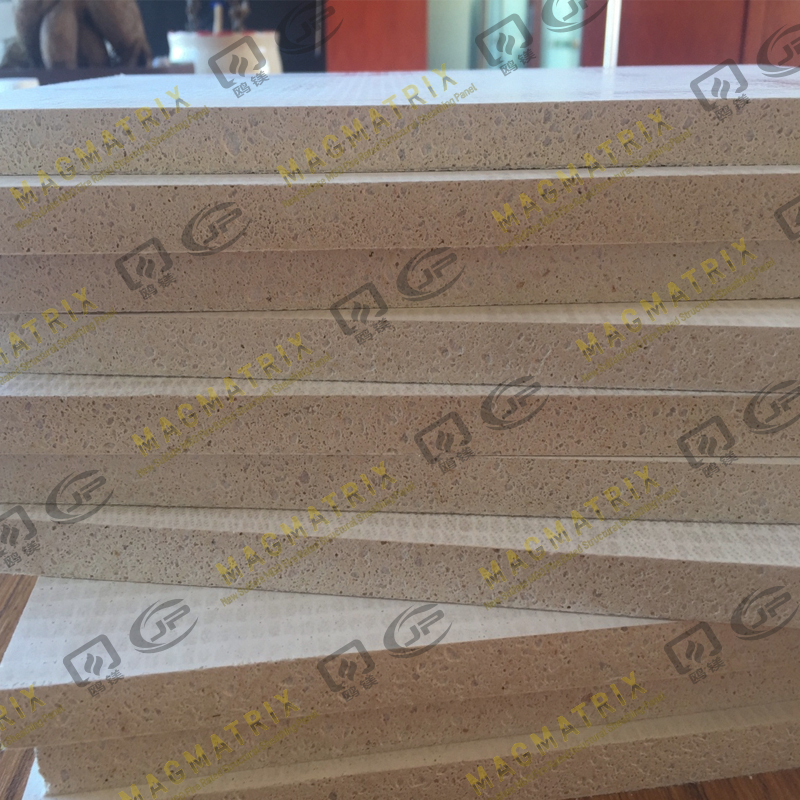
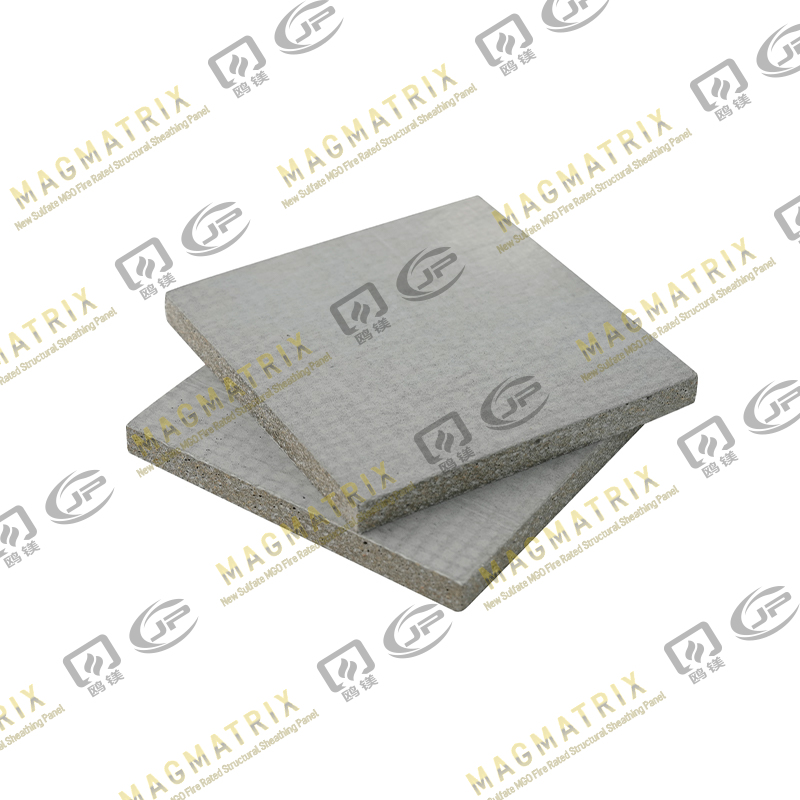
Specs sheets vary wildly between suppliers, so it helps to know what numbers actually matter. For the Multi-Support MgO Subfloor Sheathing Board, here's what the data sheet shows:
Core specifications for the Multi-Support MgO subfloor panel
| Property |
Value |
| Thickness |
16 / 18 / 19 mm |
| Sheet Sizes |
600 / 1220 mm x 2440 / 2740 / 3048 mm |
| Bending Strength |
18–21 MPa |
| Density |
1200–1400 kg/m³ |
| Edge Profile |
Tongue & Groove |
| Surface Burning |
Meets ASTM E84 |
Two numbers do most of the work here. Bending strength of 18–21 MPa means the panel resists deflection under point loads — furniture legs, equipment, foot traffic — without the dimpling that plagues thinner boards. And the density range tells you the panel is dense enough to hold fasteners securely without splitting at the edges.
Fire Performance That Meets Code
Fire rating is where MgO panels separate themselves from wood-based sheathing entirely. The Multi-Support board is built on chloride-free BMSC (Basic Magnesium Sulfate Cementitious) technology, which delivers a Fire Resistance Level of 60 to 120 minutes in the down direction when installed on a timber frame.
That rating matters most in Type III construction — buildings with non-combustible exterior walls and combustible interior framing, exceeding 40 feet in height. When the panel is installed according to the manufacturer's documented assemblies, it helps the floor system meet fire-resistance requirements for multi-story residential and mixed-use projects, on top of contributing meaningfully to acoustic separation between units.
Where Multi-Support Panels Fit (and Where They Don't)
This is the detail that trips up a lot of buyers. The Multi-Support model is approved for Type III timber-frame construction, but it is not approved for Type I or Type II buildings, where stricter non-combustibility requirements apply.
If your project falls into that higher classification, don't try to force-fit this panel — it's a code compliance issue, not a performance one. For Type I and II applications, the Perseverance MgO Subfloor Sheathing Board built for Type I and II buildings is the correct match, sharing the same moisture, mold, and termite resistance but engineered for the higher classification.
Installation Notes That Save Time
One reason crews like switching to MgO is that it doesn't demand new tools or a new workflow. The tongue-and-groove edges create a flush, tight joint between sheets, and the panel cuts with the same blades used for fiber-cement board — no pre-drilling required before fastening.
It's also significantly lighter than poured or precast concrete, which keeps structural loads down on multi-story builds while still outperforming comparable products at just 16–19 mm thick. Add in inherent resistance to mold, moisture, and termites, and the panel handles wet areas — bathrooms, decks, basements — without the protective layers that wood-based subflooring usually needs.
For crews planning their first install, it's worth reviewing the step-by-step installation guidance for fastening MgO subfloor panels before fastening schedules are finalized — getting joist spacing and fastener spacing right the first time avoids cracking and delamination down the line.



 English
 русский
 Español
 BMSC 517 New Sulfate MgO Board
 Multi-Support MgO Wall Sheathing Board
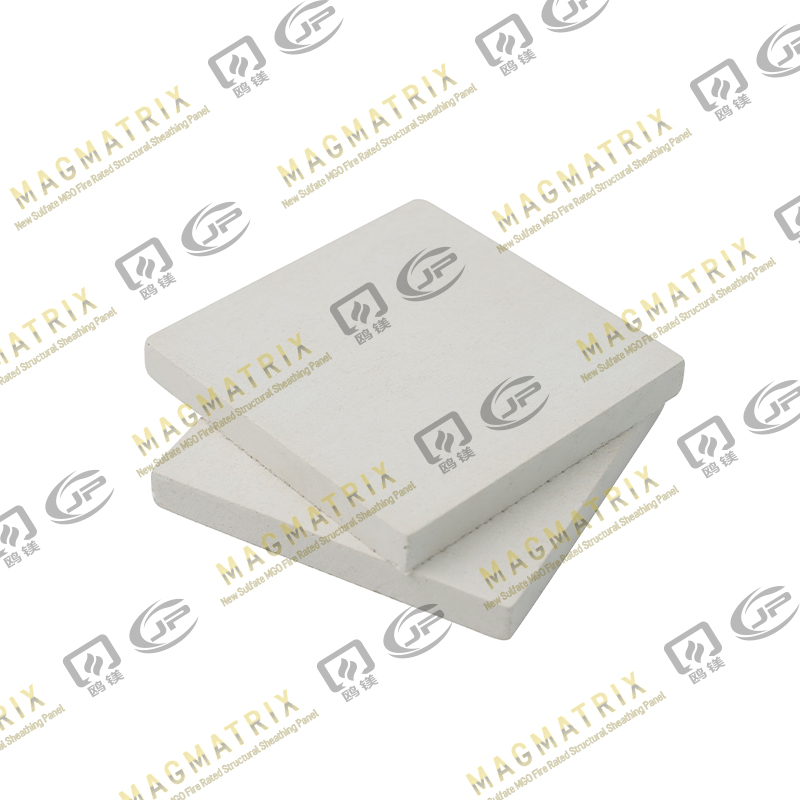 Perseverance MgO Wall Sheathing Board
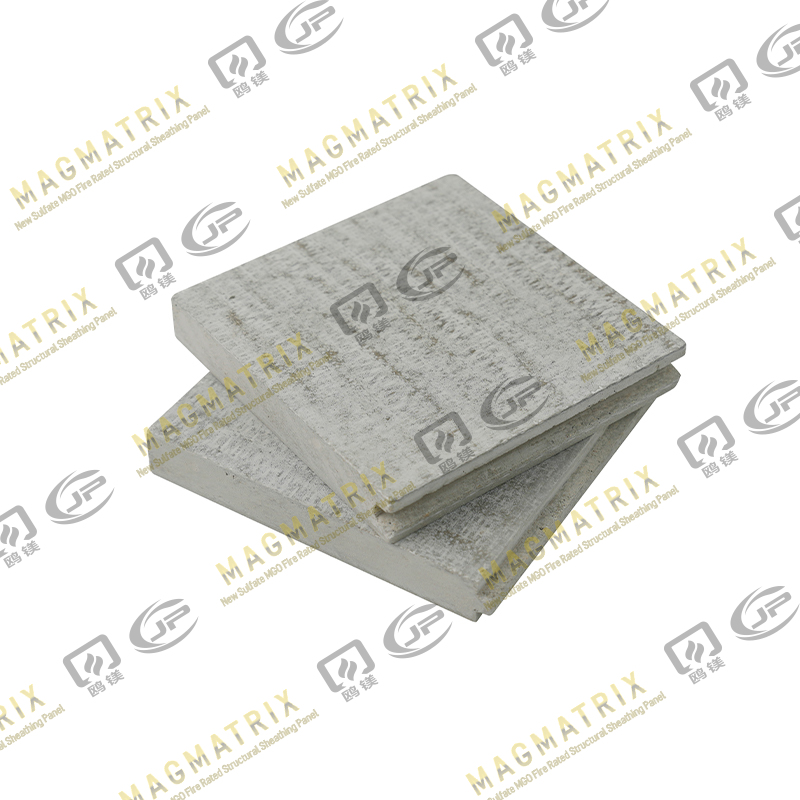 Multi-Support MgO Subfloor Sheathing Board
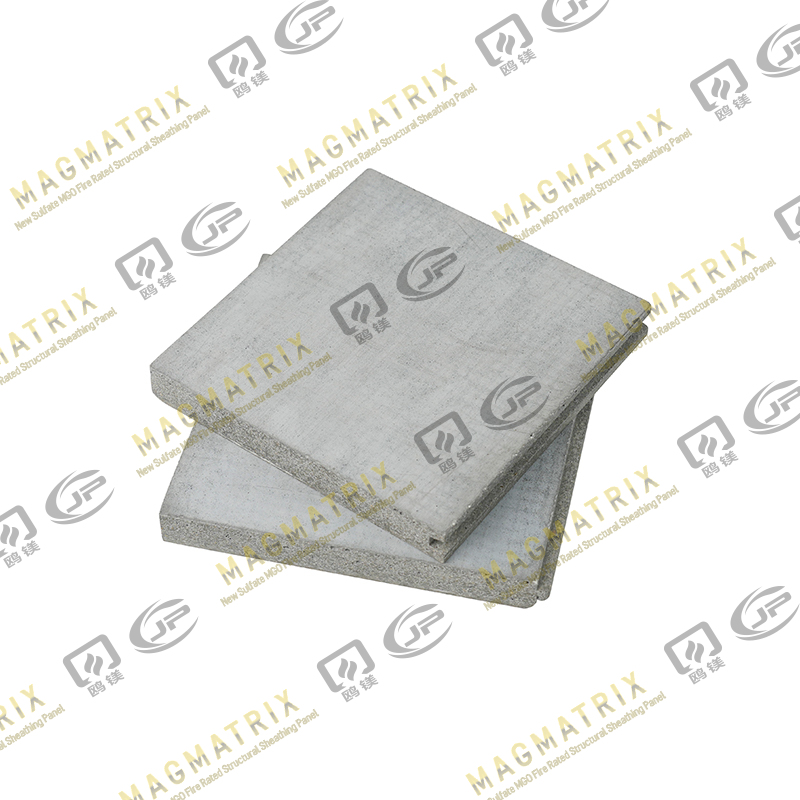 Perseverance MgO Subfloor Sheathing Board
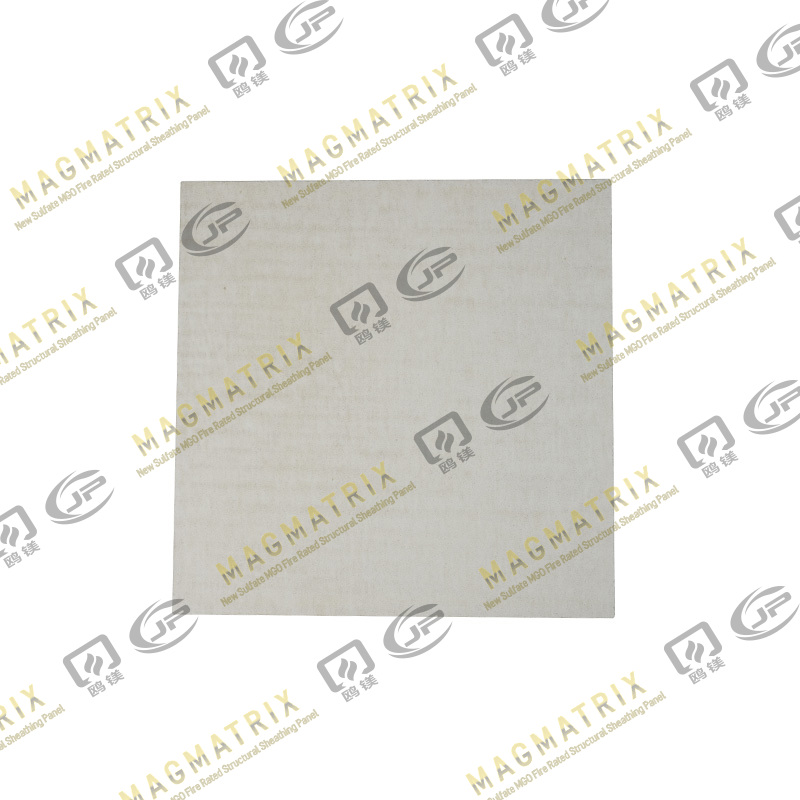 MagMatrix MgO Underlayment Panel/board