Most moisture failures in MgO board installations trace back to a single material decision made before the first panel was cut: chloride vs. sulfate binder. Builders who switched to sulfate MgO board with BMSC 517 phase-controlled technology report cleaner long-term performance — no weeping, no steel corrosion, no callbacks from moisture sweating through walls. Here's what the chemistry actually means for your next project.
The Core Problem with Chloride-Based MgO Boards
Traditional MgO boards use magnesium oxychloride (the 5·1·8 phase) as their binder. Under real-world humidity, free chloride ions migrate to the surface — producing the "weeping" effect that rusts metal fasteners and stains finishes. In cold climates, this cycle accelerates: the board absorbs moisture, chloride leaches, and connections weaken before the building is a decade old.
The construction industry began documenting this problem at scale after widespread MgO board adoption in the 2010s. By 2016, multiple North American projects were reporting corroded framing behind installed chloride-based panels. The material itself was fine in dry conditions — the problem was the binder.
How Sulfate MgO Board Solves It at the Chemistry Level
The answer lies in the 5·1·7 phase of basic magnesium sulfate cement (BMSC). Unlike the oxychloride system, the 5·1·7 phase uses magnesium sulfate (MgSO₄) as the hydration binder. This produces a crystalline structure that is fundamentally less water-soluble: water solubility of just 0.034 g/100g — on par with Portland cement, and dramatically lower than both the 3·1·8 and 5·1·8 oxychloride phases.
That number matters practically. Lower solubility means the binding phase stays stable when humidity fluctuates. There are no free chloride ions to migrate, so steel framing and fasteners remain unaffected even in humid climates. The magnesium oxide sulfate board also resists halogen return — the surface efflorescence common in chloride boards that signals binder breakdown.
Jinpeng Group's BMSC 517 formulation was developed with support from the Chinese Academy of Sciences "Hundred Talents Plan" and joint research with institutions in Germany, specifically to achieve a pure 5·1·7 phase rather than a mixed-phase product. Mixed-phase boards still contain residual chloride chemistry; single-phase 517 boards do not.
Fire Performance: What the Certifications Actually Confirm
Fire resistance is where magnesium sulfate MgO board earns its place in structural applications. The BMSC 517-based MagMatrix product line holds the following verified certifications:
- ASTM E119 — 2-hour fire resistance rating for both steel stud and wood stud wall assemblies, verified by third-party testing under the standard fire test method for building construction and materials
- EN13501-1 A1 FL — the highest Euroclass non-combustible rating, confirmed for subfloor panel applications
- ASTM E136 — non-combustible classification
- Intertek CCRR-0457 — Code Compliance Research Report covering wall sheathing assemblies, updated in 2025
Achieving a 2-hour ASTM E119 rating means the assembly withstands thermal exposure beyond 1,000°F in the first 5 minutes, climbing past 1,700°F within the hour — without flame penetration or structural failure. That performance, combined with zero toxic gas emissions during combustion, makes it a substantively different product from gypsum board in fire scenarios.
Where Sulfate MgO Board Is Actually Used
The applications expand once moisture and fire performance are solved simultaneously. BMSC 517-based boards cover five structural use cases:
- Exterior wall sheathing — replaces OSB and plywood with a fire-rated, moisture-stable alternative behind cladding systems
- Roof sheathing — dimensionally stable under temperature cycling, no expansion-related ridging
- Structural subfloor panels — EN13501-1 A1 FL rated; tested under ASTM D2718 racking shear and ASTM E72 on steel stud
- Interior non-load-bearing lining boards — used in fire-rated partition assemblies where gypsum board would require multiple layers
- Decorative lamination backer boards — stable substrate for melamine, HPL, and PVC finishes in hospitality and healthcare fit-outs
In modular and prefab construction especially, the material's consistent dimensional stability reduces tolerance stacking issues that arise when panels expand or contract between factory assembly and site installation.
Mechanical Properties Worth Specifying
Beyond fire and moisture, structural performance determines whether a board can actually replace OSB or drywall in load-bearing applications. The MagMatrix product line uses four layers of high-tensile alkali-resistant fiberglass mesh embedded in the BMSC 517 matrix, delivering:
MagMatrix Sulfate MgO Board — Key Mechanical Specifications
| Property |
Performance Value |
| Bending Strength |
> 22 MPa |
| Impact Strength |
> 38 MPa |
| Water Solubility (5·1·7 phase) |
0.034 g/100g |
| Fire Rating (ASTM E119) |
2 Hours |
| Combustibility Class (EN13501-1) |
A1 / A2 |
These figures put it ahead of standard gypsum board on every structural metric — and ahead of chloride MgO boards on moisture safety. For projects requiring a direct comparison between sulfate and chloride-based MgO systems, the differences compound over a building's service life.
The Specification Decision
For architects and structural engineers, the key question is whether the product holds a Code Compliance Research Report (CCRR) or equivalent recognition in the target jurisdiction. Intertek CCRR-0457, held by MagMatrix boards, covers wall sheathing applications under the IBC and IRC — which means it can be specified directly without requiring a special engineering study on each project.
If your project involves high-humidity exposures, fire-rated assemblies, or modular construction where moisture control during transport and installation matters, magnesium sulfate MgO board based on the BMSC 517 phase is the version of MgO board that actually delivers what the category promises. The binder chemistry is the specification — everything else follows from it.



 English
 русский
 Español
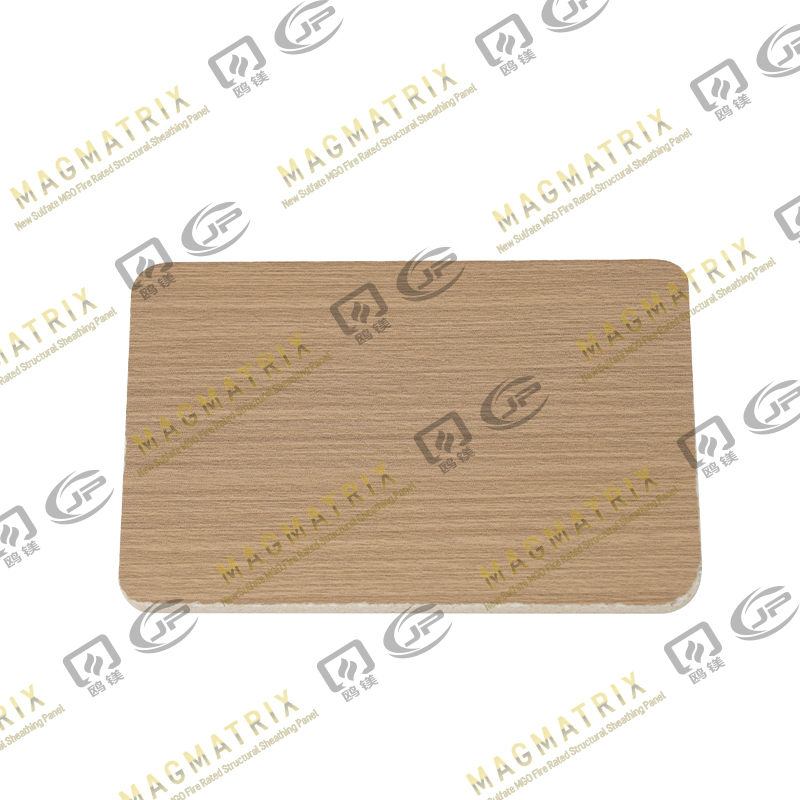
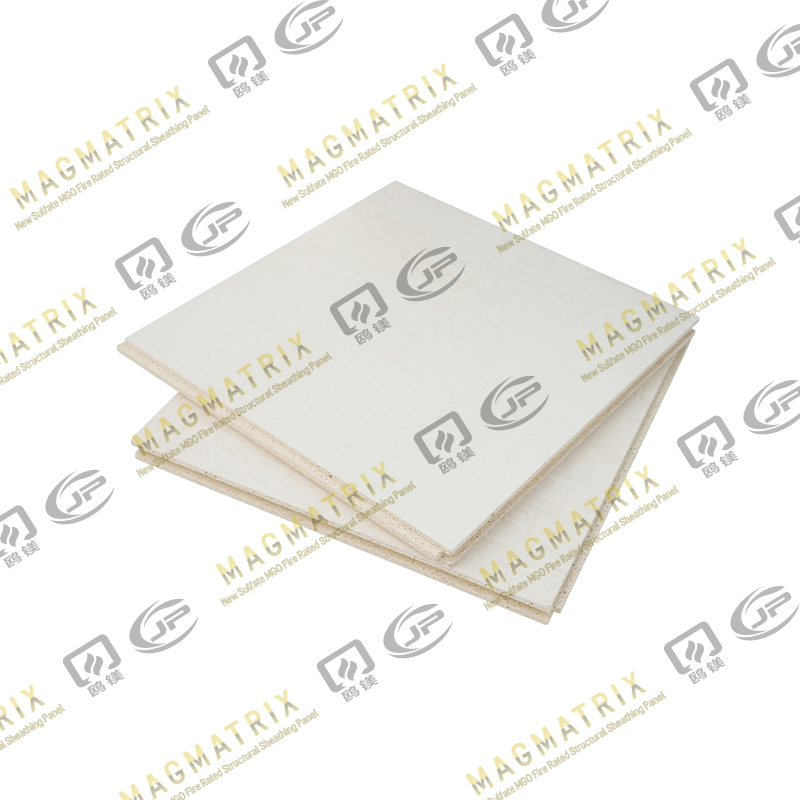
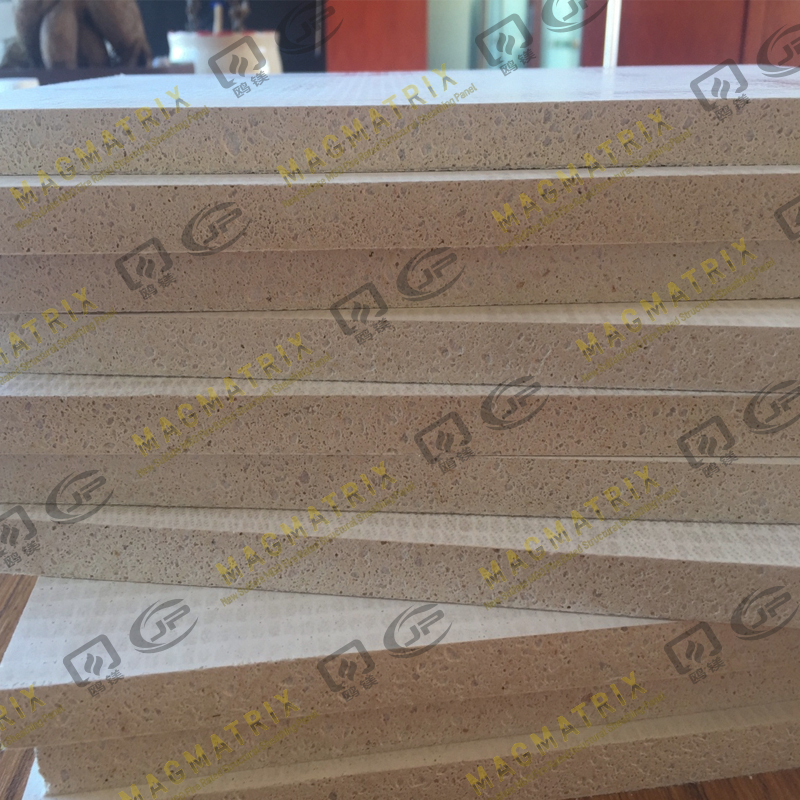 BMSC 517 New Sulfate MgO Board
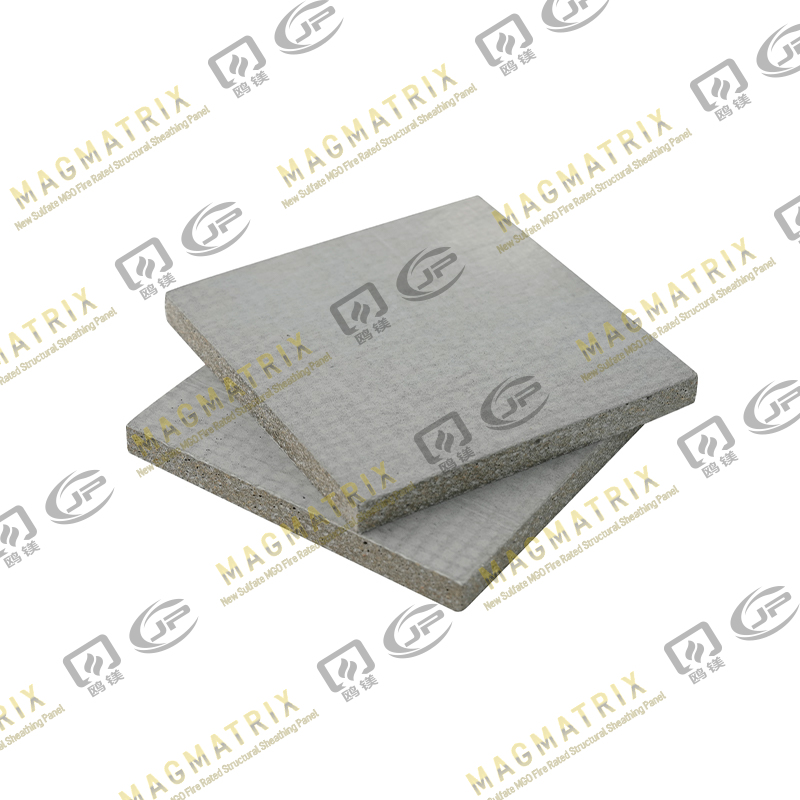 Multi-Support MgO Wall Sheathing Board
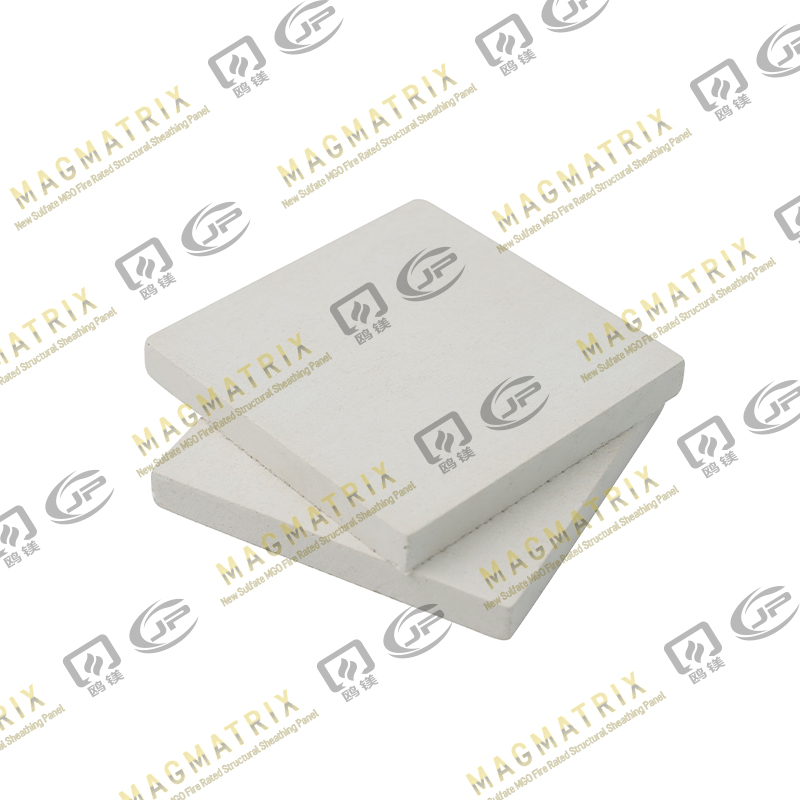 Perseverance MgO Wall Sheathing Board
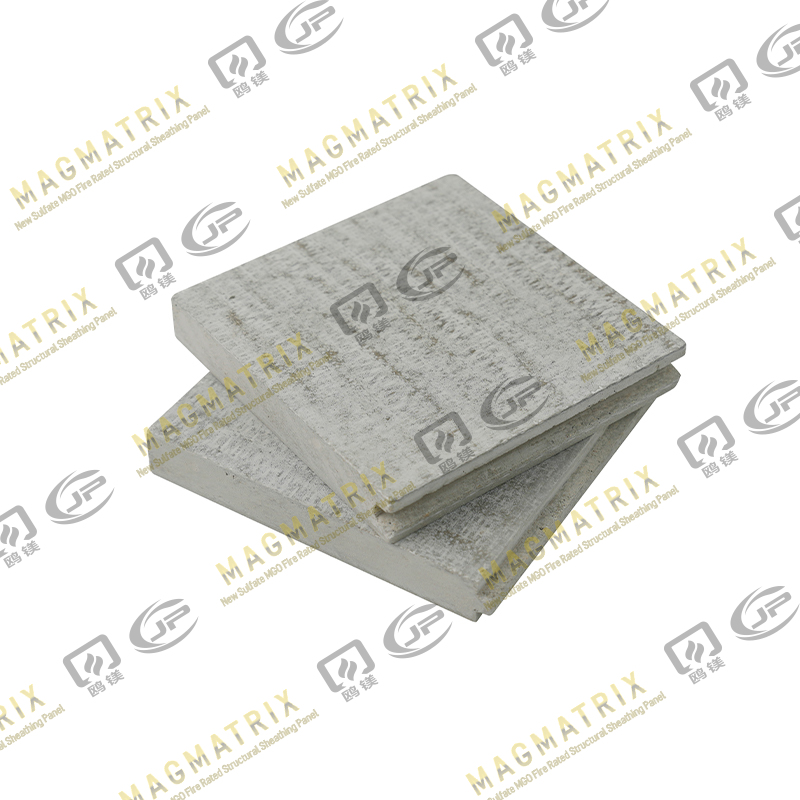 Multi-Support MgO Subfloor Sheathing Board
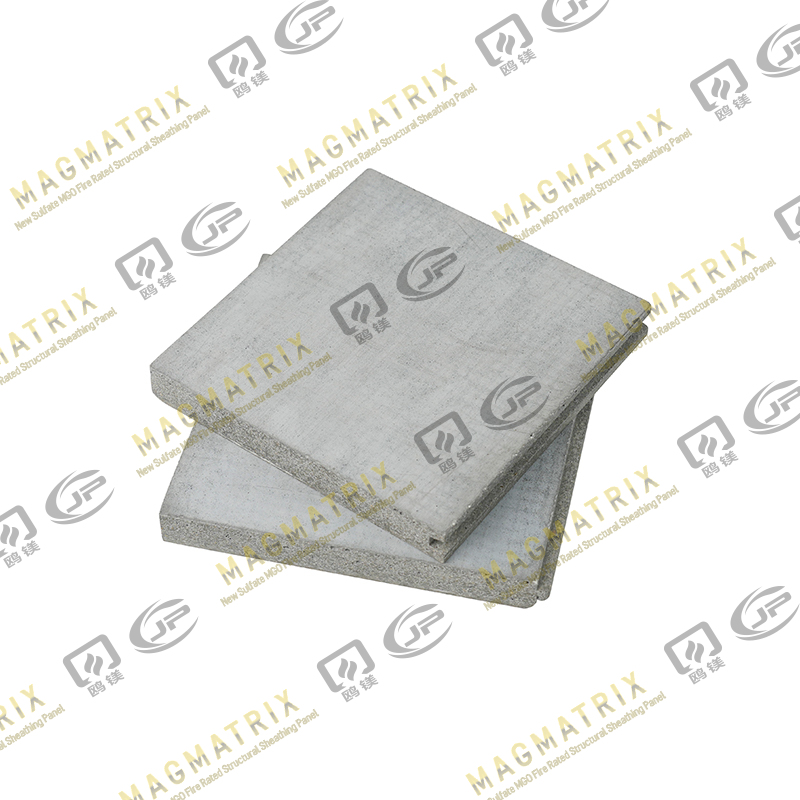 Perseverance MgO Subfloor Sheathing Board
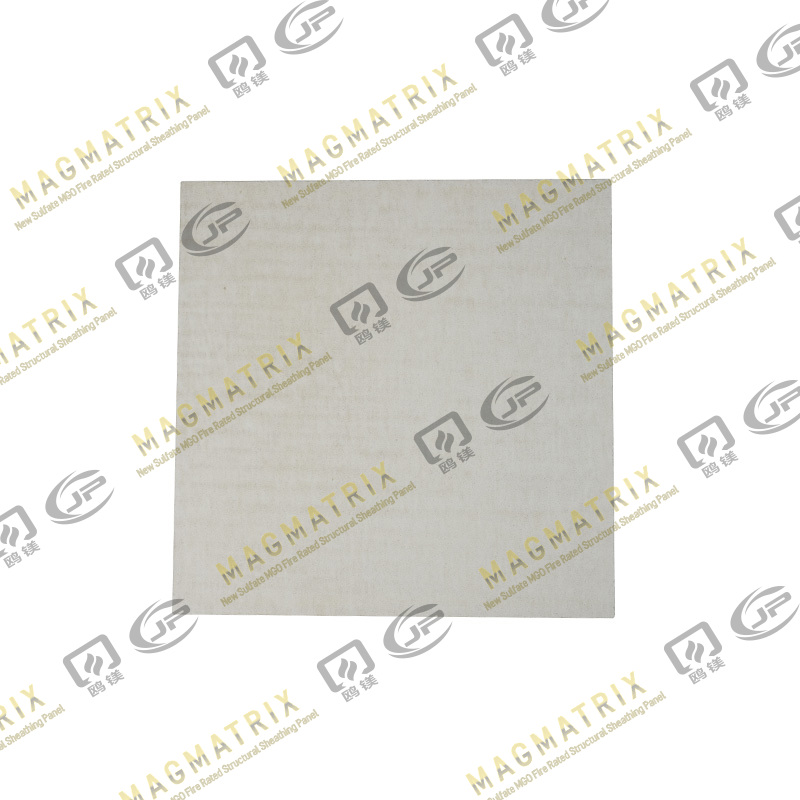 MagMatrix MgO Underlayment Panel/board