Why MGO Wall Board Is a Superior Choice for Modern Building
Magnesium oxide wall boards routinely achieve fire resistance ratings of 1 to 2 hours and withstand temperatures exceeding 2,200°F without releasing toxic smoke. That performance stems from a simple chemistry: the boards are primarily composed of magnesium oxide, a naturally occurring mineral that does not combust. This singular advantage has moved MGO wall board from a niche curiosity to a specified material in schools, hospitals, and high-rise residential projects.
Yet fire safety is only one piece of a much broader value proposition. MGO wall board also resists mold, moisture, impact, and pests—all while contributing to tighter building envelopes. Over the last decade, comprehensive research on MGO wall sheathing has repeatedly confirmed that properly manufactured magnesium oxide boards outlast traditional gypsum and cement-based alternatives in demanding climate zones. The sections that follow unpack exactly what makes this material work, where it excels, and how to specify it correctly.
What Is MGO Wall Board?
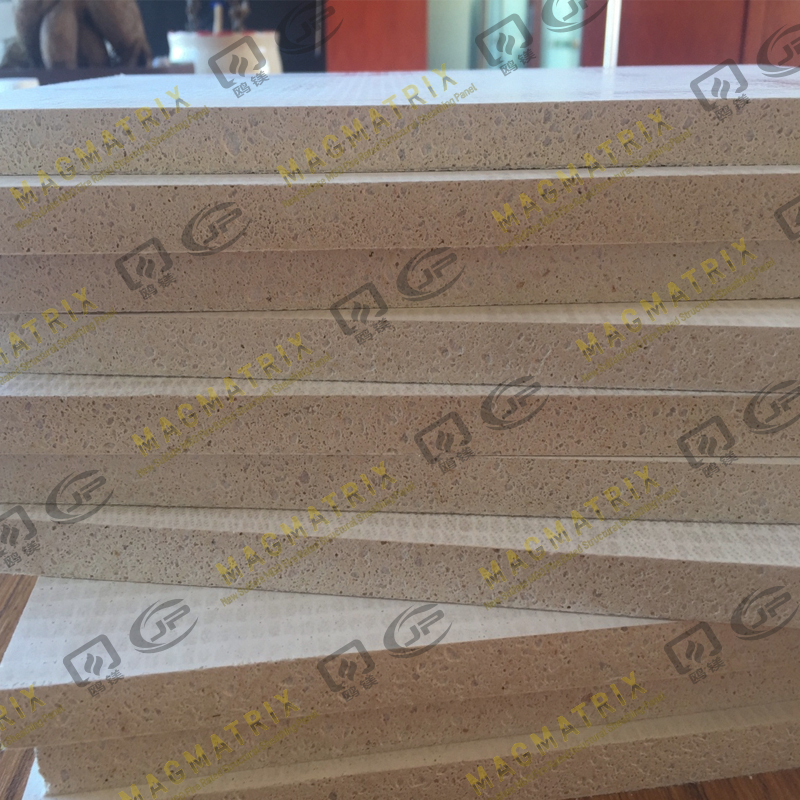
MGO wall board is a rigid panel made from magnesium oxide, magnesium chloride or magnesium sulfate, and a blend of reinforcing fibers and fillers such as perlite, wood dust, or glass mesh. The raw slurry is poured, pressed, and cured under controlled conditions to form a dense, uniform sheet. The result is a panel that combines the workability of gypsum drywall with the strength and moisture tolerance of cement board—without the weight or brittleness that characterizes the latter.
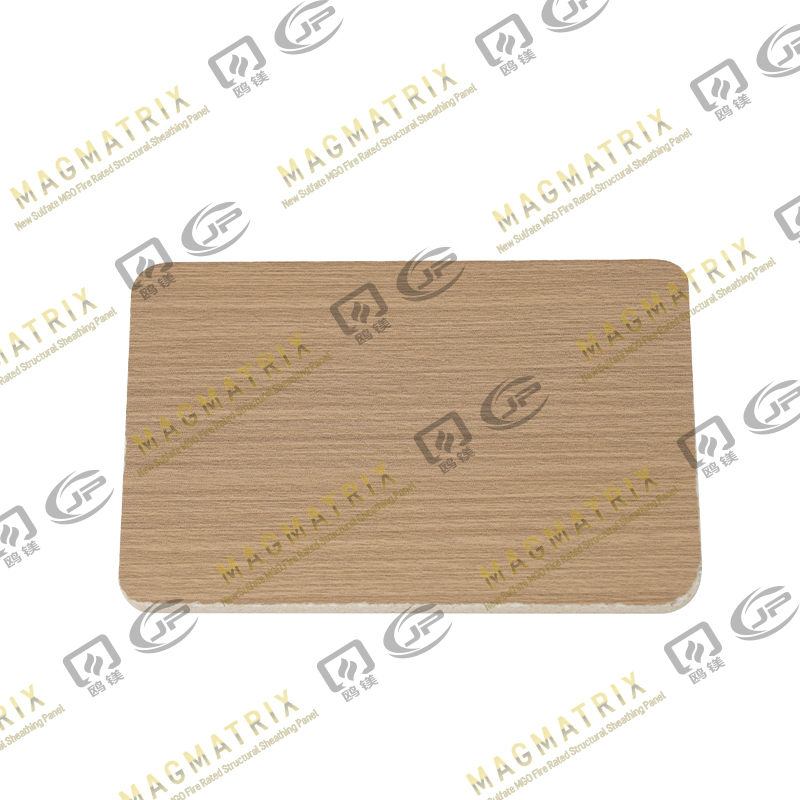
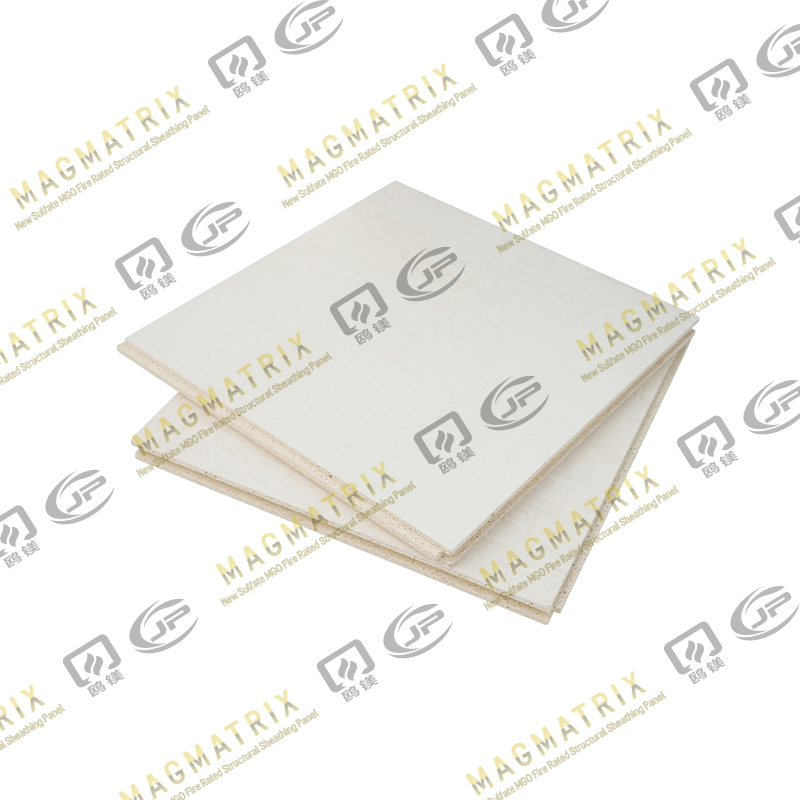
Boards typically come in standard 4-foot widths, lengths of 8, 9, or 10 feet, and thicknesses from 6mm (1/4 inch) up to 20mm (3/4 inch). The most common variant for interior walls is 12mm (1/2 inch), which directly substitutes for standard drywall in many assemblies. Unlike gypsum, MGO board does not require a paper facing; its surface is inherently smooth and hard, accepting paint, tile, or veneer plaster with minimal preparation.
Composition and Manufacturing: Chloride vs. Sulfate Chemistry
Not all MGO wall board is created equal. The choice of binder—magnesium chloride or magnesium sulfate—has profound effects on long-term durability and compatibility with fasteners and adjacent materials.
Magnesium Chloride Boards
Chloride-based boards have been in use longer and generally cost less. However, residual chlorides can attract moisture through hygroscopic action and, in persistently damp conditions, may release small amounts of chloride ions. Those ions can corrode unprotected steel fasteners and framing over time. Numerous field studies have documented fastener corrosion in chloride-board assemblies where vapor barriers were missing or improperly installed. That does not make chloride boards unusable, but it demands rigorous moisture management and the use of stainless-steel or coated fasteners in any exterior or high-humidity application.
Magnesium Sulfate Boards
Sulfate-based boards eliminate the corrosion risk because magnesium sulfate is far less hygroscopic and chemically aggressive. Independent third-party testing shows sulfate MGO boards produce corrosion rates on steel fasteners that are comparable to or lower than those measured in standard gypsum assemblies. Sulfate boards also tend to exhibit lower efflorescence and better dimensional stability during wet-dry cycling. The trade-off is a moderately higher material cost. For any project where the board will be exposed to moisture—exterior sheathing, shower enclosures, saunas—the sulfate formulation is the safer specification.
Key Performance Characteristics
Fire Resistance
MGO wall board is non-combustible by nature. Standard 12mm panels typically achieve a Class A flame spread rating per ASTM E84 and can contribute to 1- or 2-hour fire-rated wall assemblies when layered appropriately. Unlike gypsum, which relies on chemically bound water that evaporates and eventually allows heat transfer, MGO board simply does not ignite. It maintains structural integrity longer under direct flame, giving occupants more egress time and reducing structural damage.
Moisture and Mold Resistance
The material does not support mold growth because it lacks organic nutrients and maintains a high pH (typically 10 or above). In laboratory chamber tests, MGO board shows negligible mold colonization even after 28 days at 90% relative humidity—conditions under which standard paper-faced gypsum develops heavy growth. Water absorption by total immersion is usually below 25% for sulfate boards, with negligible swelling or warping after drying.
Impact and Fastener Holding
Density is the silent driver here. MGO wall board typically weighs 30–40% more per square foot than standard 1/2-inch gypsum board. That extra mass translates directly into impact resistance and fastener pull-through values that meet or exceed those of fiber-cement board. In school corridors and hospital hallways subject to hard use, MGO panels significantly reduce maintenance cycles compared to traditional drywall.
Pest and Termite Resistance
Magnesium oxide is inorganic and indigestible. Termites and carpenter ants do not tunnel through it, and rodents cannot gnaw it into a nesting material. This makes MGO board an attractive option for base-of-wall details in regions with heavy termite pressure, as well as for agricultural and food-processing buildings where pest exclusion is critical.
Applications in Residential and Commercial Construction
MGO wall board fits anywhere you would use gypsum drywall, cement board, or plywood, but it shines in three specific contexts:
- Exterior wall sheathing: When paired with a weather-resistant barrier, MGO board creates a shear-rated, fire-resistant substrate that outperforms OSB in wet climates. Sustainable exterior wall assemblies using MGO sheathing are now routinely employed in LEED-certified multifamily projects.
- Interior wet areas: Bathrooms, kitchens, laundry rooms, and steam showers benefit from a monolithic substrate that does not swell, lose strength, or promote mold. Tile can be applied directly over MGO board without an additional membrane, provided joints are properly treated.
- Fire-rated partitions and shaft walls: Engineers specify MGO board in elevator shafts, stair enclosures, and mechanical chase walls where building codes demand extended fire endurance without reliance on multiple layers of Type X gypsum.
Installation Best Practices
MGO board cuts similarly to cement board—using a scoring knife or a circular saw with a diamond or carbide blade. Dust control is essential; wet-cutting methods or HEPA-equipped saws are recommended. Fastening should follow manufacturer guidelines, but the general rule is to use corrosion-resistant screws with a bugle head and self-drilling point, spaced 8 inches on center along edges and 12 inches in the field.
Joint treatment diverges from standard drywall practice. MGO board does not absorb moisture the way paper-faced gypsum does, so conventional joint compound may not bond well. Most manufacturers recommend an alkali-resistant mesh tape embedded in a polymer-modified thin-set mortar or a specific MGO joint compound. Leaving a 3mm (1/8 inch) gap between panels and filling it with a flexible sealant further reduces the chance of cracking at transitions. For a deeper dive, our MGO wall sheathing product page includes installation guides for various substrates.
When used as exterior sheathing, the assembly must incorporate a continuous drainage plane. While MGO board itself tolerates moisture, the wall cavity and framing require the same protection as any other sheathed assembly would. A high-quality WRB, properly lapped flashings, and ventilated cladding details ensure the longevity of the entire system.
MGO Wall Board vs. Gypsum Board vs. Cement Board
Comparison of core properties for 12mm (1/2 inch) panels
| Property |
MGO Wall Board |
Gypsum Board |
Cement Board |
| Fire rating (12mm single layer) |
Class A, up to 2 hr assembly |
Type X: 1 hr; standard: 30 min |
Non-combustible, depends on assembly |
| Water absorption (24-hr immersion) |
8–25% (sulfate) |
50%+ (paper-faced) |
10–15% |
| Mold resistance |
Excellent (pH >10) |
Poor (paper face) |
Good (inorganic) |
| Fastener holding (lbs) |
90–120 |
40–60 |
80–100 |
| Weight per sq ft (lbs) |
2.8–3.5 |
1.6–2.0 |
2.2–3.0 |
| Fastener corrosion risk |
Low (sulfate); moderate (chloride) |
Low |
Low |
The table makes clear that no single board wins every category. MGO wall board offers the strongest balance of fire resistance, moisture tolerance, and mold immunity. The primary trade-off is weight—crews accustomed to ultra-lightweight drywall may need a brief adjustment period, and a few more fasteners per sheet, but the performance payoff is considerable.
Sustainability and Indoor Air Quality
Magnesium oxide boards carry a lower embodied carbon footprint than Portland cement-based products because the production process requires lower kiln temperatures and emits less CO2 per ton. Many manufacturers source magnesium oxide from abundant natural magnesite deposits or from sea water via precipitation, further reducing environmental impact. Life-cycle analyses indicate that MGO board can contribute to LEED credits in the Materials and Resources and Indoor Environmental Quality categories.
On the indoor air quality side, properly formulated MGO board emits zero volatile organic compounds and contains no formaldehyde, asbestos, or silica dust. Its high pH naturally resists the growth of dust mites and bacteria, making it a suitable substrate for allergy-sensitive environments. These attributes are why medical facilities increasingly specify MGO wall board for examination rooms, clean utility spaces, and corridors.
Common Misconceptions About MGO Wall Board
"MGO board is brittle and cracks easily."
Early-generation chloride boards, when produced with low fiber content, did exhibit brittle fracture behavior. Modern sulfate boards with integrated fiberglass mesh and optimized filler blends achieve flexibility and impact resistance comparable to fiber-cement board. Proper handling and storage eliminate most job-site breakage.
"You can finish MGO board just like drywall."
The surface texture and porosity differ. While experienced finishers can achieve Level 4 or 5 finishes using fiberglass mesh tape and a suitable joint compound, the products and techniques are not identical. Ignoring manufacturer instructions leads to visible joint telegraphing and poor paint adhesion. Always test a small area before committing to a full wall finish system.
"MGO board is only for exterior sheathing."
While exterior sheathing remains a major market, the fastest growth today is in interior applications. Hotels are using MGO board as a backer for decorative laminate panel systems. Recording studios value its sound-damping mass. The versatility of the material far exceeds what many contractors assume.
Choosing the Right MGO Wall Board for Your Project
Start with the exposure condition. Interior dry areas can use either sulfate or chloride boards, with the cost-conscious often selecting chloride if they trust their fastener protection. Anywhere moisture is present—exterior sheathing, bathrooms, below-grade—sulfate is the unambiguous choice. Verify that the manufacturer provides an ASTM E136 non-combustibility report and an ASTM G21 mold resistance test result for the specific thickness and formulation you intend to use.
Next, align board thickness with the required fire rating and structural demands. A 16mm panel can often replace two layers of 12mm gypsum in a one-hour wall, saving labor and floor area. Finally, engage with the manufacturer’s technical team early to confirm joint treatment and fastener specifications for your climate zone. The difference between a successful MGO installation and a call-back-intensive one often comes down to these details.



 English
 русский
 Español
 BMSC 517 New Sulfate MgO Board
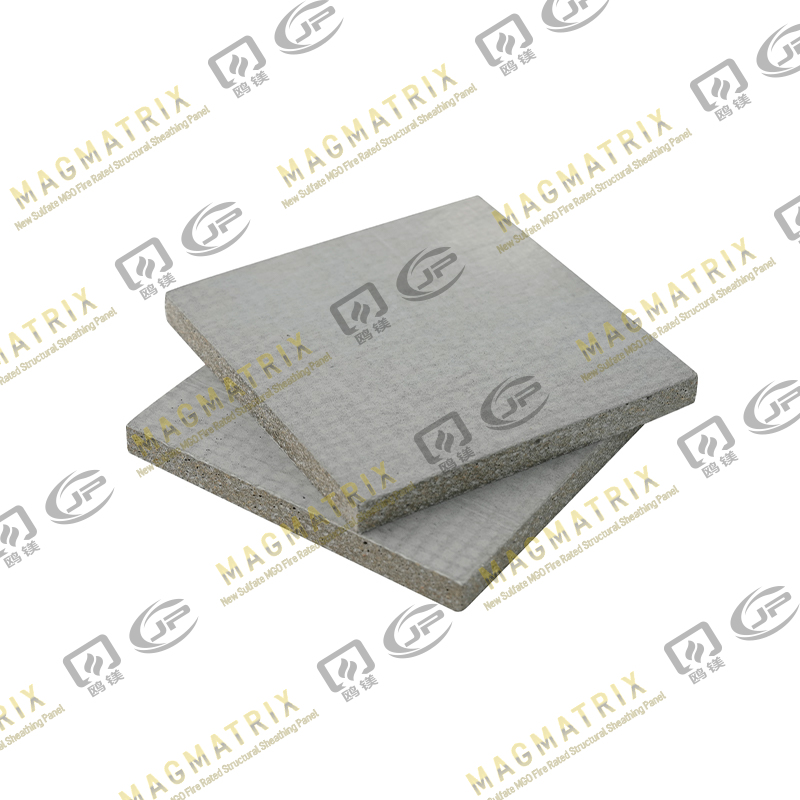 Multi-Support MgO Wall Sheathing Board
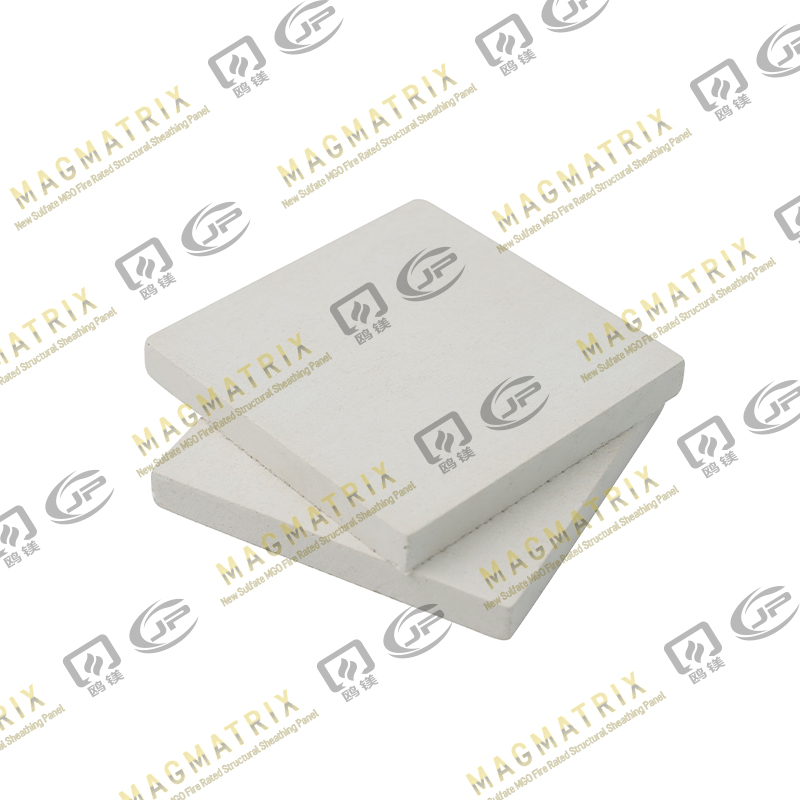 Perseverance MgO Wall Sheathing Board
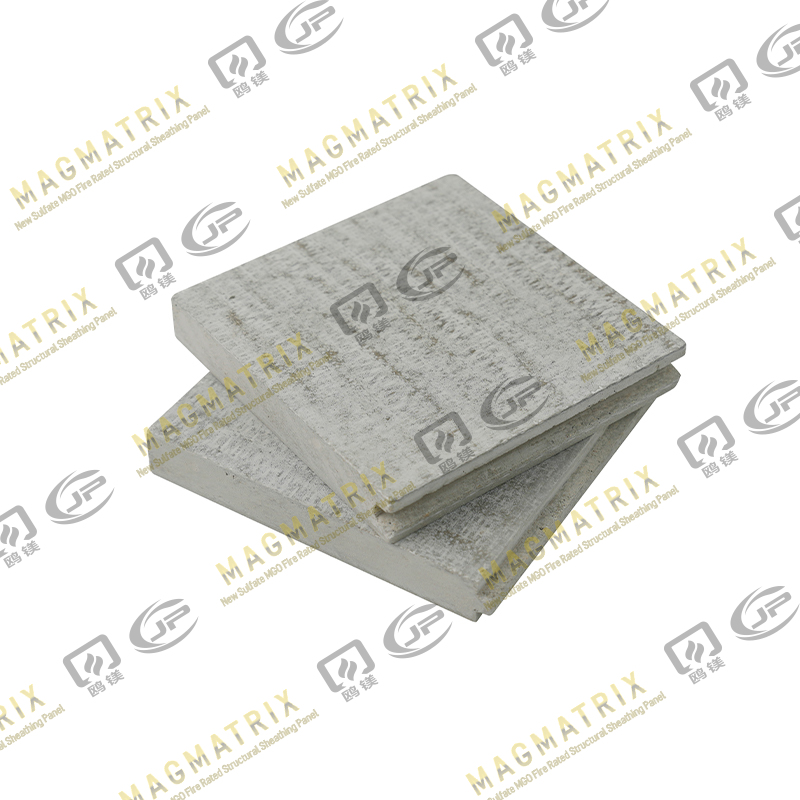 Multi-Support MgO Subfloor Sheathing Board
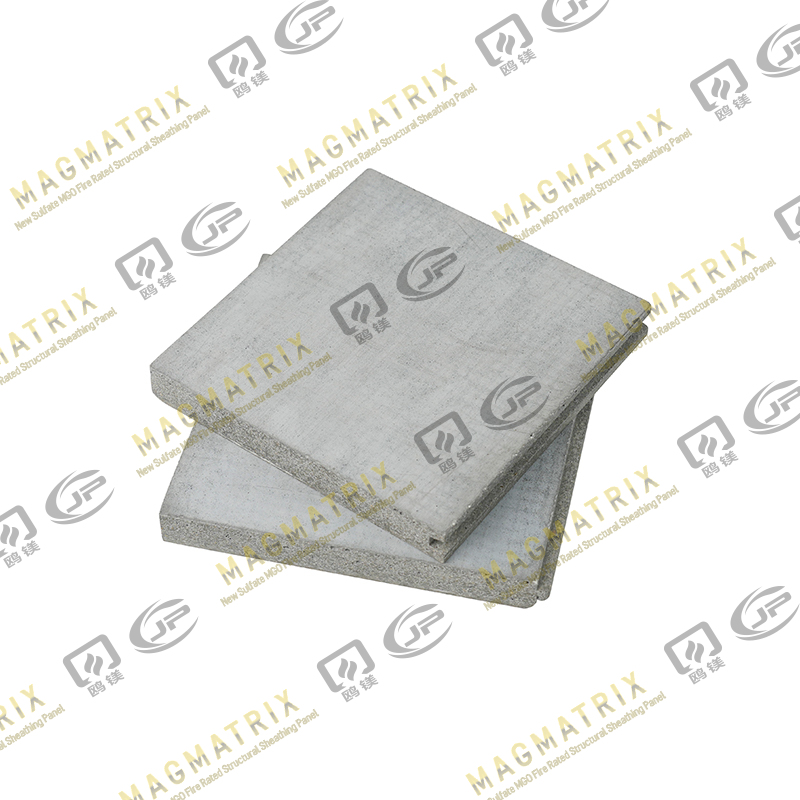 Perseverance MgO Subfloor Sheathing Board
 MagMatrix MgO Underlayment Panel/board