A single leak in a multi-story building can trigger mold growth within 48 hours, compromising indoor air quality and structural integrity. For architects and contractors, the material choice behind the wall finish directly determines how that moisture risk plays out. Sulfate MgO board—a magnesium oxide panel bonded with magnesium sulfate rather than chloride—has emerged as a robust solution for wet areas, fire-rated assemblies, and high-humidity zones. Its rising specification in North American projects reflects a clear shift toward moisture-durable, non-combustible sheathing that doesn’t sacrifice workability.
What Sets Sulfate MgO Board Apart from Chloride Types
Traditional MgO boards use magnesium chloride (or oxychloride) as the reactive binder. That chemistry works well in dry conditions, but residual chloride salts can leach out when exposed to sustained moisture, leading to corrosion of metal fasteners, staining, and efflorescence. Sulfate MgO board replaces chloride with magnesium sulfate, eliminating the free chloride ion entirely. Without chlorides, the board shows no corrosive potential toward steel studs, screws, or aluminum window frames, even in humid or coastal environments.
The binder change also improves long-term dimensional stability. While chloride-based boards can absorb ambient moisture and swell, sulfate-cured panels maintain their shape within tight tolerances. Independent testing demonstrates less than 0.1% linear expansion after 24-hour water immersion, compared to over 0.3% for many oxychloride products. A detailed comparison of sulfate and chloride MgO boards breaks down the chemical and mechanical differences that matter most in specification decisions.
Moisture and Climate Resilience
Sulfate MgO board is inherently non-hygroscopic. It doesn’t wick water, so cut edges and penetrations stay stable without edge sealing in many applications. In a 28-day cyclic humidity test alternating between 30% and 90% relative humidity at 25°C, sulfate boards showed less than 0.05% thickness swell—effectively unchanged from the dry baseline. This stability makes it a reliable substrate for tile, stone, and thin-brick facades where substrate movement causes grout cracking.
Contractors working in the U.S. Gulf Coast and Pacific Northwest increasingly select sulfate MgO panels to sidestep the corrosion and mold risks that cling to gypsum and cement boards in those regions. Our guide on sulfate MgO board performance in persistently high-humidity environments details case histories where the board prevented mold growth even behind vapor-open wall assemblies.
Fire and Life Safety Performance
Sulfate MgO board is classified as non-combustible per ASTM E136 and CAN/ULC S114. In fire-resistance-rated assemblies, sulfate MgO board can achieve up to 2-hour ratings when used with mineral wool or steel framing, without needing a secondary gypsum layer. The magnesium oxide and sulfate matrix releases chemically bound water at around 300°C, absorbing heat and delaying temperature rise on the unexposed side.
Smoke development indexes routinely fall below 10, far under the 450 limit for interior finishes under ASTM E84. These characteristics make sulfate MgO board a go-to material for elevator shafts, stairwell enclosures, and party walls where building codes demand non-combustible substrates with low smoke generation. The board also withstands direct flame impingement without igniting or melting, unlike some fiber-cement boards that spall under intense heat.
Structural Versatility Across Building Applications
From exterior sheathing to tile backer, sulfate MgO board fills multiple roles with a single product type. It installs with standard carbide-tipped saw blades and common fasteners, mimicking the workability of plywood but with dramatically better fire and moisture performance. The board is suitable for exterior wall applications even in mixed climates, provided the cladding system manages bulk water appropriately.
Common Uses
- Exterior wall sheathing behind rainscreen façades, metal panels, and fiber-cement siding
- Interior wet-area substrate for showers, steam rooms, and commercial kitchens
- Floor underlayment for tile, stone, and engineered wood where moisture control is critical
- Shaftwall and area separation fire assemblies
- Subfloor sheathing over steel or wood joists in multifamily and light commercial construction
In each application, sulfate MgO board reduces the number of material transitions: a single panel can replace both exterior gypsum and a separate water-resistive barrier when properly flashed, simplifying installation and cutting labor cycles by up to 15% compared to multi-layered systems.
Physical Property Comparison
Typical properties at 12 mm thickness; values from manufacturer data and independent lab reports
| Property |
Sulfate MgO Board |
Fiber Cement Board |
Gypsum Board |
| Density (kg/m³) |
1000 – 1100 |
1250 – 1450 |
650 – 800 |
| Flexural Strength (MPa) |
10 – 14 |
8 – 12 |
2 – 4 |
| 24-h Water Absorption (%) |
2 – 5 |
10 – 15 |
40 – 50 |
| Linear Expansion (wet to dry, %) |
< 0.1 |
0.15 – 0.25 |
> 0.3 |
| Surface pH |
8 – 9 |
11 – 13 |
6 – 7 |
The lower surface pH of sulfate MgO board means it is compatible with most adhesives, coatings, and thin-set mortars without requiring primer or special treatment—a distinct advantage over the highly alkaline fiber cement alternatives.
Indoor Environmental Quality and Long-Term Durability
Sulfate MgO board contains no respirable silica, asbestos, or formaldehyde, contributing to better indoor air quality during installation and occupancy. Third-party emissions testing under CDPH Standard Method v1.2 (CA Section 01350) confirms compliance with VOC limits for schools and healthcare facilities. The board also resists fungal growth: in ASTM D3273 testing, sulfate MgO panels scored 10 out of 10, showing no mold growth after 4 weeks at 95% relative humidity.
Mechanical fastening retains pull-through resistance above 400 N per screw after accelerated aging cycles equivalent to 10 years of field exposure. When correctly detailed, a sulfate MgO sheathing system can outlast the building’s cladding, eliminating the need for costly mid-life sheathing replacements that plague paper-faced gypsum products. This longevity, combined with cement-like durability without the silica hazard, positions sulfate MgO board as a practical upgrade for specifiers aiming to meet both current codes and emerging resilience standards.



 English
 русский
 Español
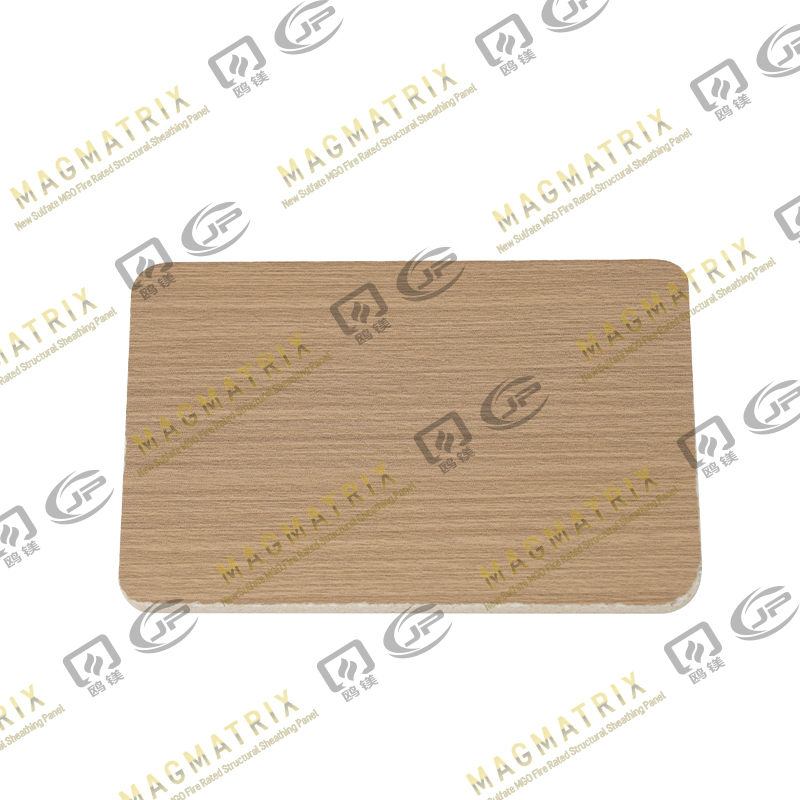
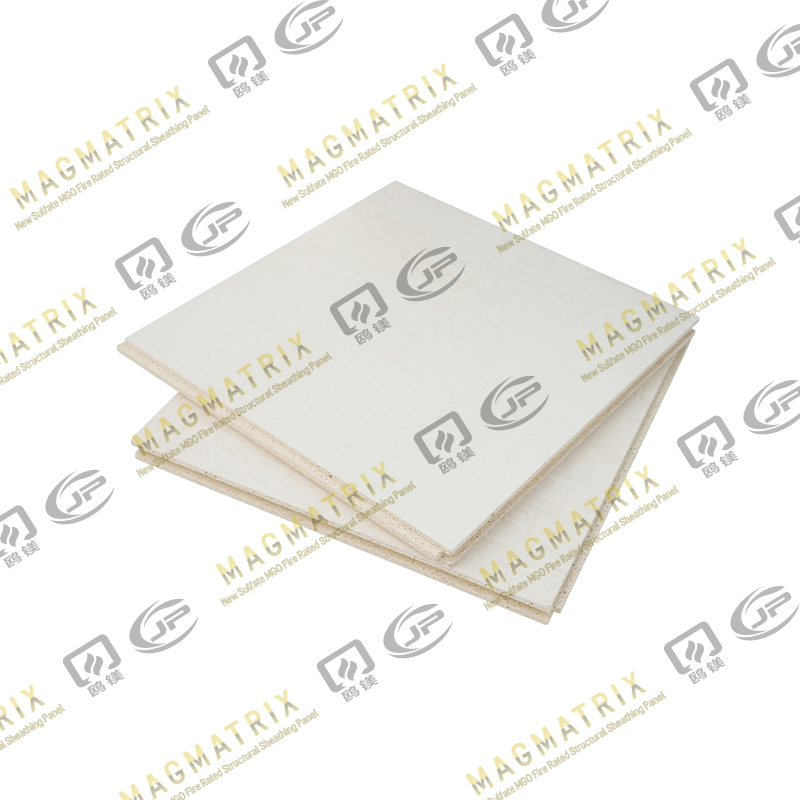
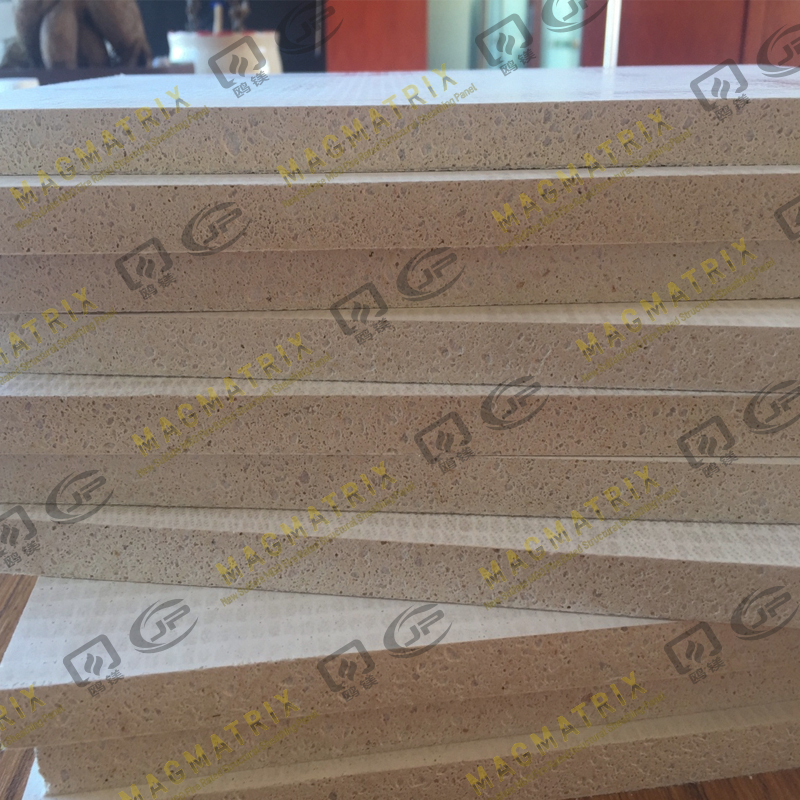 BMSC 517 New Sulfate MgO Board
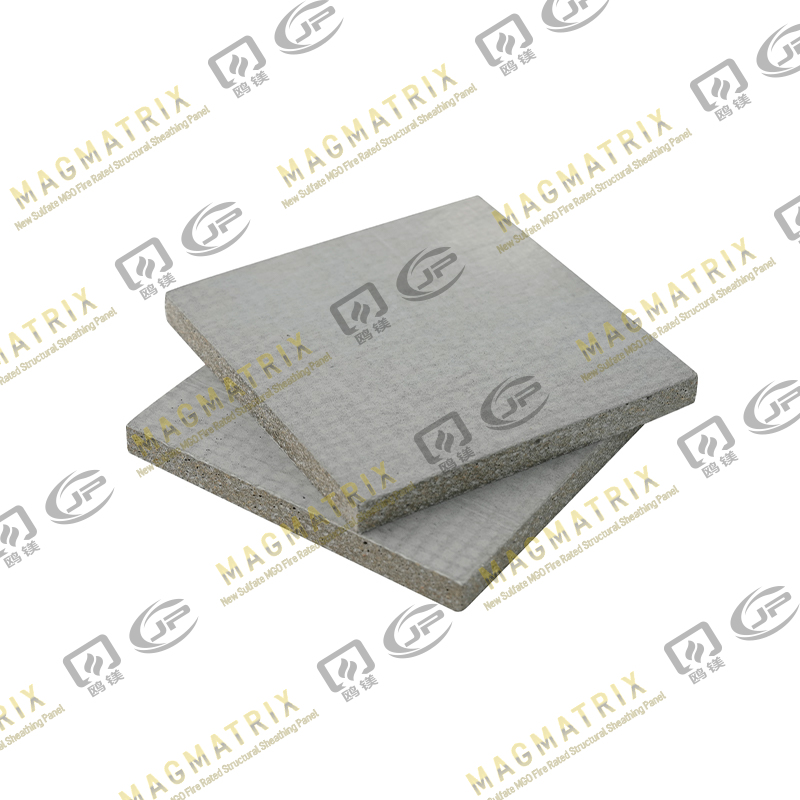 Multi-Support MgO Wall Sheathing Board
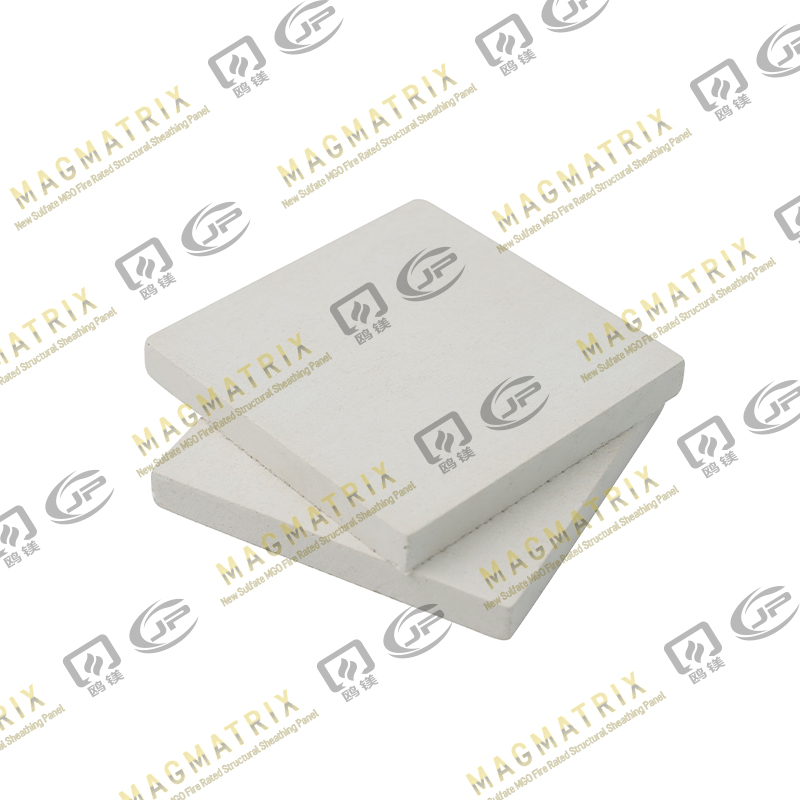 Perseverance MgO Wall Sheathing Board
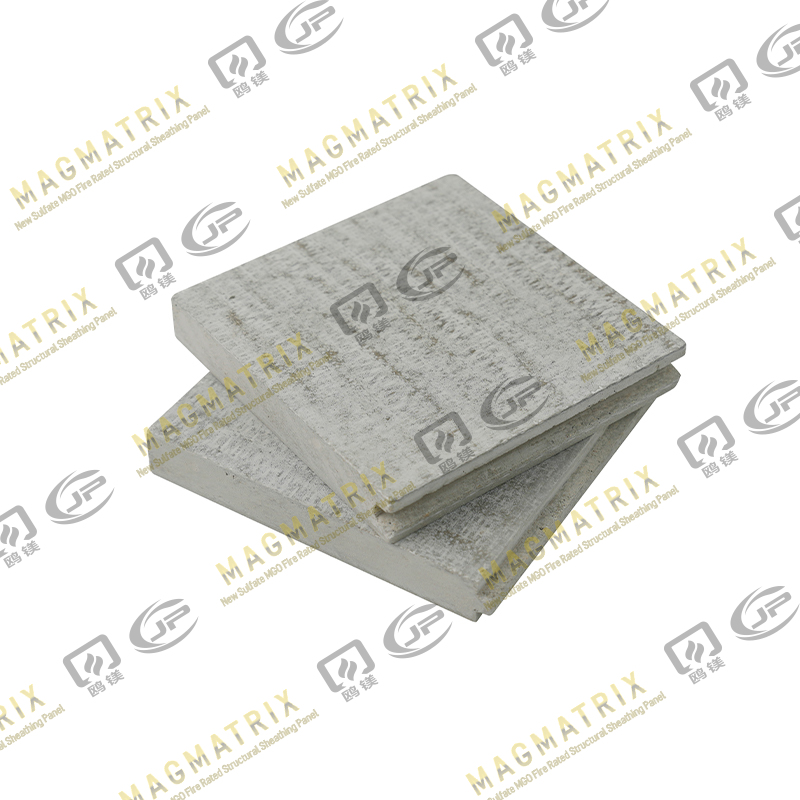 Multi-Support MgO Subfloor Sheathing Board
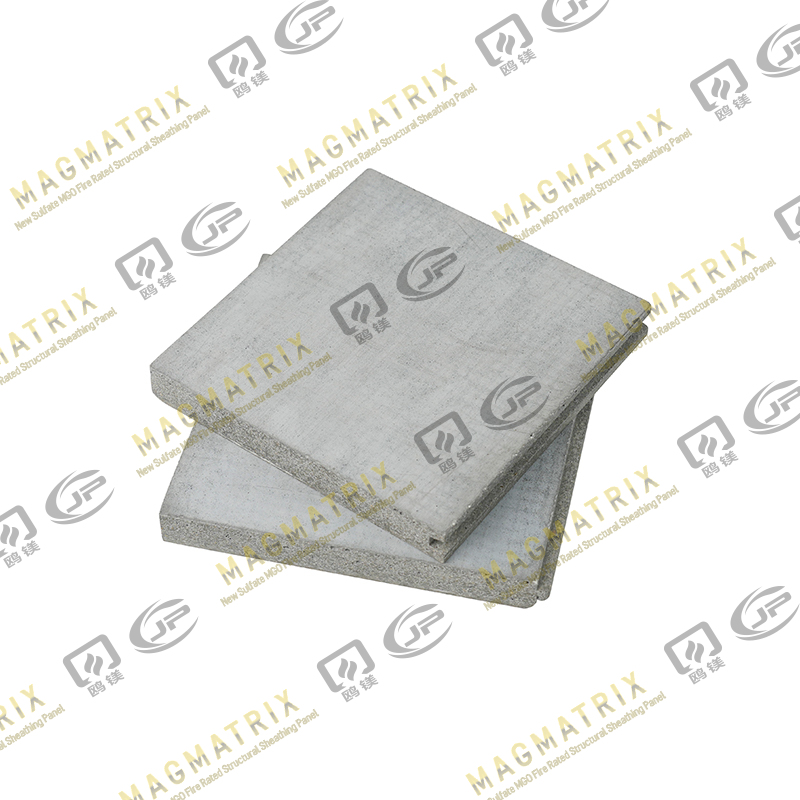 Perseverance MgO Subfloor Sheathing Board
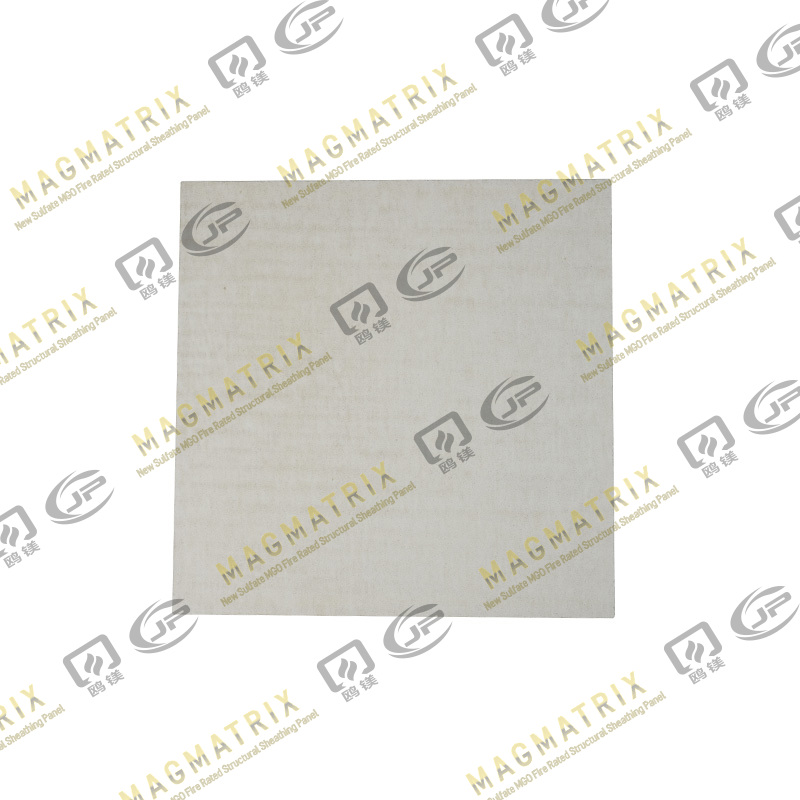 MagMatrix MgO Underlayment Panel/board