A standard ½-inch magnesium oxide panel achieves a flame spread index of 0 and a smoke developed index of 0 under ASTM E84. The board itself contributes zero fuel to a fire—no coatings required. But fire performance is only the most visible reason contractors and architects are choosing MgO boards for sheathing, subfloors, and interior linings. This article examines the composition, core benefits, application methods, and cost logic behind the material so you can decide where it belongs in your next project.
What Are Magnesium Oxide Panels?
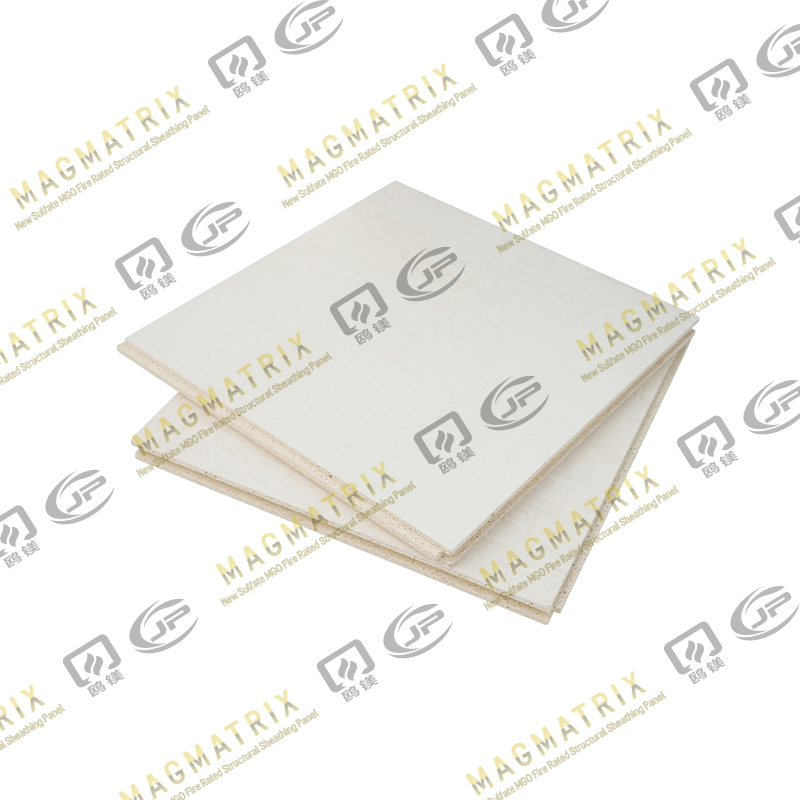
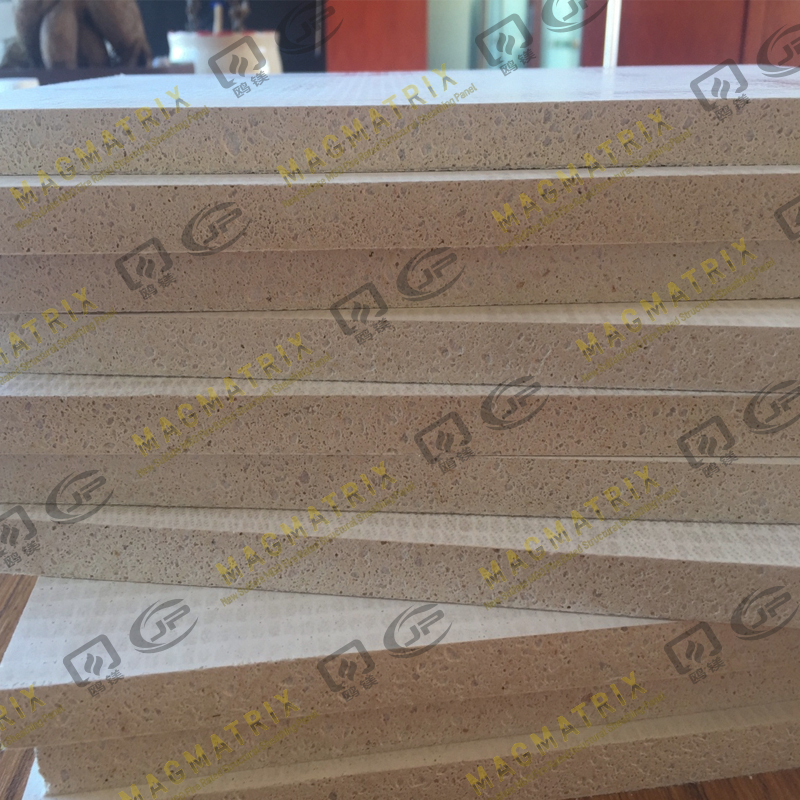
Magnesium oxide panels are cementitious sheets formed from magnesium oxide (MgO), a brine solution—typically magnesium chloride or magnesium sulfate—and reinforcing fibers such as wood flour, perlite, and fiberglass mesh. The chemical reaction produces a hard, inert mineral known as magnesium oxychloride or magnesium oxysulfate. Unlike gypsum drywall, which rapidly breaks down in the presence of water, MgO boards maintain their structural integrity and dimensional stability under moisture. They are available in thicknesses from ¼ inch to ¾ inch, with standard 4×8 and 4×10 sheet sizes, and can replace gypsum sheathing, cement board, and even plywood in a range of non-structural and structural applications.
Key Benefits of Magnesium Oxide Panels
Fire Resistance
MgO panels are non-combustible—they will not ignite, produce flame, or contribute smoke. Depending on the assembly, they can deliver fire ratings of up to 2 hours. This makes them suitable for fire-rated partitions, shaft walls, and exterior cladding in Type I and II construction where codes demand non-combustible materials.
Moisture and Mold Resistance
Water absorption rates typically run between 5% and 8% by weight, far below the threshold where swelling, warping, or delamination occurs. The highly alkaline surface creates an environment where mold and mildew cannot grow, eliminating the need for separate antimicrobial coatings and reducing maintenance in humid conditions.
Strength and Impact Resistance
Flexural strength often exceeds 1,800 psi—roughly three times that of standard gypsum board. MgO panels resist cracking during transport, installation, and long-term building movement. This toughness also reduces damage from incidental impacts on job sites.
Pest and Termite Resistance
Because MgO is an inorganic mineral, it provides no food source for insects or rodents. In termite-prone regions, the panels serve as a physical barrier that pests cannot consume or tunnel through.
Safe Composition
Unlike many cement-based boards, magnesium oxide panels contain no crystalline silica. Cutting generates dust that is less hazardous to respiratory health, and the material contains no volatile organic compounds (VOCs) or formaldehyde.
Comparing Magnesium Oxide Panels with Drywall and Plywood
Property comparison of ½-inch MgO panel, standard drywall, and exterior-grade plywood.
| Property |
MgO Panel |
Drywall |
Plywood |
| Fire Rating |
Non-combustible (Class A) |
Non-combustible core, combustible paper face |
Combustible |
| Water Absorption |
5–8% |
Susceptible to severe degradation |
Warping, rot with prolonged moisture |
| Mold Resistance |
Excellent |
Poor if wetted |
Poor; requires treatment |
| Flexural Strength |
1,800+ psi |
400–600 psi |
5,000–7,000 psi (along grain) |
| Weight (4×8 sheet, ½") |
55–70 lbs |
38–52 lbs |
35–45 lbs |
| Sustainability |
Lower embodied CO₂, recyclable |
Moderate, recyclable in some areas |
Renewable but deforestation impacts |
| Material Cost per sq ft |
$1.50–$3.00 |
$0.30–$0.50 |
$1.00–$2.50 |
The table shows a clear trade-off. Drywall wins on upfront cost, plywood on bending stiffness, but MgO dominates fire and moisture performance. A detailed side-by-side analysis confirms that, where building codes or service conditions demand non-combustible, water-resistant sheathing, magnesium oxide is the safer, more durable choice.
Common Applications for MgO Panels
Exterior Sheathing
MgO boards serve as structural sheathing under brick, siding, stucco, and EIFS. They do not rot and create a continuous, non-combustible backer that eliminates thermal bridging better than plywood. Magnesium oxide wall sheathing is available in thicknesses from 6 mm to 20 mm and attaches directly to steel or wood studs.
Subfloor and Underlayment
When used as subfloor or underlayment, MgO panels resist moisture from the ground or concrete slab, prevent deflection, and provide a stable base for tile, vinyl, and hardwood. Their compressive strength handles heavy point loads without telegraphing irregularities through finish flooring.
Interior Walls in Wet Areas
Bathrooms, commercial kitchens, and natatoriums benefit from MgO’s inherent mold and moisture resistance. Unlike cement board, it is lighter and scores easily, speeding up installation while delivering a smooth surface for tile or laminate finishes.
Fire-Rated Assemblies
MgO panels are frequently specified in firewalls, elevator shafts, and stairwell enclosures. They can meet 1- and 2-hour ratings without the weight or thickness penalties of multiple gypsum layers.
Decorative Laminates
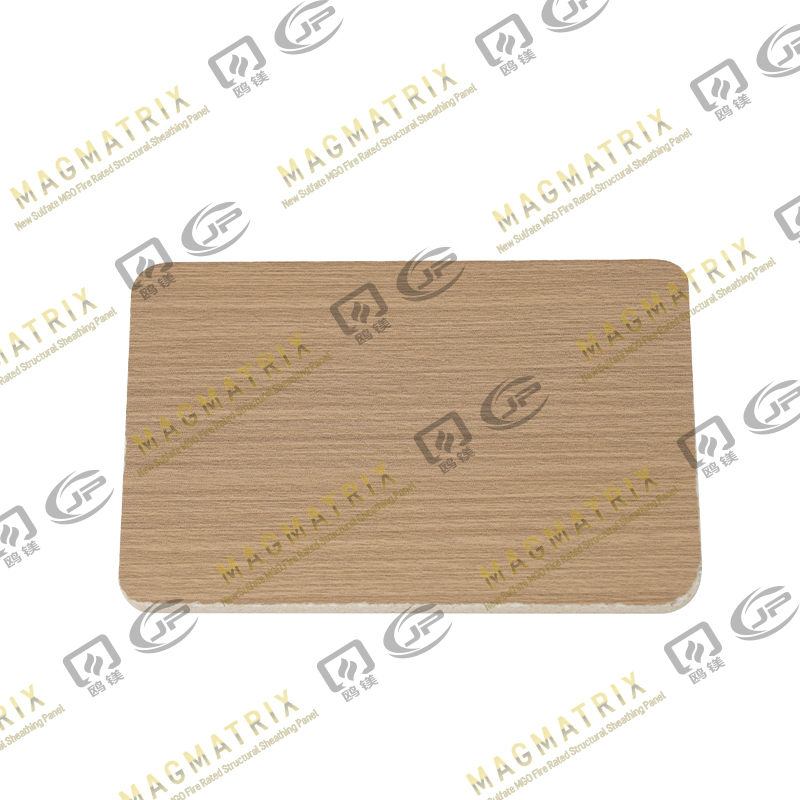
The boards accept high-pressure laminates, wood veneers, and direct-applied paint, making them a practical core for interior decorative wall panels in lobbies, offices, and retail spaces.
Installing Magnesium Oxide Panels
Cutting and Handling
MgO panels are denser than drywall and require a carbide-tipped scoring knife or a circular saw equipped with a dust-collection shroud. While silica-free, the dust can still irritate lungs, so wear an N95 mask and cut in well-ventilated areas.
Fastening
Use corrosion-resistant screws—stainless steel or coated self-drilling types—or a pneumatic nailer with stainless nails. Space fasteners 8 inches on center in the field and 6 inches along edges to maintain shear capacity. Avoid standard drywall screws, which can react with the alkaline matrix.
Joint Finishing
Fill all joints with an alkaline-resistant joint compound and embed fiberglass mesh tape. Gypsum-based compounds will degrade over time due to the high pH; stick with products specifically formulated for MgO. Apply two coats, sand lightly, and prime before painting.
Moisture Management During Construction
Protect yet-unfaced panels from direct rainfall and ponding water. Once installed as exterior sheathing, cover the outer face with a vapor-permeable weather barrier within a reasonable timeframe to prevent prolonged saturation.
Cost and Long-Term Value
Material prices for ½-inch MgO panels range from $1.50 to $3.00 per square foot, compared to $0.30–$0.50 for drywall and $1.00–$2.50 for plywood. The higher upfront cost is offset in part by labor efficiencies—no separate moisture barrier is needed behind sheathing—and by lifecycle savings. Reduced mold remediation risk, lower fire insurance premiums, and a service life that can exceed 50 years shift the economic equation. For commercial and multi-family projects pursuing LEED or similar certifications, magnesium oxide panels contribute to credits for materials and moisture management, further improving the value proposition.
Sustainability Profile
Manufacturing magnesium oxide board requires calcination at roughly 200°C, versus 1,450°C for Portland cement—yielding up to 60% lower CO₂ emissions per ton. Many producers incorporate recycled MgO from mining by-products or desalination brine. The finished panels contain no VOCs, formaldehyde, or silica, and they are fully recyclable as inert mineral filler at end of life. Unlike gypsum, which can generate hydrogen sulfide in landfills, MgO board remains chemically stable. This environmental footprint supports tighter green building standards and healthier indoor air quality.
Magnesium oxide panels combine non-combustibility, exceptional moisture tolerance, and structural resilience in a single sheet. They demand a higher initial investment than conventional materials, but the long-term benefits—fire safety, durability, and near-zero maintenance—pay dividends across decades of service. For projects where life safety and resistance to the elements are non-negotiable, MgO sheathing is a forward-looking specification that aligns with rigorous codes and the realities of severe weather.



 English
 русский
 Español
 BMSC 517 New Sulfate MgO Board
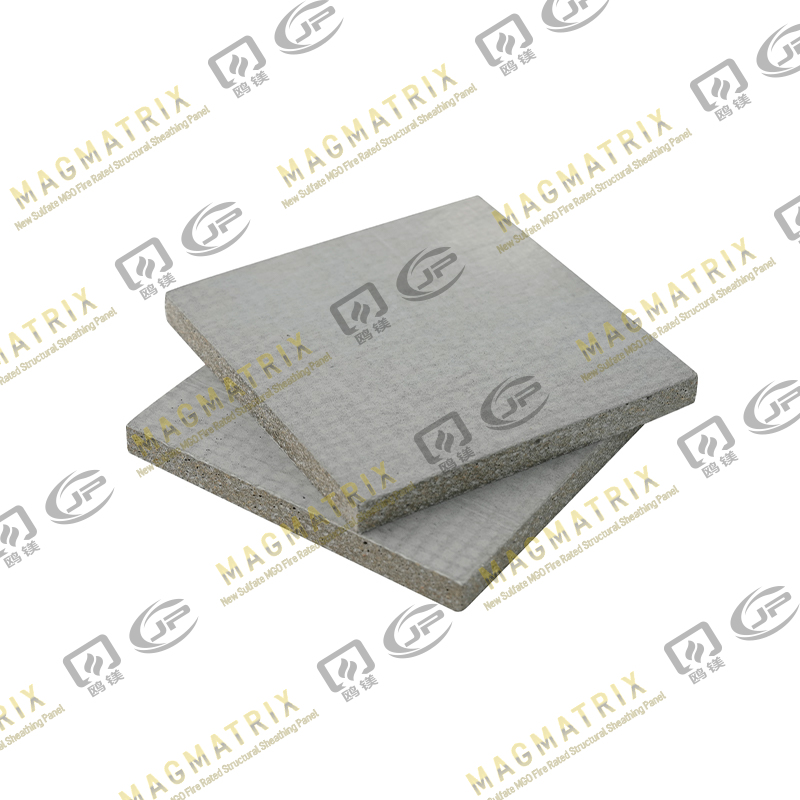 Multi-Support MgO Wall Sheathing Board
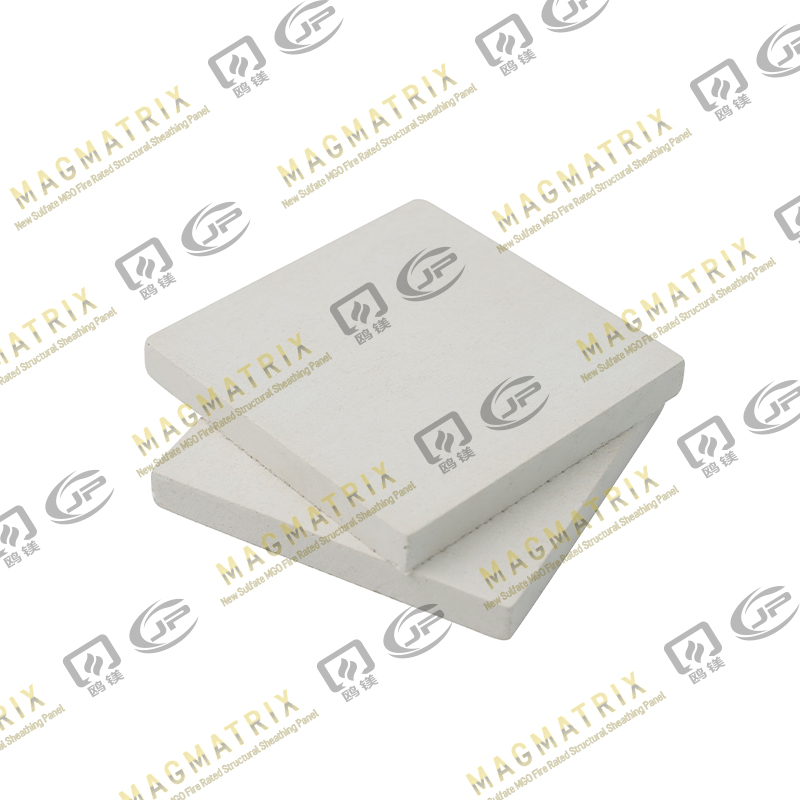 Perseverance MgO Wall Sheathing Board
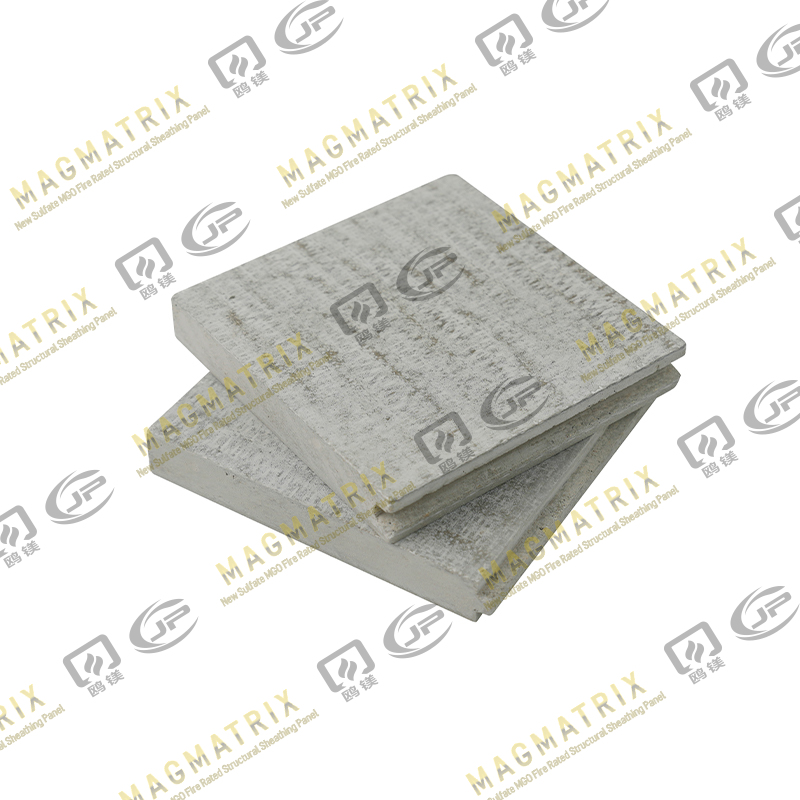 Multi-Support MgO Subfloor Sheathing Board
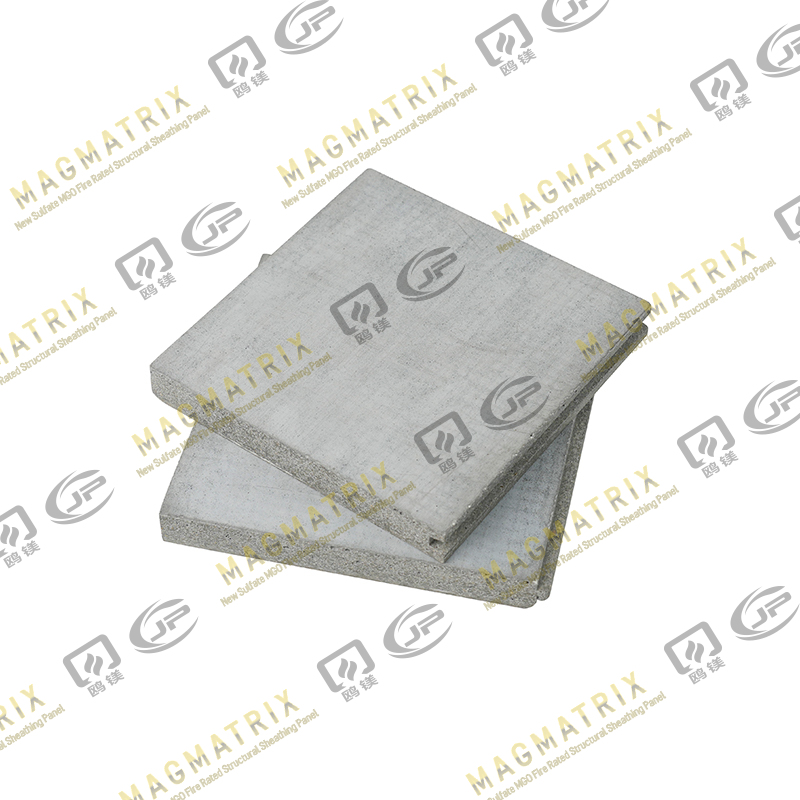 Perseverance MgO Subfloor Sheathing Board
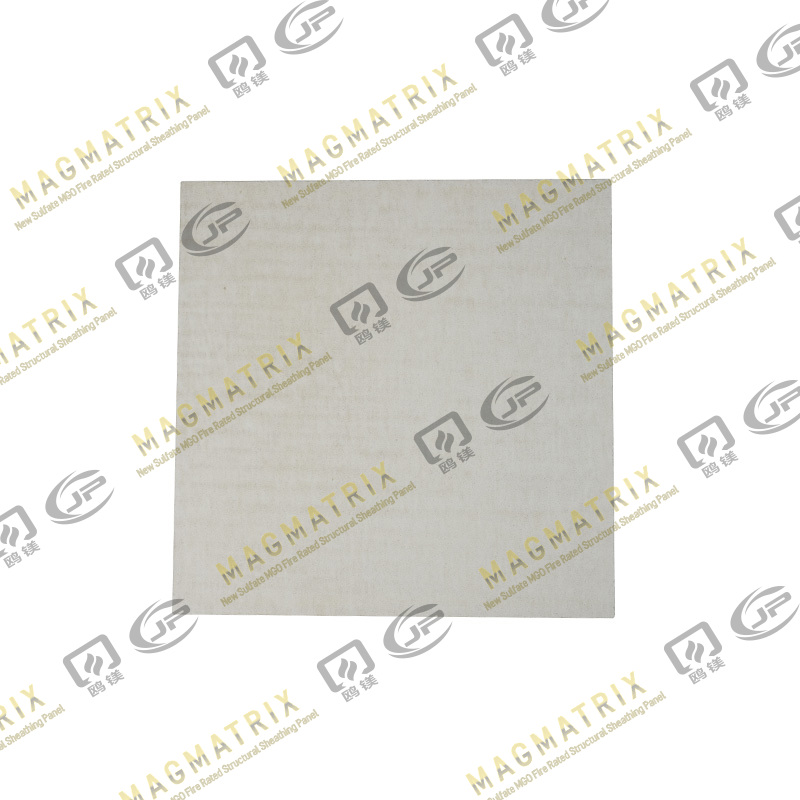 MagMatrix MgO Underlayment Panel/board